How to Wash Sheepskin Slippers Without Harming the Leather or Wool
Published on: November 13, 2026 | Last Updated: November 13, 2026
Written By: Harriet Nicholson
Hello Tannery Talk. You love your sheepskin slippers, but the thought of cleaning them makes you nervous, right? I understand that fear completely.
This article walks you through a safe, step-by-step process. We will cover checking your slippers’ tags and condition, gentle spot cleaning for stains, hand-washing with care, air-drying the right way, and brushing the wool back to life.
I have years of hands-on experience conditioning and repairing leather goods, from sturdy saddles to soft jackets, so I know how to treat delicate materials with respect.
What You Absolutely Need Before You Start Cleaning
Think of this step as laying out your tools in the workshop. Rushing in without the right gear is how good projects go sideways.
First, gather these simple items. You likely have most at home.
- A soft-bristled brush, like a horsehair shoe brush or a clean toothbrush. This is for gentle agitation, not scrubbing.
- Clean white cloths or microfiber towels. White ensures no dye transfers to your light wool.
- A small basin or clean sink.
- Cool water. Not lukewarm, and definitely not warm.
Choosing your cleaner is the most critical part. You need a mild, pH-neutral cleaner designed for both leather and wool, as harsh detergents will strip the wool’s natural lanolin and dry out the leather hide. Doing so helps keep lambskin soft and prevent damage over time. It also helps prevent stiffness and wear. Look for products labeled for sheepskin, suede, or delicate leathers. A simple castile soap diluted in water is a reliable, gentle option I often use in my shop.
Finally, give your slippers a good look over. Check for a care label first. Then, note any specific stains or areas of heavy wear on the sole. This quick check tells you where to focus your gentle attention and helps you avoid making a small problem bigger.
The Step-by-Step Guide to Hand Washing Sheepskin Slippers
This is the hands-on part. Go slowly. Sheepskin is durable but asks for a gentle touch, much like cleaning the soft lining of my jacket, June.
Preparing Your Gentle Cleaning Bath
Fill your basin with enough cool water to submerge a slipper. Cool water is non-negotiable. Hot water will cause the leather to shrink and stiffen, and it can make the wool fibers mat together tightly, a process called felting.
Add a very small amount of your chosen cleaner to the water-think a teaspoon for a large basin. You want a light suds, not a bubble bath. Swirl it with your hand to mix it well.
Cleaning the Leather Sole and Wool Interior
Submerge one slipper. Let it get fully wet for about 30 seconds. Then, use your hands-not the brush yet-to gently massage the cleaning solution through the wool and over the leather sole. Work in slow, circular motions.
Imagine you are kneading very soft dough; this is about coaxing dirt loose, not attacking it. For the sole, you can use the soft-bristled brush with a light, circular touch to lift ground-in dirt. Avoid any vigorous scrubbing or twisting of the slipper. This protects the delicate leather grain and the structure of the wool.
Rinsing Away All Soap Residue
Dirty water is easy to see. Soap residue is not. Drain the soapy water and refill your basin with fresh, cool water. Submerge the slipper again and gently press the wool with your palms to push the clean water through. Repeat this rinse process, changing the water, until it runs completely clear with no suds. This might take 3-4 rinses.
To remove water, press the slipper gently against the side of the basin. Do not wring it. Wringing will stretch the leather and misshape your slipper forever. Simply press and squeeze different sections with your hands until no more water easily runs out. Then, roll the slipper in a clean, absorbent white towel and press down to blot out more moisture.
Can You Put Sheepskin Slippers in the Washing Machine? The Honest Answer
You can find many guides online that say yes. I’m here to give you the honest answer from the workbench. You should not machine wash your sheepskin slippers, just like you shouldn’t wash a sheepskin rug in a washing machine.
Think of sheepskin like a delicate, living material. The leather is thin and the wool is a natural fiber. The agitation, heat, and spin of a machine create a harsh environment. The leather can shrink and harden like a rawhide chew. The wool can felt together into a dense, flat mat – especially when not properly cared for.
Machine washing is a high-risk shortcut that often leads to a stiff, misshapen pair of slippers you won’t want to wear.
I treat my sheepskin pieces with the same care I give Mason, my English saddle. Hand washing is the only method I trust for a full clean. If you are in a true last-resort situation, the rules are strict.
- Use cold water only.
- Select the gentlest cycle available.
- Place each slipper inside a secured mesh laundry bag.
- Use a very small amount of mild, wool-safe detergent.
Even then, you are taking a chance. Hand washing gives you complete control over the pressure, the soap, and the water temperature. That control is what keeps the leather soft and the wool fluffy. It’s the difference between a careful bath and a storm.
How to Dry Sheepskin Slippers Without Them Going Stiff or Flat
Drying is where the battle is won or lost. Patience is your best tool here. Rushing with heat will ruin your work.
Getting Rid of Excess Moisture the Right Way
After hand washing, gently squeeze the slippers. Do not wring or twist them. Lay out two or three dry, thick towels. Place a slipper between them and press down firmly with your hands. You are blotting, not rubbing.
Press firmly with the towels to soak up water you can’t squeeze out, which protects the fibers from damage.
While the slipper is still damp and pliable, use your hands to gently reshape it. Smooth the leather and coax the wool lining back into place. This is the time to fix the shape.
The Perfect Air Drying Setup
Find a spot with good air flow, like near a fan in a room. It must be away from direct sunlight, heaters, or radiators. Any direct heat will cook the leather, making it brittle.
To help your slippers keep their shape, loosely stuff the toes. Crumpled clean paper or a soft cloth works perfectly. This prevents the toes from curling up as they dry.
Air drying in a cool, shaded spot with good circulation is the only safe way to dry sheepskin completely.
Let them sit. It can take 24 to 48 hours. Do not try to speed it up.
Brushing the Wool Back to Life
Once the wool lining is slightly damp to the touch (not sopping wet), it’s time to brush. Use a soft-bristled brush, like a clothes brush or a clean pet slicker brush. Gently brush the wool in the direction of the nap.
This lifts the fibers, prevents them from matting together, and restores that soft, fluffy feel. The leather upper will feel stiff when fully dry. This is normal. The stiffness is not permanent. Once dry, gently flex the leather with your hands and wear them around the house. The body heat and movement from your feet will soften the leather back to its comfortable state.
Simple Habits to Keep Your Slippers Clean Longer
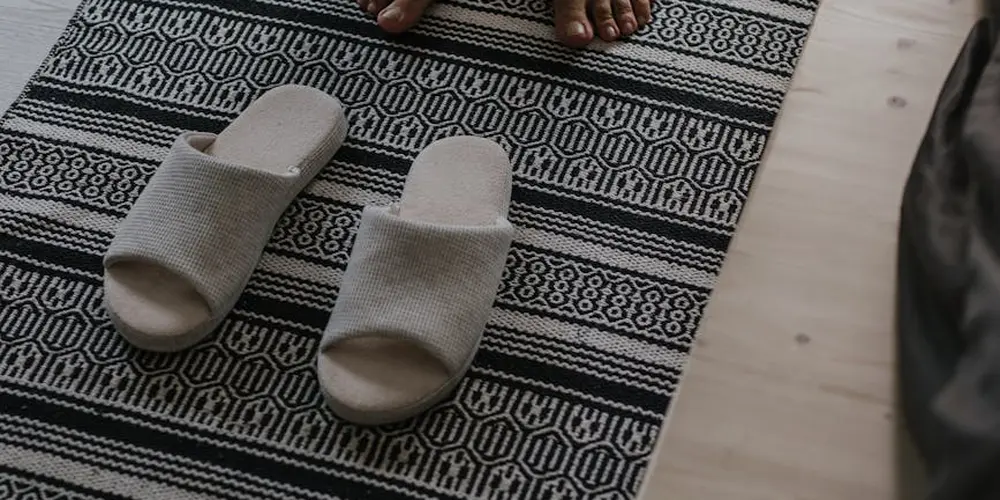
Good care is about small, consistent habits. These steps keep big washes rare.
After you take them off, give the wool lining a quick brush. This knocks out dust and skin cells and fluffs the fibers. It takes ten seconds and makes a huge difference over time.
For spills, act fast with a spot clean. Dampen a clean cloth with water and a drop of mild soap. Blot the spot, never rub. Then blot with a cloth dampened with plain water to rinse. Let it air dry.
A quick daily brush removes the dirt that leads to deep-set grime, extending the time between full cleans.
Store your slippers in a cool, dry place. A breathable cotton bag or an open shelf is ideal. Avoid stuffing them in a plastic bin or closed shoe rack where moisture and odors can get trapped.
Every few months, look at the leather soles. If they look dry or pale, apply a tiny amount of a light, absorbent leather conditioner. Rub it in with your fingers and let it soak in overnight. That habit helps prevent my leather items from cracking and drying out over time. It keeps boots, bags, and belts supple for longer. It’s a simple step that adds years of comfort.
Common Questions
Can I just spot clean them instead of a full wash?
Absolutely. For small spills or stains, immediate spot cleaning is the best preservation tactic. Blot with a cloth dampened with a mild soap solution, then with plain water, and let it air dry away from heat.
Is there a way to make them water-resistant?
I do not recommend standard waterproofing sprays, as they can seal in moisture and damage the hide. The best defense is to simply avoid wearing your sheepskin slippers in wet conditions altogether.
How do I handle sweat and odor inside the slipper?
After wear, sprinkle a small amount of baking soda directly onto the wool lining, let it sit for an hour, then brush it out thoroughly. This absorbs moisture and neutralizes odors without harsh chemicals. It’s especially helpful for cleaning sweat odor and stains from insoles of suede and leather shoes.
The wool inside has gone flat. Can it be fixed?
Yes. Once completely dry, use a pet slicker brush or a coarse-toothed comb to gently brush the wool against and then with the nap. This teases the fibers back to life and restores loft.
What about using home remedies like vinegar?
Avoid them. Vinegar and other acids can degrade the leather’s fibers over time, and strong smells can linger in the wool. Stick to pH-neutral cleaners designed for delicate leather and wool.
Final Thoughts on Caring for Sheepskin Slippers
Gentle care ensures your slippers last for years. The single most important step is to clean the wool by hand, condition the leather promptly, and always let them air dry away from direct heat.
Taking time to maintain leather goods properly honors the material and the animal it came from. Choosing well-made products and caring for them well is the most sustainable practice, a simple skill that builds with each cleaning.
Related Guides and Information
- How to Clean Sheepskin Slippers in 5 Simple Steps | BootWorld – Boot World
- How to clean sheepskin slippers
- How to Clean Sheepskin Slippers | ONAIE Care Guide
- How to Wash Sheepskin Slippers? Tips to Make Them Last
Harriet is a avid collector of leather goods such as purses, bags, seat covers, etc and has an extensive background in leather care, recovery, stain removal and restoration. She has worked for a number of years perfecting her leather care techniques and knows the ins and outs of restoring all kinds and types of leather products. With her first hand knowledge in leather care, you can not go wrong listening to her advice.
Boot and Shoe Care