How Do You Clean and Care for Your UGG Sheepskin Boots and Suede Slippers?
Published on: February 11, 2026 | Last Updated: February 11, 2026
Written By: Harriet Nicholson
Hello Tannery Talk, you adore the cozy warmth of your UGGs, but spills and everyday grime can leave them looking worn. I can help you clean them safely and keep that soft, luxurious feel for years.
We will cover gentle cleaning for sheepskin, routine maintenance to prevent cracks, and simple protection for suede moccasins.
My advice comes from years of hands-on leather care, like conditioning the supple calfskin on my jacket June and preserving the patina on my saddle Mason.
What Makes UGGs So Soft (And So Tricky to Care For)?
Think of genuine sheepskin like a cozy wool blanket that’s been permanently attached to a soft leather backing. That’s exactly what it is. The top side is the fluffy wool, and the bottom side is the skin, or leather. This dual-layer construction is why they are so warm and comfortable.
Suede, used in many UGG moccasins, is different. Suede is made by splitting a thicker piece of leather and brushing the inner, fuzzy side to create a nap. While both are beautiful, sheepskin is a complete material, and suede is a finish, which changes how you care for them. Water behaves very differently on each surface.
Responsible sourcing matters for materials this personal. I look for brands that are transparent about their supply chain, ensuring the sheep are raised for multiple purposes, like wool and meat, and that their well-being is a priority. It honors the animal to care for the product made from it.
Do not let the special materials intimidate you. Caring for UGGs is straightforward when you follow a few simple rules. It is like knowing June’s jacket needs a different conditioner than Scout’s wallet. Once you know the rules, you can keep them looking good for years.
Gathering Your UGG Care Kit: The Essentials
You do not need a workshop full of tools. A small, dedicated kit is perfect. Just like I have a specific brush and cloth for Mason’s saddle, your UGGs deserve their own supplies. Here is what you need.
- A soft-bristle brush (like a horsehair brush for suede or a wool brush).
- White distilled vinegar in a spray bottle.
- Several clean, white, lint-free cloths (old cotton t-shirts work well).
- A cleaner specifically made for sheepskin and suede.
- A waterproofing spray designed for nubuck or suede.
Many people buy the official UGG care kit, and it works perfectly. It typically contains a suede cleaner, a wool & sheepskin conditioner, and a brush. Use the cleaner for spot treatments on the suede or wool, and the conditioner only on the wool lining to restore fluffiness, never on the suede exterior.
Some common household items will cause permanent damage. Avoid all-purpose cleaners, dish soap, and harsh detergents. Never use heat from a hairdryer or radiator to dry them, as it will shrink and crack the leather. Silicone-based sprays can darken and stiffen the suede.
Keep these tools together in a drawer. When a salt stain or muddy spot appears, you are ready to act quickly, which is always the best fix.
How to Clean Sheepskin Slippers and Boots: The Gentle Routine
Think of cleaning sheepskin like brushing a favorite wool sweater. You are lifting dust and reviving the fibers, not giving it a bath. This dry method is for everyday dirt, dust, and light scuffs.
The only tools you need are a soft-bristled brush (a suede or horsehair brush is perfect) and maybe a clean, dry microfiber cloth.
- Take your boots outside or over a trash can. Give them a good tap together to knock loose any dry dirt or debris from the fur and sole.
- Using your soft brush, always brush in one direction-with the grain of the sheepskin. You can see the grain; the fibers naturally want to lie a certain way. Brushing against it can roughen and damage the surface.
- Brush the entire surface gently but firmly. Pay extra attention to seams and creases where dirt loves to hide.
- For the woolly interior, use the brush to gently fluff the fibers and lift any dust. You can also use the clean, dry cloth to wipe the interior if needed.
For general light dirt, this is often all you need. I do a version of this for my leather jacket, June. After wearing it out, I give it a quick brush down with a horsehair brush to keep the surface clean and the creases from trapping grit. It makes a big difference.
Never, ever soak your sheepskin boots or slippers in water or put them in a washing machine. The leather will become stiff and distorted, and the wool lining can felt and shrink. Water is for targeted spot treatment only; properly cleaned sheepskin requires special care.
When Water is Needed: Tackling Stains on Shearling
Sometimes dry brushing isn’t enough. For mud splatters, water stains, or winter salt marks, you need a slightly damp approach. The rule here is minimal moisture. You are dabbing, not drowning.
First, let the stain dry completely if it’s fresh mud or a spill. Then, brush off any crusty residue with your dry brush.
- Dampen a corner of a clean, white cloth with cool water. Wring it out until it is barely damp-it should not drip.
- Gently dab or blot the stained area. Do not rub. Rubbing will work the stain deeper into the fibers and can damage the skin.
- For salt marks (from winter roads), use the same dabbing method. You can use a 50/50 mix of white vinegar and cool water on your cloth for stubborn salt lines. The mild acid helps break down the salt crystals without harming the leather.
- After dabbing, use the dry part of your cloth to blot up any excess moisture immediately.
Always blot stains, never rub. Rubbing spreads the problem and damages the delicate sheepskin nap.
Now, drying is the most critical part. Heat is the enemy. Never place sheepskin near a radiator, fireplace, or in direct sunlight. Do not use a hairdryer.
Stuff the boots loosely with crumpled paper or a dry towel to help them keep their shape and absorb moisture from the inside. Then, let them air dry at room temperature, away from any heat source. This can take a full day or more. Be patient.
Once completely dry, the area might feel a little matted or stiff. Use your soft brush to gently brush the area with the grain. This will restore the fluffy nap and soft handfeel. If the leather feels overly dry after a cleaning, a tiny amount of a conditioner made for suede or nubuck can be applied, but test it on a small, hidden area first.
How to Clean Suede UGG Boots and Moccasins Without Ruining Them
I hear this question all the time. Cleaning suede UGGs feels scary, but it does not have to be. The answer is gentle, dry methods first. Suede has a soft, fuzzy nap that hides dirt well. Your goal is to lift that dirt without crushing the fibers.
Always start by dry-brushing your boots to lift loose dirt and revive the material. Use a soft suede brush or a clean, dry toothbrush. Brush in one direction with the grain. You will see the color brighten and the texture come back to life. Do this before any liquid touches the boot.
For scuffs or oily marks, you need a two step approach. First, use a suede eraser. Rub it back and forth over the mark like you are erasing pencil from paper. The eraser crumbles away the grime. For tougher spots, a gentle cleaner is next.
- Pick a pH-neutral suede cleaner. Do not use household soap.
- Dampen a soft white cloth with the cleaner. Do not pour it on the boot.
- Gently dab and circle the stained area. Do not scrub hard.
- Let the boot dry completely at room temperature. This can take a few hours.
- Once dry, brush the nap lightly again to fluff it up.
Water will damage suede. I mean it. Pouring water on suede causes dark, permanent stains and makes the material stiff. Think of it like how Scout, my veg-tan wallet, reacts to a spill-it soaks in fast, darkens the leather, and changes the handfeel from supple to stiff. Suede is even more absorbent and delicate. If you get them wet, blot immediately with a towel and let them air dry away from heat. Then brush gently. Patience is your best tool here.
Fixing the Big Three: Salt, Odor, and Set-In Stains
Your boots face the real world. Salt from winter streets, daily wear that leads to odors, and the occasional spill happen to everyone. These problems are fixable if you act calmly and use the right gentle methods. This table gives you a quick start before we get into the details.
| Problem | First Step | What You’ll Need | Key Tip |
|---|---|---|---|
| Salt Stains | Let boots dry completely. | White vinegar, water, soft cloth. | Never scrub wet salt. It grinds in. |
| Odors | Remove insoles if possible. | Baking soda, sheepskin-safe deodorizer. | Attack odor at night. Let it sit. |
| Food/Oil Stains | Blot immediately. Do not rub. | Mild suede cleaner, clean towel. | Gentle dabbing only. Know when to call a pro. |
How to Get Salt Stains Out of Sheepskin
Salt stains look like a white, chalky crust. Think of it like dried sweat on my old jacket, June. The worst thing you can do is treat it while it’s wet. Always let the boots dry fully first, so the salt crystallizes on the surface instead of being dissolved deeper into the fibers.
Here is the simple, effective method I use.
- Let your boots dry at room temperature, away from direct heat.
- Mix a solution of one part white vinegar to two parts water in a spray bottle.
- Lightly mist the salt-stained areas. You want them damp, not soaking wet.
- Gently brush the area with a soft-bristled suede brush or use a clean, dry cloth to dab. The salt crystals will dissolve and lift away.
- Let the area air dry again completely.
- Once dry, brush the nap of the sheepskin back up to restore the soft texture.
The vinegar neutralizes the salt without harming the leather. If a faint ring remains, repeat the process. Patience always beats force here.
Removing Odor from Smelly Slippers and Boots
Sheepskin is naturally breathable, but it can hold onto odors from moisture and bacteria over time. The goal is to absorb and neutralize, not just cover up the smell. For persistent odors, you need a one-two punch of absorption first, followed by a targeted treatment.
Start with the classic absorbent method.
- If your footwear has removable insoles, take them out.
- Liberally sprinkle baking soda inside the boots and over the insoles.
- Let it sit overnight, or even for a full 24 hours for strong odors.
- Shake out all the baking soda over a trash can. Use a vacuum hose with a brush attachment to get the last bits out.
If the odor lingers, it’s time for a specialized spray. Look for a deodorizer made specifically for sheepskin or suede. These are usually enzyme-based and break down odor-causing bacteria. Spray lightly inside, let dry fully, and then assess. Never use harsh disinfectants or heavily perfumed sprays, as they can damage the leather and irritate your skin. Even then, they might not remove stubborn musty odors from frequently used items.
Handling Food and Oil-Based Stains
Grease, butter, or a drop of cooking oil can make your heart sink. Your immediate reaction is everything. Your first job is to contain the stain, not spread it. Grab a clean, absorbent cloth or paper towel and gently press down to blot up as much of the substance as you can. Do not rub in a circular motion. Rubbing is the enemy.
For a fresh, mild stain, you can try a dedicated suede and nubuck cleaner. Apply a small amount to a clean cloth and dab carefully at the stain, working from the outside edge toward the center. Let it dry, then brush the nap. For oil, sometimes applying a small amount of cornstarch to absorb the grease overnight before brushing and cleaning can help. Be cautious when dealing with water stains and rings on suede shoes, as they require extra care to avoid damaging the nap.
Here is the most important advice I can give you. If the stain does not lift after one or two careful attempts, stop. Over-cleaning can cause discoloration or damage the sheepskin’s delicate surface. It’s especially critical when dealing with stains on suede or leather. At this point, taking your boots to a professional cleaner who specializes in leather and suede is the safest choice to preserve them. It’s the same reason I wouldn’t try to repair a deep scratch on Mason’s saddle without the right tools and know-how—some jobs need a specialist.
Keeping Them Supple: How to Condition and Protect UGGs
Sheepskin and suede ask for a different kind of love than my old friend Mason the saddle. Think of it like caring for a fine wool sweater versus a heavy work jacket. The dense, oily conditioners that protect full-grain leather would just sit on top of sheepskin, clogging those soft fibers and ruining the breathable comfort you bought them for. Proper care is essential to maintain their softness, especially when cleaning, conditioning, and storing your sheepskin or lambskin leather jackets.
You need a conditioner that hydrates without smothering, one designed specifically for napped leathers and wool.
Choosing and Using the Right Conditioner
Look for a conditioner labeled for suede, nubuck, or sheepskin. These are typically water-based, pH-balanced, and light. They restore softness by moisturizing the skin fibers without leaving a greasy residue. Avoid any product containing heavy oils, waxes, or silicones.
Here is how to apply it:
- Ensure your boots are clean and completely dry from any previous washing.
- Shake the conditioner bottle well. Apply a small amount to a soft, clean cloth.
- Gently rub the conditioner onto the sheepskin in a circular motion. Focus on areas that feel stiff or look dry, like the collar or heel.
- Use a suede brush to gently lift the nap and work the conditioner evenly through the fibers.
- Let the boots dry naturally, away from direct heat, for at least 24 hours.
The goal is a refreshed softness, not a dramatic color change or a waterproof seal. If an area still feels stiff after drying, you can apply a second, very light coat.
Your First Line of Defense: The Water-Repellent Spray
Conditioning helps the material itself. Protection guards it from the world. A quality water-repellent spray made for suede and shearling is non-negotiable. It creates an invisible shield that causes moisture to bead up and roll off.
Applying protector is a quick, easy step that saves you from difficult stain-removal jobs later. Always test the spray on a small, inconspicuous area first to check for any color change.
To apply it properly:
- Take the boots outside or to a very well-ventilated area.
- Hold the can about 6 inches away from the boot.
- Spray using steady, sweeping motions until the surface looks evenly damp (not soaking).
- Pay extra attention to seams and the sole-to-upper joint where water often seeps in.
- Let the boots dry completely before wearing or storing.
Reapply this protector every few months, or immediately after a thorough cleaning, as its effectiveness wears off over time.
The Mindset of Maintenance
Waiting for a salt stain or mud splatter to happen is like waiting for my wallet Scout to fall apart before I oil it. Care for UGGs is proactive, not reactive. That fresh coat of protector you apply in the fall is what lets you brush off a light winter drizzle without panic.
Think of conditioning and protecting as regular check-ups for your boots. They keep the sheepskin from becoming brittle and make everyday spills much easier to manage. This simple routine extends the life of your boots by years, letting you enjoy their comfort season after season.
Daily Habits and Smart Storage for Lasting Shape
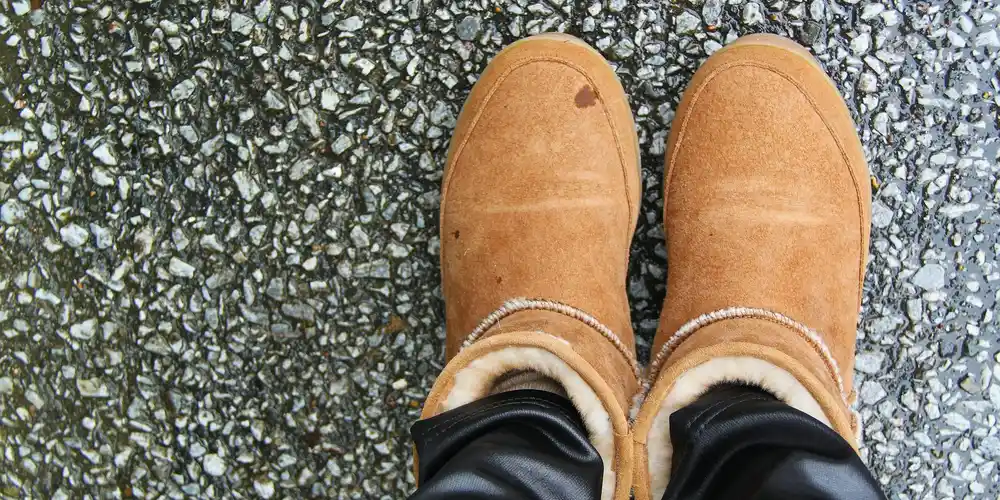
Good care is about small, consistent actions. Think of it like brushing your teeth for your boots. These simple habits prevent big problems later, keeping the sheepskin supportive and the shape crisp.
Give Your Boots a Spine After Every Wear
Sheepskin is wonderfully soft, but that means it can collapse. When you take your boots off, they are warm and damp from your feet. Letting them sit flat is an invitation to lose their form.
I always reach for boot shapers or cedar shoe trees. They absorb moisture and hold the ankle straight. If you don’t have those, a simple, clean towel rolled tightly works perfectly. Push it firmly into the foot and leg of the boot.
This one act does more than maintain shape; it dramatically speeds up drying, which is the best defense against odor and material breakdown. For my slippers or moccasins, I use a ball of acid-free tissue paper to keep their shape in the closet.
Storing UGGs is Like Tucking Them In for a Nap
Where you put them away matters just as much as how you clean them. You wouldn’t leave a fine leather jacket in a hot car or a damp basement. Your UGGs deserve the same consideration.
Find a spot that is:
- Cool: Avoid heat sources like radiators or heating vents.
- Dry: A closet or shelf inside your home is ideal, never a garage or porch.
- Dark: Keep them out of direct, prolonged sunlight to prevent fading.
I store my piece June, the leather jacket, in a breathable cotton bag. For UGGs, their original box or a fabric storage bag is perfect. Never use plastic, as it traps humidity and can cause mildew on the sheepskin. Proper storage is crucial for maintaining the condition of leather goods and shoes.
Rotate Your Pairs to Let Them Breathe
If you live in your UGGs all season, try to have a second pair to alternate with. It makes a huge difference. Sheepskin needs a full 24 hours to completely air out and recover its natural loft after a day of wear.
Rotating between two pairs can effectively double the life of each one. It becomes a quiet ritual, a way of respecting the material. You are giving the sheepskin time to rest, just like you would with a good wool sweater.
This rotation is the secret to avoiding that permanently compressed, flat feel that old, overworked slippers get. The fibers stay springy, and the comfort lasts for years.
Can You Wash UGGs in the Machine? The Honest Answer
My answer is a firm, safety-first no. Do not put your sheepskin boots in the washing machine.
Here’s the material science reason why. Sheepskin is a natural, layered material. The wool fibers on the outside are delicate. The suede or tanned leather underneath is porous. A washing machine’s violent agitation and spin cycle are disastrous for both, especially when used to clean and condition a sheepskin rug.
The risks are very real and often permanent.
- Shrinkage: Wool fibers have scales. Agitation and heat make these scales lock together tightly, a process called felting. This shrinks the wool lining dramatically, making the boot unwearable.
- Distortion: The boot loses its shape. It can come out lumpy, twisted, or collapsed as the internal structure weakens.
- Felting of the Wool: That soft, fluffy interior becomes a hard, matted felt. The comfort is gone for good.
- Leather Damage: Harsh detergents and constant soaking can strip the leather’s natural oils, leaving it stiff, brittle, and prone to cracking.
Hand-cleaning is the only safe, reliable method for preserving your UGGs. The gentle brushing, targeted cleaning, and air-drying process we discussed earlier respects the material. It takes more time than tossing them in a machine, but it saves your boots.
I’ve seen the results of machine washing in my repair work. A customer once brought in a pair of slippers that had gone through a gentle cycle. They were a full size smaller, the sheepskin was stiff as cardboard, and the shape was completely gone. We couldn’t salvage them. That moment cemented my rule: love your leather, wash it by hand.
Stick with the hand-cleaning steps. Your boots will thank you for years.
When Your Best Effort Isn’t Enough: Professional UGG Cleaning
Sometimes, home care isn’t the right tool for the job. That’s true for my saddle Mason when he needed a deep structural repair, and it’s true for your sheepskin boots.
Knowing when to call in a professional is a key part of responsible leather care, and it protects your investment from well-meaning mistakes.
Signs You Need a Specialist
You can handle light dirt and scuffs. But some problems need an expert’s touch. Look for these signs:
- Major Stains: Think red wine, ink, or large oil spills that have soaked deep into the suede and the sheepskin lining. If a stain doesn’t budge with a gentle suede eraser and brush, stop.
- Persistent Odors: Heavy mildew or deeply set smells that baking soda can’t lift often need professional deodorizing solutions.
- Structural Issues: This includes a separated sole, a torn seam in the upper, or a sheepskin lining that is matted and hardened beyond what brushing can fix.
- Color Correction: If you’ve accidentally darkened the suede too much or caused discoloration, a professional cleaner can often re-dye or refinish it.
How to Find the Right Professional
Not every dry cleaner is equipped for shearling and suede. You need a specialist.
Start by looking for cleaners who explicitly list “suede,” “shearling,” or “leather goods” as a specialty service. A good shop will ask you detailed questions about the material and the stain. Make sure they are familiar with how to treat different types of stains on suede.
- Ask Direct Questions: Call and ask, “What is your specific process for cleaning suede sheepskin boots with a wool interior?” Listen for confidence and specifics.
- Check for Certifications: Many reputable cleaners belong to professional trade organizations, which often require ongoing training.
- Read Reviews for Details: Look for reviews that mention successful cleaning of UGGs, Timbs, or shearling coats, not just formalwear.
- Get a Written Estimate: A trustworthy cleaner will inspect the item and provide a clear cost before any work begins.
A Final Word of Reassurance
I’ve fixed a torn lining on my jacket June. I didn’t see it as a failure of my care, but as the next chapter in her story.
Seeking professional help isn’t admitting defeat; it’s choosing the best possible care for a item you love and want to last for years. It’s the smartest move for complex issues, preserving both the boot’s comfort and its value. Think of it as a visit to a trusted mechanic for your car, or a cobbler for a fine leather sole. It’s simply part of the journey.
Common Questions
Should I brush my UGGs even when they look clean?
Yes. A quick, gentle brush with the grain after each wear lifts dust and prevents it from settling into the fibers. This simple habit maintains the nap and drastically reduces how often you need deeper cleaning.
How do I properly break in a new pair without damaging them?
Wear them at home for short periods to let the sheepskin mold gently to your foot’s shape. Avoid the temptation to speed up the process with heat or by getting them excessively wet, as this can distort the leather.
The sheepskin is developing permanent creases. Is this bad?
No, supple leather will develop character creases, just like a well-worn jacket. Ensure you use boot shapers after each wear to prevent deep, misshapen collapses and brush the creases regularly to keep dirt from gathering.
Can I apply protective spray to brand-new UGGs?
Absolutely, and you should. Applying a water-repellent spray designed for suede or nubuck to clean, new boots is your best proactive defense. It creates a barrier against stains before they happen.
I just spilled something. What’s the very first thing I should do?
Immediately blot-do not rub-with a clean, absorbent cloth to lift as much liquid as possible. Then, give the area ample time to air-dry completely at room temperature before you attempt any cleaning or brushing.
Keeping Your Sheepskin Soft for Years
The single most important habit you can build is a simple one: brush your boots often with a suede brush. This gentle rhythm lifts dirt before it sets and revives the plush nap, preventing most problems before they start. Think of it as the foundation everything else is built on.
Caring for a natural material like sheepskin is a quiet way to honor the animal and the craft. Each time you clean or condition them, you’re not just maintaining a product, you’re building a practical skill that extends the life of something well-made.
Industry References
- UGG® Sheepskin Cleaning and Care Instructions | UGG®
- UGG Care Kit for Care & Cleaning | UGG®
- UGG® Care Kit | UGG® Official
- UGG Sheepskin Care Kit | Boot World
Harriet is a avid collector of leather goods such as purses, bags, seat covers, etc and has an extensive background in leather care, recovery, stain removal and restoration. She has worked for a number of years perfecting her leather care techniques and knows the ins and outs of restoring all kinds and types of leather products. With her first hand knowledge in leather care, you can not go wrong listening to her advice.
Suede and Nubuck Care