How Can You Clean and Care for Sheepskin Leather at Home?
Published on: February 15, 2026 | Last Updated: February 15, 2026
Written By: Harriet Nicholson
Hello Tannery Talk. I hear your question and that little worry behind it: how do you clean something as soft as sheepskin without ruining its beautiful, delicate nature?
With the right approach, you can. We will cover the best daily cleaning methods, how to give your pieces a seasonal deep clean, and the careful drying that keeps the leather supple.
I know this works because I’ve done it myself on pieces like my own sheepskin-lined gloves and jackets, using the same hands-on care I give to my workshop companions Mason and June.
What Makes Sheepskin So Different to Clean?
Cleaning sheepskin feels like caring for two materials at once. You have the soft leather skin on one side and the thick wool fleece on the other. Each side has different needs.
The leather needs gentle hydration to stay supple, but it will stiffen and crack if it gets soaked. The wool is great at trapping warmth and dirt, but if you get it too wet or agitate it roughly, the fibers can tangle together and felt. This makes the wool mat down permanently.
Think of it like brushing a delicate, two-sided carpet where every stroke affects both the top and the bottom. A harsh scrub on a stain can drive moisture into the leather backing. Vigorous rubbing on the wool can create knots. It requires a soft touch from start to finish.
Whether it’s a rug, a jacket, or a pair of gloves, the golden rule is the same: be gentle and avoid harsh heat or excess moisture. My old jacket, June, taught me that patience here pays off with years of soft, pliable wear.
How Do I Clean a Sheepskin Rug Step-by-Step?
A sheepskin rug gets a lot of foot traffic. Dirt and dust settle deep into the wool. This step-by-step method cleans effectively without harming the leather or felting the fleece.
Step 1: The Dry Shake-Out
First, take the rug outside. Give it a firm shake to dislodge dry, loose dirt and debris. You can also gently beat it against a clean surface, like a fence or railing. This simple step removes a surprising amount of grit before you even bring out any tools.
Step 2: Vacuum with Care
Never use a vacuum with a standard beater bar or stiff brush attachment. The aggressive rotation can tear and felt the wool.
Use a vacuum with a soft, brushless upholstery attachment on its lowest suction setting. Lightly glide the tool *with* the natural direction of the wool nap. Imagine you are petting a very fluffy animal. This lifts dirt from the base of the fibers without pulling them.
Step 3: Tackle Spots Immediately
For spills or stains, speed is your friend. The longer a stain sets, the harder it is to remove.
- Mix a mild cleaning solution. Use a few drops of a pH-neutral leather cleaner in a cup of cool water.
- Dampen a clean, white cloth with the solution and wring it out until it’s just barely moist.
- Dab the stain gently from the outer edge toward the center. Never rub in a circular motion. Rubbing spreads the stain and pushes it deeper into the leather.
- Use a second cloth dampened with clean water to dab the area and rinse. Then blot dry with a clean, absorbent towel.
Step 4: The All-Over Clean (Leather Side Only)
For a deeper clean, focus only on the leather backing. You should never fully soak or shampoo the wool side of a rug at home.
- Lay the rug wool-side-down on a clean, dry surface.
- Dampen a cloth with your mild cleaner solution (the same one from Step 3) and wring it out well.
- Wipe the leather backing clean, following any existing grain or pattern.
- Use a separate damp cloth with plain water to wipe off any cleaner residue.
- Blot the leather dry with a towel.
Let the rug air-dry completely at room temperature, away from direct sunlight or heaters. Never use a hair dryer. Once the leather side is dry to the touch, you can flip it. Fluff the wool gently with your fingers as it finishes drying.
How Do You Clean a Sheepskin Jacket or Coat?

Think of your sheepskin jacket as a wearable rug. It needs the same careful attention, but with extra caution for its seams and structure. You want to clean the grime without losing the shape that fits you perfectly.
The first step is the most important, and it happens before you touch any cleaner. Check the manufacturer’s care tag inside your jacket; it holds the specific truth for that exact garment. If it says “Dry Clean Only,” follow that advice. Home care is for items with more flexible instructions.
Gentle Spot Cleaning: A Two-Part Job
Sheepskin has two faces: the smooth leather side and the fluffy wool side. Each needs a different touch. I treat my own jacket, June, this way after a day out in damp weather.
For the leather panels, start with a soft, lint-free cloth. Dampen it with water and wring it out completely-it should only feel cool to the touch. Apply a small amount of a neutral, pH-balanced leather cleaner to the cloth, not directly to the jacket. Gently wipe the soiled area in a circular motion. Buff it dry immediately with a clean, dry part of the cloth. Be sure to clean and treat leather with proper care to avoid damage.
Using too much water is the most common mistake; it can cause the leather to stiffen or the dyes to run. A damp cloth is your safest tool.
For the wool cuffs, collar, or lining, your best friend is a soft-bristle brush, like a clothes brush or a clean, dry nail brush. Brush the wool gently in the direction of the nap to lift away dust and surface dirt. You can do this every few wears to keep the wool looking fresh and fluffy.
Why Your Washing Machine is Off-Limits
It might be tempting to throw your coat in for a quick cycle. Please don’t. The agitation from a washing machine causes two big problems. First, it can felt the soft wool, matting the fibers together into a tight, stiff mess. Second, it can twist and distort the leather backing, ruining the jacket’s shape forever.
Treat machine washing as a guaranteed way to damage your sheepskin, not a convenient shortcut. The gentle, hand-spot method is the only reliable path to cleaning without causing harm.
How Do I Wash Sheepskin Gloves?
Gloves take the most abuse. Dirt, sweat, and oils from your hands build up fast. I get the urge to just run them under the tap. It seems like the quickest fix. Resist that impulse.
Water can be sheepskin leather’s enemy. Soaking can make the leather shrink and dry into a stiff, cracked shell. Instead, we use a patient, “less is more” approach. Think of it as gentle tidying, not a full assault.
Start With the Lining
Your first move is to deal with the wool. If the gloves have a cuff you can turn inside out, do it. This gives you access to the lining.
Take a soft-bristled brush, like a clothes brush or a clean, dry paintbrush for detail work. Gently brush the wool to loosen and remove dust and dry dirt. Brush in the direction of the fibers. You’ll be surprised how much comes out.
For a wool lining that feels grimy or holds odors, a dry absorbent powder is your best friend. A light sprinkle of plain cornstarch or baking soda works. Rub it gently into the wool, let it sit for 15-20 minutes to absorb oils, then brush it out thoroughly.
Cleaning the Leather Exterior
For the outside, use the same spot-cleaning method we discussed for jackets. Remember my gloves, Scout? They get the same treatment.
- Dampen a clean, white cloth with cool water. Wring it out so it’s barely damp.
- Gently wipe the leather in one direction to lift surface dirt. Do not soak it.
- For tougher spots, use a drop of pH-neutral leather cleaner on another damp cloth. Always test it on a small, hidden area first.
- Wipe with your clean, water-dampened cloth to remove any cleaner residue.
Let the leather air-dry completely, away from direct heat or sun. As it dries, you can gently flex and massage the fingers to keep the leather supple and prevent stiffness.
The Golden Rule: No Submersion
I see this mistake often. Someone tries to “freshen up” gloves by rinsing them. The leather absorbs the water, tightens as it dries, and loses its soft suede feel. It can stiffen like cardboard.
If your gloves get soaked by accident, blot away excess water with a towel and let them dry slowly at room temperature, stuffing the fingers with paper to help them hold their shape. Once completely dry, they will likely need a dedicated leather conditioner to restore flexibility.
This careful method takes a little more time than a quick rinse, but it preserves the life and comfort of your gloves for years. It’s how I keep my own pair ready for another season.
The Right Way to Dry and Fluff Sheepskin
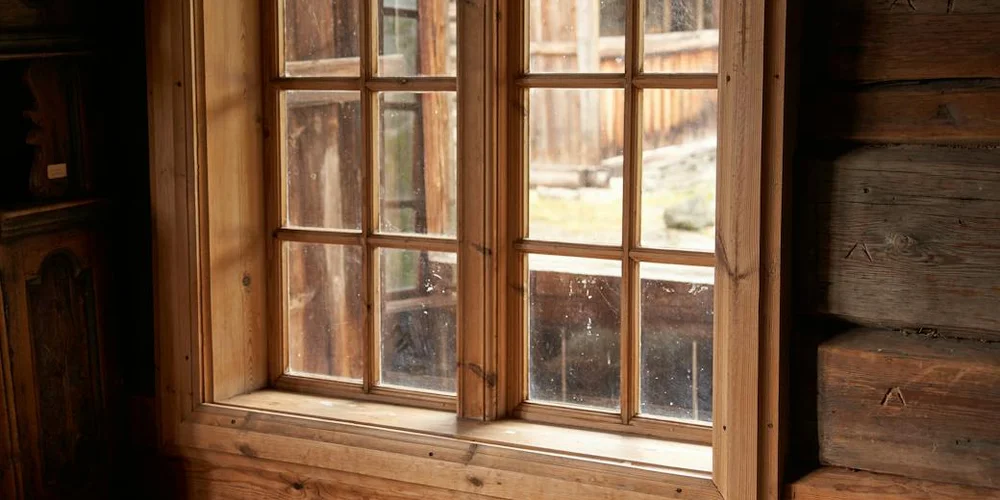
This is where most home care goes wrong. I want you to take a deep breath. Patience is not just advice, it is the rule. Rushing this step turns a simple clean into a permanent loss. I have fixed pieces where the leather cracked because someone tried to dry them fast. Your sheepskin needs time, just like my jacket June needs a gentle hand after a rain.
Direct heat is the enemy of sheepskin leather, baking it until it becomes brittle and weak. Never use a radiator, hairdryer, or place it in direct sun. I learned this early on. Heat pulls moisture out too fast, shrinking the leather backing and leaving it stiff. Think of it like sunburn on skin, but for leather. Once cracked, it is very hard to repair.
Always air dry at room temperature, away from sunlight. Find a cool, shaded spot indoors with good airflow.
For rugs, lay them flat on a clean, dry towel or a mesh drying rack. This lets air move above and below evenly. Do not hang a wet rug. The weight can stretch and distort the leather backing as it dries.
For jackets, use a broad, padded hanger. The padding supports the shoulders and prevents creases. Hang it freely in your room, but not in a drafty hallway where air might hit it from only one side.
Proper air drying preserves the shape and suppleness of the leather, ensuring your piece lasts for years. The physics of moisture diffusion shows that slow drying reduces internal stress and prevents cracking. Slow, gradual evaporation helps keep fibers evenly balanced and durable.
While the sheepskin is still slightly damp to the touch, you can restore the wool’s fluffiness. This is the perfect time. The fibers are soft and willing to move.
Use your fingers to gently tease and separate the clumps. Start from the base of the wool and work upward with a light touch. For larger rugs, a pet slicker brush works well. Use soft, brushing strokes as if you are grooming a gentle animal. Avoid pulling or yanking.
Fluffing the wool while it is damp encourages it to dry full and soft, ready for your next use. If you wait until it is bone dry, the fibers set in place and feel flat. A simple fix for this is to lightly mist the area with water and gently brush it again while damp.
Drying times vary. A pair of gloves may feel dry in a few hours. A jacket might need overnight. A large rug can take a full day or more. Check by touching the leather backing. It should feel cool and slightly flexible, not cold and wet or hard and dry. Trust the process, and your sheepskin will thank you.
How to Remove Stains and Odors from Sheepskin
Stains and smells happen to the best of us. The key is to act fast, but act gently. Rushing in with the wrong cleaner can set a stain or dry out the leather backing. Think of it like first aid for your favorite sheepskin jacket. You stay calm, use the right tools, and know how to properly clean and condition leather.
Treating Common Stains
For most spills on the wool, your first move is simple. Blot it immediately with a clean, dry, absorbent cloth. Do not rub. Rubbing pushes the spill deeper into the fibers and the leather underneath. For a fresh, water-based stain like juice or coffee, you can follow the blotting with a slightly damp cloth. Use distilled water if you can, as it has no minerals that might leave a residue.
For grease or oil stains on the smooth leather side, skip the home remedies and use a dedicated leather degreaser. I learned this the hard way on an old bag. Dish soap or baking soda pastes can work on some materials, but they often just spread the oil on porous leather or leave a dull film. A product made for leather breaks down the grease without harming the hide’s natural structure. Similarly, there are cleaners that can tackle other common stains—like ink, oil, or watermarks—without damaging the finish. Apply a small amount to a soft cloth and dab at the stain, working from the outside in to prevent rings.
Freshening Up the Wool
Sheepskin wool can hold onto odors like smoke or mustiness over time. The fix is gentle and effective. These steps can also help with other sheepskin items like rugs, coats, and gloves. If you’re wondering how to remove musty odors from sheepskin, you can start with this same baking soda and vacuum approach. Lightly sprinkle baking soda over the woolly side. Let it sit for about an hour so it can absorb the odors. Then, use the brush attachment on your vacuum to remove every bit of the powder. You may need to go over it a few times.
This method is far safer for the leather than trying to wash the whole item. It focuses on the wool without soaking the skin.
What to Avoid
In your effort to clean, it’s easy to reach for a strong household cleaner. Please don’t.
- Avoid vinegar, alcohol, or ammonia-based cleaners directly on the leather. They are too acidic or harsh and will strip the natural oils that keep the hide supple.
- Avoid harsh soaps or detergents. They can leave a sticky residue that attracts more dirt and are difficult to fully rinse out of the wool.
- Avoid soaking the item. A deep soak can cause the leather backing to stiffen or crack as it dries.
When in doubt, test any cleaner on a small, hidden area first, like an inside seam, and let it dry completely to check for color change or stiffness. Patience here saves heartbreak later. Your sheepskin doesn’t need a dramatic scrub, just some thoughtful, gentle care.
What Products Should I Use on My Sheepskin?
Sheepskin care seems tricky, but it is not. I have fixed many items that felt stiff or looked dull. You can do this at home with a simple kit. Think of sheepskin as two friends living together: the leather skin and the wool fleece. They need different care, but both want to stay soft and clean.
Forget the overwhelming aisle of products. You only need a few gentle tools to care for both sides properly.
Your Simple Sheepskin Toolkit
Gather these items before you start. Having them ready makes the process smooth and safe for your leather.
- A pH-balanced leather cleaner for the skin side.
- A soft horsehair brush or a clean, white cloth for applying cleaner.
- A leather conditioner made for nubuck or suede, if the leather feels dry.
- A wool-safe bristle brush or a soft pet brush for the fleece.
- A vacuum cleaner with a soft brush attachment.
How to Clean the Leather Skin Side
The leather skin is delicate, like the calfskin on my jacket June. You must be gentle. Use a pH-balanced leather cleaner. This type of cleaner lifts dirt without stripping the natural oils that keep leather flexible.
Apply a small amount of cleaner to your soft brush or cloth. Work in small, circular motions over the leather. Do not soak it. You only need enough to create a light lather. Wipe away any excess with a damp cloth. Let the leather air dry completely. This can take a few hours, so be patient. If you’re evaluating cleaners, you might wonder which are the best products and methods for cleaning leather. A quick search can point you toward the best options for different leather types.
Always test your cleaner on a hidden spot first, like inside a seam, to check for color changes.
A common mistake is scrubbing too hard. This can damage the grain. If you see a stain, apply cleaner gently and blot. Do not rub. For old stains, you might need to repeat the process after it dries.
How to Condition the Leather Skin Side
After cleaning and drying, feel the leather. If it feels stiff or dry, it needs moisture. Use a conditioner made for nubuck or suede. These are formulated for delicate, nap surfaces similar to sheepskin leather.
Apply a very thin layer with your fingertips or a soft cloth. Rub it in gently until it is absorbed. Wait about 20 minutes. If the leather still feels dry, you can apply a second thin layer. Using too much conditioner is a common error; it can leave a greasy feel and attract dirt.
I conditioned a sheepskin rug last week. The leather was crisp. A light application of nubuck conditioner made it supple again, with a pleasant, subtle scent. Just like oiling Mason’s saddle restores its pliability, this step brings back the handfeel.
How to Care for the Wool Fleece Side
The fleece needs regular attention to stay fluffy. Brushing is key. Use your wool-safe brush or pet brush. Brush in the direction the wool grows. This removes dust and prevents matting. Do this weekly for items like rugs, or after each wear for jackets and gloves.
For deeper cleaning, use your vacuum with the soft brush attachment. Hold it slightly above the fleece to avoid pulling the wool. A quick pass is enough. Never use leather conditioner or cleaner on the wool; it will make the fleece stiff and dirty.
If the fleece gets flattened, brushing while it is slightly damp can help restore its volume. Let it air dry afterward.
One Final, Vital Step
Before using any product, read the label. Look for words like “for delicate leathers,” “pH-neutral,” or “safe for suede and nubuck.” This ensures compatibility. Your sheepskin is an investment. Treating it with the right products extends its life for years of warmth and comfort. Learn how to properly clean, condition, and store your sheepskin or lambskin jacket to maintain its softness. Proper care keeps it plush and soft for years to come.
When Should I Call a Professional Cleaner?
Home care has its limits. Recognizing these limits keeps your items safe. Calling a professional is the wisest choice when a problem is beyond simple cleaning or conditioning. It is not a failure, it is responsible stewardship.
You Have a Large or Set-In Stain
Spilled wine on a rug or motor oil on a jacket cuff needs more than spot treatment. These stains soak deep into the wool fibers and can reach the leather skin.
- A professional has industrial-grade, gentle extraction tools that pull the stain out from the base without saturating the leather.
- They use specific stain-removing solutions for different types of spills (tannin, oil, dye) that won’t strip the leather’s natural oils.
Trying to scrub a set-in stain at home often just spreads it or drives it deeper, making the professional’s job harder later.
The Entire Piece is Heavily Soiled
Think of a favorite sheepskin rug that has seen years of foot traffic. The wool looks matted and dull gray, not just in spots but everywhere.
A full, heavy clean requires uniformly washing and rinsing the entire skin, which is very difficult to do evenly at home. If one area gets more water than another, the leather backing can dry stiff and warped. Professionals use large, gentle rotary brushes and controlled drying chambers to clean the wool thoroughly while keeping the leather supple.
The Leather Feels Stiff or Brittle
Run your hand over the back of the sheepskin. Does it feel like stiff cardboard? Does it crackle when bent? This means the leather has severely dried out, likely from past cleaning mistakes or age.
Rehydrating brittle leather is a delicate, multi-stage process. It needs specific conditioners applied in controlled amounts. Applying a standard conditioner at home to brittle leather can oversaturate it, causing permanent discoloration or a greasy feel that won’t go away. A professional can assess and slowly reintroduce moisture to restore flexibility safely.
You’re Caring for a High-Value or Heirloom Piece
This is the most important rule. For a vintage flying jacket, an antique rug, or any piece with sentimental or monetary value, do not experiment.
A professional cleaner who specializes in leather and suede has seen it all. They can perform a spot test in a hidden area to see how the dyes and leather react. They know how to handle delicate, aged skins. The peace of mind is worth the cost. Think of it as taking a classic car to a specialist mechanic.
Knowing when to ask for help is a key part of care. I would not try to repair a deep tear in my jacket June myself, I’d take it to a restorer. The same logic applies here. Getting expert help preserves your sheepskin for more years of use, and that is always the ultimate goal.
Common Questions
Can I ever fully soak or wash my sheepskin at home?
No. Full submersion in water is the fastest way to damage the leather backing, causing it to shrink, stiffen, and potentially crack as it dries. Always use minimal moisture and focus on gentle, localized cleaning only.
How should I store my sheepskin jacket in the off-season?
Store it on a broad, padded hanger in a cool, dry closet with good airflow; never in a plastic bag. For long-term storage, consider a breathable cotton garment bag to protect from dust while preventing moisture buildup.
The wool on my rug is matted. Can I fix this?
Lightly mist the matted area with water to slightly dampen the wool, then gently brush and tease the fibers apart with your fingers or a pet slicker brush. For severe matting, this may be a job for a professional cleaner with specialized tools.
What’s the one product I should never use on sheepskin leather?
Avoid any household cleaner containing alcohol, vinegar, or ammonia, as these will aggressively strip the leather’s natural oils. These common DIY solutions can actually damage your leather. Stick to pH-neutral products formulated specifically for delicate leathers like suede or nubuck.
How often should I condition the leather side?
Condition only when the leather feels dry or stiff to the touch, not on a fixed schedule. Over-conditioning can clog the pores and leave a greasy residue that attracts dirt, so always apply thin layers sparingly.
Caring for Your Sheepskin, Long-Term
From my bench, the core rule for sheepskin is simple: always clean with a light touch and condition sparingly. This approach preserves the delicate nap and prevents the leather from becoming stiff or dried out.
Looking after leather well is a sustainable choice that honors the material. Every time you care for a piece, you build the practical skill of making good things last.
Industry References
- Product Care for Sheepskin | Owen Barry, Fine British Sheepskin
- How to Care For a Leather or Sheepskin Jacket | Cockpit USA
- Sheepskin Cleaning & Care | Overland
- Sheepskin Care Instructions & Maintenance Guidelines | SheepskinShop.com
- r/Leather on Reddit: Sheepskin leather care
Harriet is a avid collector of leather goods such as purses, bags, seat covers, etc and has an extensive background in leather care, recovery, stain removal and restoration. She has worked for a number of years perfecting her leather care techniques and knows the ins and outs of restoring all kinds and types of leather products. With her first hand knowledge in leather care, you can not go wrong listening to her advice.
Jacket and Apparel Care