How Does Red Wing Shoes Recommend Caring for Their Iconic Leather Boots?
Published on: October 11, 2026 | Last Updated: October 11, 2026
Written By: Harriet Nicholson
Hello Tannery Talk. You love your Red Wings, but you might worry that one wrong move could ruin their legendary look and feel.
This guide explains the brand’s own care philosophy, translating their recommendations into practical steps you can trust. We will cover Red Wing’s core leather care philosophy, their specific product recommendations, a step-by-step cleaning and conditioning routine, proper storage advice, and mistakes to avoid.
I care for leather every day, from broken-in work boots like my own to fine jackets, applying these same principles of respect and maintenance.
Why Trust Red Wing’s Boot Care Advice?
Red Wing has been making boots since 1905. That is over a century of hands shaping, stitching, and breaking in leather. They know their materials because they work with them every single day. This long history gives them a deep, practical knowledge that you simply cannot get from a quick guide.
They back this up with official care instructions and free in-store care clinics. These clinics are not just sales pitches. They are places where experts show you, in person, how to brush, clean, and condition your specific boots. This hands-on teaching proves their advice comes from real use, not just a textbook.
Following their recommended routine is the safest way to care for your investment. It keeps the leather supple and strong, which is key to maintaining the boot’s structural integrity and any applicable warranty. More than that, it preserves the unique character they built into the boot, allowing it to age with grace and durability.
What Are the Essential Steps in the Red Wing Care Routine?
The process is beautifully simple: Clean, Condition, Protect. Think of it as a regular health check for your boots. This cycle removes damaging grit, feeds the thirsty leather, and shields it from the elements. Done every few months, it keeps the leather’s grain looking rich and its handfeel soft, never stiff or cracked.
How do you clean leather boots properly? What’s the right way to apply conditioner? The answers are in these three steps to preserve their finish.
Step 1: The Gentle Clean
Start with a stiff brush to knock off dried mud and dirt. Hear the scratch of the bristles against the sole. Next, use a damp cloth and a small amount of saddle soap. Work it into a light lather and wipe the leather down. This is like washing your hands; you are lifting away grime and sweat without stripping everything.
Let the boots dry naturally, away from radiators or direct sun. Complete drying is non-negotiable; applying conditioner to damp leather traps moisture inside, which can weaken the fibers. This patience is the most common step people rush. Wait a full 24 hours if you can. The leather should feel cool and dry to the touch. The same drying approach applies to leather jackets and shoes. Dry slowly away from heat to avoid damage.
Step 2: Conditioning for Suppleness
Leather loses its natural oils over time. Conditioning puts them back. Imagine your own skin after a day in the wind; conditioner is the moisturizer that restores softness and prevents cracking. Science shows how conditioning oils and waxes penetrate the leather, restoring moisture and forming a protective shield on the hide. This chemistry explains why proper conditioning helps leather stay resilient in varied conditions.
Apply a quality leather conditioner with your fingers or a soft cloth. Use a sparing amount-a little goes a long way. Massage it in until the leather no longer absorbs it. Then, take a clean cloth and vigorously buff off any excess. Buffing is the secret to a rich, matte finish instead of a greasy, sticky one. Let the conditioner soak in for another few hours.
Step 3: Applying Protection for Your Environment
This step is about planning for the weather. For boots that will see rain or snow, a wax or oil-based protector adds a water-resistant barrier. It answers the common worry, “How do I care for my leather boots in the rain?”
Apply the protector evenly in a thin coat. Yes, it will darken the leather significantly at first. Do not panic. This is normal. As it cures over a day or two, the color will lighten back up, leaving behind an invisible shield. This barrier helps bead up water and protects against salt and stains, giving you peace of mind with every step. If you’re looking to intentionally darken leather, this isn’t the product to do it.
How Do You Choose the Right Red Wing Care Products?
Red Wing simplifies things with numbered care kits. It’s a system, not a suggestion. Think of it like a prescription for your boots.
Kit #4 is designed for their famous oil-tanned leathers. This includes a gentle foam cleaner, a leather conditioner made with pine pitch and mink oil, and a horsehair brush. This kit is your go-to for boots like the Iron Ranger or the classic Moc Toe, as it feeds the leather’s oily nature without smothering it.
Kit #6 is for their smooth-finished leathers, like the kind used on the Blacksmith or some Williston styles. It swaps the heavier conditioner for a creamier, wax-based protector. This kit preserves a polished look while still providing protection.
Conditioner or Mink Oil? The Core Choice
Beyond the kits, Red Wing offers two flagship products you’ll see everywhere. Knowing which to use is the key.
The All Natural Leather Conditioner is a balanced blend. It contains mink oil, beeswax, and pine pitch. It conditions, adds a light waterproof layer, and won’t drastically darken most leathers. It’s the safe, versatile choice for nearly all their leathers, especially if you want to maintain the original color. Different leather types can respond differently to certain ingredients, so matching the key ingredients to your leather type matters. This blend—mink oil, beeswax, and pine pitch—works well for many leathers, but you may want to consider how these ingredients perform on suede, nubuck, or vintage finishes.
Their pure Mink Oil is a heavier-duty feed. This is best reserved for rugged, oil-tanned work boots that see mud, salt, and constant moisture, as it deeply penetrates and softens but will darken the leather noticeably. (Use it cautiously on other leather boot types).
I keep their All Natural Conditioner in my shop for general upkeep on boots like my old pair of Moc Toes. It’s reliable. For my Mason, who sees real work, I might use a pure mink oil once a year before winter.
Your boot’s leather has a specific personality. Grabbing the nearest bottle of conditioner is like pouring motor oil into a delicate watch. Check the tongue label or Red Wing’s website for your boot’s leather type first. Match the product to the leather, every single time.
How Does Care Change for Different Red Wing Leathers?
You wouldn’t wash a wool sweater the same way you wash a cotton t-shirt. Leather care follows the same logic. The finish and tannage dictate everything.
Oily, Pull-Up Leather (Iron Ranger, Classic Moc)
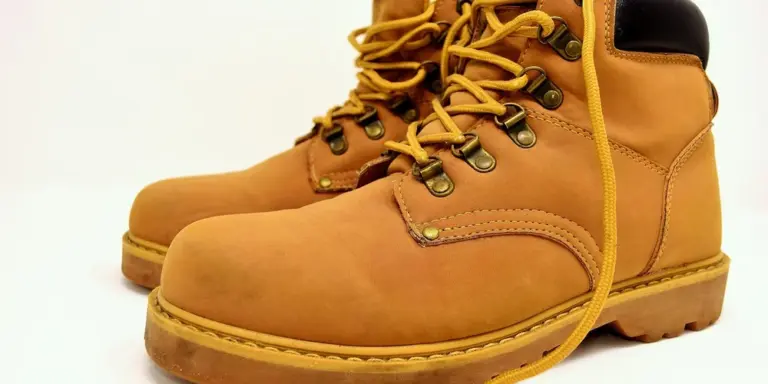
This is Red Wing’s signature. The leather feels supple and slightly waxy. When you bend it, the color lightens along the crease-that’s the “pull-up” effect from the oils and waxes.
This leather is thirsty; it’s designed to absorb conditioners to stay flexible and weather-resistant. Use the Kit #4 system or the All Natural Leather Conditioner. Apply it with your fingers, work it in thoroughly, and let it soak in overnight. It will darken initially, then lighten back to a rich patina.
Common mistake: Using a waxy paste meant for dress shoes. It will sit on top, creating a sticky, cloudy film instead of soaking in.
Smooth-Finished & Roughout Leather
Smooth leathers have a polished topcoat. Roughout is full-grain leather turned inside out, so the soft, napped suede side is on the outside.
For smooth leathers, you need a lighter, creamy conditioner or a wax-based protector from a kit like #6. Apply a thin layer with a soft cloth, buff it gently, and you’re done. The goal is to nourish without oversaturating and creating a greasy spot.
Roughout requires a different touch. Never use a standard oil or cream-it will mat the nap and stain it permanently. You use a dedicated suede cleaner and a waterproofing spray designed for napped leathers. It’s about protecting the surface, not feeding it from within.
Think of my jacket, June. She’s a smooth calfskin. I use a light cream conditioner on her. If I used the heavy oil from my work boots, she’d lose her elegant drape and feel stiff. Each piece gets what it uniquely needs.
What Daily Habits Keep Your Boots in Top Shape?
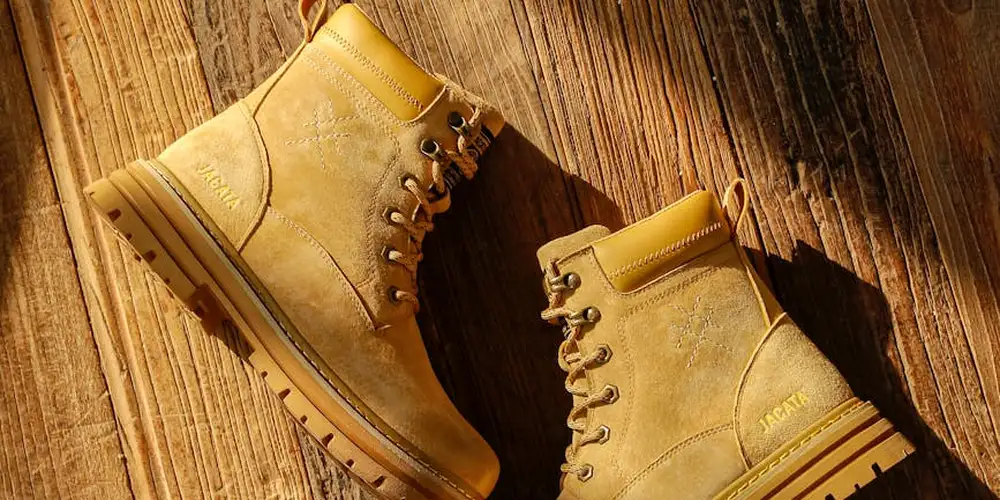
Think of your boots like a trusted companion. Small, consistent actions build up over years. I treat my June jacket with this same mindset. A little attention goes a long way.
The most powerful tool for boot care is a simple habit you can do in thirty seconds.
Brush Them Off, Every Single Time
When you take your boots off, grab a soft bristle brush. Give the entire boot a quick, firm brushing. Focus on the seams and the welt where dirt loves to hide.
This is not about a deep clean. It is like dusting a fine wood table. You are preventing abrasive grit from being ground into the leather grain with your next step. That grit acts like sandpaper, wearing down the finish and drying out the fibers.
I keep a brush right by the door for my own boots and for Mason’s saddle. It becomes second nature.
Store Them with Support
Where your boots rest matters as much as how you wear them. Never toss them in a heap.
- Use boot trees or rolled-up paper. This keeps the ankle and shaft from collapsing and creasing deeply.
- Pick a cool, dry spot away from radiators or sunny windows. Heat and dampness are leather’s enemies.
- Let them breathe. Avoid sealing them in plastic bags or tight boxes.
Proper storage maintains the boot’s structure. It stops moisture from lingering, which can lead to a musty smell or even mold. Scout, my wallet, stays in a drawer away from damp pockets for the same reason.
Act Fast on Spills and Stains
Life happens. You step in a puddle or walk through winter salt. The key is to act before the stain sets.
For fresh mud, let it dry completely. Trying to wipe wet mud just pushes it deeper. Once dry, use your brush to knock off the crust. For salt or light dirt, use a slightly damp cloth to wipe the area clean. Then, use a dry towel to blot away all moisture.
Always let your boots air dry at room temperature after any exposure to water, never by a direct heat source. Applying heat can bake the leather, making it brittle and prone to cracking. I have seen it happen, and it is a sad, permanent change.
Where Can You Find More Help from Red Wing?

You are not alone in caring for your boots. Red Wing has built a support system around their products. This shows their commitment to the long life of your gear.
Visit a Store for Hands-On Help
Walking into a Red Wing store is more than a shopping trip. Many locations offer care clinics or can provide a professional cleaning and conditioning service.
Their staff works with this leather every day. They can spot specific wear patterns, recommend the right type of conditioner for your boot’s leather, and show you techniques. It is like having a coach for your gear. This direct access to expertise is invaluable.
A professional assessment can catch small issues, like a slightly loose stitch, before they become big problems.
Tap Into Their Online Community
Red Wing’s website hosts detailed care guides and video tutorials. Beyond that, their user forums are a goldmine of shared experience.
Other boot owners post questions about squeaky soles, specific stain removal, or breaking in new pairs. The collective wisdom there is practical and tested. If you are troubleshooting a unique issue, someone has likely faced it before.
A Partnership in Longevity
This network of help is not an accident. Red Wing has been crafting boots for generations. They understand that their authority comes from standing by the product long after the sale.
By offering these resources, they invest in the relationship with you, the owner. It builds trust. You know the advice comes from a place of deep, hands-on experience, much like the tips I share from caring for Mason, June, and Scout over the years.
Common Questions
I own two different Red Wing boots. Do I really need two separate care kits?
Yes, if the leather types differ. Oily leathers (like Iron Rangers) need Kit #4 to replenish oils, while smooth leathers need the lighter, wax-based protectants in Kit #6 to avoid a greasy finish. Using the wrong kit can compromise the leather’s intended character and performance.
How often should I condition my boots with the All Natural Leather Conditioner?
Condition only when the leather feels dry and thirsty, typically every 3-6 months with regular wear. Over-conditioning is a real problem-it saturates the fibers, weakens them, and can cause the stitches to rot. Learn how often you should condition leather boots and the best application method. This helps you avoid both under- and over-conditioning.
What exactly happens at a Red Wing Care Clinic, and is it worth my time?
It’s a hands-on lesson where their technicians assess your specific boots and demonstrate the proper techniques on them. You leave with the correct method for your leather, which prevents the common mistakes of over-application and inadequate buffing.
Final Thoughts from the Workbench
Stick to Red Wing’s simple creed: clean your boots after heavy use and condition them before the leather dries out. This routine prevents cracks and lets a rich patina develop, telling the story of your adventures just like the deep chestnut glow on my old saddle Mason.
Caring for leather well is a practice in respect for the material and the craft behind it. Learn about responsible sourcing and hone your maintenance skills; this mindful approach extends the life of your boots and honors the journey from animal to artisan.
Related Guides and Information
- Red Wing Boots Care: How to Treat Red Wing Leather
- Red Wing Care Guide | Fat Buddha Store
- 4 Easy Steps to Care for your Red Wing Boots – Genius Clothing and Footwear Dublin
Harriet is a avid collector of leather goods such as purses, bags, seat covers, etc and has an extensive background in leather care, recovery, stain removal and restoration. She has worked for a number of years perfecting her leather care techniques and knows the ins and outs of restoring all kinds and types of leather products. With her first hand knowledge in leather care, you can not go wrong listening to her advice.
Boot and Shoe Care