Are Household Cleaners Ruining Your Leather? The Truth About Vinegar, Alcohol, and Soap
Published on: September 12, 2026 | Last Updated: September 12, 2026
Written By: Harriet Nicholson
Hello Tannery Talk. I see that spot on your bag or jacket and understand the pull to use what’s already in your cupboard, but common DIY fixes often cause the dryness and cracks you’re trying to avoid.
This article will explain the hidden risks behind quick solutions. We will cover why vinegar’s acidity burns leather, how alcohol robs it of moisture, what harsh soaps strip away, and the gentle, effective way to clean your items.
I’ve restored countless pieces like my saddle Mason and jacket June, so I know what keeps leather supple for years.
Why we grab what’s under the sink
You see a dark water spot on your bag. A smudge on your favorite jacket. The instinct is immediate: fix it now. You don’t want to wait for a special order or a trip to the store. The kitchen cabinet is right there. We’ve all done it.
I get it. A bottle of white vinegar or a spray of window cleaner seems like a smart, thrifty solution. It’s convenient and feels like you’re taking control. For a brief moment, it might even look like it worked.
This quick fix is a risky shortcut because leather isn’t a countertop or a window. What works on those sealed surfaces acts very differently on a porous, living material.
What leather really is (and why that matters)
Think of a fine piece of leather like your own skin. It breathes. It has pores. It needs moisture to stay supple. A plastic raincoat sheds water completely, but skin absorbs lotion. Leather is much more like skin.
During tanning, oils and waxes are worked into the fibers. These are its lifeblood. Finishes on top add a layer of protection, but they are not a permanent, impermeable seal. My old saddle, Mason, has a deep richness because for eight years, I’ve fed those fibers with conditioners that mimic its natural oils.
The single most important principle in leather care is this: leather absorbs what you apply to it, and that changes its structure forever. A proper leather conditioner sinks in to replenish. A harsh household chemical sinks in to destroy.
It strips away the essential oils and protective tannins. This leaves the fibers brittle and dry, like old paper. The damage might not show up for weeks, but the cracking and fading that follow started the moment that “quick clean” solution touched the surface.
The truth about vinegar, alcohol, and soap
Let’s look at what these common items actually do to leather. The science is simple, and the results are easy to spot.
Vinegar: The Acidic Stripper
Vinegar is an acid. Leather, especially vegetable-tanned leather, is slightly acidic too. But pure vinegar is far too strong. It works like a harsh stripping agent.
When you apply it, the acid attacks the protective topcoat and the natural oils within the leather fibers. It doesn’t clean so much as it scours. This leaves the fibers dry and unprotected.
Over time, this leads to a brittle, cardboard-like feel, as the leather’s natural moisture balance is destroyed.
Alcohol: The Harsh Solvent
Rubbing alcohol is designed to break things down and evaporate quickly. On leather, it acts as a powerful solvent. It doesn’t differentiate between a dirt stain and the dye that gives your leather its rich color.
I’ve seen jackets like June come in with bleached-looking patches from an alcohol wipe. The solvent pulls the color right out of the top layers. On smooth-finished leathers, this can look like permanent, blotchy fading.
Alcohol degrades dyes and finishes, often leaving a pale, distressed look that was never intended.
Dish Soap & Laundry Detergent: The Oil Thieves
These soaps contain surfactants. Their job is to grab onto oils and grease and wash them away with water. On your dishes, that’s perfect. On your leather, it’s a disaster.
Leather needs its natural and added oils to stay flexible. Surfactants strip away every oil they find-the dirt, the conditioner, and the leather’s own lipids. What’s left is parched, thirsty hide.
This total oil stripping is a direct path to cracks, especially in high-flex areas like the elbows of a jacket or the spine of a wallet.
This category includes other household hazards. Baby wipes often contain alcohol or mild surfactants. Furniture polish adds silicone-based shine that clogs pores and prevents proper conditioning later.
What about “natural” or DIY leather cleaner recipes?
I see recipes online that mix vinegar with olive oil or dish soap with lemon juice. The idea is to balance the harsh cleaner with a natural moisturizer. This rarely works.
These mixtures are inconsistent. You can’t control the pH or the strength. The harsh ingredient still damages the fibers before the oil can sink in. What works on one type of leather might ruin another.
Unpredictable mixing creates unpredictable, and often damaging, results on your specific piece.
Professional leather cleaners are pH-balanced and formulated to lift grime without attacking the leather’s essential structure. A homemade recipe can’t match that precision.
What does leather damage actually look like?
Damage from improper cleaning has a distinct look and feel. Trust your senses.
- Dull, Patchy Finish: The leather loses its luster. It looks tired and flat where the protective coating has been stripped.
- Faded or Blotchy Color: You might see lighter streaks or spots. The color becomes uneven, like denim faded only in strange places.
- Stiff, Dry Handfeel: The leather no longer feels supple. It feels rigid, dry, and can develop fine cracks (called “checking”) across the grain.
- White, Chalky Residue: Soap or minerals from hard water can dry into a powdery film on the surface.
On a small, dense item like Scout the wallet, this damage is often permanent. The leather is thin and handles constant friction. Once the surface is compromised, wear accelerates quickly.
Can you fix leather after a DIY cleaning mistake?
This is a common, anxious question. The answer depends on the depth of the damage.
If you catch it early-perhaps a single wipe with a soapy cloth-you can often mitigate it. Stop using the home remedy immediately. Gently blot any excess liquid with a clean, damp cloth. Let the piece dry fully at room temperature.
Mild surface dryness can sometimes be rescued with a generous application of a professional-grade, pH-balanced leather conditioner.
Work the conditioner in thoroughly with your fingers. The warmth helps it penetrate. Let it absorb for hours, even overnight, then buff off any excess. You may need two applications.
For severe damage like dye loss, deep bleaching, or cracking, the leather’s structure is compromised. Conditioner can help the surrounding area, but it won’t restore lost color or mend splits.
Severe damage like this often requires professional color matching and repair, or it must be accepted as a permanent change to the piece.
The best fix is always prevention. When in doubt, use the gentlest method: a dry, soft brush for dust, or a barely-damp microfiber cloth for fresh spills. Then, nourish the leather with products made just for it. I prevent my leather items from cracking and drying out by conditioning them regularly, so they stay supple and look their best.
How to clean any leather item safely
Forget the risky experiments. A safe, universal routine exists, and it works for everything from Mason the saddle to Scout the wallet.
This simple process is your reliable alternative to guessing with household products. It respects the material and prevents damage before it starts.
Follow these steps every time you clean.
- Find and check the care tag. If your item has one, this is your first clue. Manufacturers sometimes list specific dos and don’ts.
- Identify your leather type. Is it smooth like a jacket, fuzzy like suede, or velvety like nubuck? Your method changes based on the finish.
- Always test first. Pick a hidden spot, like an inside seam or the back of a strap. Apply your chosen cleaner with a cotton swab. Wait for it to dry completely. Check for color change or texture damage.
- Start with a dry clean. Use a soft bristle brush or a dry microfiber cloth. Gently brush away surface dust and dirt. This step alone prevents scratches during the next step.
For most light cleaning, a barely damp microfiber cloth is often enough. Wipe gently in one direction. Let the leather air dry completely away from direct heat. For more thorough care, including disinfection, follow reliable methods.
What should I use for a deeper clean?
When water is not enough, you need a dedicated leather cleaner. Look for one labeled as pH-balanced.
Leather has a natural pH, and a balanced cleaner won’t strip its essential oils like soap or vinegar can. These cleaners lift dirt without harsh chemicals. Keeping the pH balanced is key, so neutral cleaners are often recommended for leather care. This gentle approach helps preserve oils and finishes while lifting dirt.
For smooth leathers like my jacket June, apply a small amount of cleaner to a soft cloth. Work in small, circular motions over one area at a time. Wipe off any residue with a separate damp cloth and dry immediately. For a complete care routine, consider conditioning and restore the finish after cleaning leather or faux leather. If stains occur, you can follow up with targeted stain removal to keep the jacket looking its best.
For suede or nubuck, you must use a specialist cleaner and brush made for these delicate surfaces. Never use a wet cloth on suede, it will leave a permanent water mark. Use a dry suede brush or a special eraser block after applying a dry-cleaning product.
Cleaning always removes some natural oils. Conditioning after is not optional. Once your item is completely dry, apply a quality leather conditioner. This replenishes the oils you just cleaned away, keeping the leather supple and preventing cracks.
A common question is about white or light-colored leather. The process is the same, but be extra vigilant with your hidden spot test. Use a cleaner made for light leathers to avoid any yellowing or discoloration.
Can you machine wash leather? No. The agitation, heat, and detergents will destroy the fibers and finish. It will shrink, stiffen, and crack. Treat leather like the skin it is, not like a cotton t-shirt. Machine washing leather shoes and garments carries risks of damage. In the next steps, we’ll discuss safe alternatives and when to seek professional cleaning.
What to use instead of household cleaners
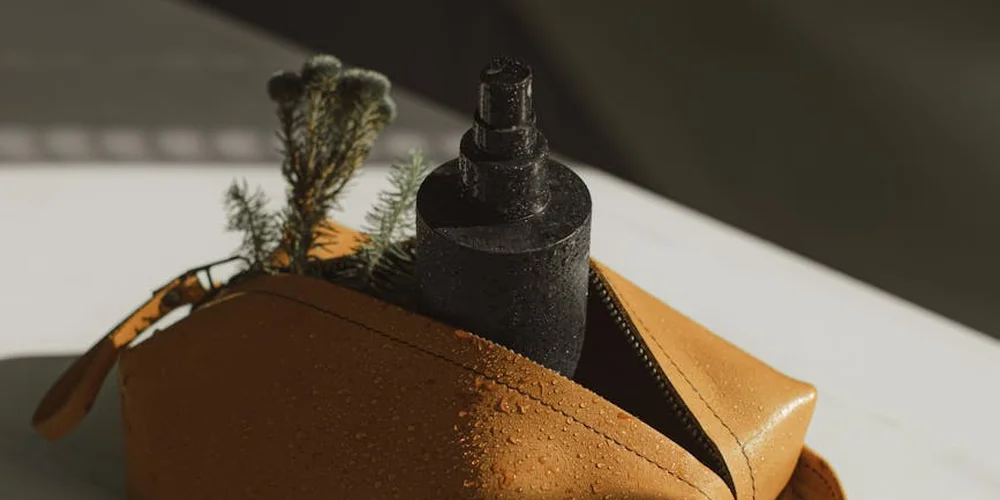
Now for the good part. Building a simple, proper leather care kit takes the fear out of cleaning. You will never need vinegar or dish soap again.
A minimal kit stops problems before they start, making drastic cleans unnecessary. Here is what you need.
- Soft Bristle Brushes: One with soft horsehair for smooth leather, one with a stiffer nylon brush for suede and dirtier items.
- Lint-Free Cloths: A stack of white microfiber or soft cotton cloths. Use different ones for applying cleaner, wiping residue, and applying conditioner to avoid cross-contamination.
- Dedicated Leather Cleaner: A pH-balanced formula for general use.
- Leather Conditioner: A product based on natural oils or lanolin to feed the leather after cleaning.
The magic is in the simple routine: clean, condition, protect. Clean when dirty, condition every 6-12 months, and use a protector spray for items exposed to rain or spills. This routine maintains the leather’s health so it never reaches a state that tempts you toward harsh fixes.
Proper care is not complex. It is consistent. This gentle, regular attention is what builds a beautiful, lasting patina you can be proud of.
Common Questions
Can I use saddle soap for all my leather items?
Saddle soap is formulated for rugged, oil-rich leathers like saddles and work boots. Using it on delicate or finished leathers like jackets or handbags can leave a heavy residue that clogs pores and dulls the surface. Understanding saddle soap leather care is key, as its application varies across different leather goods—boots, jackets, handbags, and even leather furniture. In the next steps, we’ll look at how saddle soap should be used for each type of item.
What’s the one thing I should never do to remove a stain?
Never scrub aggressively or use heat from a hairdryer. This drives the stain deeper and can permanently scar the leather’s surface by distorting the grain and fibers, making it harder to remove stubborn stains from leather later.
How often should I really condition my leather?
Condition every 6 to 12 months for items in regular use, and always after a deep clean. Judge by feel; if the leather starts to feel less supple than when new, it’s time for nourishment.
Are store-bought ‘leather wipes’ safe to use?
Use them with extreme caution and only as a last-minute spot treatment. Many contain alcohol or surfactants that can dry leather out, so they are no substitute for proper cleaning and conditioning.
Safe Care for Long-Lasting Leather
The safest rule is this: treat your leather like the skin it once was, and use products made for its unique nature. Harsh household items strip away its natural oils, leaving it dry, stiff, and vulnerable to damage.
Caring for your leather well is an act of respect for the material and the craft. Building your care skills not only preserves your favorite pieces but honors the tradition of making goods that last, supported by thoughtful sourcing.
Citations and Authoritative Sources
- How To Clean Leather WITHOUT Damaging It – Von Baer
- How to Clean, Condition and Protect Leather
- How to Clean Leather Like a Pro: 4 Easy Methods and Care Tips
- How to Clean Leather | Comprehensive Guide | Clean Bees Housekeeping
Harriet is a avid collector of leather goods such as purses, bags, seat covers, etc and has an extensive background in leather care, recovery, stain removal and restoration. She has worked for a number of years perfecting her leather care techniques and knows the ins and outs of restoring all kinds and types of leather products. With her first hand knowledge in leather care, you can not go wrong listening to her advice.
Understanding pH Balance in Cleaning