How Does Leather’s Tanning Past Guide Your Repair Present?
Published on: November 7, 2026 | Last Updated: November 7, 2026
Written By: Harriet Nicholson
Hello Tannery Talk. That moment of hesitation before a repair-wondering if your fix will last or change the leather’s feel-often starts with its hidden tanning story.
We will cover the slow craft of vegetable tanning, the efficient rise of chrome tanning, and the crucial repair adjustments each history demands.
My hands-on years with pieces like Mason’s saddle and June’s jacket have taught me to listen to what the tanning process whispers.
What is Leather Tanning and Why Does the Method Matter?
Leather tanning is a simple but powerful idea. It takes raw animal hide, which would rot and decay, and turns it into a durable, usable material. Think of it like pickling a cucumber to make a pickle. The process changes it forever, making it last.
The method used to tan the leather is its DNA. It decides how the leather will feel in your hands, how it ages over years, and exactly how you need to care for it. If you know the tanning method, you hold the key to keeping your leather looking its best. The leather tanning method determines how leather ages and what care it needs, based on the chemistry behind the processes. That chemistry also governs durability, so care should match the tanning method.
My wallet, Scout, is a perfect example. It’s vegetable-tanned. After three years of use, its dark brown color has deepened in a predictable, even way. When I apply a drop of oil, I know it will darken slightly then settle back, becoming richer. Its aging is a slow, reliable story written by its tanning.
Throughout history, a few core methods shaped everything. The main ones are vegetable tanning (using tree bark), mineral or chrome tanning (using salts), and very old methods like brain tanning or smoke tanning. Each one leaves a different fingerprint on the leather. These choices influence how the leather ages and what care it requires, as well as its environmental footprint. A comprehensive comparison of vegetable-tanned vs chrome-tanned leather—focusing on care and sustainability—will be explored next.
Ancient and Traditional Tanning: The Roots of Patina
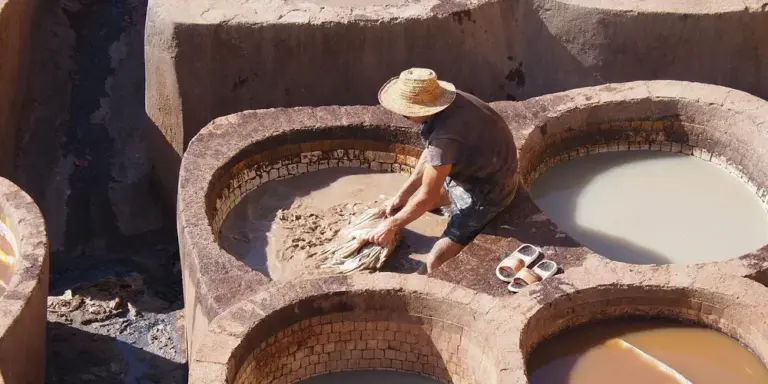
The earliest tanners worked with what nature provided. They rubbed hides with animal fats and oils to make them soft. They cured skins over smoky fires, which preserved them and added a rugged scent. But the real game-changer was vegetable tanning, using tannins from oak bark, leaves, and other plants.
This was a patient craft. Hides were soaked in pits or vats for months, sometimes years. That slow, natural process creates leather that is alive to its environment, developing a unique patina with every touch and year. The patina isn’t just wear; it’s a record of the leather’s life, much like the lines on a well-used face. Understanding how patina forms over time deepens appreciation for fine leather goods. Time, use, and care all shape its character.
This history is why your modern veg-tan bag or jacket behaves the way it does. When you apply oil, it darkens because the leather absorbs it deeply, just like it absorbed those tannins long ago. Sunlight speeds up this aging, gently coaxing out warmer tones.
Caring for vegetable-tanned leather is straightforward if you remember its roots. Here is a simple routine:
- Clean it first. Use a neutral leather cleaner and a soft brush. Gently work it into the surface to lift dirt without soaking the leather.
- Condition it. Apply a pH-balanced leather conditioner with a clean cloth. Use a small amount and rub it in evenly. For a piece like Scout, I do this once or twice a year.
- Let it dry. Air dry at room temperature for several hours. Avoid direct heat or intense sun during this step, as it can dry the leather out too fast.
- Check the feel. If the leather still feels dry or stiff after a day, you can apply a second, very light coat of conditioner.
A common mistake is using too much product, which can oversaturate the leather and leave it feeling greasy or looking blotchy. Always start with less. You can add more, but you can’t take it away. Test any new product on a small, hidden area first.
To make sense of it, think of caring for veg-tan leather like tending a wooden cutting board. Both are natural materials. Both need occasional oiling to stay supple and prevent cracking. And both, with proper care, become more beautiful and trusted with age.
The Medieval Tannery and the Craft of Strength
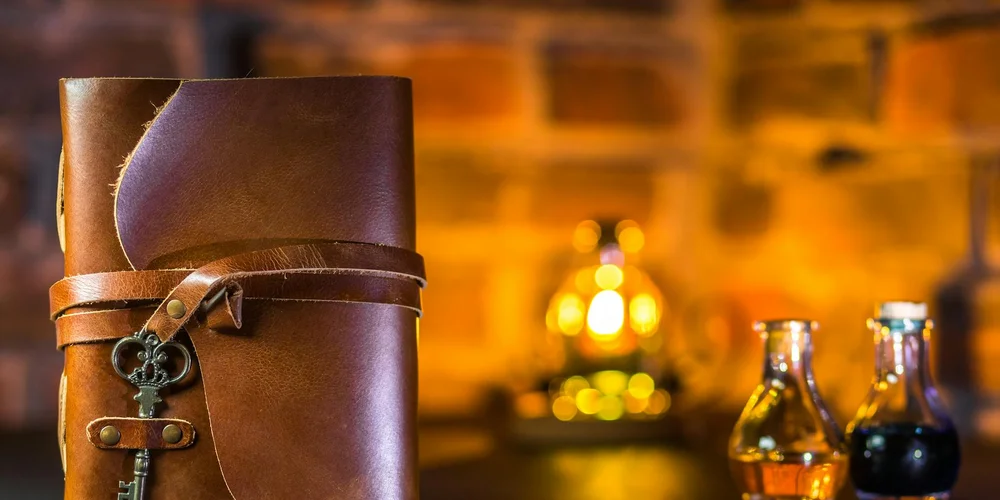
Imagine a pit in the ground, filled with oak bark and water. This was the start. A hide would be buried in that tannin-rich soup, then left. For a year. The process was slow, cold, and entirely natural. The tannins from the bark seeped into every fiber, bonding with the collagen. This method is called vegetable tanning.
Time was the secret ingredient. That year-long soak created a tight, dense structure. Think of it like a hardwood floor versus particle board. The leather became incredibly strong and naturally water-resistant. It could take a beating and last for generations. The scent of oak bark tannin was baked right in.
Repairing this kind of leather is a joy. Its density gives you something solid to work with. When I repair antique saddles or heavy bags made this way, I use techniques that match their strength. A saddle stitch with two needles and waxed thread locks into that dense grain. For patches, I skive the edges paper-thin so they blend seamlessly into the old hide. Burnishing the edges with gum tragacanth makes them hard and smooth, just like the original.
My old English saddle, Mason, is built on these principles. Its deep chestnut color comes from years of oil and sunlight on veg-tanned hide. When a strap needed replacing, I didn’t use a modern adhesive. I hand-stitched a new piece of harness leather into place. The repair feels like part of the original story.
The Industrial Leap: Chrome Tanning and Modern Leather
Everything changed in the 19th century. Chemists discovered that chromium salts could tan a hide in a single day. This was the birth of chrome tanning. It was fast, consistent, and produced leather that was soft and pliable right out of the vat.
The handfeel is completely different. Run your hand over a veg-tanned belt. It feels firm, waxy, and substantial. Now feel a modern sofa or a soft jacket. That’s chrome-tan. It’s supple, stretchy, and often has a uniform, painted-on surface finish called a topcoat.
Chrome-tanned leather is less forgiving when damaged because the repair must work with that delicate topcoat. The leather underneath scars easily and doesn’t hold traditional stitches as well. Your repair strategy shifts from structural to cosmetic. You’re often working on the surface.
For a small tear in a chrome-tan jacket, a heavy patch on the back would create a stiff, uncomfortable spot. Instead, I apply a flexible fabric backing and a color-matched adhesive from the inside. The goal is to stabilize the tear without changing the drape. Scuffs are trickier. You can’t just sand them out, or you’ll remove the color. You blend them with a carefully matched cream dye.
June, my calfskin jacket, is chrome-tanned. Its soft drape and even color are its charms. When the cuff frayed, a bulky stitch was out of the question. I used a thin, flexible leather glue and a tiny amount of edge paint. The repair is nearly invisible and lets the jacket move the way it always did. Conditioning is different, too. A heavy oil would saturate and darken it unevenly. I use a light, pH-balanced conditioner made for finished leathers to keep it supple without upsetting the topcoat.
How Tanning History Guides Your Cleaning and Conditioning
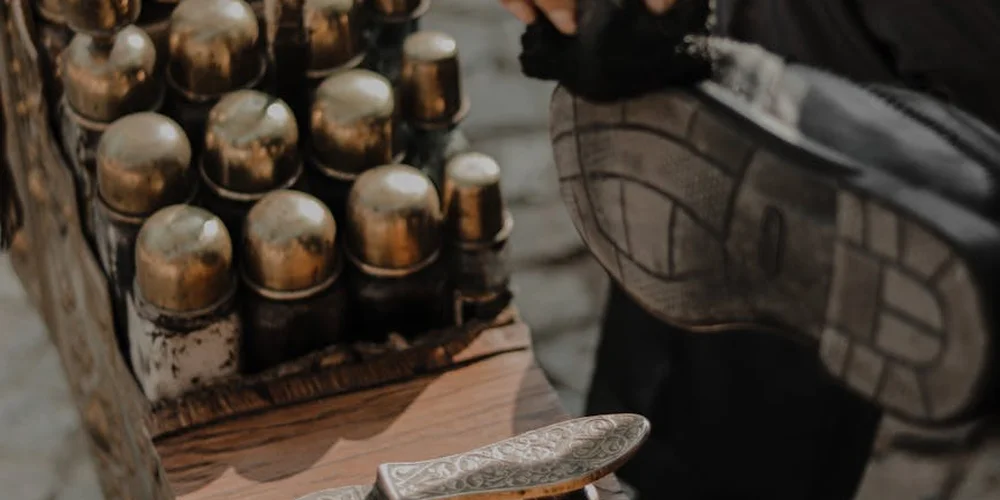
Old tanning methods are not just history. They are a manual for care today. To care for leather correctly, you first need to know how it was tanned.
How to Identify Your Leather’s Tanning Type
You can often tell by using your senses. Here is a simple guide.
- Look at the color. Vegetable-tanned leather starts with a warm, pale hue that deepens to rich browns and ambers over years. My saddle Mason is a perfect example. Chrome-tanned leather often has very consistent, sometimes vibrant colors.
- Feel the surface. Run your fingers over it. Veg-tan feels firm and dry at first. Chrome-tan feels softer and more supple from the start, like my jacket June.
- Take a sniff. Lean in close. Genuine veg-tan has a distinct, pleasant smell like wood or earth. Chrome-tan usually has a very mild, almost neutral scent.
- Check the edges and stitching. Hand-cut, burnished edges often point to veg-tan. Factory-finished, painted edges are common with chrome-tan.
Care Rules Based on Tanning Type
Once you know the type, the rules become clear.
Vegetable-tanned leather loves oils and waxes. The open pores from plant tannins soak up nourishment. Use a natural oil, like neatsfoot or a conditioning blend, followed by a light application of beeswax for protection. This is how I keep Scout’s wallet supple.
Chrome-tanned leather often needs specialized conditioners. Its tighter structure requires lighter, pH-balanced products that hydrate without leaving a greasy residue. A silicone-free leather lotion works well.
A Warning on Product Choice
Using the wrong product can alter your leather permanently. Applying a heavy wax to a soft, chrome-tan garment will make it stiff and lifeless. Over-oiling a delicate veg-tan item can darken it beyond recognition. Always match the product to the leather’s history, especially when choosing between wax-based and oil-based leather protectors.
Step-by-Step: Assessing an Unknown Leather Piece
When you find a piece without a label, follow this process before any treatment. It takes about 30 minutes.
- Find a hidden spot, like an inside seam or under a flap.
- Dampen a white cloth with distilled water and gently wipe the area. See if color transfers or if the leather darkens significantly.
- Let it air dry completely. Then, apply a tiny drop of a neutral, pH-balanced leather conditioner to the same spot.
- Watch how it absorbs. Veg-tan will drink it in quickly. Chrome-tan will absorb it slowly or leave a slight sheen on the surface.
- Feel the spot after 15 minutes. This test tells you everything you need to choose the right cleaner and conditioner for the whole piece.
Repairing with Respect for the Leather’s Past
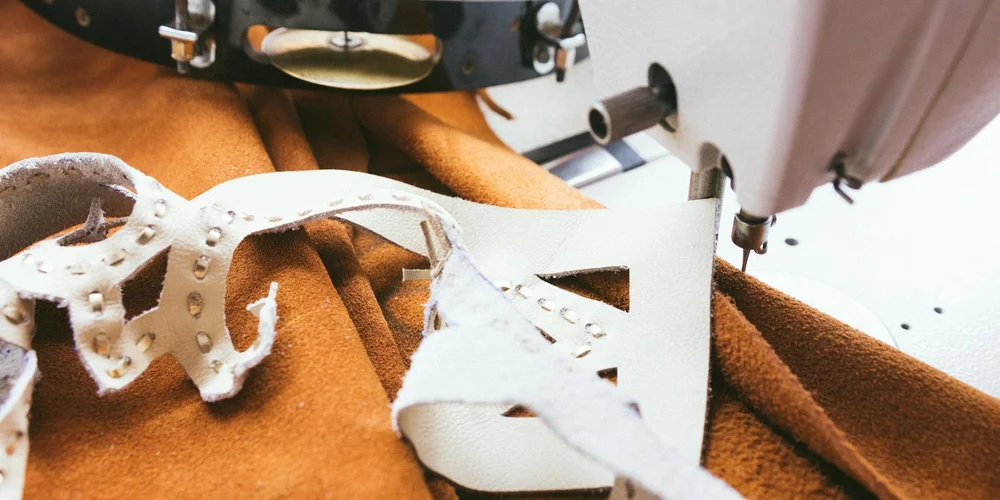
Repair is not just about fixing a break. It is about continuing a story that started at the tannery.
How History Informs Repair Choices
Traditional methods give us clues. Veg-tan, tanned slowly with tree bark, has a dense, fibrous structure. It handles hand-stitching and tooling beautifully. Modern chrome-tan is more uniform and flexible, so it often responds better to adhesives and patches. Your repair method should follow the leather’s inherent strength.
Matching Patina vs. Matching Color
With vegetable-tanned leather, you match the life, not just the shade. For a piece like Mason, patina matching means gently applying conditioner to blend new wear with old, allowing the story to show. You do not hide it.
With chrome-tanned leather, like June, the color is often a surface finish. Repair might involve carefully layering acrylic leather dyes to match the original hue, then sealing it. The goal is to make the repair invisible, preserving the garment’s designed look. This technique is quite similar to how one might restore and repair the color on a faded leather bag.
Choosing the Right Repair: Stitch or Patch?
The type of tear and the leather’s tanning decide the fix.
- A clean tear in sturdy veg-tan calls for a saddle stitch. This traditional method uses two needles and creates a lock stitch that is incredibly strong and flexible, moving with the leather.
- A large hole or a split in thin, chrome-tanned leather often needs a bonded patch. A fabric or leather patch is adhered with a flexible, water-based leather glue from behind. Stitching here might just tear the fragile edges more.
Listen to the leather. A firm pull-up effect means it can handle stitching. A very soft, spongy feel means adhesive support is better.
Preserving Character and Story
Understanding tanning lets you preserve what makes a piece special. Every repair on a well-loved item should honor its past, not erase it. The light crease on June’s shoulder or the dark honey patina on Scout’s edges-these are marks of a life lived. By choosing care and repair methods rooted in how the leather was made, you become a curator of that story, ensuring it lasts for years more.
Common Questions
Why is older vegetable-tanned leather often tougher than new?
Historical pit tanning took months, creating a denser fiber structure for superior strength. Modern veg-tan processes are faster, often resulting in a slightly softer temper from the start.
How often should I really condition my leather items?
For most items, once a year is sufficient; over-conditioning causes more damage than under-conditioning. Condition only when the leather feels stiff or dry, not on a rigid calendar schedule.
Can I re-dye chrome-tanned leather at home?
It’s very difficult to match the factory-applied topcoat, and amateur dye jobs often look patchy. For valuable items, seek a professional; for minor scuffs, use a high-quality color-matched cream.
Does water damage differ by tanning method?
Yes, water spots on veg-tan can often be evened out with conditioner as it absorbs, while on chrome-tan, they can stain the topcoat permanently. Always blot moisture immediately and air-dry away from heat.
Applying History to Your Leather Care
The most useful lesson from this history is a simple one. Always know what kind of leather you are working with before you try to fix or condition it.
Caring for leather well is a responsible practice. Learning these skills honors the material’s past and ensures your pieces, like my friend Mason the saddle, have a long and useful future. Exploring the best general methods for caring and treating leather items helps translate these values into daily habits. It keeps color, texture, and longevity intact.
Related Guides and Information
- Tanning (leather) – Wikipedia
- Maharam | Story | The History of Leather Tanning
- A Quick History Of The Leather Tanning Industry – Blackstock Leather
- History of Leather Tanning | Montana Leather Company
- History – The golden age of leather tanning – Shoegazing.com
Harriet is a avid collector of leather goods such as purses, bags, seat covers, etc and has an extensive background in leather care, recovery, stain removal and restoration. She has worked for a number of years perfecting her leather care techniques and knows the ins and outs of restoring all kinds and types of leather products. With her first hand knowledge in leather care, you can not go wrong listening to her advice.
Vegetable-tanned vs. Chrome-tanned Care