Vegetable-Tanned or Chrome-Tanned Leather: Which Suits Your Care and Sustainability Goals?
Published on: September 24, 2026 | Last Updated: September 24, 2026
Written By: Harriet Nicholson
Hello Tannery Talk. You might be looking at a new bag or an old belt, unsure if it’s veg-tanned or chrome-tanned and what that means for keeping it beautiful.
This guide will walk you through the key differences in how they are made, how they age and feel, the right way to care for each one, and the real story on their environmental impact.
I have conditioned and repaired both types for years, learning their secrets from my own well-worn pieces like Mason and June.
How Tanning Changes Everything: A Quick Primer
Think of a raw animal hide like a fresh strawberry. Leave it alone, and it will rot and fall apart. To keep it, you need to preserve it. Tanning does that for leather. It turns perishable rawhide into a durable, flexible material we can use.
The preservative used makes all the difference. There are two main paths.
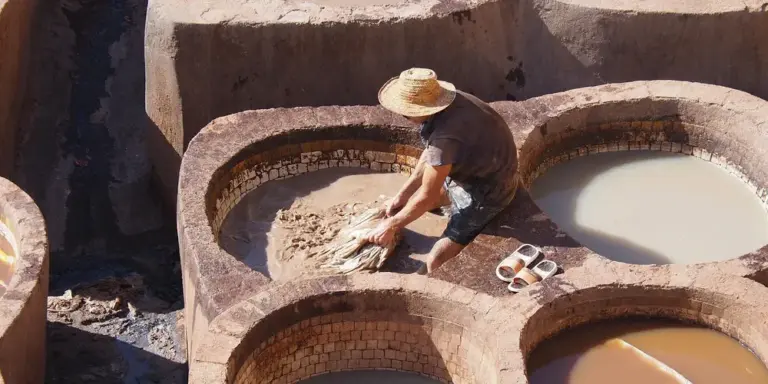
Vegetable tanning is the old way, using natural tannins from tree bark, leaves, and fruits. It is a slow, patient process that crafts leather which feels alive and responds to its environment.
Chrome tanning, developed in the 1800s, uses chromium salts for a much faster process. It creates leather that is soft, pliable, and consistently colored from the start.
This foundational choice is not just about how the leather looks in the shop. It decides how you will care for it, how it will feel in your hand, how it will age over decades, and what its environmental story is. The journey starts at the tannery.
The Durability and Patina Showdown
This is where your daily life with the leather begins. How will it wear? How will it change? The answer depends entirely on its tanning.
The Character of Vegetable-Tanned Leather
My old English saddle, Mason, is vegetable-tanned. When it was new, it was a stiff, pale tan color with a subtle, natural scent. It felt stiff, like a thick new belt.
Vegetable-tanned leather is famous for its patina, which is just a beautiful word for the story of its use. Every scratch, every touch of oil from your hands, every hour in the sun deepens its color and highlights its grain. Mason started as honey-brown and is now a deep, rich chestnut. My wallet, Scout, develops dark spots where I always hold it.
This leather does not hide its life. It celebrates it. The change can be dramatic and personal. Think of it like a favorite pair of raw denim jeans that fade and form to your body uniquely.
Initially, it needs your help. It can feel dry and is susceptible to water stains. You build its durability through care.
- Start with a light application of a natural conditioner, like a liquid oil or wax-based balm.
- Apply it evenly with a soft cloth and let it soak in for a few hours.
- Repeat this process once or twice a year, or whenever the leather feels dry to the touch.
A common mistake is over-oiling veg-tan leather quickly, which can darken it unevenly and make it soggy. Go slow. Let it absorb. The patience you show will be rewarded with an even, glowing patina.
The Consistency of Chrome-Tanned Leather
My leather jacket, June, is chrome-tanned calfskin. When I bought it, it was already soft, a uniform dark brown, and ready to wear. It had almost no noticeable smell.
Chrome-tanned leather is more water-resistant and colorfast from day one, thanks to its mineral-based tanning. A rain shower beads up on June’s surface. The color you buy is largely the color it stays. It feels broken-in immediately, like a soft, well-washed t-shirt compared to veg-tan’s stiff new jeans.
Its patina is different. Instead of darkening dramatically, it shows age through gentle creasing, a subtle softening of the surface, and a luxurious sheen from wear. The character is in the drape and feel, not a radical color shift.
Care focuses on preserving its finish.
- Clean it with a damp cloth or a gentle, pH-balanced leather cleaner.
- Condition it with a light, non-greasy cream to maintain flexibility without oversaturating the top coat.
- Avoid heavy oils, which can sit on top of the finish and create a sticky residue.
A simple fix for a scuff on chrome-tan is often just a gentle rub with a clean finger; the oils from your skin can sometimes blend the mark right in.
Long-Term Lifespan: A Tie With Proper Care
This is the most important point. Both types of leather can last a lifetime, or several, if you understand their needs.
Vegetable-tanned leather builds armor through patina and regular conditioning. Its natural fibers, strengthened by plant tannins, become more resilient as they are carefully nourished.
Chrome-tanned leather relies on its stable, pre-finished state. Its longevity comes from protecting that finish from abrasion and drying out, which can lead to cracking.
The risk for veg-tan is neglect, letting it dry out and become brittle. The risk for chrome-tan is harsh chemical cleaners that strip its protective layer. Avoid those mistakes, and either piece can become an heirloom. Mason, June, and Scout are all on that same long road, just walking it in different shoes.
The Environmental and Safety Conversation
Many people ask me if vegetable-tanned leather is automatically the greener choice. The answer is not a simple yes.
Is Vegetable-Tanned Leather More Environmentally Friendly?
Think of it this way: vegetable tanning uses natural materials like tree bark, which sounds gentle. But it uses a lot of water and the process is slow. Chrome tanning is very fast and uses less water, but it relies on man-made chemicals.
The real impact depends mostly on the tannery itself, not just the method. A small, modern tannery recycling water and managing waste responsibly can make chrome leather with a lighter footprint than a disorganized veg-tan operation.
End of Life: Breakdown vs. Breaking New Ground
This is where the difference is clear. A veg-tan piece, like my wallet Scout, is organic. If buried, it will break down like a fallen log, returning to the earth over years.
Chrome-tanned leather does not biodegrade easily because of the mineral salts. But it can be recycled. Chrome leather scraps are ground into a fibrous material used for things like car insulation or bonded leather goods.
Veg-tan returns to nature, chrome-tan finds new life through recycling.
The Importance of Responsible Sourcing
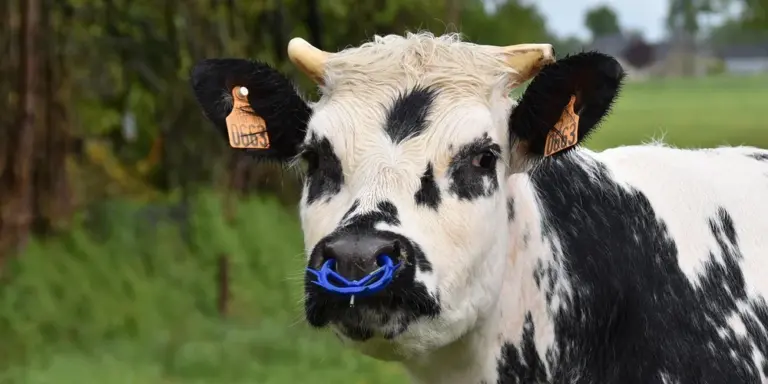
For both types, the leather’s story starts long before the tanning pits. I always advocate for asking where the hide came from and how the tannery operates.
- Was the leather a by-product of the meat industry?
- Does the tannery treat and clean its wastewater?
- Can they trace their raw materials?
Transparency is the true mark of a responsible leather, no matter the tanning method.
Are There Health Concerns With Chrome-Tanned Leather?
For you, the owner of a finished jacket or sofa, the risk is effectively zero. The chromium is locked into the leather matrix.
The finished goods you buy are perfectly safe to wear and use every day. My jacket June is chrome-tanned, and I’ve worn it for years without a second thought.
The health concerns are for tannery workers handling raw chemicals, not for consumers. Proper workshop safety-gloves, ventilation, masks-is critical there. For your care routine, just use gentle, pH-balanced cleaners and conditioners on any leather type.
Choosing Your Leather: Best Uses and Costs
Now, let’s match the leather to the job. Your choice should depend on what you want the piece to do and become.
Common Uses for Vegetable-Tanned Leather
Pick veg-tan when you need structure, durability, and that evolving character. It’s the leather of heirlooms.
- Belts and Watch Straps: It molds to your body and develops a personal shine.
- Saddles and Heavy Harnesses: Like my saddle Mason, it can take immense strain and form a deep, waxy patina.
- Tooling and Carving: Its firm, dry surface holds stamped designs perfectly.
- Structured Bags and Wallets: It holds its shape for decades, aging beautifully with scuffs and color changes.
Common Uses for Chrome-Tanned Leather
Choose chrome-tan when you need softness, flexibility, water resistance, or consistent color.
- Jackets, Gloves, and Apparel: It’s supple right away, draping and moving with you.
- Footwear (Linings and Uppers): It’s easy to break in and often more water-resistant.
- Upholstery and Car Interiors: It handles sunlight and wear well, with a huge range of colors and finishes.
- Soft-Sided Bags and Purses: It offers a luxurious, pliable handfeel without stiff structure.
Understanding the Cost Difference
Vegetable-tanned leather almost always costs more. Here’s why. The process takes weeks, sometimes months, in large vats. It’s a craft. Chrome tanning can be done in a day. It’s efficient. The higher price reflects craftsmanship, time, and material quality. Understanding these key factors behind high-priced leather goods helps explain the value.
You are paying for the extended time, skill, and natural materials of the veg-tan process. Chrome tanning’s speed and scale make it the affordable, consistent choice for many everyday items.
Matching Leather to Your Needs
Use this simple guide to decide.
- Do you want a piece that changes color and tells your story? Choose vegetable-tanned.
- Do you need something soft, water-resistant, and immediately comfortable? Choose chrome-tanned.
- Is your project about carving or heavy-duty structure? Choose vegetable-tanned.
- Are you looking for a wide color selection at a lower price point? Choose chrome-tanned.
Think about care, too. Veg-tan needs regular conditioning to avoid drying. Chrome-tan needs gentle cleaning to preserve its dye and finish. Choose the leather whose aging process and care routine fit your life.
Your Practical Care Guide for Each Leather Type

Now, let’s get your hands on the leather. The care for each type is different, but it’s simple once you know the goal. For veg-tan, you’re guiding a natural evolution. For chrome-tan, you’re preserving a finished state. These differences come from the tanning finishing processes used. In the following steps, we’ll tailor care to each method.
How to care for vegetable-tanned leather
Think of caring for veg-tan like tending to a wooden cutting board. You clean it gently, feed it with oil, and appreciate how it changes with use. My wallet, Scout, is a perfect example of this beautiful process.
Cleaning veg-tan leather requires a soft touch and very little water. Use a dedicated saddle soap or a mild, glycerin-based soap. Dampen a soft cloth with cool water, work it into the soap to create a light lather, and gently wipe the leather. Rinse your cloth thoroughly, wring it out completely so it’s only damp, and wipe off any soapy residue. Let the piece dry naturally, away from direct heat. These gentle methods set a baseline for caring for other leather items as well. For broader guidance on cleaning and disinfecting general leather goods, look to the upcoming steps.
Conditioning is where the magic happens. You will use oil-based products like neatsfoot oil, mink oil, or a dedicated leather conditioner. Apply a small amount to a clean cloth and rub it in using circular motions. The leather will drink it in and darken significantly-this is normal and part of the charm. Let it dry for a full day. If it still feels dry to the touch, you can apply a second light coat.
Protection is about managing expectations. A light application of a wax-based protector can help guard against water spots, but nothing will make it waterproof. The best protection is regular conditioning, which keeps the fibers supple and less prone to cracking. Embrace every scuff and stain as part of your item’s unique story.
How to care for chrome-tanned leather
Caring for chrome-tan is more like maintaining a high-quality painted surface. Your goal is to clean and condition without disrupting the topcoat. My jacket, June, gets this treatment to keep her color even and her surface smooth.
Cleaning chrome-tan leather starts with a product made for it. Use a pH-balanced leather cleaner. Spray it onto a soft microfiber cloth, not directly onto the leather. Wipe the surface gently to lift dirt and grime. For textured leather, a soft-bristled brush can help. Allow it to air dry completely before the next step. In the next section, we’ll highlight the best products and methods for cleaning leather to help you choose confidently. This will guide you toward the best fit for your leather.
Conditioning here is about nourishment without alteration. Use cream-based or lotion-type leather conditioners. These hydrate the leather without the heavy oils that can break down the protective topcoat or cause uneven darkening. Apply a thin layer with a cloth, let it absorb for 15-20 minutes, then buff off any excess with a clean, dry cloth.
Protection focuses on the finish. After conditioning, you can use a silicone or polymer-based leather protector spray. This creates a breathable barrier against spills and stains, helping to maintain the original look. Test any product on a small, hidden area first to ensure it doesn’t change the color or texture. The science behind these waterproofing treatments explains their longevity. Bonding with leather and forming a durable film help determine how long protection lasts.
Whether your leather is tanned with tree bark or minerals, consistent and thoughtful care is what truly determines its lifespan and beauty. The chemistry behind tanning—whether plant-based tannins, mineral salts, or synthetic agents—shapes how the leather holds oils and resists moisture. That means your conditioning and cleaning choices can affect durability in different ways depending on the tanning method. Don’t worry too much about getting it perfect every time. The simple act of cleaning off dirt and giving it a nourishing conditioner once or twice a year shows more love than any tanning method on its own. Just pay attention to how the leather responds, and you’ll learn exactly what it needs.
Quick Answers
Which type of leather requires more active care and maintenance?
Vegetable-tanned leather demands more attentive, preventive care to stay supple. Chrome-tanned leather needs less frequent but specific care focused on preserving its factory-applied finish. Understanding the science behind how conditioning oils and waxes penetrate the fibers can illuminate why these products protect the hide. This knowledge helps tailor care strategies that maintain suppleness and finish for different leathers.
Can I get my chrome-tanned leather to patina like vegetable-tanned leather?
No, the color-changing, darkening patina is unique to vegetable-tanned leather. Chrome-tan will develop a softer hand and subtle sheen, but its color will remain largely stable.
Is one type significantly better for rainy or humid environments?
Chrome-tanned leather has greater inherent water resistance. For either type, proper conditioning for veg-tan and a protectant spray for chrome-tan are your best defenses against moisture.
Why is new vegetable-tanned leather often so stiff?
That stiffness comes from the natural fibers and plant tannins binding tightly, which is what allows it to hold tooled designs and provide structure. It will soften predictably with use and correct conditioning.
Are there any special storage considerations for these leathers?
Always store both away from direct heat and intense sunlight. For long-term storage, ensure vegetable-tanned pieces are conditioned first to prevent them from drying out and becoming brittle.
Your Leather, Your Legacy
When it comes down to it, your care routine must start with knowing which tannage you own. Choose vegetable-tanned for its evolving character and eco-friendly roots, and select chrome-tanned for resilient, low-maintenance performance in damp or demanding conditions.
Proper care is the most direct way to honor the material and practice sustainability. Every time I condition my wallet Scout or buff a scuff on June’s jacket, I’m building a skill that keeps leather useful and out of the landfill for decades.
References & External Links
- Chrome Tanned Vs. Vegetable Tanned Leather, Explained
- Chrome vs Vegetable Tanned Leather – Carryology
- Chrome Tanned Leather Guide: Pros & Cons vs Vegetable Tanning – Von Baer
- Vegetable Tanned Leather VS Chrome Tanned Leather
- Vegetable-Tanned Leather vs. Chrome-Tanned Leather: The Honest Difference
Harriet is a avid collector of leather goods such as purses, bags, seat covers, etc and has an extensive background in leather care, recovery, stain removal and restoration. She has worked for a number of years perfecting her leather care techniques and knows the ins and outs of restoring all kinds and types of leather products. With her first hand knowledge in leather care, you can not go wrong listening to her advice.
Vegetable-tanned vs. Chrome-tanned Care