How Does Leather Conditioner Actually Work? Penetration vs. Protection Explained
Published on: September 21, 2026 | Last Updated: September 21, 2026
Written By: Harriet Nicholson
Hello Tannery Talk. You know conditioning is vital, but the mystery of how oils and waxes interact with leather can leave you guessing if you’re doing it right.
Let’s look at what happens inside the hide. We will cover how conditioner oils sink into leather fibers to prevent drying, the way waxes build a flexible shield on the surface, and why this two-part action is key for long-term care.
My advice comes from years of hands-on work, slowly feeding oils into my saddle Mason’s dry spots and buffing wax onto June’s jacket to see the results up close.
Why Does Leather Even Need Conditioning?
Think of leather as skin. Your own skin, after washing your hands a few times, starts to feel tight and dry. That’s because the soap strips away natural oils. Leather goes through a similar process during tanning and over years of use, losing the lipids that kept it supple when it was part of a living animal.
When those oils are gone, the leather fibers become brittle and start to pull apart. You’ll notice the change. The leather feels stiff, like cardboard. The rich color fades to a dull, pale version of itself. Then, you see the first sign of a crack, usually in a high-stress fold. My wallet, Scout, started to show a tiny crease like this before its first conditioning. It was a quiet warning.
The main goal of conditioning is not to add a glossy finish, but to replace those lost lipids deep within the leather’s structure, restoring flexibility and preventing the fibers from snapping.
Regular care spreads out the wear. It keeps the leather nourished so it can bend and flex without damage. My jacket, June, has soft creases at the elbows from wear, but no cracks. Those maintained folds tell the story of use, not neglect. Conditioning makes that possible.
Your Conditioning Action Plan
- Check if your leather needs it. Pinch a small, hidden area. If it feels stiff, dry, or the color looks dusty, it’s time.
- Always clean first with a neutral pH leather cleaner. Dirt blocks the pores.
- Apply a thin, even coat of a quality leather conditioner with a soft, lint-free cloth.
- Let it absorb fully. This can take a few hours to overnight. Buff lightly with a clean cloth if any residue remains.
How Leather is Built to Drink Up Care
Underneath the smooth surface, leather isn’t solid. It’s a dense, three-dimensional web of collagen fibers. We tanners call this the corium. Imagine the sturdiest, most absorbent kitchen sponge you’ve ever felt. That’s the structure we’re trying to feed.
This web is full of natural pathways. The old hair follicles and gaps between fiber bundles act like tiny straws, pulling oils and waxes inward. A common myth says you need to “close the pores.” Leather pores don’t open and close like a door; they are permanent channels, and our job is to keep them clear and nourished.
Think of water on two surfaces. On a plastic sheet, it beads up and rolls away. On a dense sponge, it soaks in immediately. A quality conditioner works like water on that sponge, penetrating the fiber network instead of just sitting on top.
Not all leather drinks at the same speed. Vegetable-tanned leather, like Mason my saddle is made from, is very thirsty and absorbs conditioner deeply. Chrome-tanned leather, used for many jackets and bags, has a tighter structure and absorbs more slowly. You apply less to a chrome-tan piece to avoid a greasy feel.
Common Mistake & Simple Fix
A common error is applying too much product too quickly, which leads to a sticky, saturated surface that attracts dirt. The leather can’t absorb it all at once. The fix is simple: use less. Apply a coin-sized amount for a large bag, rub it in thoroughly, and wait. If the leather still feels dry the next day, you can apply a second, even thinner coat. Patience always wins, especially when you clean, condition, and protect a leather bag over time.
The Inner Workings of Oils and Waxes
Think of your favorite leather piece. Its feel and strength come from a network of collagen fibers, like tiny ropes braided together. Over time, these fibers lose their natural lubricants. Conditioning replenishes them. The ingredients matter.
Common conditioners use oils and waxes from nature.
- Lanolin comes from sheep’s wool. It’s very similar to the fats found in skin, making it a superb, gentle moisturizer for leather.
- Mink Oil is a classic. It penetrates deeply and has a slight water-repellent quality from the animal’s natural oils.
- Coconut Oil is a modern favorite. It’s a lightweight, fast-absorbing oil that doesn’t leave a heavy residue.
- Beeswax is different. It’s not an oil. It’s a wax that forms a physical shield on the leather’s surface.
Here’s how they work together. Oil molecules are small and slippery. When you apply them, they seep down between the leather fibers. This lubricates each fiber, reducing friction that causes cracks, and causes the fibers to swell slightly, which tightens up the grain and makes the leather feel supple again.
Wax molecules are much larger. They can’t penetrate deeply. Instead, they coat the very top surface of the leather. As they dry, they harden into a thin, flexible film.
This wax film acts as a sacrificial barrier, taking the brunt of scratches, water droplets, and salt stains so the leather beneath doesn’t have to.
Used together, they are a powerful team. The oil works from the inside to keep the fibers from drying out and becoming brittle. The wax works from the outside to seal that moisture in and block new threats from getting in. This one-two punch is what prevents the dry, stiff feeling that leads to permanent cracks.
Penetrating Oil Versus Protective Wax: Picking Your Tool
Knowing the difference between oil and wax changes how you care for your gear. It’s the difference between feeding it and armoring it.
Use a penetrating oil when your leather feels dry, stiff, or thirsty. It is food for the hide. Use a protective wax when your leather faces the elements-rain, snow, mud, or constant scuffing. It is a raincoat for the hide.
Your choice depends on the leather and its job.
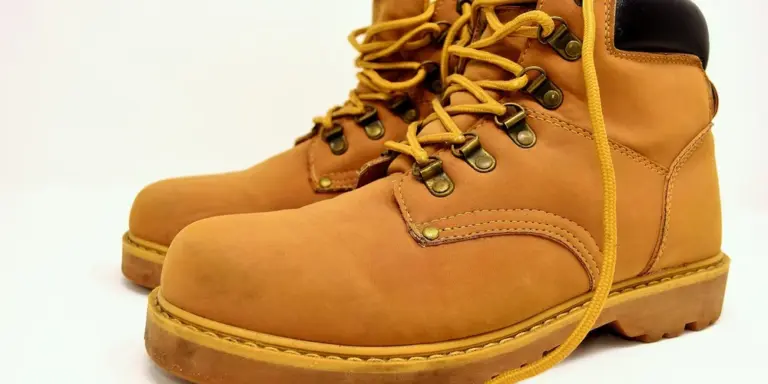
For a dry, rugged work boot, you need both. Start with a generous application of oil. Rub it in thoroughly and let it absorb for a full day. This nourishes the deep fibers stressed by work. The next day, apply a firm layer of wax paste, buffing it in with a cloth until the leather develops a slight sheen. This creates the armor.
For a delicate calfskin handbag, you likely only need a light oil. A heavy wax would stiffen the soft leather and obscure its beautiful grain. Apply a thin coat of light conditioner with your fingers, let it absorb for an hour, and gently buff off any excess.
Waxes are your specialist for specific threats. Their water-repellent barrier causes water to bead up and roll off. This same barrier makes it harder for salt from winter roads to penetrate and burn the leather. Some waxes also contain pigments or blockers that reduce fading from the sun’s UV rays.
Take Mason, my old English saddle. He lives outdoors and faces sweat, rain, and friction. He gets a heavy oil treatment at the start of each season to keep his core supple. Then, he gets a thick coat of wax every few weeks. This wax layer is what you see taking the scratches and stains. It wears away so the rich chestnut leather underneath doesn’t have to. When the wax looks patchy, I just add more. It’s simple, durable care.
The Right Way to Feed Your Leather
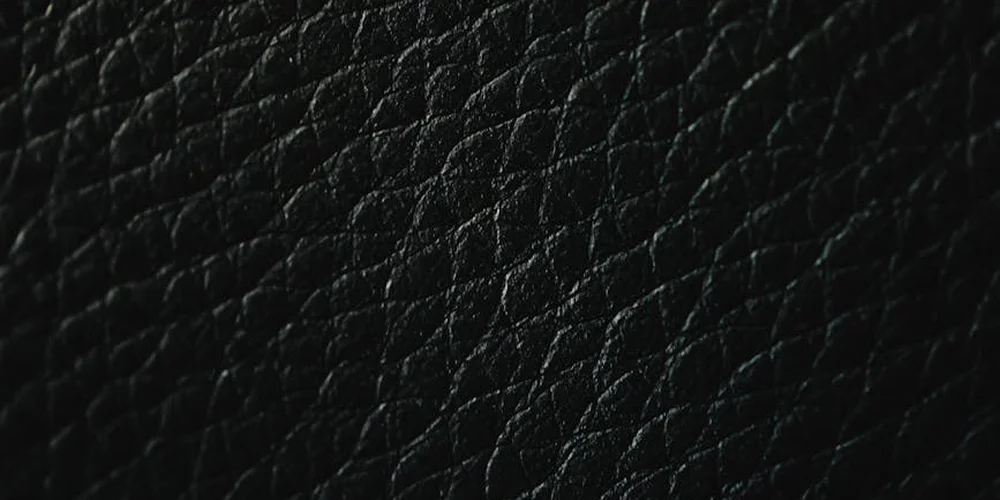
Think of conditioning like watering a plant. You give it a good drink, then let it absorb everything. You don’t keep pouring until it’s drowning. This process is simple, but patience is your best tool.
The Step by Step Method
- Clean First. Always start with a clean surface. Use a soft brush or damp cloth with a neutral leather cleaner. Dirt acts like sandpaper, grinding into the grain when you massage conditioner in.
- Apply Sparingly. Put a small amount of your pH-balanced leather conditioner on a soft, lint-free cloth. For a jacket like June, a dime-sized amount for the whole back panel is plenty. It is far easier to add more later than to remove excess.
- Massage It In. Work the conditioner into the leather using small, circular motions. Cover the entire surface evenly. You should feel the leather begin to warm up and accept the nourishment.
- Let It Rest. This is the non-negotiable part. Walk away. Let the piece sit in a cool, dry place for 4 to 8 hours, or overnight. This lets the oils and waxes travel deep into the fiber network.
- Buff Gently. After the rest period, take a fresh, dry cloth and gently buff the surface. This removes any residue and brings up a soft, natural glow.
You will know you’ve done it right by the feel. Leather that has drunk its fill feels supple, strong, and slightly warm to the touch. It has a subtle glow, not a shiny film. Soggy, over-conditioned leather feels cool, damp, and limp, like a sponge that can’t hold more water.
How to Test If It’s Had Enough
Use the pinch test. Gently pinch a fold or seam (like on the cuff of your jacket or the edge of a bag). Well-conditioned leather will feel plump and resilient, springing back slowly. If it feels stiff or crackly, it might need a drink. If it feels mushy or leaves a slight oily mark on your fingers, it’s had too much.
When Should You Do This?
Forget a rigid calendar. Your leather’s needs depend on its life. My saddle Mason gets conditioned twice a year before and after the heavy riding season. My daily wallet Scout gets a tiny touch-up every 9 months. Dry, heated indoor air in winter or constant sun in summer means conditioning more often. A damp climate means doing it less. Let the leather tell you.
Conditioning is about reading your leather’s needs, not following a date on a calendar.
Can You Over-Condition and Hurt Your Leather?
Yes, absolutely. More is not better. I see this often with well-meaning owners who think they are giving their bag or boots a treat. Over-conditioning creates problems that are tricky to fix.
The Consequences of Too Much Love
- A Tacky, Clogged Feel: The leather’s pores and fibers get jammed with oils and waxes. This creates a surface that feels sticky and attracts dust and dirt like a magnet.
- Loss of Patina and Breathability: The leather becomes over-saturated. This can darken it unevenly and give it a dull, flat appearance. That beautiful, evolving patina from honest wear gets sealed under a layer of gunk. The leather can also lose its ability to breathe, trapping moisture inside.
- Risk of Mold and Rot: In a worst-case scenario, trapped moisture and organic oils in a dark closet can promote mold growth on or inside the leather, especially with animal-based conditioners.
Think of it like this: a lightly oiled wooden cutting board is protected and beautiful. One dunked in oil is a greasy, soggy mess that will spoil your food.
Don’t Panic: Here’s the Fix
If your piece feels heavy, oily, or looks unnaturally dark, you can reset it. Do not add more conditioner.
- Gently clean the entire piece with a quality saddle soap or leather cleaner. This will help lift and remove the excess oils from the surface.
- Wipe it clean with a damp cloth and let it dry completely. This is critical. Let it rest for a full week or two in a well-ventilated space.
- After this long rest, do the pinch test. The leather will likely have absorbed the excess from the surface into deeper layers. It should feel better. Only consider a tiny, tiny amount of conditioner if it now feels dry.
Conditioning is routine maintenance to prevent damage, not an emergency treatment to repair it.
For leather that is already cracked, brittle, or moldy, conditioning alone won’t save it. It needs professional repair. Regular, moderate care prevents ever getting to that point. Your goal is to support the leather’s natural strength, not drown it. Professional repair stops peeling and cracking from worsening, helping prevent future damage. It also helps maintain the leather’s overall durability.
Common Questions
How does conditioning protect leather from environmental damage?
It’s a two-part defense. Oils keep the fibers supple so they don’t dry and crack from low humidity or heat, while waxes form a shield on the surface to repel water, block UV rays, and resist salt and dirt.
What is the real difference between penetrating oils and surface waxes?
Oils are food for the hide, soaking in to lubricate the fibers. Waxes are armor, creating a sacrificial barrier on top that takes the scratches and stains instead of the leather. They differ from synthetic sealants used for waterproofing.
Why is “regular” conditioning non-negotiable for preservation?
Leather constantly loses its natural oils through use and exposure. Regular, light replenishment prevents the cumulative damage of drying, which is much harder to reverse than to prevent. This helps prevent your leather items from cracking and drying out. With proper care, you can keep leather supple and resilient over time.
Can over-conditioning damage leather, and what’s the main risk?
Yes, it can permanently clog the leather’s pores and fibers. This creates a sticky surface that attracts grime and can suffocate the leather, trapping moisture and potentially leading to mold.
Final Thoughts on Leather Conditioning
Think of leather conditioner as regular nourishment, not a one-time fix. The single best thing you can do is apply a quality conditioner to clean, dry leather in thin, even layers, letting each soak in fully before judging the result.
Caring for leather well is a direct choice for sustainability, as a conditioned and repaired piece lasts for generations. Your ongoing attention is what transforms a simple object into a lasting companion, honoring the material and the craft behind it. Considering the best general methods for caring and treating leather items can help you choose the right approach for your pieces. This sets the stage for practical guidance you’ll explore next.
Sources and Additional Information
- Does a Leather Conditioner Actually Penetrate? – Ask a Pro Blog
- Does a Leather Conditioner Actually Penetrate? – Ask a Pro Detailer
- 8 Best Leather Conditioners to Protect Your Motorcycle Jacket
- Absorbine Leather Therapy Leather Restorer & Conditioner
- Do I need leather conditioner or coating protector? | Auto Geek …
Harriet is a avid collector of leather goods such as purses, bags, seat covers, etc and has an extensive background in leather care, recovery, stain removal and restoration. She has worked for a number of years perfecting her leather care techniques and knows the ins and outs of restoring all kinds and types of leather products. With her first hand knowledge in leather care, you can not go wrong listening to her advice.
Applying Oils, Creams, and Waxes