Mink Oil, Beeswax, or Synthetic Conditioner: How to Pick for Your Leather Gear
Published on: September 18, 2026 | Last Updated: September 18, 2026
Written By: Harriet Nicholson
Hello Tannery Talk. That moment of doubt before conditioning your leather-will it darken too much, or not protect enough? I hear you, and I’ve been there with my own pieces.
We will cover what each conditioner actually does to leather’s fibers, the best match for your item’s use and type, and how to apply them without guesswork.
My guidance comes from hands-on experience conditioning and caring for leather, from Mason’s hard-worn saddle to Scout’s everyday wallet.
How Do Mink Oil, Beeswax, and Synthetic Conditioners Actually Work?
Conditioning leather is like moisturizing your skin. Daily use and time slowly pull out the natural oils. This leaves the material dry, stiff, and likely to crack. Your job is to replenish what’s lost with the right conditioning oil.
Each product has a different way of doing this. Mink oil is a rich, penetrating fat. It soaks deep into the leather fibers, like a heavy balm for parched hands. Beeswax is a protective, malleable sealant. It forms a flexible shield on the surface, blocking rain and scuffs. Synthetic conditioners are engineered blends. They are made in a lab for specific results, like keeping colors bright or drying quickly. This is where longevity matters for leather. So which option—mink oil, beeswax, or synthetic conditioners—best supports leather longevity?
The core difference is their base ingredient and primary action: mink oil nourishes from within, beeswax seals from the outside, and synthetic products maintain with precise control.
This short list shows their basic profiles:
| Conditioner | Origin | Consistency | Primary Goal |
|---|---|---|---|
| Mink Oil | Animal fat | Thick, greasy, oily | Deep nourishment and softening |
| Beeswax | Natural wax | Firm paste, softens with heat | Surface protection and water resistance |
| Synthetic | Laboratory-made | Often a light cream or lotion | Predictable maintenance with minimal change |
Pairing Your Leather with Its Perfect Conditioner
Follow one golden rule: the leather type chooses the product. Conditioning is not one-size-fits-all. Picking wrong can darken colors unevenly or leave a sticky residue.
Mink oil fits thick, oil-tanned, or rugged leathers that need deep softening. Think of my saddle, Mason. Its thick hide absorbs the oil to stay flexible for riding. Use it on work boots, hiking gear, or tool belts. Avoid mink oil on delicate aniline leather or suede. It will darken them dramatically and can clog suede’s soft nap.
Beeswax is the guardian for leather facing the elements. I treat June, my jacket, with it before wet weather. It adds water resistance while letting the leather breathe. It is ideal for boots, outdoor belts, and any jacket. Beeswax is less ideal for soft, garment-weight leathers. It can make them too stiff, losing their drape and comfortable feel.
Synthetic conditioners are the careful custodians for finished, dyed, or sensitive leathers. They are perfect for handbags, dress shoes, and wallets like Scout. These products are made to preserve the original color and provide a clean, non-greasy finish. They work without the risk of major darkening.
Use this table as a quick guide for common items:
| Leather Good | Best Conditioner Type | Key Reason |
|---|---|---|
| Work Boots, Saddles (like Mason) | Mink Oil | Penetrates deeply to soften and weatherproof rugged hides |
| Jackets, Outdoor Boots (like June) | Beeswax | Creates a flexible, water-repellent barrier |
| Handbags, Dress Shoes, Wallets (like Scout) | Synthetic Conditioner | Preserves dye, offers predictable results, non-greasy |
| Delicate Aniline Leather | Synthetic Conditioner | Minimizes color change, gentle on porous finishes |
| Suede or Nubuck | Avoid Oils/Waxes; Use Special Sprays | Oils and waxes will mat the surface; use conditioners made for napped leather |
What Happens to Your Leather’s Look and Feel?
Mink oil creates a warm, dark patina. The handfeel becomes supremely soft and pliable. When Mason drinks it in, the leather feels revived and supple. Be aware it can over-darken, especially on light-colored pieces. If you apply too much or store the item in heat, the oil can turn rancid over years. Apply a thin coat, wipe off the excess, and let it dry fully for a day.
Beeswax gives a subtle, matte finish. It adds a protective layer that can feel stiff at first. On June’s jacket, it feels firmer for a day before relaxing with movement. This is different from mink oil’s deep soak. Beeswax adds a layer that can stiffen, but applying it correctly-rubbing in a very thin coat and buffing it well-avoids creating a hard, shell-like coating. Warm the wax between your fingers to help it spread evenly.
Synthetic conditioners are designed for predictability. Most cause minimal color change and leave a non-greasy, clean feel. Scout’s wallet keeps its exact shade and doesn’t transfer oils. Some synthetic blends may not nourish the leather as deeply as natural oils over many decades. They excel at maintaining good condition but might not revive leather that is already severely dry and cracked.
Weighing Protection, Water Resistance, and Long-Term Care
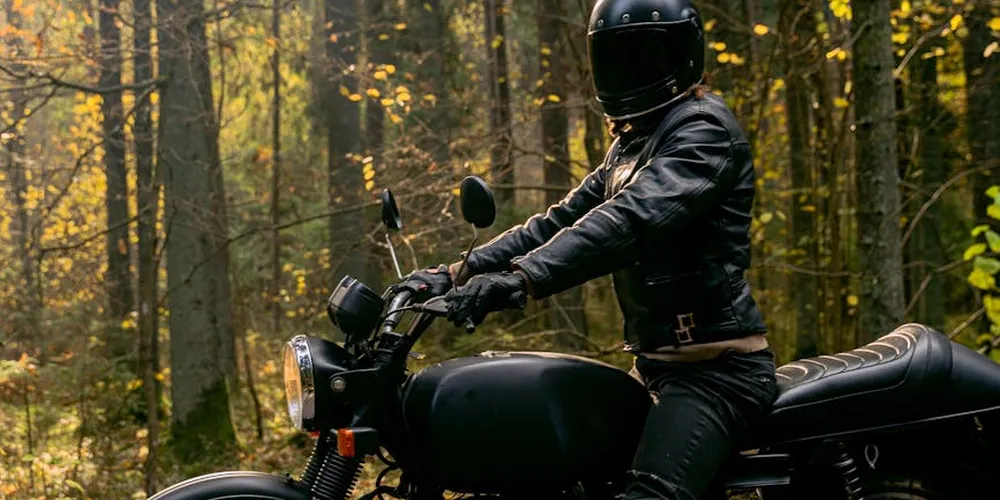
Let’s get straight to a common worry. How do you keep your gear safe from the rain? The answer depends on the product.
Water Resistance Face-Off
Think of beeswax like a thick, durable raincoat for your leather. It sits on the surface and creates an excellent water-repellent barrier. My jacket June gets a light beeswax treatment before winter for this exact reason. It beads up light rain beautifully. That same approach helps protect leather sheepskin from rain water damage, keeping it supple and longer-lasting. A light protective layer can help both materials shed moisture efficiently.
Mink oil soaks in deep to condition and offers some water resistance from within. It’s more like a heavy moisturizer that also repels water. This protection can wash out over time or with heavy exposure, so it’s not a permanent shield.
Synthetic conditioners are a mixed bag. Some are designed specifically for waterproofing, while others focus purely on conditioning. You must check the label. A good synthetic waterproofer can rival beeswax without darkening the leather as much.
Preventing Dryness and Cracks
For long-term health, the goal is to keep the leather’s fibers supple. A bone-dry leather jacket is a cracked leather jacket waiting to happen.
Mink oil is a champion at this. It penetrates deeply to nourish the fibers from the inside out. Synthetic conditioners with lanolin or other emulsifiers are also very effective at preventing dryness. For leather that’s already stiff and neglected, a generous application of a quality oil or a rich cream-based synthetic conditioner is your best first step to rescue it.
Beeswax is a great protector, but it’s not the deepest conditioner. It can sometimes sit on top of very dry leather without fixing the core issue. For long-term care, I often use a conditioner first, then a light wax on top for items that face the elements, like Mason’s saddle. This approach is especially useful when you are unsure whether to use a leather conditioner or waterproofing spray.
Here is a simple guide to how often you might need to reapply each under normal, regular use.
| Product Type | Typical Reapplication Frequency | Good For Gear Like… |
|---|---|---|
| Mink Oil | Every 3-6 months | Work boots, saddles, heavy belts |
| Beeswax | Every 6-12 months | Jackets, outdoor bags, boot uppers |
| Synthetic Conditioner | Every 6-12 months | Furniture, dress shoes, wallets, colored leather |
Chasing a single “best” product is less effective than sticking with a consistent care routine. The right product for your specific piece, applied regularly, will always win.
How and How Often to Apply Each Conditioner
Application is where good intentions can go wrong. The right technique makes all the difference.
The Universal First Step
Never condition dirty leather. You’ll just rub grit and oils into the pores. Always start with a gentle clean.
- Use a soft brush or damp cloth to remove surface dirt.
- Apply a neutral leather cleaner or saddle soap with a damp sponge.
- Wipe away all residue with a clean, damp cloth.
- Let the leather dry completely. This can take a few hours.
This clean, dry surface is your canvas. It ensures the conditioner can work properly.
Technique for Each Type
Now for the main event. Remember, less is more. You can always add a second light coat later.
For Mink Oil & Liquid Conditioners:
- Apply a few drops to a soft, lint-free cloth.
- Rub a thin, even coat into the leather, following the direction of the grain.
- Let it soak in for 15-20 minutes. Buff off any excess with a clean part of the cloth.
- The leather should feel nourished, not greasy.
For Beeswax & Pastes:
- Use your fingers or a cloth to pick up a small amount.
- Rub it onto the leather using small, firm circles. The friction helps melt and work the wax into the surface.
- Let it sit for 5-10 minutes, then buff vigorously with a clean cloth to a soft sheen.
For Synthetic Creams & Lotions:
- These are usually the most straightforward. Apply a dab to a cloth.
- Spread it evenly in one direction, following the grain, for a uniform finish.
- Buff lightly after a few minutes.
A Schedule Based on Life, Not a Calendar
Your leather tells you when it needs care. Look for stiffness, fading color, or a dry feel. Here is how I treat my own pieces:
- Mason’s Saddle (Mink Oil): He gets a thorough conditioning at the start of each riding season and a light touch-up mid-season if he’s seen a lot of sweat and sun.
- June’s Jacket (Beeswax): A light wax application before winter storage. If it’s a very wet year, I might re-wax the shoulders and collar.
- Scout’s Wallet (Synthetic Cream): A tiny dab rubbed in once a year, usually when I notice the edges looking a bit pale.
Gear you use every day in tough conditions needs care more often than something sitting on a shelf. Let use be your guide.
The Non-Negotiable Final Step
Always do a spot test first. Apply a small amount of product to a hidden area, like an inside seam or the back of a strap.
Wait 24 hours. Check for any unwanted darkening, sticky residue, or damage to the finish. This simple step saves heartache, especially with dyed or brightly finished leathers. If anything looks wrong, try a different product.
Your Simple Guide to Making the Final Choice

Choosing a conditioner can feel overwhelming. I get it. You want to protect your gear, not ruin it. Instead of getting lost in product labels, I ask myself three simple questions. This framework works for everything from a new belt to an old briefcase.
1. What is the Item and Its Leather Type?
Think of this as your leather’s personality. Is it tough and thirsty, or delicate and refined?
A thick, porous leather like a work boot or a saddle soaks up oil and needs deep nourishment to stay flexible and resist cracking.
My English saddle, Mason, is a perfect example. His full-grain leather is dense and dry. He needs a conditioner that can penetrate deeply to replace the natural oils that years of sweat and sun have pulled out. A surface treatment alone would leave the core brittle.
For thinner, more finished leathers like a dress shoe or a delicate bag, a heavy oil can oversaturate and damage the surface finish or stitching.
My calfskin jacket, June, has a beautiful but delicate aniline finish. Her leather is thinner and the grain is more subtle. She needs a lighter touch, something that protects without clogging her pores or making her feel greasy.
2. What Conditions Does It Face?
This is about your leather’s job. Is it a daily warrior or a weekend specialist?
For gear that battles constant moisture, mud, or salt, you need a conditioner that creates a robust, water-repellent barrier.
Think of hiking boots in the rain or work gloves. They need a shield. A product that sits more on the surface and actively blocks water is key here. You’re looking for protection first, conditioning second.
Items facing regular sun exposure and dry air need conditioners with built-in UV inhibitors to prevent fading and premature drying.
Leather left in a car or by a sunny window dries out and bleaches fast. My old car’s steering wheel taught me this. The conditioner must fight that specific, relentless enemy.
3. Do You Want to Darken It or Preserve Its Current Color?
This is the aesthetic choice. Some conditioners change leather, others aim to protect it as-is.
Natural oils and waxes will almost always darken leather and enhance its patina, adding rich, deep character over time. They’re especially effective if you’re looking to darken the color of your cognac leather items.
My wallet, Scout, started a light tan. Regular applications of a natural conditioner have slowly, evenly darkened him to a rich chocolate brown. I love this evolution. It’s part of his story.
If you want to maintain the exact current shade, especially on light-colored or dyed leathers, you need a conditioner specifically formulated to be non-darkening.
For a white bag or bright red jacket, darkening is often undesirable. You need a product engineered to moisturize without altering the dye, which usually means a synthetic or very refined formula.
Putting It All Together: Your Quick-Reference Scenarios
Based on those three questions, here’s how I decide what to grab from my shelf.
Reach for mink oil if…
- You have a thick, rugged item like work boots, a field jacket, or a saddle.
- It faces harsh, wet conditions and needs serious water resistance.
- You welcome a darker, richer patina and a softened handfeel.
Think: Mason the saddle before a rainy trail ride.
Choose beeswax (often in a blend) when…
- You need a protective, water-beading top coat over a previously conditioned item.
- The leather is medium-weight, like a boot or belt, and faces occasional moisture.
- You want a matte finish and a flexible, not greasy, protective layer.
Think: Applying a final protective coat to June the jacket before a damp fall evening.
A synthetic conditioner is best for…
- Delicate, finished leathers like designer bags, dress shoes, or car interiors.
- Preserving the exact color of light or vibrantly dyed pieces.
- Providing consistent conditioning with built-in UV protection for sun-exposed items.
Think: Caring for a light-colored sofa or a vintage bag where color change would be a loss.
The Most Important Step: Test First
Here is the truth that eases all worry. There is no permanent wrong choice if you observe and learn. Leather is a natural material, and it will tell you what it likes.
Always start with a small, hidden area, like the back of a tongue on a boot or an inside seam.
Apply a dime-sized amount. Let it absorb fully, for at least 24 hours. This test shows you the true final color and feel. If you’re happy, proceed. If not, you’ve learned something valuable with zero risk to the main piece. Your leather and your confidence will thank you.
Common Questions
Are there any hidden risks to using mink oil I should know about?
Yes, over-application or use on leathers that can’t absorb it can lead to a greasy feel, attract dirt, and in rare cases of improper storage, the oil can turn rancid. Always apply a thin coat, buff off the excess, and store the treated item in a cool, dry place.
Does beeswax always make leather stiff, and how do I avoid that?
It can create a temporary stiffening effect if applied too thickly. To maintain suppleness, warm the wax in your hands first, apply the thinnest possible layer, and buff it vigorously into the leather until no visible residue remains.
Can I safely use a synthetic conditioner on any piece of leather gear?
No. While versatile, always check the product label. Avoid using standard synthetic conditioners on suede, nubuck, or unfinished aniline leather unless the product is specifically formulated for those delicate, porous surfaces.
For preventing cracks in an old, dry jacket, which conditioner should I reach for first?
Start with a deep-penetrating conditioner like mink oil or a heavy-duty synthetic cream to aggressively replenish lost oils. Knowing the science behind how oils and waxes interact with leather helps this approach make sense. These interactions explain how oils penetrate to restore flexibility and how waxes protect the surface. Once the leather is nourished and supple, you can follow with a light beeswax for surface protection if needed.
How do I know if I’m conditioning my leather too often?
Leather that feels perpetually tacky, looks overly dark and saturated, or attracts excessive dust and lint is likely over-conditioned. Let the leather’s dryness and stiffness-not the calendar-guide your schedule.
Choosing Your Leather’s Partner
Match your conditioner to your leather’s job and your local climate. That simple match is what keeps gear like Mason, June, and Scout supple and strong for years.
Choose conditioners from brands committed to ethical sourcing and animal welfare. Caring for leather is a skill you build over time, and each careful application deepens your connection to the gear you rely on. Understanding the best general methods for caring and treating leather items helps you choose the right routine. We’ll cover these methods in the next steps.
Relevant Resources for Further Exploration
- Which is the Best Leather Conditioner on the Market? | Fibrenew International
- 5 Best Leather Conditioners for Boots: Tested & Reviewed | Stridewise
- 8 Best Leather Conditioner Reviews: Effective Leather Care Treatments
- r/Leathercraft on Reddit: Recommendations for leather conditioners
Harriet is a avid collector of leather goods such as purses, bags, seat covers, etc and has an extensive background in leather care, recovery, stain removal and restoration. She has worked for a number of years perfecting her leather care techniques and knows the ins and outs of restoring all kinds and types of leather products. With her first hand knowledge in leather care, you can not go wrong listening to her advice.
Applying Oils, Creams, and Waxes