Can You Use Olive Oil on Leather? A Craftsman’s Guide to Risks and Alternatives
Published on: October 12, 2026 | Last Updated: October 12, 2026
Written By: Harriet Nicholson
Hello Tannery Talk. That bottle of olive oil looks tempting for a quick leather fix, but let’s talk about what it really does to your gear.
This article explains why olive oil risks damaging leather, how it can turn rancid and attract dust, and what safe, effective conditioners to use instead.
I’ve spent years caring for leather, from conditioning Mason’s saddle to restoring June’s jacket, so I know what keeps pieces healthy.
The Short, Honest Answer from the Workbench
No. You shouldn’t use olive oil to condition leather.
It’s a common fix I hear about. Someone wants to care for a cherished bag or jacket, they look in their kitchen, and olive oil seems like a harmless, natural choice. I get the intention. But for the long-term health of your leather, it’s a recipe for problems. Even though it is a popular fix, it’s just one of those care tips that’s better left unfollowed.
I wouldn’t risk it on my own gear, and I advise you not to either. The deep chestnut patina on Mason, my old saddle, or the soft grain of June, my jacket, took years to build. A single application of the wrong product can compromise that history and the leather’s future strength.
Why Olive Oil Seems Like a Good Idea (And Where It Goes Wrong)
On the surface, olive oil checks a few boxes. It’s a plant-based oil you already own. When you rub a little on dry leather, something magical seems to happen. The leather darkens to a rich hue and gains an immediate, attractive shine. It looks nourished. This is where the temptation wins.
Think about a kitchen rag you’ve used to wipe up cooking oil. That rag never truly dries, does it? It stays slick, gathers dust, and eventually develops a sour, unpleasant smell. Olive oil acts the same way on leather.
The core problem is that olive oil is a non-drying oil, meaning it never fully sets or cures. It sits on and within the leather fibers, staying active. Over weeks and months, this oil will oxidize and go rancid. You’ll notice a musty, sour odor that’s very hard to remove. More critically, that lingering oil attracts dust, dirt, and can even promote mold growth, which degrades the leather from within. You can try to remove oil stains but it’s especially challenging with olive oil.
Proper leather conditioners are formulated differently. They contain oils and waxes that are either designed to fully dry or to polymerize, bonding with the leather fibers without remaining sticky. They feed the leather without leaving a residue that spoils. Using olive oil is like trying to fix a wooden cabinet with syrup, it might look good for a day but will create a sticky, attracting mess. It’s not just a myth.
If you’ve already used olive oil, don’t panic. You can mitigate it. Gently clean the leather with a pH-balanced leather cleaner to remove surface oil and residue. Then, allow it to dry completely in a well-ventilated area (not in direct heat). Moving forward, use a dedicated leather conditioner to support the leather correctly. For the best products and methods for cleaning leather, the next steps will guide you to trusted options.
The Real Risks: What Happens to Leather Conditioned with Olive Oil
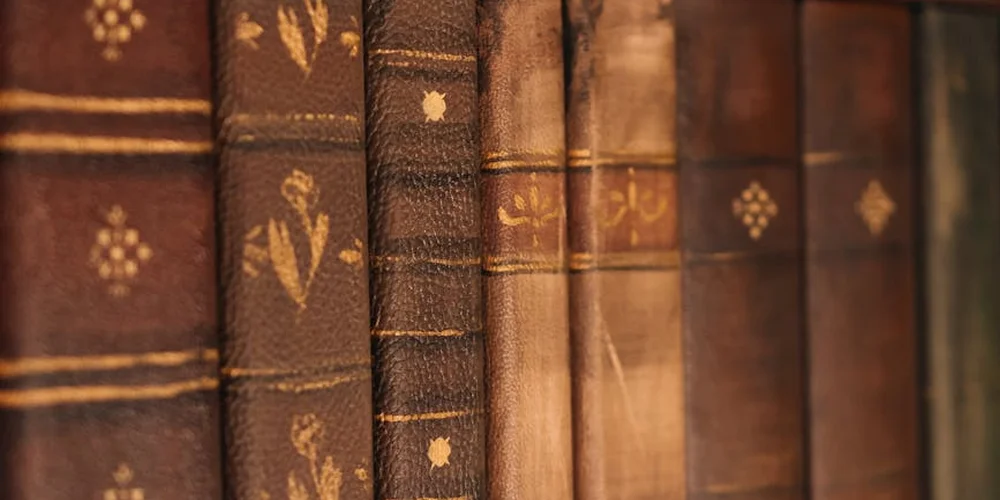
Using olive oil on leather is like watering a plant with soda. It might seem like a good idea in the moment, but the long-term effects are a problem. Let’s look at what actually happens—and why it’s not recommended for conditioning leather.
It Gets Sticky and Attracts Grime
Olive oil does not fully absorb into leather fibers. Instead, it leaves a thin, tacky film on the surface. Run your hand over a treated leather sofa arm or bag strap. It will feel slightly greasy, not supple. This sticky layer acts like a magnet for dust, pet hair, and everyday dirt. Over weeks, your black leather jacket will start to look dingy and gray in the high-touch areas.
That sticky residue turns your leather into a trap for every bit of dust and lint in the room.
It Can Go Rancid and Cause Rot
Leather is skin. Olive oil is food. Food spoils. Months after applying, that oil can oxidize inside the leather’s pores. You might notice a faint, sour smell from your shoes or bag, a sign the oil is turning. This process creates acids that slowly break down the leather’s connective fibers from the inside. What starts as a flexible, strong material can become brittle and weak, leading to premature cracking.
Rancid oil introduces acids that eat away at the leather’s structure, causing irreversible damage.
It May Permanently Darken and Stain
All oils darken leather, but olive oil does it unevenly. It can soak in patches, creating dark, blotchy stains, especially on light-colored items like a natural tan bag or cream-colored boots. This is different from the rich, even patina a proper conditioner gives. With olive oil, those stains are often permanent. You cannot simply condition over them to even the color out.
It Can Attract Insects and Mold
Leather needs protection from the environment, not an invitation for pests. Olive oil residue on the surface can attract insects like carpet beetles or silverfish. In a humid closet, that same oily film provides a food source for mold spores. I’ve seen a prized leather jacket stored in a basement develop a fuzzy, speckled coating for this exact reason.
Treating leather with cooking oil frames it as a food source, not a durable material to be preserved.
It Might Clog the Pores
Leather needs to breathe. Its microscopic pores allow moisture vapor to pass through, which is crucial for its health. A heavy, non-drying oil like olive oil can clog those pores completely. This seals moisture in or out incorrectly and creates a barrier. Later, when you try to apply a proper conditioner, it cannot penetrate. The leather is effectively sealed off from the care it needs.
Safe and Effective Alternatives to Olive Oil
You have great options. Proven leather conditioners are made with ingredients that nourish without the risks. They are simple to use and make a lasting difference. It’s important to know what makes a good leather conditioner and how to use it properly for different leather types.
A Simple Guide to Conditioner Types
Think of conditioners in three main categories, each with a specific job.
- Lightweight Creams & Lotions: These are perfect for smooth, finished leathers that need hydration without a heavy feel. They absorb quickly and leave little to no residue. I use a cream like this on June, my leather jacket. It keeps the calfskin soft and prevents light creases from becoming deep cracks.
- Balms & Butters: These are richer, often containing beeswax or lanolin. They provide deep nourishment and add a layer of protective wax. This is what Mason, my English saddle, gets. The wax content helps protect against rain and abrasion while keeping the leather flexible under heavy use.
- Penetrating Oils: Formulated oils like neatsfoot or mink oil are for rugged, thirsty leathers. They soak in deeply to replenish natural oils lost over time. I’d consider this for a pair of heavy work boots or a dried-out leather belt.
Choosing the right type depends on your leather’s finish and how you use it-light creams for jackets, wax-based balms for gear, and penetrating oils for dry, workhorse items.
Ingredients That Actually Work
Look for conditioners built on these trusted ingredients:
- Lanolin: A wax naturally found in wool, it’s remarkably similar to the oils in skin. It moisturizes leather beautifully without going rancid.
- Beeswax: Provides a protective, water-resistant barrier. It’s the key ingredient that gives balms their protective quality.
- Nourishing Oils: Neatsfoot oil (from cattle) and other purified animal or plant-based oils are processed to be stable. They penetrate without spoiling.
What About Other Kitchen Oils?
It’s best to keep all food oils in the kitchen. Coconut oil, while solid at room temperature, still carries a risk of rancidity. Vegetable and mineral oils will sit on the surface and attract grime, much like olive oil. They lack the stabilizers and blending that make dedicated leather conditioners safe and effective.
The brief convenience of a kitchen substitute is never worth the long-term risk to your leather goods.
How to Condition Leather the Right Way: A Simple Guide
Conditioning leather is not complicated. It’s a simple act of care that prevents your items from cracking and drying out. Think of it like giving your skin a good moisturizer after a long day.
Step-by-Step Conditioning Process
- Find a hidden test spot. This is your first and most important step. Turn your bag inside out, look under a collar, or check inside a pocket seam. Apply a tiny dab of your conditioner there and wait 24 hours. You are checking for color change or any strange texture. If nothing happens, you’re clear to proceed.
- Clean the surface. Always condition clean leather. Use a soft brush or cloth to remove dust. For grime, use a pH-balanced leather cleaner with a damp cloth. Let the item dry completely. Conditioning over dirt just seals it in.
- Apply the conditioner. Use a clean, soft cloth or your bare hands. Your hands’ warmth helps the product sink in. Take a small amount and massage it into the leather using gentle, circular motions. Work on one small section at a time. The goal is a thin, even layer you can barely see, not a thick, shiny paste.
- Let it absorb. Walk away. Let the leather sit for at least 30 minutes, or even overnight for very dry pieces like an old saddle. The leather will drink it in.
- Buff off the residue. Take a fresh, dry cloth and buff the entire surface. Use firm, quick strokes. You are done when the leather feels soft and dry to the touch, with no greasy or tacky residue. It should have a soft, natural glow, not a high shine.
How Often Should You Do This?
Frequency depends entirely on use and exposure.
Scout, my wallet, lives in my pocket every day. It gets handled constantly and benefits from a light conditioning every three to four months to keep it supple.
June, my jacket, faces wind and occasional rain. I give her a thorough conditioning at the start and end of each wearing season.
Mason, the saddle, bears weight and weather. He needs a heavier conditioning every four to six weeks during regular riding.
A good rule? If the leather looks pale or feels stiff and dry, it’s time. If it still feels supple and looks rich, you can wait.
How to Choose the Right Conditioner for Your Leather
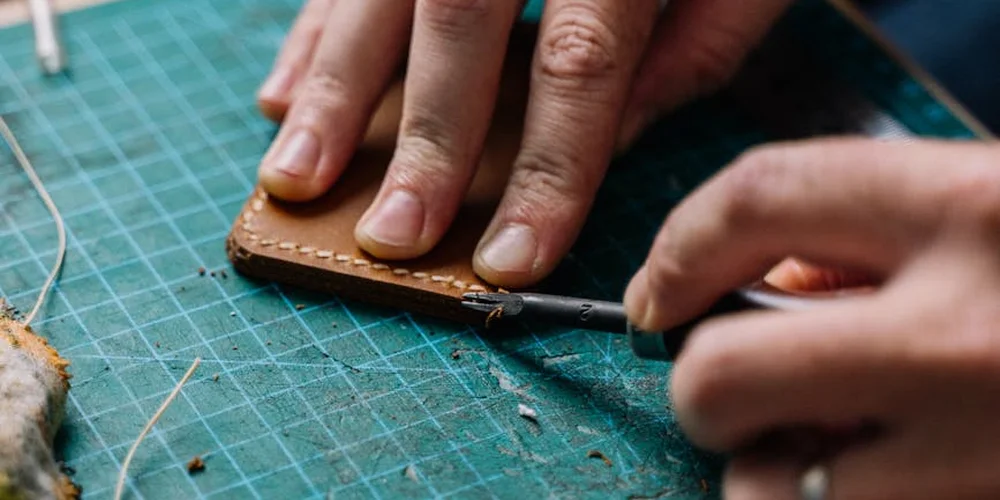
All leather is not the same. Using the wrong product can darken it too much or leave a sticky film. The first step is knowing what you have.
Diagnose Your Leather Type
- Aniline or “Naked” Leather: This is the most natural. It has a soft, porous surface that soaks up oils and darkens easily. You can often see the unique grain and markings. Most high-end sofas and some jackets are made this way.
- Pull-Up or Waxed Leather: This leather is treated with oils and waxes. When you bend it, the color lightens where the waxes “pull up.” It’s usually very durable and develops a great patina, like worn denim.
- Finished or Protected Leather: This has a clear protective coating on top. It’s common for dress shoes, handbags, and car interiors. The surface is less absorbent and more resistant to stains.
Quick-Match Recommendations
Match the conditioner to the leather’s needs.
For dress shoes or a sleek handbag (Finished Leather): Look for a light, non-greasy cream or lotion conditioner. These moisturize without clogging the pores or altering the color much. They should buff to a clean shine.
For a soft sofa or aniline leather jacket (Aniline Leather): You need a dedicated aniline leather conditioner. These are formulated to penetrate deeply without leaving a heavy residue or causing dramatic darkening. Always test first.
For work boots, a belt, or a saddle (Pull-Up or Heavy Use Items): A conditioner with natural oils (like neatsfoot or mink oil) or a leather balm containing beeswax is ideal. These products replenish the oils and add a layer of water resistance. They will darken the leather and add character.
When you are unsure of your leather type, a neutral, pH-balanced leather conditioner is always the safest place to start. It is made for this job and is less likely to cause problems than a kitchen product. Conditioners meant for leather contain emulsifiers that help the oils absorb evenly and dry properly, unlike plain oils which can stay greasy or go rancid. This is a good moment to think about the difference between leather conditioner and leather oil and when to use each. Understanding when to use leather conditioner versus oil helps you tailor care to your piece.
Your Leather Deserves Better Than a Kitchen Cabinet
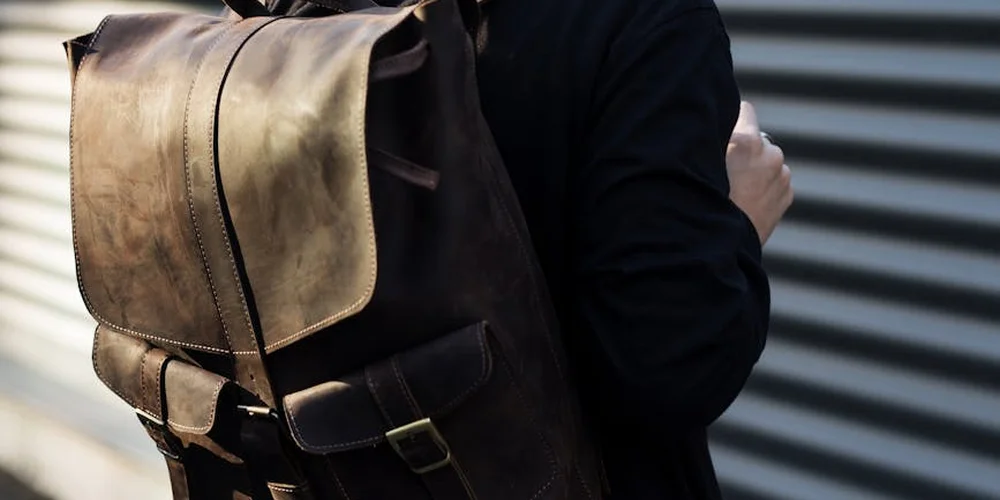
You wouldn’t water a plant with soda. You don’t feed a dog chocolate. So let’s talk about not feeding your leather cooking oil.
This isn’t about being precious. It’s about chemistry. Vegetable oils, like olive oil, are unsaturated. They don’t fully dry. They stay greasy, attract dust, and go rancid inside your leather’s fibers over time.
That rancidity is the real enemy-it breaks down the leather from within, making it brittle and causing an unpleasant, musty odor that’s impossible to remove.
The Difference Between Feeding Leather and Spoiling It
Proper conditioning protects your leather’s strength and helps it age beautifully. Using the wrong substance creates hidden damage that surfaces months later.
Think of my old saddle, Mason. Its deep color comes from years of absorbing specific oils and waxes meant for equestrian leather. That patina tells a story of care. If I had used olive oil, the story would be one of dark, sticky spots and a worrying stiffness in the stitching.
For something like June, my soft calfskin jacket, the wrong oil would clog its pores. Instead of developing those soft, personalized creases, the leather would feel tacky and look blotchy.
How to Condition Leather the Right Way
The right process is simple, effective, and preserves your item for decades.
- Clean First. Always remove dirt. Use a soft brush and a pH-balanced leather cleaner. Dirt acts like sandpaper if you rub conditioner over it.
- Choose the Right Product. Match the conditioner to your leather type. For most bags, boots, and belts, a neutral leather cream or balm works perfectly. For rugged, dry leathers (like work boots), a pure oil like neat’s-foot or a conditioner with wax may be needed.
- Apply Sparingly. Use a clean, soft cloth. Apply a thin, even coat. Leather absorbs what it needs; piling on more just creates a surface residue.
- Let It Breathe. Allow the item to dry away from direct heat or sun. This can take several hours or overnight. Buff gently with a dry cloth if there’s any excess.
This routine, done once or twice a year, does more than moisturize-it forms a protective layer that guards against stains and reduces fading from sunlight.
The Simple Joy of Care
There’s a quiet satisfaction in maintaining a well-loved item. It’s the five minutes you spend massaging balm into your wallet, feeling it become supple again. It’s noticing how Scout’s edges darken slightly with each conditioning, becoming uniquely yours.
That connection is what proper care fosters. You’re not just applying a product. You’re extending a partnership, ensuring the leather that serves you can do so for years to come. That’s an investment worth protecting with the right tools.
Common Questions
Can I use olive oil on my leather sofa in a pinch?
Do not. It will create sticky, dark patches that attract dirt and are nearly impossible to reverse. For a sofa, use a dedicated leather conditioner made for large, finished surfaces to nourish it evenly.
Will olive oil help my dry leather jacket?
It will darken it unevenly and leave a residue that attracts dust, making the problem worse. Restore a dry jacket with a light leather cream designed for garment leather to regain softness safely.
I saw a tip online about olive oil for leather bags. Is it safe?
No, it’s a shortcut that risks a rancid smell and attracts mold in your closet. Preserve your bag’s value by using a pH-balanced leather lotion to clean and condition it properly.
What should I use on leather dress shoes instead of olive oil?
Olive oil can stain the fine finish and compromise the sole’s glue. Use a light conditioner or cream polish matched to the shoe’s color to maintain shine and flexibility without damage.
Caring for Your Leather with Confidence
Leave the kitchen oils for cooking and use a quality leather conditioner instead. Your boots, bag, or jacket will thank you with decades of reliable service. Proper care is a simple, satisfying ritual that protects your investment.
Every time you condition a piece, you extend its life and honor the material. Keep building your care skills; your understanding of leather’s needs will grow right alongside its patina. Exploring the best general methods for caring and treating leather items will help you tailor your routine. These proven approaches act as a reliable guide as your leather collection ages.
Industry References
- r/Leathercraft on Reddit: Is olive oil really bad for leather?
- Using Olive Oil On Leather – Leatherwork Conversation – Leatherworker.net
- Can I use Olive Oil on my Leather Items? | Fibrenew International
Harriet is a avid collector of leather goods such as purses, bags, seat covers, etc and has an extensive background in leather care, recovery, stain removal and restoration. She has worked for a number of years perfecting her leather care techniques and knows the ins and outs of restoring all kinds and types of leather products. With her first hand knowledge in leather care, you can not go wrong listening to her advice.
Applying Oils, Creams, and Waxes