How Does Tanning Make Leather Resistant to Stains and Damage?
Published on: August 16, 2026 | Last Updated: August 16, 2026
Written By: Harriet Nicholson
Hello Tannery Talk. If you’ve ever fretted over a water spot on your favorite bag or a scratch on your boots, the secret lies in how the leather was tanned.
We’ll explore how different tanning methods create leather that handles life’s messes. We will cover the core science of tanning, the practical differences between vegetable and chrome tanning, and how to choose leather based on your needs.
From conditioning Mason’s saddle to repairing June’s jacket, I’ve seen firsthand how tanning defines a leather’s character.
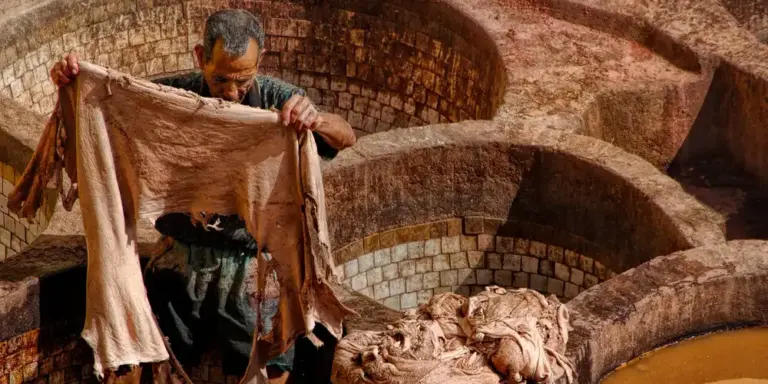
What Really Happens to Hide in a Tannery?
Think of tanning like pickling a cucumber. A raw hide will rot. The tanning process preserves it, turning fragile skin into durable leather. The method used is the recipe, and it changes everything about the final product.
There are two main ways this is done. Vegetable tanning uses natural tannins from sources like oak bark or quebracho wood. It is a slow, traditional process. Chrome tanning uses mineral salts, primarily chromium sulfate, and is much faster. Both methods stop decay, but they leave the leather with different personalities.
The tanning agent you choose rewrites the leather’s very structure, like how different recipes create a dense rye bread or a soft white loaf. A vegetable-tanned vs chrome-tanned leather comprehensive comparison reveals how care needs and sustainability differ. Veg-tanned leather tends to be firmer and ages with a changing color. Chrome-tanned leather is often softer and more water-resistant right away. Knowing which you have tells you how to care for it.
This quality starts long before the tannery. The foundation of any great leather is responsible sourcing and respect for animal welfare. A hide from a healthy animal, treated with care, will always produce a more consistent and durable material. It is the first and most important step.
Why Some Leathers Soak Up Stains (And Others Don’t)
You have seen it. A drop of rain sits on your jacket like a jewel, but a splash of coffee soaks into your belt and leaves a mark. This comes down to surface porosity, and the tanning process controls it.
Vegetable-tanned leather often has more open pores. Think of it like a thirsty sponge. It wants to absorb. Chrome-tanned leather has a tighter, more sealed surface from the process. It acts more like a waxed or sealed wood table, where liquids bead up. The science of leather porosity explains why some stains sink deeper.
This means different stains behave in specific ways:
- Water-based stains (rain, coffee, soda): These can darken veg-tan quickly. On chrome-tan, you often have a minute to wipe them away before they seep in.
- Oils and grease (cooking oil, hand cream, lotion): These can penetrate almost any leather. On porous veg-tan, they spread fast. On chrome-tan, they might sit on top longer but will eventually soak in and leave a dark spot.
The tanning chemicals themselves physically bind to the leather fibers, either leaving them open and natural or packing them into a tighter, more resistant network. My saddle, Mason, is veg-tanned. I know a spilled water bottle will darken his flank until it dries. My jacket, June, is chrome-tanned. Rain usually rolls right off her shoulders.
For care, this tells you your first step. For a porous veg-tan item, a protective conditioner is your best defense against everyday spills. For a chrome-tan piece, regular cleaning with a neutral cleaner is key to prevent buildup in its tighter grain.
How Tanning Guards Against Sun Fading
We all worry about our leather fading in the sun. The good news is the tanning process itself can offer some protection. It is a built-in feature that you can learn more about in this comprehensive guide on tanning methods.
Some tanning agents, particularly rich vegetable tannins from woods like oak and chestnut, naturally absorb UV light. They act like a subtle, internal sunscreen for the leather. This is why a well-made veg-tan bag or belt will develop a richer, darker patina over years of use instead of just bleaching out.
Chrome-tanned leather and some lighter veg-tans do not have this same natural UV absorption. They rely more on the protective top finishes applied after tanning and on the dyes used. These finishes can break down over time with sun exposure.
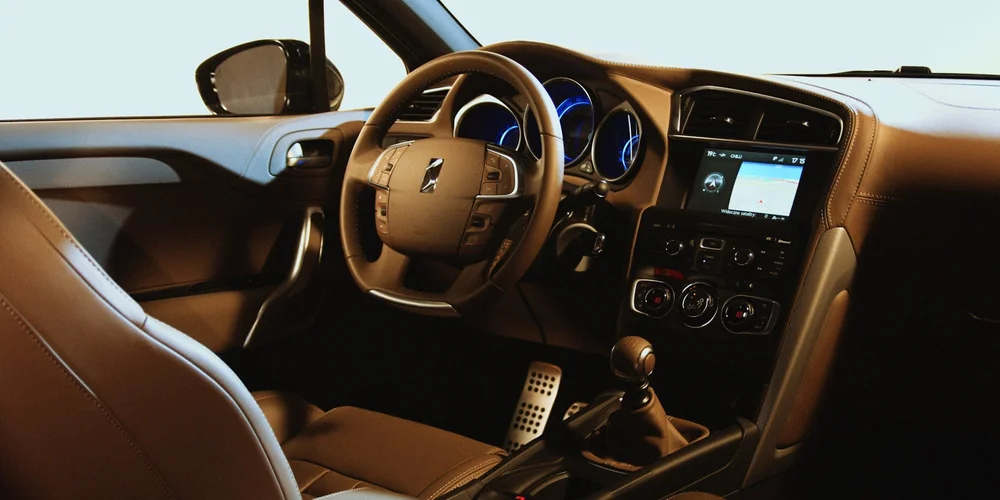
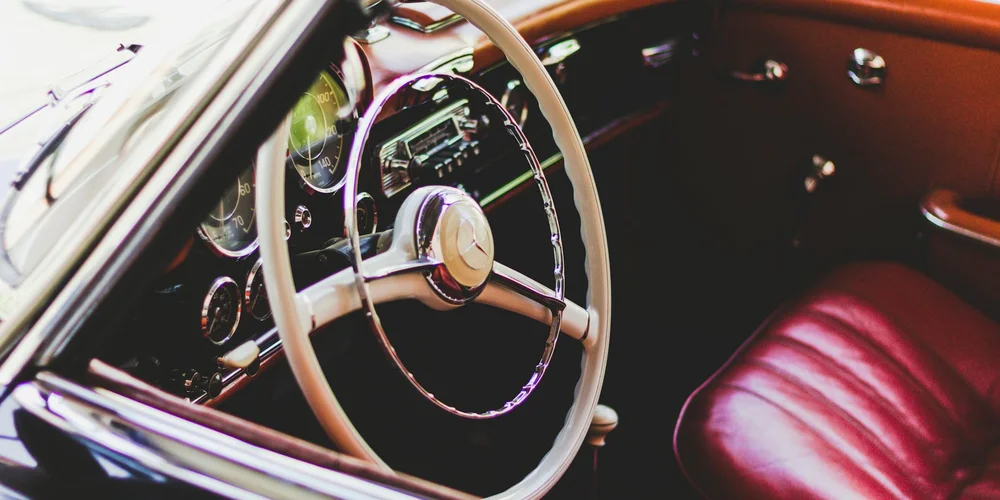
You can see this on an old car seat. The faded, cracked areas are where the sun broke down the surface. The solution is consistent care. Using a conditioner with UV inhibitors adds a protective layer. For any leather, keeping it out of direct, prolonged sunlight is the simplest fix. Store your bag or jacket in a closet, not by a sunny window. I use the same approach to prevent and protect my leather car seats from cracking and drying out. Regular conditioning with UV inhibitors and avoiding prolonged sun exposure keeps them supple.
Building Toughness: How Tanning Fights Scratches and Wear
First, let’s separate two common worries. Physical damage is about force. Scratches, scrapes, and tears happen when something pulls or gouges the surface. Stains are about absorption. A spill soaks into the leather’s fibers. Tanning directly determines how well your leather stands up to that first category, scratches and wear. Historically, tanning methods shaped leather’s texture and strength, influencing how repairs bond and age. Understanding this history helps explain why modern repair choices work better on certain leathers.
Think of an untanned animal hide. It’s mostly collagen fibers, like wet cardboard. It’s soft, stretchy, and easy to tear. The tanning process changes that completely. Tanning agents, like plant tannins or mineral salts, form strong bonds between those collagen fibers. This is called cross-linking. The fibers can no longer slide past each other as easily. They become a unified, stable material.
The result is a transformation: untanned hide is fragile like wet cardboard, but properly tanned leather is resilient like a piece of cured wood. It resists stretching out of shape and is much harder to tear. This is the fundamental reason a leather bag can last for decades, while a raw skin would rot and fall apart in weeks.
Different tanning methods create different internal structures. Chrome tanning, which uses chromium salts, fills the fibers quickly. It creates a leather that is very supple from the start, with a high tear strength. It bends easily without stressing one spot. Vegetable tanning, using natural tannins from bark and wood, works more slowly. It builds toughness gradually, often resulting in a firmer leather that develops a distinct flex point, like the creases in an old baseball glove. This is especially important when choosing leather for items that undergo frequent use, such as tanned cowhide leather for durable rugs and home decor.
This difference in structure directly affects long-term durability. A stiff veg-tan belt will show wear slowly at its bend points, developing character, while a soft chrome-tan jacket will distribute stress across a wider area to prevent cracking. Knowing which you have helps you understand how it will age. My old saddle, Mason, is veg-tanned. Its toughness didn’t come from a factory; it was built over years of use and careful oiling, making it now more resistant to new nicks and scrapes than when it was new.
Vegetable-Tanned vs. Chrome-Tanned: A Caretaker’s Comparison
For the person caring for leather, the tanning method is your first clue for proper maintenance. There are different types of leather tanning finishing processes, and knowing which one you have helps tailor care. Each type influences how you should clean and condition your leather. Here’s a clear breakdown of how these two major types behave and what they need from you.
| Trait | Vegetable-Tanned Leather | Chrome-Tanned Leather |
| Initial Feel | Stiff, firm. Develops softness. | Soft, supple right away. |
| Color & Patina | Natural hues (tans, browns). Darkens and develops a rich, unique patina with light and oil. | Wide color range. Color is consistent; develops a sheen, not a deep color change. |
| Water Resistance | Low initially. Absorbs water quickly, leading to dark stains. | High inherently. Water beads up on the surface. |
| Long-Term Durability | Gets tougher and more stain-resistant with age and conditioning. | Consistent strength. Relies on its initial treatment. |
Living with Vegetable-Tanned Leather
Veg-tan leather starts its life thirsty and a bit vulnerable. My wallet, Scout, is a perfect example. When new, a drop of water would leave a dark ring. That’s because its fibers are open, ready to absorb. This initial susceptibility to water stains is veg-tan’s famous trait, but it’s also the key to its beautiful aging. As it absorbs oils from your hands and conditioners, it stiffens and toughens. The patina is a visual record of this hardening process. A spill that would have stained it year one might just wipe off year three.
Your care routine builds its armor. Use a light, neutral cleaner for dirt. Then, nourish it with a natural oil or conditioner every few months. Apply sparingly, rub in thoroughly, and let it dry completely. You are quite literally continuing the tanning process. The common mistake is over-oiling, which can saturate and weaken the fibers. If you see a dark water spot, let it dry fully at room temperature. The color often evens out over time as part of the patina.
Living with Chrome-Tanned Leather
Chrome-tanned leather, like my jacket June, arrives ready for life. The chromium salts fill the fibers, making them water-resistant and giving that soft, pliable handfeel. Its color is locked in deep, so you won’t see the same dramatic darkening from handling. Chrome-tan’s superpower is its consistency and initial defense against the elements, especially water-based spills.
Care is more about preservation than transformation. For cleaning, a damp cloth is often enough. Use a pH-balanced conditioner designed for finished leathers once or twice a year to maintain flexibility and prevent the topcoat from drying and cracking. The common mistake is using heavy oils or waxes meant for veg-tan; they can sit on the surface and create a greasy film without benefiting the leather underneath.
Stain Resistance: A Direct Comparison
The tanning chemistry gives each type a different defense profile.
- Water-Based Stains (Coffee, Rain): Chrome-tan wins here. The spill will likely pool on the surface, giving you time to blot it away. Veg-tan will drink it in immediately. Blot, don’t rub, and let it dry naturally.
- Oil-Based Stains (Grease, Hand Cream): Veg-tan has an edge. Its open fibers can often absorb and blend lighter oils into the patina. On chrome-tan, oil can sit on the sealed surface, creating a slick spot. For fresh grease, sprinkle on a little cornstarch to absorb it, let it sit overnight, then brush off.
The best defense for any leather is knowing what tanned it. That knowledge tells you its strengths, its needs, and how it will gracefully accept the marks of a life well-lived.
The Finishing Touch: How Post-Tanning Treatments Change the Game
Tanning stabilizes the hide. Think of it as building a strong, durable foundation. But after tanning comes the finishing. This is where they apply the protective layers that really define how your leather handles life’s spills and scuffs.
Finishes include oils, waxes, resins, and pigments. They are brushed, sprayed, or rolled onto the surface. These layers create a barrier.
This barrier is what seals the leather’s pores, dramatically boosting its resistance to water and stains.
A water drop on an unfinished leather will darken it immediately as it soaks in. That same drop on a well-finished leather will bead up and roll off. The difference is that simple.
Consider a vegetable-tanned belt. In its raw state, it’s thirsty and marks easily. My old veg-tan belt, before I treated it, would show every drop of rain. I applied a heavy coat of beeswax paste, melting it in with a hairdryer. Now, it shrugs off coffee splashes. The care needed shifted completely. I went from fearing moisture to expecting protection from that wax coat.
These treatments do more than fight stains. A good finish with UV inhibitors acts like sunscreen for your leather, reducing fading from the sun. A resilient topcoat can also absorb the impact of minor scuffs, leaving a mark on the finish instead of a deep scratch in the leather itself.
Your Care Guide: Matching Routine to Tanning Method
Your care routine must respect what the tanner did. Using the wrong product can strip a finish or clog natural pores. Here is how to match your care to the leather’s origin.
Caring for Vegetable-Tanned Leathers
Leathers like Scout, my wallet, start raw and open-pored. They are meant to age and develop a patina. Your goal is to build protection from within.
Regular conditioning with the right oils is how you slowly build this leather’s natural stain resistance and beautiful color.
- Clean gently. Use a damp, soft cloth. For dirt, a tiny amount of saddle soap works.
- Condition every 3-6 months with a natural oil. Neatsfoot oil, coconut oil, or specialized leather conditioners are good. Apply a thin coat with your fingers or a cloth.
- Let it absorb. Give it a full 24 hours in a warm, dry place. The leather will darken, then lighten slightly as it dries.
- Buff. Use a soft, dry cloth to buff away any excess. This brings up the shine and smooths the surface.
With each conditioning, the leather becomes more supple and less likely to absorb spills instantly. The patina deepens. This is how you grow with the leather.
Caring for Chrome-Tanned or Heavily Finished Leathers
Leathers like my jacket, June, often have a chrome base and a sealed, pigmented topcoat. You care for the finish, not the raw hide.
Focus on gentle cleaning and using protective sprays designed for a sealed surface.
- Dust and wipe. Use a dry, soft brush or cloth first to remove grit.
- Clean with a pH-balanced leather cleaner for finished leathers. Apply to a cloth, not directly onto the leather, and wipe gently.
- Protect with a spray. After cleaning and letting it dry, use a silicone-free leather protector spray. Hold the can 6 inches away and apply a light, even coat.
- Let it cure. Allow the spray to dry for at least two hours before using the item.
Avoid heavy oils or waxes here. They can’t penetrate the finish and will just sit on top, creating a sticky, messy film. You might even damage the topcoat’s color.
The First Step is Knowing
The most common mistake I see is using a universal product without thought. It often does nothing, and sometimes it causes harm.
Identifying whether your leather is porous and natural (like veg-tan) or sealed and colored (like most modern bags and jackets) is the essential first step to proper care.
Do a simple test. Put a tiny drop of water on an inconspicuous spot. If it darkens and sinks in within seconds, you likely have an unfinished or lightly finished leather. If it beads up for a while, you have a heavily finished leather. This tells you which guide above to follow.
You can do this. Whether it’s a sturdy saddle like Mason, a beloved jacket like June, or a daily carry like Scout, understanding their origin gives you the power to care for them confidently. Start with that simple water test. Then, choose your cleaner and conditioner based on what you find. Your leather will thank you for years to come.
Common Questions
What’s the single biggest mistake people make when trying to protect their leather from stains?
Using the wrong protector for the tanning type. Slathering a wax on a sealed chrome-tan jacket just creates a gummy film, while using a simple spray on thirsty veg-tan does nothing. Always match your protectant to the leather’s porosity.
Do any tanning agents actually help leather resist UV fading, or is it all in the finish?
Yes, some do. Dense vegetable tannins from woods like oak and chestnut naturally absorb UV light, helping the leather patina instead of pale. Chrome-tanned and lighter veg-tans rely more on the protective topcoat, which needs maintenance.
How does my choice of tanned leather change my long-term cleaning routine?
It dictates your tools. For developing veg-tan, you’ll use penetrating conditioners to build armor from within. For finished chrome-tan, you’ll use surface cleaners and protectant sprays to maintain the existing barrier without clogging it.
What role do post-tanning treatments really play in stain resistance?
They are your primary shield. Tanning stabilizes the fibers, but applied finishes like waxes, oils, or resins create the physical barrier that causes spills to bead up. A well-finished leather, regardless of base tan, will always resist stains better than an unfinished one.
Caring with Knowledge: Tanning as Your Guide
The tanning method is your leather’s built-in defense plan. Use it to choose the right protectants and cleaners, keeping stains and cracks at bay for years.
I always look for leather from responsible sources and treat it with gentle, regular care. Learning the best general methods for caring and treating leather items helps guide these choices. Building this skill deepens your appreciation and gives every piece, like my saddle Mason or wallet Scout, a longer, more trusted life. That curiosity also keeps me evaluating routines so each piece ages gracefully over time.
References & External Links
- The different types of leather tanning – S. Belair
- Tanning (leather) – Wikipedia
- Chrome Tanned Leather Guide: Pros & Cons vs Vegetable Tanning – Von Baer
Harriet is a avid collector of leather goods such as purses, bags, seat covers, etc and has an extensive background in leather care, recovery, stain removal and restoration. She has worked for a number of years perfecting her leather care techniques and knows the ins and outs of restoring all kinds and types of leather products. With her first hand knowledge in leather care, you can not go wrong listening to her advice.
Vegetable-tanned vs. Chrome-tanned Care