Home Remedies or Store-Bought Cleaners: Which Wins on Leather Stains?
Published on: August 15, 2026 | Last Updated: August 15, 2026
Written By: Harriet Nicholson
Hello Tannery Talk. A fresh stain on your leather can feel like a crisis, leaving you torn between a pantry fix and a professional product.
Let’s sort through the noise together. We will cover how homemade solutions like vinegar or soap work on different stains, what makes commercial leather cleaners effective, and my practical advice for choosing the right tool without damaging your gear.
I have conditioned and rescued countless leather items, from Scout my wallet to heavy-use saddles, giving me real-world proof of what works.
The First Step: Identify the Stain You’re Up Against
You can’t fix what you don’t understand. Using the wrong cleaner on a stain is like using water to put out a grease fire, it just spreads the problem. Knowing what you spilled lets you choose a method that lifts the stain without harming the leather, especially when dealing with stubborn stains on leather surfaces.
Think of your leather’s surface like skin. You need to treat different irritants differently. Here are the most common culprits:
- Water Rings: Those pale, cloudy marks left when a wet glass sits on a table. They feel dry and look like a ghost of the spill.
- Oil or Grease: From cooking, hand creams, or food. It creates a dark, saturated spot that feels slick. Picture grease from a burger bag getting on your briefcase, or grease from Mason’s reins soaking into the saddle flap.
- Ink: A sharp, concentrated line or blotch from a pen. It sinks in fast and can be stubborn.
- Dye Transfer: A blue or black smudge from new jeans rubbing on a light-colored bag or car seat. It sits on top of the leather at first.
- Makeup or Food: Often a waxy, pigmented stain from foundation or a colorful spill like coffee or wine.
The type of leather you have changes everything, so keep it in mind for the next steps. A delicate, absorbent aniline leather will react very differently to a cleaner than a tough, coated pigmented leather. Suede is a whole different game with its nap.
What’s in Your Kitchen? The Promise and Peril of Home Remedies
The Allure of the DIY Approach
Reaching for a kitchen staple is tempting. I get it. It’s cheap, it’s right there, and it feels good to use something simple.
For very fresh, simple stains, a gentle home mix can work. People often try these recipes:
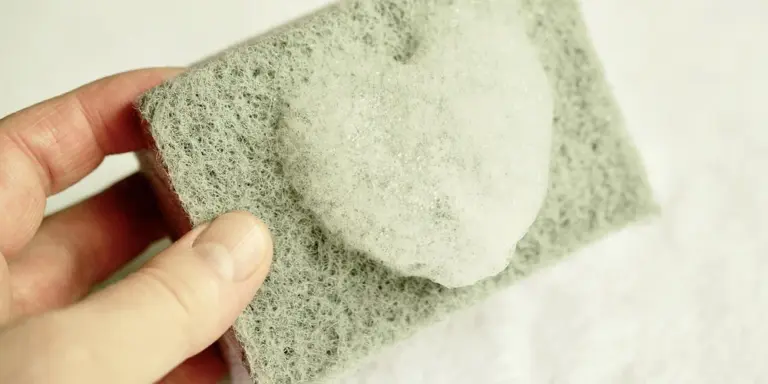
- A drop of mild, clear dish soap in a cup of water for general grime.
- Diluted white vinegar (one part vinegar to three parts water) for mildew or light disinfecting.
- A thick paste of cornstarch or baking soda left overnight to absorb a fresh oil stain.
Think of these home remedies like a basic first-aid kit, useful for minor, surface-level issues. They can handle a small, fresh water spot or a bit of dust. For my daily wear pieces like Scout the wallet, a quick wipe with a damp cloth is often all it needs.
The Hidden Risks Under the Sink
This is where good intentions can lead to heartbreak. Household products are not made for leather. They are made for sinks, counters, and ovens.
The chemistry is all wrong. Vinegar is acidic and can dry out the leather’s fibers over time. Baking soda is abrasive and alkaline, which can dull and weaken the surface. Harsh soaps or detergents strip away the leather’s essential natural oils, disrupting the pH balance necessary for proper leather care.
These cleaners can leave behind a sticky residue or alter the leather’s pH, making it brittle and prone to cracking later. There’s a common myth that household cleaners like Windex are safe for leather, but the risks are explained in detail. The risk is highest on beautiful, vulnerable leathers. A dry, older piece or a richly dyed aniline hide has less tolerance for harsh treatment.
I once saw a beautiful vintage bag that someone had “cleaned” with a strong household cleaner. They wanted to remove a small stain. The stain was gone, but so was the life from that entire panel. The leather was left stiff, discolored, and forever thirsty. It was a permanent fix for a temporary problem. That’s the peril.
Under the Hood: How Commercial Leather Cleaners Work

Open a bottle of commercial leather cleaner. That mild, clean scent tells you it is not a harsh chemical mix. These cleaners are precise tools built from a blend of specific ingredients that work in harmony.
Think of mild surfactants as gentle hands. They loosen dirt and grime so it can be lifted away without abrasive rubbing. Emulsifiers target oil and grease, breaking them down into tiny particles that wipe off cleanly. Many formulas also include conditioning agents to put moisture back into the leather as you clean.
Their main job is to lift the stain without stealing the leather’s essential natural oils. It is a targeted action. Imagine cleaning a dusty photograph with a soft microfiber cloth instead of a wet paper towel. That is the kind of care they provide.
I see commercial cleaners as a surgeon’s scalpel, designed for one specific task with great control. A home remedy like dish soap or vinegar is more like a kitchen knife. It can work, but it is not made for leather’s delicate needs.
Most quality commercial cleaners are pH balanced. This means their acidity level matches that of leather itself, which helps keep the material strong and supple over many years. It is a small detail that prevents drying and cracking. For leather care, neutral cleaners are recommended by many experts, which help maintain that balanced pH and protect the finish over the long term. Neutral formulas are gentler on leather’s surface and reduce the risk of color fading and stiffness.
Side-by-Side: The Real-World Comparison
Let us look at home remedies and commercial cleaners side by side. This comparison is not about one being always better. It is about using the right method for your specific leather and stain. We’ll also consider which methods truly clean and disinfect general leather items. This will help shape the discussion on the best care approaches.
| What to Compare | Home Remedies | Commercial Cleaners |
|---|---|---|
| Effectiveness | Can work on simple, fresh stains like light dirt or water spots. | Needed for complex, set in stains like oil, ink, or old grime for complete removal. |
| Cost | Very low upfront cost (common household items). | Higher initial price for a bottle or kit. |
| Long Term Value | Risk of damage can lead to expensive repairs or replacement. | Protects your investment by cleaning safely, offering better value over time. |
| Safety & Predictability | Results are variable. A mix that works once might harm another piece. | Consistent, tested formula. You get predictable, low risk results every time. |
For a simple stain, a home remedy is often enough. Take Scout, my dark brown wallet. If it picks up a bit of dust or a fingerprint, I act quickly. I dampen a soft cloth with water, add a tiny drop of mild, clear soap, and gently wipe the spot. Then I pat it dry with another cloth. It is a simple fix that works.
For a complex stain, a commercial product is necessary. My jacket June once got a deep oil stain on the sleeve. I used a pH balanced leather cleaner. I applied a small amount to a soft brush, worked it into the stain with gentle circles, let it sit for three minutes, then wiped it away with a clean, damp cloth. The stain came out without fading the color or changing the jacket’s soft handfeel.
A common mistake with home remedies is using too much soap or vinegar. This can strip oils and leave the leather feeling dry and stiff—especially when used without knowledge of why some DIY treatments harm your leather. A simple fix is to always follow any cleaning with a dedicated leather conditioner to restore moisture. With many commercial cleaners, light conditioning is part of the process, so you skip that worry.
Your Decision Guide: When to Choose Which Path
When a Home Remedy Might Be Your Friend
Think of home remedies as a first line of defense. They are for small, simple problems on your most durable pieces.
My saddle, Mason, gets caught in the rain sometimes. A quick wipe with a cloth dampened only with distilled water works perfectly. For a fresh water spill on a sturdy, finished leather, a simple blot and air dry is often all you need. The topcoat protects the leather underneath. Leather sheepskin, too, benefits from rain protection to prevent water damage and nap loss. Do protect leather sheepskin from rain water damage by using a breathable water-repellent and keeping it dry in wet weather.
Other safe scenarios include wiping away light dust or dry soil with a soft, dry brush. For a fresh grease spot from your fingers, a light dusting of cornstarch or talc can help draw the oil out if you blot it gently and let it sit overnight.
This approach is for minor, recent issues on resilient leathers like a sturdy belt, a veg-tan wallet like Scout, or a bag with a clear protective finish.
When You Should Reach for a Commercial Cleaner
This is where you need to stop and switch gears. If you are uncertain, assume you are in this category.
You should use a dedicated leather cleaner for any high risk situation.
- Old or set in stains. A coffee spill from last week has soaked deep into the fibers. A home remedy will likely just spread it.
- Delicate, porous leathers. Aniline leather, suede, and nubuck have no protective topcoat. They drink up stains and home solutions instantly, often making the damage worse.
- Ink, dye transfer from jeans, or mystery stains you cannot identify. These are complex chemicals that need a formulated cleaner.
For any piece that is valuable, sentimental, or fragile, a commercial cleaner is the safer, more reliable choice every single time. My jacket June is calfskin. If she got an ink mark, I would not risk vinegar or soap. I would reach for a neutral, pH balanced leather cleaner made for delicate skins.
Before You Start: The Non-Negotiable Test and Aftercare
How to Test Any Cleaner, No Matter What
Never skip this step. Not for a home mix, and not even for a store bought product. This two minute test can prevent a permanent disaster by showing you how the leather will react before you treat the visible stain.
- Find a hidden spot. Look inside a seam, under a flap, or on the backside near the bottom.
- Gently clean that area with a soft cloth to remove any surface dirt.
- Apply a tiny amount of your chosen cleaner to another cloth, not directly to the leather.
- Blot the hidden spot gently. Do not rub.
- Let it dry completely. This can take an hour. Be patient.
Now inspect. Has the color lightened or changed? Is the texture now rough, sticky, or raised? If you see any change at all, do not use that cleaner on the rest of the piece. A common mistake is rushing this dry time. Let the leather tell you the full story.
Sealing the Deal: Care After Cleaning
Cleaning, by its nature, strips away more than just the stain. It can take essential oils with it, leaving the area dry and vulnerable.
Conditioning after cleaning is not optional, it is the step that protects your repair and keeps the leather supple. Once your cleaned spot is fully dry, apply a small amount of a quality leather conditioner. Use a clean cloth and work it in with gentle circular motions. Let it absorb.
After this treatment, give your leather a day to rest. Do not use the bag or wear the jacket immediately. Let the conditioner fully penetrate and the fibers relax. This simple patience helps the leather breathe and stabilizes your good work.
Quick Answers
What’s the one step I should never skip, no matter what cleaner I use?
Always perform a spot test in a hidden area. This two-minute check prevents a full-scale disaster by revealing color loss or texture changes before you treat the visible stain.
I’ve cleaned a stain. Is my job finished now?
No. Cleaning inevitably removes some natural oils. You must follow with a dedicated leather conditioner on the cleaned area to restore moisture and prevent the leather from drying out and cracking, especially when it comes to oiled leather boots and shoes.
When is a home remedy an acceptable risk?
Only for minor, fresh issues on durable, finished leathers-like blotting a water ring on a coated tabletop or using cornstarch on a new oil spot on a sturdy belt. For anything else, the risk outweighs the reward.
When should I absolutely not experiment with a DIY solution?
Never on delicate, porous leathers like suede, nubuck, or aniline hides, or on any old, set-in, or unidentified stain. These situations require the targeted, pH-balanced action of a commercial leather cleaner to avoid irreversible damage.
What’s the real long-term cost comparison?
While home remedies have a near-zero upfront cost, they carry a high risk of hidden long-term damage like drying and discoloration. A commercial cleaner is an investment in preservation, safely maintaining your item’s value and lifespan.
Choosing Your Leather Care Path
Your best tool is not a bottle of cleaner, but the practice of patience. Always match your cleaning method to your leather’s specific type and finish, starting with the gentlest possible option. When you ask what are the best products and methods for cleaning leather, you’ll set a safer, longer-lasting path. Test first, act slowly, and let the material guide you.
Good care extends a piece’s life, honoring the animal and the craft. Building your skills in maintenance is the most sustainable practice, turning every stain or scuff into a chance for connection with the material in your hands.
Related Guides and Information
- How To Remove Stains from Leather at Home – Goodwill Akron
- r/howto on Reddit: How to remove stain from leather purse? It was in my closest for a month unused, and while using it last time I didn’t spill anything on it to cause the stain
- Remove stains from leather » 6 types of stains at a glance
- Leather Degreaser for Body Oils, Head, ArmRest Stain Removal – Leather World Technologies
Harriet is a avid collector of leather goods such as purses, bags, seat covers, etc and has an extensive background in leather care, recovery, stain removal and restoration. She has worked for a number of years perfecting her leather care techniques and knows the ins and outs of restoring all kinds and types of leather products. With her first hand knowledge in leather care, you can not go wrong listening to her advice.
Aniline and Semi-Aniline Leather Care