Aniline vs. Pigmented Leather: Which Hides Stains Better and is Easier to Repair?
Published on: August 11, 2026 | Last Updated: August 11, 2026
Written By: Harriet Nicholson
Hello Tannery Talk. You’re holding a beautiful hide, worried a single spill could ruin it or that a scratch might be forever.
We will cover how aniline and pigmented leathers are made differently, why one hides stains while the other shows them, and the honest repair process for each type.
I have conditioned and repaired countless pieces, from aniline sofas to pigmented bags, learning how these materials truly behave over time.
What Is Aniline Leather, Really? A Close-Up Look
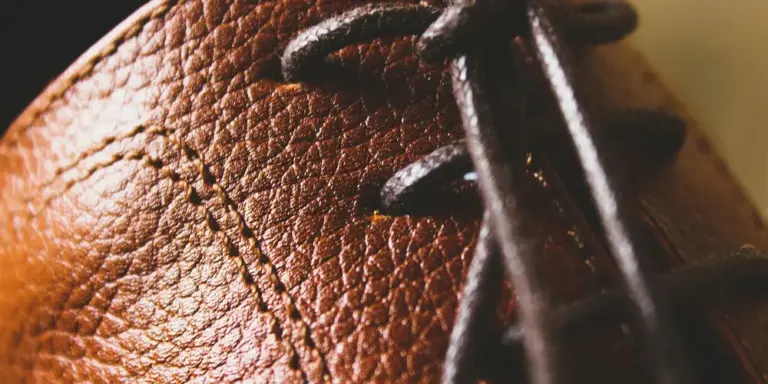
Think of aniline leather like a piece of fine wood treated only with a clear coat of oil. The finish doesn’t hide the grain. It enhances it. This is the most natural leather finish you can buy.
Only transparent dyes are used to color the hide. Nothing sits on top to mask its character. Run your hand over it. You feel every pore, every natural mark, the unique topography of the animal’s skin. It has a rich, warm handfeel. It often carries the deep, earthy scent of the tannin used, like oak bark or chestnut.
My old English saddle, Mason, is a perfect example. His deep chestnut color has matured into a complex patina. Light scratches and stretch marks from years of use aren’t flaws. They are his story. This is what aniline leather does. It lives and changes with you.
There is a middle ground called semi-aniline leather. It gets a whisper of pigment and a light protective topcoat. This gives it a bit more uniformity and stain resistance than pure aniline, while still letting much of the natural beauty show through. It’s a practical compromise for everyday pieces.
Aniline leather offers unmatched natural beauty but requires a more attentive care routine to protect its open pores. Unlike semi-aniline leather, it lacks any protective coating, making it more susceptible to stains and fading.
| Trait | What to Expect |
| Feel | Soft, supple, and warm. You can feel the natural grain texture vividly. |
| Look | Unique and variegated. Shows natural markings and develops a rich patina over time. |
| With Stains | Highly susceptible. Liquids and oils absorb quickly into the open pores, often causing permanent marks. |
What Is Pigmented Leather? The Protective Shield
If aniline is oiled wood, pigmented leather is furniture with a durable enamel paint. A base layer of pigment gives it color, and a clear protective topcoat is applied over everything. This topcoat is the shield.
The look is uniform and consistent. While you might see a hint of grain texture beneath, the color sits on top of the leather. This makes color variations between hides minimal. Think of a dependable work boot or a classic car interior. The finish is tough, consistent, and designed for hard use.
The handfeel is different. That protective layer can make the leather feel smoother, slightly cooler, or firmer to the touch compared to aniline. It lacks the immediate, warm suppleness. The trade-off is remarkable durability.
Pigmented leather sacrifices some natural character for superior stain resistance and easier cleaning, making it a workhorse for daily life. Many iconic leather brands publish their own recommended stain removal techniques to help you care for it. Following these brand-backed tips can extend the life of pigment-dyed finishes.
When accidents happen, your approach is totally different from caring for aniline. For a water-based spill on pigmented leather, you can usually just wipe it off with a damp cloth. For grease, a small dab of a mild, pH-balanced leather cleaner on a soft cloth works. Gently rub the spot and wipe away the residue. The topcoat does the heavy lifting. A common mistake is using harsh chemicals or abrasive brushes, which can scratch or cloud that clear protective layer. Always test any cleaner in a hidden area first.
| Trait | What to Expect |
| Feel | Smoother, firmer, or more uniform. The protective topcoat creates a distinct surface. |
| Look | Consistent and even. Hides minor natural flaws under a uniform color layer. |
| With Stains | Highly resistant. The topcoat prevents most spills from penetrating, allowing for easy wiping. |
The Stain Test: Which Leather Finish Hides Spills Best?
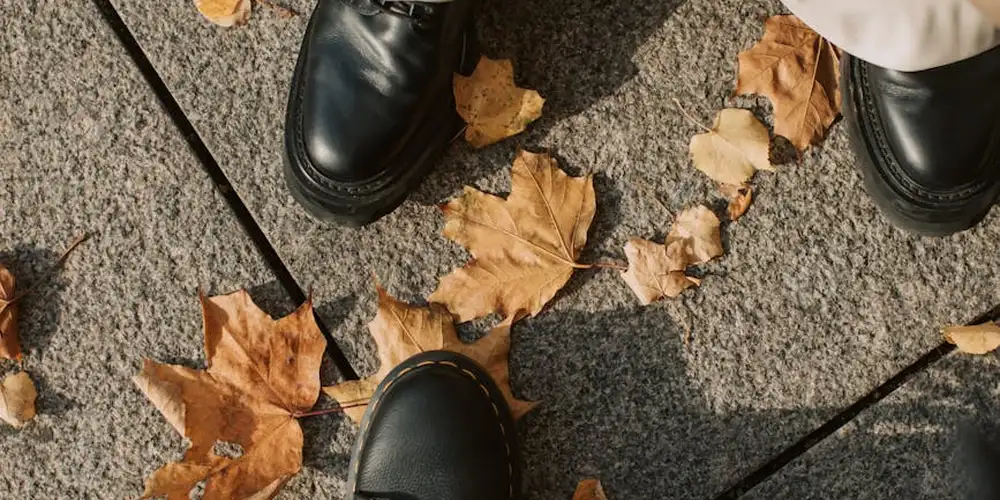
Pigmented leather wins for stain resistance. This is the short answer, and it comes down to a simple difference in construction. The chemistry of leather dyes matters here. They bond in specific ways that help them last.
Think of aniline leather like your own skin. It has open pores and no top coat of makeup. A stain does not sit on the surface. It drinks deep into the leather’s fibers. Pigmented leather has a solid, painted top coat. That layer acts like a raincoat, causing most spills to bead up and sit on the surface where you can wipe them away.
Imagine a coffee spill on a sofa.
On a pigmented leather couch, you have a fighting chance. You would blot it quickly with a dry cloth, then gently clean the area with a damp cloth and a drop of pH-neutral leather cleaner. The pigment layer shields the hide. You might see a slight watermark, but the color itself is protected. You might even be able to remove it entirely.
On an aniline leather couch, that same coffee is a crisis. It will seep in immediately, leaving a dark, saturated spot. You can still blot and clean, but the stain has penetrated. It becomes part of the leather’s story, often permanently darkening that patch.
For hiding daily accidents, the solid, opaque finish of pigmented leather is the clear and practical winner.
The Middle Ground: Semi-Aniline Leather
This is where semi-aniline leather comes in, and it’s a popular choice for good reason. It gets a light surface coating of pigment, but not enough to completely mask the natural grain. It is a compromise.
Semi-aniline offers better stain resistance than pure aniline because that light top coat slows down absorption. A quick spill wiped in seconds may not mark it. But it is not as bulletproof as a full pigmented finish. A spill left to sit will still eventually soak through the slight coating and into the leather beneath.
It gives you more time to react than aniline, but less permanent protection than pigmented.
Fixing the Damage: Which Leather is Easier to Repair?
For most people, pigmented leather is easier to repair. The reason is all about the paint.
Matching a solid, opaque color is simpler. You find a pigment cream or dressing that is a close match to the surface color. You apply it to the damaged spot, feather the edges, and let it dry. The repair sits on top, covering the flaw.
Repairing aniline leather is an act of blending and artistry. You are not covering a flaw, you are trying to dye the leather fibers themselves to match the surrounding patina. The dyes are translucent. Applying them is like using watercolors, you must build up layers and blend carefully so the repair disappears into the original color variations. This technique is different when compared to dyeing and recoloring a leather couch or restoring leather furniture that often involves more opaque finishes.
A Simple Scuff Repair on Pigmented Leather
My jacket, June, is a pigmented calfskin. She got a light scuff on the sleeve, a pale scratch through the black top coat.
- I cleaned the area with a soft cloth and a tiny bit of leather cleaner.
- Once dry, I applied a small dab of black pigment leather balm to a cotton swab.
- I rubbed it gently just into the scuff, not the surrounding leather.
- I let it dry for an hour, then buffed it lightly with a soft cloth.
The scratch vanished. The color was a perfect match because I was only replacing the missing surface pigment. This straightforward, cover-up approach makes pigmented leather repair more accessible for beginners.
The Art of Repairing Aniline Leather
Contrast that with a scratch on an aniline piece. You cannot just slap on a colored cream. You must use a liquid aniline dye.
First, you clean the area impeccably. Then, you apply the dye with a very fine brush or airbrush, often diluting it and applying multiple whisper-thin layers. You must blend it outward so there is no hard edge. The goal is not to make the scratch a single block of new color, but to dye the damaged fibers so they match the light, dark, and medium tones of the existing patina around them.
It requires a keen eye and practice. A clumsy repair on aniline leather can look worse than the original scratch, like a poorly applied touch-up on a fine wood table. The beauty of aniline is its natural, changing character, and a repair must honor that.
For ease and predictability, pigmented leather repairs are simpler. For maintaining the unique, living finish of aniline, repairs require more skill and patience.
How to Clean and Care for Aniline & Pigmented Leather

Caring for these leathers is different. Think of it like caring for a delicate wool sweater versus a sturdy cotton jacket. Both are great, but they need different approaches.
Your Aniline Leather Care Routine
Aniline leather is like bare skin. It’s beautiful and breathes, but it needs you to be its first line of defense. My jacket June is aniline. Her care is all about prevention and gentle nourishment.
The golden rule for any spill is speed: blot immediately, never rub. Rubbing pushes the liquid and any dye (from wine, coffee, ink) deeper into the porous leather.
Here is a simple process for cleaning and caring for it.
- For a liquid spill, use a clean, absorbent cloth to blot (don’t wipe) from the outside of the spill toward the center. For dust, use a soft, dry brush or cloth.
- Mix a drop of pH-neutral leather cleaner with distilled water on a soft cloth. Test it on a hidden spot first. Gently wipe the soiled area, then immediately dry with another cloth.
- Let the piece dry completely, away from direct heat. This can take a full day.
Conditioning aniline leather is not optional, it’s necessary nourishment. I condition my pieces like Mason the saddle every six months, or whenever the leather feels dry to the touch.
Use a light, pH-balanced leather conditioner. Apply a small amount to a cloth and work it in with circular motions. Let it absorb for an hour, then buff off any excess. It’s like putting lotion on your skin.
Finally, use a protectant spray made for porous leathers. This adds a thin, invisible shield against water and oil-based stains. Reapply this spray every year. It makes cleaning future spills much easier.
Your Pigmented Leather Care Routine
Pigmented leather has its armor already attached. Cleaning is more straightforward, but the leather underneath still needs support. This is the care routine I’d use for a family sofa or a daily bag. Choosing the right products and methods matters when cleaning leather. I’ll cover the best options in the next steps.
While the topcoat resists stains, conditioning is still vital to keep the base leather from drying out and cracking over time.
For general cleaning, follow these steps.
- Wipe the surface with a damp cloth to remove loose dirt.
- Use a cleaner made for finished leathers. Apply it to your cloth, not directly onto the leather, to avoid over-saturating any seams.
- Wipe clean with a second damp cloth and dry thoroughly.
Condition pigmented leather every 8 to 12 months. A light conditioner will soak through the pigment layer to keep the hide supple. You won’t see a big color change, but the leather will feel softer and last longer.
A handy trick for pigmented leather is a colored cream. If you get a light scuff that marks the topcoat, a matching pigmented leather cream can often blend it away. It’s like using a touch-up pen on furniture.
Compared to aniline care, this routine is simpler. The topcoat does most of the protective work for you. Your job is to maintain the integrity of that coat and the health of the leather hiding beneath it.
Choosing Your Leather: A Practical Guide for Your Life
Don’t choose based only on looks. Choose based on how you live. Here is a simple way to think about it.
- Choose pigmented or semi-aniline leather if your home is busy. This means kids, pets, or a primary sofa that sees daily use. The stain resistance is a practical lifesaver.
- Choose aniline leather for low-traffic, adult spaces. A reading chair, a study, or an item where you want the character to develop uniquely over years is ideal. My wallet Scout is veg-tan, which ages similarly. Its marks tell its story.
People often ask which lasts longer. With proper care, both can last for decades. Pigmented leather may look newer for longer, while aniline leather will age and develop a patina.
You can tell them apart with a simple water test. Place one drop of water on a hidden spot. On aniline leather, it will darken the spot immediately as it soaks in. On pigmented leather, the bead of water will sit on the surface.
Aniline leather typically costs more because it uses the finest hides and more dye. You are paying for that pure, natural look.
Both types of leather are wonderful. One is not better than the other. It is about picking the right tool for your specific job. A pigmented leather family sofa and an aniline leather armchair can both be heirlooms. You just care for them differently.
Quick Answers

Which leather is more durable for a family sofa?
For a busy household, pigmented leather is the more durable choice. Its protective topcoat resists daily spills and scuffs far better than aniline.
I love the look of aniline, but have pets. Is it a terrible idea?
Yes, it’s a risk. Claws can puncture it and accidents will stain it permanently. Opt for a robust pigmented or semi-aniline leather for pet-friendly furniture.
My pigmented leather sofa feels dry. Does it even need conditioner?
Absolutely. The leather underneath the pigment still dries out. Condition it yearly with a light product to prevent the base hide from cracking.
Can I use a colored cream on aniline leather to cover a scratch?
Do not. A pigmented cream will sit on top and look like a patch. For aniline, you must use a transparent dye to blend the repair into the surrounding leather.
The color on my pigmented chair is wearing off on an armrest. Can I fix it?
Yes, this is a straightforward repair. Clean the area well and apply a matching leather pigment cream to rebuild the color layer, then seal it. You can restore and repair the color on a faded leather bag using this method.
Making Your Leather Choice Work for You
Select pigmented leather for superior stain resistance in high-use areas, but know that its coated surface makes repairs a craftsperson’s challenge—especially when compared to other tanning processes like those used for aniline leather. Choose aniline leather for its developing patina and easier, more blendable mends, accepting that it asks for more vigilant stain care from the start.
Honor the material by caring for it with proper, gentle products and by sourcing from suppliers committed to animal welfare and sustainable practices. Building your maintenance skills ensures every piece, whether a hardy saddle like Mason or a soft jacket like June, serves you well for years.
Further Reading & Sources
- Aniline vs Semi-Aniline vs Pigmented Leather: What Are They & What’s the Difference?
- Aniline vs Semi-Aniline vs Pigmented Leather | Castlery US
- r/furniture on Reddit: Semi-Aniline or Pigmented leather for a sectional?
Harriet is a avid collector of leather goods such as purses, bags, seat covers, etc and has an extensive background in leather care, recovery, stain removal and restoration. She has worked for a number of years perfecting her leather care techniques and knows the ins and outs of restoring all kinds and types of leather products. With her first hand knowledge in leather care, you can not go wrong listening to her advice.
Aniline and Semi-Aniline Leather Care