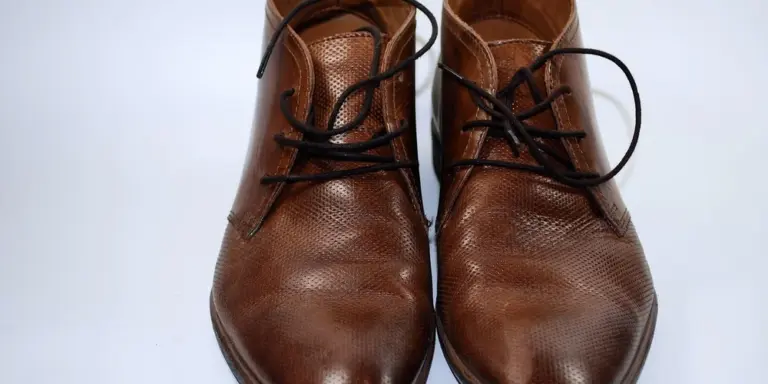
How to Remove Water Stains from Leather Furniture: A Practical Guide
Published on: May 16, 2026 | Last Updated: May 16, 2026
Written By: Harriet Nicholson
Hello Tannery Talk. A spilled glass or a rainy day can leave a worrying mark on your leather sofa. That hazy ring or dark spot is a common scare, but it’s often a simple fix.
This guide walks you through why water stains happen, the immediate blotting technique, how to gently clean the area, and the conditioning step that brings back the life.
I say this after years of hands on care, rescuing pieces like my jacket June from similar spills with methods that always put the leather first.
First Move When Water Hits Your Leather
Your first instinct is to panic. I get it. I remember a heavy rainstorm catching my saddle, Mason, out in the open. The leather was soaked, dark, and looked ruined. But leather is durable skin. Your first move sets the stage for a full recovery or lasting damage.
A water spot or ring is often just a surface issue. When water dries, it can leave behind mineral deposits from the water itself, similar to a spot on a drinking glass. This white or cloudy ring is usually a residue sitting on top of the leather, not a deep stain that has changed the leather’s color. Your goal is to remove that residue without harming the hide underneath.
Act fast, but stay calm. Here is your step-by-step plan for that initial spill.
- Blot, Don’t Rub. Use a clean, absorbent, lint-free cloth (a microfiber towel works perfectly). Gently press it onto the wet area to soak up as much liquid as possible. Rubbing spreads the water and can grind any dirt from the water into the leather’s pores.
- Air Dry Naturally. Move the piece to a well-ventilated room with gentle air circulation. Do not place it in direct sunlight, near a radiator, or in front of a hair dryer. Heat dries leather out too fast, causing it to crack and shrink. Think of it like your own skin after a shower, air drying is gentlest.
- Be Patient. Let it dry completely. For a small spot on furniture, this may take a few hours. For something heavily soaked like Mason was, it took over a day. You cannot proceed to the next steps until the leather is fully dry to the touch.
This simple process of blotting and air drying solves many basic spills. It is the safest answer for how to get something wet off leather. If a faint ring remains after drying, you are likely dealing with that surface residue, which we will address next.
Identifying Your Stain and Your Leather
Once the area is dry, take a close look. Is the mark a hazy white circle? Or is it a dark, discolored patch? Your next steps depend entirely on this diagnosis.
A simple water spot is light, cloudy, or white, and feels slightly different-often a bit stiff or chalky-than the surrounding leather. You can often see it better at an angle in the light. A dark water mark is more serious. It means the water penetrated deeply, possibly carrying dyes or dirt with it, or that the leather’s natural oils were displaced. A set-in stain from coffee or wine will have color and might feel sticky.
Now, feel your leather. Knowing its type is as crucial as knowing the stain. Treating water on leather is exactly like caring for different skin types; you wouldn’t use the same heavy cream on oily skin as you would on dry, mature skin.
- Aniline or “Naked” Leather: This feels supremely soft and warm. You can see the natural grain pattern clearly, like the fine pores on skin. It has little to no protective topcoat. Water soaks in quickly here, making both stains and rings more likely.
- Protected or Semi-Aniline Leather: This has a light protective layer. It feels smooth but less “alive” than aniline. Spills may bead up on the surface for a minute before soaking in. This is common for family furniture.
- Coated or Corrected-Grain Leather: This has a uniform, plastic-like feel and look. It often feels cool to the touch. It has a thick pigment and polyurethane topcoat. Water sits on top, and stains are usually on the coating, not the leather itself.
Can leather get water stains? Absolutely. But a true stain alters the color, while a spot is often just residue. How can you tell if your leather is damaged by water? Look for permanent darkening, a stiff, board-like feel, or lifting/cracking of the surface coating. If your leather is just sporting a pale ring, the damage is likely only surface-deep and very fixable.
How to Get a Standard Water Stain Out of Leather
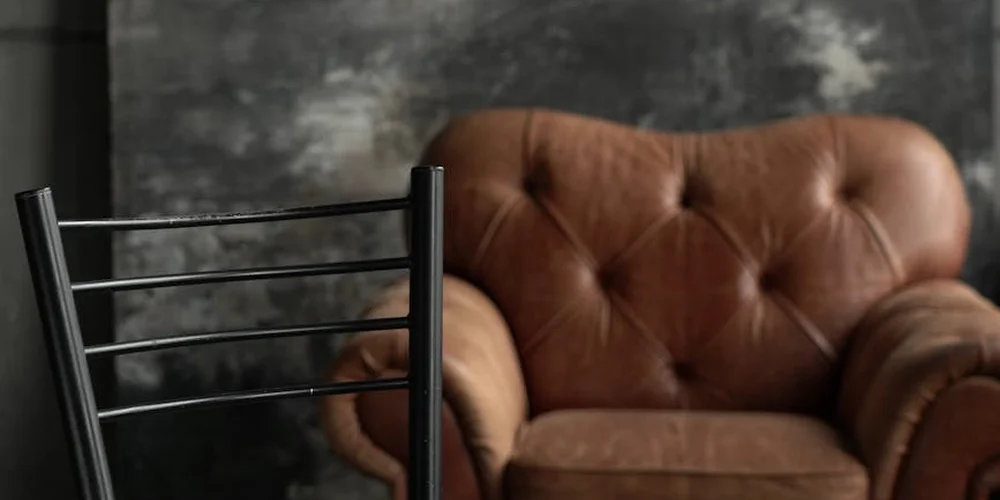
Most water stains on modern leather furniture are not actually damage to the hide. They are usually just a ring of minerals and dirt left behind after the water evaporates. Think of it like a water spot on a clean countertop. The fix is often gentle and straightforward.
You will need two clean, white cloths (old t-shirts work perfectly) and a bowl of distilled water. Use distilled water because tap water has minerals that can cause more spots. This is the same method I used on June’s jacket after a surprise rain shower.
- Dampen one cloth with the distilled water. Wring it out so it is only slightly moist, not dripping wet.
- Gently wipe the stained area in a small, circular motion. You are not scrubbing. You are redissolving the dried residue so you can lift it away.
- Immediately follow by drying the area with your second clean, dry cloth. Press and blot firmly.
- Let the spot air dry completely for about an hour. Do not use direct heat like a hairdryer.
After it’s dry, you might still see a faint ring or a difference in sheen. This is where the magic happens. Take your dry cloth and briskly buff the entire section, going with the grain of the leather. Use firm, fast strokes. This buffing technique generates gentle friction heat that helps redistribute the leather’s natural oils and finishes, often making the stain ring vanish completely. This is how you make a fresh water stain disappear.
When a Simple Wipe Isn’t Enough: The Vinegar Solution
Sometimes, a water spot sits for weeks or has other spills mixed in. It looks darker and won’t budge with plain water. This is when I turn to a mild vinegar solution. The mild acidity helps break down the stubborn residue.
You must always do a patch test first in a hidden area, like under a cushion, to check for any color change or adverse reaction. Mix one part white distilled vinegar with two parts distilled water. That’s a safe, effective dilution.
- Perform your patch test and wait 15 minutes.
- Dampen a clean cloth in the solution and wring it out extremely well.
- Apply it only to the dark water spot, using light, circular motions. Do not soak the leather.
- Blot dry immediately with a second cloth.
- Buff the area vigorously once it’s fully dry to restore the finish.
The goal is to lift the residue, not bleach the leather. You may need to repeat this process gently, with full drying time in between. This method answers how to get a dark water spot off leather that seems set in.
Fixing a Water-Stained Leather Couch or Chair
Treating a large piece of furniture uses the same principles, but with a plan. You cannot clean the entire couch at once. Work on one stained section, one cushion at a time. This prevents overwetting and gives you control.
Start with the gentlest method (distilled water) on the most noticeable stain. If it works, continue the same way across other spots. For tufted leather or seams, use a softer touch and less moisture. You can use a clean, soft-bristled brush (like a horsehair detailing brush) to gently work around buttons and seams.
Thorough drying is your top priority when fixing water stains on a leather couch. After cleaning any section, use a dry towel to blot all moisture away. Then, let the room air dry naturally. Leather drying is a diffusion process; when moisture exits slowly and evenly, the leather fibers stay flexible and crack-free, demonstrating that slow drying prevents cracking. Slow, even drying helps keep the leather supple and the color even. Improve airflow with a fan set on low, placed several feet away. Never point a heater or hairdryer at the leather, as rapid drying is a primary cause of leather cracking and stiffness. This is the real answer to “can a leather couch dry out?”-it can if dried improperly.
Once the entire piece is clean and bone-dry, that’s your moment to restore moisture. Apply a light, pH-balanced leather conditioner to the entire surface, not just the cleaned spots. This ensures even absorption and prevents the treated areas from looking different. Conditioning after addressing water damage is the final, crucial step to keep your couch supple for years.
How to Get Water Stains Out of Leather Shoes, Boots, and Bags
Let’s shift from sofas to the leather pieces you carry and wear every day, like my jacket June or my wallet Scout. A spot on a boot feels more personal. The method is similar, but the execution changes.
Shoes and boots face a different life. They meet rain, snow, and puddles directly. Their finishes are often tougher, meant to repel water. But when water gets past that finish, it can leave a darker, ring-shaped spot on the surface. The leather underneath is still wet.
Caring for Water-Stained Shoes and Boots
Here is your action plan. Speed is your friend.
- Blot any standing water immediately with a clean, absorbent cloth. Do not rub.
- If the inside is wet, stuff the shoe tightly with crumpled paper or a wooden shoe tree. This holds the shape and pulls moisture from the inside out. Let them dry at room temperature, away from direct heat. This can take a full day.
- Once completely dry, assess the stain. Often, it will have faded. If a faint mark remains, it’s likely on the surface finish.
This next step is non-negotiable: you must condition the leather after it dries. Water washing over it strips away natural oils. Your shoe is now thirsty. Properly clean, condition, and waterproof your oiled leather to keep it in top shape.
Use a soft cloth to apply a light, even coat of a quality leather conditioner or cream. Rub it in gently in circular motions and let it absorb. For heavy-duty boots, a leather preservative or oil might be appropriate. The leather will drink it in, restoring flexibility and helping even out the color. You can often buff away the last traces of a water spot at this stage.
So, do water stains come out of leather boots? Usually, yes. With prompt drying and dedicated conditioning, most water marks on shoes and boots will disappear or become barely noticeable.
Rescuing a Leather Bag or Purse
Handling a bag requires a lighter touch. The leather can be more delicate, and you have a lining to consider.
First, empty the bag completely. Check the interior lining. If it’s damp, you must let it dry fully to prevent mold or a musty smell. Stuff the bag with clean paper to help it keep its shape and absorb internal moisture.
For the exterior stain, your goal is to treat only the affected area.
- Take a clean, slightly damp cloth (not wet) and gently wipe the stained area to remove any residue.
- Let it air dry completely.
- Apply a tiny drop of neutral leather cleaner or conditioner to a soft cloth. Dab it onto the stain, blending gently into the surrounding leather to avoid a sharp line.
- Let it dry, then buff with a dry cloth.
The key is to avoid soaking the entire panel; work slowly and locally. The same approach also applies to common stains on leather bags, like ink, oil, or watermarks. Can water marks be removed from leather purses? In my experience, careful spot treatment combined with overall conditioning once it’s dry is very successful. The stain often blends into the leather’s natural character. Targeted cleaning followed by conditioning can address these without soaking the whole panel.
What to Do If the Stain Won’t Budge

Sometimes, despite your best efforts, a pale ring or dark spot remains. This is the hard truth: some water stains, especially old ones or those on certain finishes, become permanent.
Your first realistic next step is a professional leather cleaner. They have specialized tools and solutions that can sometimes lift what home care cannot. It is a viable and often worthwhile option for a cherished piece.
I also think about my jacket, June. She has a few scars and spots that didn’t fully vanish. I’ve come to see them as part of her story. This is patina-the unique record of a leather good’s life. A perfect, uniform color is for new things. A well-cared-for piece with a few honest marks often has more character and warmth than a flawless one.
For those seeking a stronger solution, commercial leather water stain removers exist. Use them with extreme caution. Always test on a hidden area first, like inside a seam. They can alter the leather’s color or finish.
How long does it take for water stains to go away? With immediate action, a surface spot might be gone after drying and conditioning in 24-48 hours. A deeper stain may lighten over several weeks as you condition the leather, but it may not vanish completely. Patience is part of the process.
Keeping Your Leather Safe From Future Spills
The best fix for a water stain is to stop it from happening in the first place. Think of your leather sofa like my old saddle, Mason. I don’t wait for him to get dry and cracked before I care for him. A regular routine keeps him supple and ready for anything.
Proactive, scheduled conditioning is your most powerful tool for preventing permanent water damage.
Why a Fed Hide is a Water-Resistant Hide
Leather is skin. Just like our skin gets dry, leather loses its natural oils over time. When those oils are gone, the fibers become thirsty and will eagerly drink up any liquid that touches them, leading to a deep, dark spot.
Conditioner replenishes those oils. It feeds the leather fibers so they’re plump and healthy. A well-conditioned piece has a protective barrier of oils within its structure. When water hits it, there’s less room for the water to be absorbed, so it tends to bead up on the surface, giving you precious time to blot it away.
Creating a Shield with Protectants
For furniture that sees daily use, I recommend adding a leather protectant spray to your care kit. These sprays lay down a very thin, invisible shield on top of the leather, especially useful for protecting leather from pets and children.
Always test any protectant in a hidden area first, like behind a cushion, to check for any color change or texture difference. Wait 24 hours to be sure.
Here is how to apply one correctly:
- Ensure your leather is perfectly clean and fully dry.
- Hold the can about 6 inches away from the surface.
- Apply a light, even mist, moving the can steadily across the leather. Do not soak one area.
- Let it dry completely, which usually takes a few hours. A second light coat can be applied for high-use areas.
Reapply this protectant every 6 to 12 months, or as directed, especially on arms and headrests.
Smart Habits for Your Space
Care is about routine, not just products. A few simple changes can make a big difference.
- Use coasters for every drink, every time. Condensation from a cold glass is a common culprit.
- Keep leather furniture out of direct sunlight. Sun dries out leather (fading the color) and heat can break down protectant sprays faster.
- Blot spills immediately with a clean, absorbent cloth. Never rub, just press and lift.
- Dust your leather weekly with a dry, soft cloth. Dust particles can be abrasive over time.
These habits, paired with regular conditioning, mean you’ll spend less time worrying about stains and more time enjoying the rich feel of your well-kept leather.
Quick Answers
My leather boots get wet constantly. How do I stop water stains for good?
Prevention is your best tool. After they dry from any exposure, always condition them with a quality leather cream or preservative to replenish the oils water strips away.
I saw a “hack” online using household products. Is that safe for a serious water stain?
Proceed with extreme caution. Many DIY solutions, like harsh soaps or excessive vinegar, can strip finishes or alter dye. When in doubt, testing in a hidden spot or consulting a professional is the safer bet.
The water mark on my leather purse is dark, not white. What does that mean?
A dark spot indicates deep penetration, likely displacing the leather’s natural oils. Let it dry fully, then apply a dab of conditioner specifically to that area to help even out the moisture content and color.
When should I consider a commercial leather water stain remover?
Only as a last resort for a persistent, set-in stain after gentler methods fail. Always perform a stringent patch test first, as these products can permanently alter the leather’s color and texture. This is especially important when dealing with bleach stains on leather, which are notoriously difficult to remove.
Leather Care After the Spill
Act fast with a dry cloth and use a gentle, pH-balanced cleaner. This quick response lifts the moisture without pushing it deeper, which is the best way to stop a stain from setting. For leather care, knowing the best products and methods for cleaning leather helps guide future choices. It also paves the way for selecting trusted cleaners. Let the piece dry slowly, away from direct heat, to keep the leather supple.
Taking care of your leather is a way to honor the material and its source. Every time I condition a jacket like June, I’m reminded that good maintenance is the most sustainable choice, extending a piece’s life for years of use.
Further Reading & Sources
- r/Leatherworking on Reddit: Dried Water stain on leather couch cushion (story in comments)
- How to Remove Old Water Stains from Leather – LeatherNeo
- How to Remove Stains from Leather Furniture | Molly Maid
Harriet is a avid collector of leather goods such as purses, bags, seat covers, etc and has an extensive background in leather care, recovery, stain removal and restoration. She has worked for a number of years perfecting her leather care techniques and knows the ins and outs of restoring all kinds and types of leather products. With her first hand knowledge in leather care, you can not go wrong listening to her advice.
Removing Water Spots and Liquid Spills