How to Fix Sun-Damaged Leather in Your Car
Published on: August 14, 2026 | Last Updated: August 14, 2026
Written By: Harriet Nicholson
Hello Tannery Talk. Seeing your car’s leather seats fade and crack in the sun is a common worry, but it’s often a fix you can handle yourself.
We will cover identifying the type of damage, the right way to clean and condition, methods for color restoration, and simple steps to prevent it from happening again.
As a leather care specialist, I’ve restored heat-damaged pieces like my old saddle Mason, so I can guide you through this repair.
How to Spot Sun Damage on Your Car Leather
Think of your car’s leather like a garden. Healthy leather is like moist, dark soil-rich, supple, and resilient. Sun damage turns it into parched, cracked earth. You notice it first by feel, not just by sight. Run your hand across the seat. Does it feel stiff or rough, like dry paper? That’s your first warning. The surface loses its natural oils.
Next, look at the color. On black seats, sun damage often shows as a faded, ashy gray film. On brown or colored leather, it looks bleached and dull. This isn’t dirt. It’s the top layer crying out for moisture. My jacket, June, got a touch of this last summer. A pale, dry patch appeared on the shoulder. I caught it early.
Left unchecked, the damage goes deeper. You might see deep cracks that look like canyons on a map. A chalky white powder can appear-that’s the last of the natural oils drying out and crystallizing. In the worst cases, the colored coating itself starts to peel or flake off.
Can discolored leather from sun exposure be restored? The answer depends entirely on which stage of damage you’re seeing now. Early dryness and fading are often very fixable. Deep cracks and peeling are a tougher challenge.
What Your Leather Needs: A Damage Assessment
Before you grab any products, you need to know what you’re working with. Start with a simple test. Press your thumb firmly into the leather for a few seconds, then release. Watch closely. Healthy leather will bounce back slowly, leaving no permanent mark. Damaged leather might show white stress lines that fade slowly, or it might not bounce back at all, feeling hard.
This test tells you about the leather’s internal structure. No bounce means the fibers are severely dehydrated and possibly damaged. It’s like my old saddle, Mason, was after a harsh season-it needed serious nourishment, not just a quick wipe.
Surface Fading vs. Deep Damage
Your repair path splits here. Surface fading and that dry, ashy feel mean the leather’s pigments and oils are depleted but the structure is mostly intact. This is a job for deep cleaning and conditioning you can often do at home.
Deep cracking, peeling, or a leather that feels brittle and paper-thin suggests the material’s integrity is compromised. While you can improve its look and feel, a perfect DIY restoration is unlikely, and a professional might be your best bet for a seamless repair.
The Type of Leather Matters
Most car interiors use corrected grain or heavily coated leather. This means the surface has been sanded and given a uniform pigment layer. This coating protects but can crack. Repairing these types often focuses on replenishing the base and touching up the color layer, rather than altering the leather’s core character like you would with a veg-tan wallet like Scout.
A smart trick is to check a hidden area. Look under the seat or behind a headrest where the sun hasn’t hit. This shows you the leather’s original color and suppleness—your true restoration goal. Compare this hidden spot to the damaged area. If the color is just faded, you’re in luck. If the texture itself is gone, the job is more complex.
Step-by-Step: Restoring Your Sun-Baked Leather
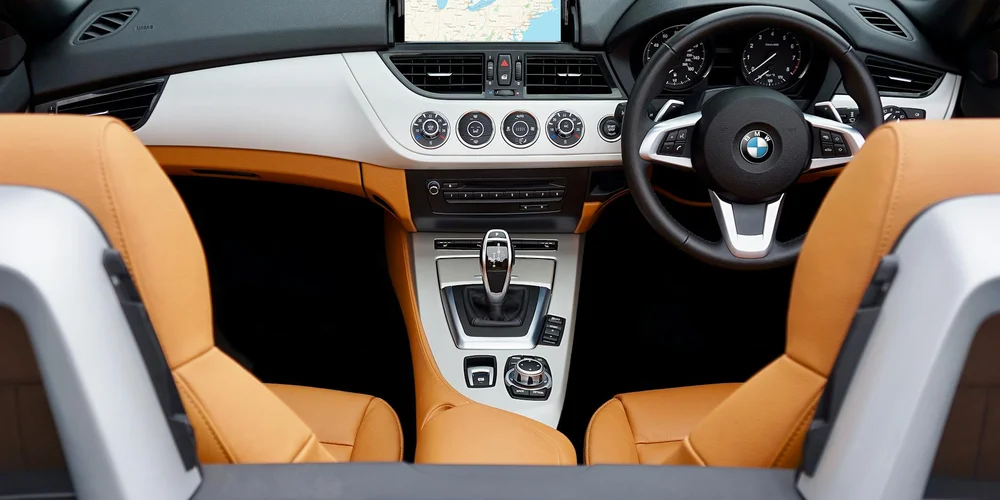
Seeing faded, stiff leather in your car can feel discouraging. I’ve felt that way looking at a dried-out old belt or bag. The good news is leather is resilient. We can bring it back by following three clear phases: Clean, Nourish, and Revive Color. Think of it like caring for sunburned skin. You clean it gently, add moisture, then help it heal. Let’s walk through it together.
Step 1: The Deep Clean
You must clean first. Applying conditioner over dirt and body oils is like trying to moisturize your skin through a layer of dust. It just won’t work. Start with the right tools.
- A soft, clean microfiber cloth.
- A soft-bristled brush (an old toothbrush works).
- A pH-balanced leather cleaner made for automotive interiors. These are gentle and won’t dry out the leather further.
Spray the cleaner lightly onto your cloth, not directly onto the seat. Wipe the surface using small circles. Use the soft brush to gently agitate the cleaner along the stitches where grime hides. Wipe away the loosened dirt with a clean, damp part of your cloth.
The most important part is to let the seat dry completely, which usually takes about an hour. If you rush and apply conditioner to damp leather, you’ll seal in moisture and could cause mildew. Patience here makes everything else easier.
Step 2: Conditioning and Repairing the Leather
Now we nourish. Heat and sun bake out the leather’s natural oils, leaving it brittle and prone to cracking. A good conditioner replaces those lost oils. For my jacket June, I use a light conditioner. For a severely parched car seat, you might need something richer.
Apply a small amount of conditioner to a clean cloth. Work it into the leather in thin, even layers. Using your bare hands is best—your body warmth helps the product soak in deeper. Cover the entire surface, not just the faded spots, especially if you’re repairing faded and flaking leather on a couch, sofa, or chair.
Let the conditioner absorb fully, often overnight, before you decide if it needs a second coat. The leather should feel supple, not sticky.
For existing cracks, conditioning helps but won’t fill them. This is where repair happens. Use a dedicated leather filler or heavy balm. Apply a tiny amount into the crack with a fingertip or plastic spatula, like smoothing spackle into a small hole in a wall. Let it cure as directed. Once dry, you can lightly sand it flush with the surrounding leather using very fine grit sandpaper.
Step 3: Addressing Color and Protection
After cleaning and conditioning, you’ll see the true state of the color. For mild, even fading, a pigment-enhancing conditioner can add a touch of color back while it moisturizes. For severe discoloration or bleached spots, a leather dye or refinisher is the next step.
Always, always spot-test any color product in an inconspicuous area first, like the back side of a seat bolster. Check it in different lights after it dries to ensure you’re happy with the match.
If you use a dye, apply it in several very light coats with a sponge or soft cloth, letting it dry between each one. Building color slowly looks more natural than one thick, sticky coat.
The final, non-negotiable step is protection. You must shield your work from the sun that caused the problem. Apply a leather protectant formulated with UV inhibitors. This creates a barrier against future fading and makes future clean-ups easier. Reapply this protectant every few months for the best defense.
Choosing Your Tools: A Simple Product Guide
Fixing sun-damaged leather car seats is about having the right tool for each job. Proper care and protection can extend their life. Here’s how to build your toolkit based on function, not just brand names.
Cleaners
Look for a dedicated leather cleaner, not an all-purpose interior detailer. A pH-balanced formula is safest. Avoid anything with harsh solvents or abrasives, such as vinegar, alcohol, or soap. A gentle cleaner lifts dirt without starting a new problem.
Conditioners & Balms
This is where you choose based on need. A light conditioner is for regular maintenance on leather that’s still fairly supple. A heavy balm or paste is for leather that feels stiff and looks thirsty-it’s a deep treatment. Balms often contain beeswax or lanolin, which create a stronger moisture barrier, perfect for car interiors facing extreme temperatures.
Color Restorers
These come in two main types. Pigment-enhancing conditioners add a small amount of color and are great for overall, light fading. Leather dyes or refinishing kits are for serious color correction. They require more care but can make a dramatic difference.
Protectants
Don’t skip this. A quality leather protectant will list UV inhibitors or blockers on the label. It’s the sunscreen for your seats. Some conditioners have protectants built in, but for a car, a dedicated product is often stronger.
When you look at labels, seek out companies that are transparent about sourcing and ingredients. Quality products from responsible makers tend to perform better and last longer, which means less waste and fewer repeated treatments. Your leather, and the animal it came from, deserves that care.
How to Keep Your Car Leather Safe from the Sun
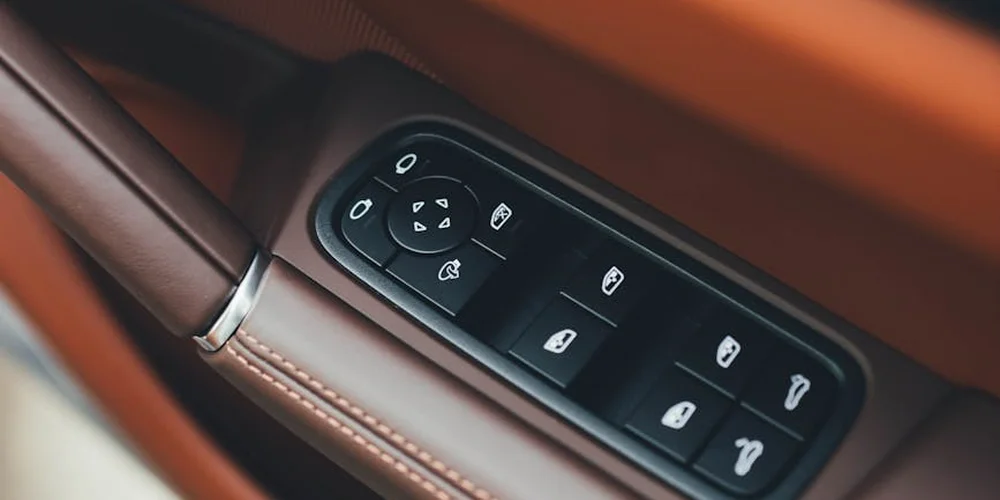
Think of sun protection for your car seats like sunscreen for your skin. It’s a daily habit, not a once-a-year chore. The goal is to stop damage before it starts, keeping the leather supple and its color true for years. Protecting and covering your leather seats is just as crucial when it comes to long-term care.
Build Simple, Immediate Habits
Your first line of defense costs almost nothing. These are the small actions that make a big difference every single day.
- Use a reflective sunshade. Place it in your windshield every time you park. It deflects heat and intense light, protecting your dashboard and front seats directly. It’s the most effective single thing you can do.
- Crack your windows slightly. Just a small gap allows hot air to escape. Trapped heat bakes the leather, speeding up drying and fading. This is especially crucial on hot, sunny days.
- Park in the shade. Always look for a tree, a building, or a covered garage. If you have a choice between a sunny spot and a shady one, the shade always wins. Your leather will thank you.
Consistency with these three habits drastically slows down the aging process caused by sun and heat.
Conditioning is Your Preventative Medicine
Leather is skin. Just like skin, it loses its natural oils over time, especially when baked in a hot car. Dry leather cracks. It also fades faster. Conditioning replaces those lost oils. This is where the science of conditioning oils and waxes—how they penetrate the hide to protect and hydrate it—comes in. Understanding this helps explain why the right products restore suppleness and longevity.
I condition my leather jacket, June, every four months. Your car seats need the same care.
- Clean first. Use a gentle, pH-balanced leather cleaner and a soft brush or microfiber cloth. You must remove dirt and body oils so the conditioner can soak in properly.
- Apply a quality conditioner. Use a product made for automotive leather. Apply a thin, even coat with a clean cloth. Buff off any excess after 5-10 minutes.
- Let it absorb. Try to park in a cool, shaded area afterward so the conditioner soaks in deeply without immediately baking off.
Aim to do this every 3 to 6 months. If your car lives in a very hot, sunny climate, lean toward the 3-month mark. Regular conditioning keeps the leather fibers nourished and resilient, creating a barrier against UV damage and heat stress.
Consider Professional Window Tinting
For a more permanent solution, look into professional-grade ceramic window tint. This isn’t about dark windows for looks.
High-quality ceramic tint is designed to block over 99% of harmful UV rays and a significant amount of infrared heat. It filters the sunlight coming through all your windows, protecting every surface inside your car. It is an investment, but it works constantly, even while you’re driving.
So, how do you prevent further sun damage? You build a shield. Combine daily habits like using a sunshade with seasonal care like conditioning. It’s the same simple, attentive routine I use for June. A little consistent attention preserves the feel and the beauty of the leather for the long drive ahead.
Common Questions
My leather just feels dry and looks faded. What’s the very first thing I should do?
Start with a deep clean using a pH-balanced leather cleaner, then immediately follow with a heavy, oil-rich conditioner. Curious about the best products and methods for cleaning leather? This routine reflects widely recommended steps. Finish by applying a protectant with UV blockers to shield it from further sun exposure.
What’s the one product I shouldn’t skip if I want to restore color?
For faded but intact leather, a pigment-enhancing conditioner is key-it adds a touch of color while it nourishes. For severe bleaching, a proper leather dye is necessary; condition first, then apply the dye in thin, layered coats. When restoring color, it’s important to use reliable techniques and products that won’t damage the leather further.
I’ve conditioned my seats, but they’re still discolored. What now?
Conditioning hydrates but doesn’t replace lost pigment. You need to move to a color-refinishing step using a leather dye or refinisher, always after the leather is clean and conditioned.
Can I just use any leather conditioner from the store on my car seats?
No. Avoid generic or all-purpose products. Use a conditioner formulated for automotive leather, as it’s designed for the high temperatures and heavy use a car interior endures.
How often should I really be treating my car’s leather to prevent this?
For prevention, clean and condition every 3 to 6 months. In hot, sunny climates, lean toward the 3-month mark to constantly replenish the oils the sun bakes out.
Final Thoughts on Sun-Damaged Leather
Prevention is always simpler than the repair. Using a sun shield and keeping your leather conditioned are the most effective ways to protect your car’s interior from the start. A consistent, light conditioning habit does more to prevent damage than any heroic restoration effort after the fact.
Responsible leather care means choosing conditioners from brands committed to animal welfare and sustainable sourcing. Your care routine extends the life of a valuable material, a practice that rewards you with a beautiful, supple feel for years.
Citations and Authoritative Sources
- Summer Leather Care: Refreshing Sun-Damaged Leather – Leather Honey
- r/howto on Reddit: Fixing sun damaged leather car seats.
- How toFix Sun-Damaged Car and Motorcycle Seats | Fibrenew International
- Really dry, sun damaged leather seats – product and procedure recommendations needed | Auto Geek Online Auto Detailing Forum
- How to Prevent Sun Damage to Leather | Fibrenew International
Harriet is a avid collector of leather goods such as purses, bags, seat covers, etc and has an extensive background in leather care, recovery, stain removal and restoration. She has worked for a number of years perfecting her leather care techniques and knows the ins and outs of restoring all kinds and types of leather products. With her first hand knowledge in leather care, you can not go wrong listening to her advice.
Car Interior and Auto Leather Care