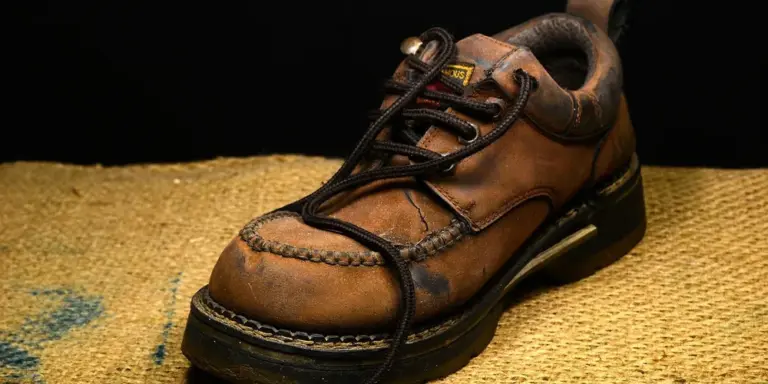
Is Cowhide Leather Safe for Animals? A Practical Guide to Properties and Sourcing
Published on: May 21, 2026 | Last Updated: May 21, 2026
Written By: Harriet Nicholson
Hello Tannery Talk. That nagging question about animal welfare and leather is a sign you care deeply about your craft. Let’s address it together.
We will cover what cowhide leather actually is, how it connects to global food systems, and the tangible markers of responsible, ethical sourcing.
My years of hands-on work conditioning pieces like my saddle Mason and repairing my jacket June have taught me to respect both the material and the life behind it.
What Is Cowhide Leather, Really?
At its simplest, cowhide leather is a natural material. It’s the tanned and preserved skin of a cow. Think of it less as a primary product and more as a byproduct. The vast majority of hides come from animals raised for meat and dairy. This is a key starting point for any discussion about leather.
The structure of cowhide is what gives it character. It’s dense, fibrous, and naturally breathable. This structure creates its famous durability and that unique, varied grain pattern you can see and feel. My jacket, June, has a soft handfeel but you can still sense the strength in her seams. Leather breathes with you; it absorbs moisture and releases it, which is why it feels comfortable in different weather. It’s not split cowhide leather, which tends to be less resilient.
Understanding the Different Types
Not all cowhide leather is the same. The main types are defined by how much of the hide’s surface is left untouched. A good analogy is comparing different cuts of cowhide leather to cuts of wood.
- Full-Grain Leather: This is the entire, un-sanded outer surface of the hide. All the natural grain, including scars and insect bites, remains. It’s the most durable and develops the richest patina over time, like a wooden table that gains character with use. My wallet, Scout, is made from this. It’s stiff at first but molds perfectly to your pocket.
- Top-Grain Leather: This is the most common type. The very top layer is lightly sanded or buffed to remove minor imperfections, creating a more uniform look. It’s still very strong but breaks in a bit faster and accepts dyes more evenly. Many quality bags and furniture use this.
- Corrected-Grain Leather: Here, the surface is heavily sanded to remove significant flaws. An artificial grain pattern is then embossed onto it and a heavy finish or pigment is applied. It’s very uniform in color and texture, like laminate wood. It’s less breathable and won’t develop a natural patina, but it’s often more affordable.
Choosing between them is about balancing a desire for natural character with a need for uniformity and a specific budget.
Where You’ll Find Cowhide Leather
Its strength and versatility make cowhide incredibly common. You interact with it more than you might think.
- Apparel: Jackets (like June), boots, belts, and gloves.
- Footwear: From work boots to dress shoes.
- Furniture: Sofas, chairs, and ottomans that last for decades.
- Automotive: Car seats, steering wheels, and gearshift boots.
- Goods: Wallets (like Scout), bags, luggage, and watch straps.
Mason, my old English saddle, is a perfect example of cowhide built for a tough, specific job. It withstands pressure, moisture, and friction that would destroy most synthetic materials.
Is Cowhide Leather Ethical? The Core Question
This is the heart of the matter for many people. “Is it ethical?” doesn’t have a single, simple answer. It depends on your personal values and the specific practices behind the leather you buy.
First, let’s talk about “cruelty-free.” In the strictest sense, since animal hide is involved, traditional leather is not considered cruelty-free by vegan standards. However, the context of sourcing matters enormously. The leather industry is largely tied to the meat and dairy industries. The ethical focus, therefore, shifts from the act of taking the hide to the quality of the animal’s life and death before that point.
The Sourcing Process and Animal Welfare
Hides are typically a small part of an animal’s total value. They are sourced from slaughterhouses that process animals for food. The direct connection to animal welfare is clear: better welfare practices on the farm and during transport generally result in higher-quality hides with fewer scars, brands, or scratches.
This creates a practical incentive for better treatment, as damaged hides are less valuable for premium leather goods.
Some tanneries and brands now actively seek hides from farms with certified higher welfare standards, or even from breeds raised primarily for dairy where the hides are a byproduct. You can look for certifications from groups like the Leather Working Group, which audits environmental and traceability practices, though their direct animal welfare standards are still evolving.
A “Nothing Wasted” Perspective
From a traditional and resource-based viewpoint, using the hide is part of a “nothing wasted” approach. When an animal is processed for food, utilizing the hide to create a durable, long-lasting material like leather can be seen as a respectful use of the entire animal. This contrasts with petroleum-based plastics used for vegan leather alternatives, which are non-biodegradable and rely on fossil fuels.
This perspective asks you to consider the entire lifecycle of a material. A well-made leather jacket can be used for 30 years, repaired and maintained, and even passed down. Its durability is part of its ethical equation.
Framing Your Own Ethical Stance
As a buyer, you get to decide what matters most to you. Here is a simple way to frame your questions before a purchase.
- Ask About Origin: Can the brand or seller tell you where the leather is tanned? Tanneries in countries with stronger environmental and labor regulations often provide more transparency.
- Look for Certifications: Check for tags or website information about environmental stewardship (e.g., LWG Gold rating) or membership in groups promoting responsible sourcing.
- Choose Quality Over Quantity: Buying one well-made, full-grain leather bag that lasts 20 years is often a more ethical choice than buying several cheap, corrected-grain or synthetic bags that wear out quickly and cannot be repaired.
- Consider Secondhand: Buying vintage or used leather goods extends the life of the material and does not drive new demand. Giving a piece like Mason or June a second life through proper care is a deeply ethical practice.
Your most powerful tool is asking questions and choosing products built to last, which honors the material regardless of its origin.
How to Find Ethically Sourced Cowhide Leather
Start with a simple premise. A brand that cares about its leather’s origin wants to tell you about it. If you have to dig through five pages of a website to find a single sentence, that’s your first clue. Look for information that is easy to find and easy to understand.
Your Action Plan for Responsible Buying
Follow these steps when you’re researching a new leather item.
- Visit the brand’s “About,” “Story,” or “Craftsmanship” pages. This is where they often share their values. Do they mention specific tanneries or regions? Phrases like “sourced from responsible suppliers” are vague. Names and places are specific and build trust.
- Look for third-party certification logos. These are not marketing badges. They are audits. The most recognized for environmental standards is the Leather Working Group (LWG). An LWG-certified tannery is regularly assessed on its energy use, water treatment, and chemical management. It’s a strong signal of environmental responsibility.
- Ask direct questions. If the information isn’t online, contact the seller. I often ask: “Can you share which tannery produced this leather?” and “Is this leather a by-product of the meat industry?” Clear, direct answers are a good sign. Hesitation or evasion is not.
Vegetable Tanning vs. Chrome Tanning: A Matter of Process
This choice impacts the environment, the workers, and your leather’s character.
Vegetable tanning uses natural tannins from tree bark, leaves, and fruits. It’s an older, slower process. The leather ages beautifully, developing a rich patina like my English saddle, Mason. Environmentally, it uses fewer harsh chemicals. The wastewater is more biodegradable. For the craftsperson, it’s generally safer to work with.
Chrome tanning uses chromium salts. It’s fast, efficient, and produces very soft, water-resistant leather-ideal for many jackets and bags. The environmental concern comes from wastewater treatment. A responsible, certified tannery will manage this rigorously. The leather itself is perfectly safe for you once processed.
Neither is inherently “good” or “bad.” The key is responsible practice. A chrome-tan leather from an LWG Gold-rated tannery can be a more ethical choice than a veg-tan leather from a polluting, unregulated facility. Always look for the certification that backs up the claim.
How Does Cowhide Compare to Other Leathers?
People often ask if bison or buffalo is “upgraded” cowhide. It’s not an upgrade. It’s a different material for a different job, like comparing heavyweight denim to a chambray shirt.
Here is a direct comparison of these robust leathers.
| Leather Type | Thickness & Feel | Grain Texture | Common Uses |
| Cowhide | Consistently thick, firm handfeel. The reliable workhorse. | Tight, uniform grain. A smooth, clean canvas. | Belts, work boots, structured bags, furniture. |
| Bison/Buffalo | Softer and more pliable at similar thickness. Luxuriously supple. | Wild, pronounced grain with unique marks and wrinkles. | Premium jackets, soft over-the-shoulder bags, unique wallets. |
Bison is not necessarily better. It is different. That dramatic grain is stunning but can show scratches more readily than cowhide’s tighter surface. Cowhide offers predictable durability, while bison offers unique character and a softer drape right away. My jacket, June, is supple calfskin cowhide; it broke in beautifully but has a more uniform look than a bison hide would.
A Word on Other Leathers
Sheepskin and goatskin are much thinner and softer. They are fantastic for gloves, lightweight jackets, and lining. They’re often confused with shearling leather but have distinct qualities. They lack the structural strength of cowhide. Exotic leathers like alligator or ostrich have entirely unique textures and care requirements. They are specialty items. For daily durability and ease of care, cowhide remains the accessible, versatile standard. It’s the leather I trust for my daily carry, like Scout my wallet, because I know exactly how it will behave year after year.
Cowhide Care: How to Clean, Condition, and Preserve Your Items
Think of leather care like watering a plant. You don’t wait until it’s brittle and brown. A little regular attention, such as using proper leather conditioners, keeps your gear looking and feeling its best for years.
Step-by-Step Routine Cleaning
You don’t need harsh chemicals. A gentle saddle soap or pH-balanced leather cleaner works for almost everything. I do this for my own gear, like Mason’s saddle, a few times a year.
- Use a soft, dry cloth or brush to remove loose dirt and dust. Scrubbing grit in first can scratch the surface.
- Dampen a clean, soft cloth with water, then work a small amount of cleaner into a lather directly on the cloth. Less is more.
- Gently wipe the leather in small, circular motions, focusing on one section at a time. Avoid soaking it.
- Wipe the area immediately with a second clean, damp cloth to remove any soapy residue.
- Let the item air dry completely, away from direct heat. This can take a few hours.
A common mistake is using too much water or soap, which can strip natural oils and leave a dull film.
Conditioning: Listen to the Leather
Conditioner is the leather’s drink of water. It replaces the oils that evaporate over time. The best guide is your own touch when deciding between conditioner and waterproofing spray.
Test a small, inconspicuous spot first. Then, if the leather feels stiff, dry, or looks thirsty (a faded, chalky look), it’s time. For my daily wallet, Scout, that’s about every six months.
- Use a soft cloth to apply a thin, even layer of a quality leather conditioner or balm.
- Rub it in thoroughly with your fingers in a circular motion. The warmth of your hand helps it penetrate.
- Let it absorb fully, often for 30 minutes to an hour. Wipe away any excess with a clean cloth.
- The leather will usually darken slightly when wet but lighten back to a richer version of its original color as it dries.
If the leather still feels dry after 24 hours, you can apply a second, lighter coat.
Handling Common Stains and Spills
Act fast. For water-based spills (coffee, soda, rain), simply blot-don’t rub-with a clean, absorbent cloth and let it air dry fully. Rubbing can grind the stain in.
For oil or grease, sprinkle a little cornstarch or talc on the spot to absorb it. Let it sit overnight, then brush it off. You may need to repeat this. Avoid solvents, which can damage the finish.
Salt stains from winter are tricky. Make a solution of one part white vinegar to three parts water. Dampen a cloth with it, wipe the stain, then immediately follow with a clean water-dampened cloth. Condition the area afterward, as vinegar can be drying.
Proper Storage is Preventative Care
How you put your gear away matters as much as how you use it.
- Always store leather in a cool, dry place with some air circulation. A damp basement or hot attic invites mold and dryness.
- For jackets or bags, use a broad, padded hanger to support the shoulders and maintain shape.
- Never store leather in a plastic bag, as this traps moisture. A breathable cotton pillowcase is a better option.
- For long-term storage, condition the item first and give it a little room so it isn’t crushed or tightly folded, which can cause permanent creases.
A Note on Uncommon Uses
You might see cowhide used for things like welding aprons or dog collars. These are extreme-duty applications. The care principle remains the same: clean off contaminants and condition regularly, but these items will need far more frequent attention due to intense wear and exposure. For a pet item, use only conditioners marked as non-toxic and pet-safe once fully dry.
Making Your Choice: A Practical Summary
When we ask if cowhide is “safe for animals,” the real question is about our responsibility. Safety is found in supporting ethical sourcing-farms with high welfare standards and tanneries that respect the animal by fully utilizing its hide and managing waste responsibly.
The properties of cowhide make this respect practical. Its dense fiber structure creates incredible durability, able to handle daily wear for decades. Its natural breathability and ability to hold finishes give it wide versatility, from rugged boots to a soft jacket like June. Choosing a well-made cowhide item is often the most durable choice, which means buying less over a lifetime.
Use this knowledge as your tool. Look for transparency from brands. Ask about tannery certifications. A conscious consumer values both the material’s origin and its long-term care.
There is a quiet value in caring for something made to last. Cleaning, conditioning, and storing your leather gear properly isn’t just maintenance. It’s a way to honor the material and the craft. With simple care, a good leather piece doesn’t just last for years-it tells a better story with each one. Proper storage is a key part of that care. Storing leather goods correctly helps prevent damage and extend their lifespan.
Common Questions
Does the way leather ages tell me anything about its ethics?
A genuine, natural patina that develops beautifully over years is a sign of full-grain or top-grain leather from a quality hide. Hides from stressed animals often have more blemishes that get sanded away and covered with heavy paint in lower-tier leathers, which won’t develop a patina.
As a consumer, what’s my biggest lever for ethical impact?
Buy less, but buy better. Choose full-grain items built to last decades and commit to maintaining them. This reduces waste and honors the material, making the most of the resource.
How does proper care connect to ethical sourcing?
Ethical sourcing gets the hide responsibly, but proper care fulfills the promise. Conditioning and cleaning preserve the item for years, ensuring nothing is wasted. A dry, cracked piece betrays that intent.
Can I spot ethically sourced leather just by looking at it in a store?
Not definitively, but you can spot red flags. Avoid leather that feels plasticky, has a perfectly uniform, printed-on grain, or a thick pigment coat that cracks. These often mask poor-quality hides. Ask for the tannery’s name.
Caring for Your Leather, Responsibly
When you buy leather, you’re choosing the final chapter of an animal’s story. The most powerful choice you can make is to buy from brands that provide clear information about their leather’s origin and tannery. This transparency is your best guarantee for animal welfare and environmental care.
Honor that choice by caring for your piece properly. Regular conditioning and prompt repair extend its life for years, which is the most sustainable practice of all. Building your skills in leather maintenance deepens your respect for the material and the craft behind it.
References & External Links
- Insulated Cowhide Leather Glove – Hand Safety
- Amazon.com: Safety Razor Head Protecting Leather Cover, Genuine Cowhide Leather Double Edge Safety Razor Case Accessories for Travel, Butterfly Razor Case (Vintage Brown) : Beauty & Personal Care
- Types & Identifying Tips of Cowhide Leather – Artsome
Harriet is a avid collector of leather goods such as purses, bags, seat covers, etc and has an extensive background in leather care, recovery, stain removal and restoration. She has worked for a number of years perfecting her leather care techniques and knows the ins and outs of restoring all kinds and types of leather products. With her first hand knowledge in leather care, you can not go wrong listening to her advice.
Vegetable-tanned vs. Chrome-tanned Care