How Does Leather Patina Develop? Your Guide to Character and Care
Published on: September 23, 2026 | Last Updated: September 23, 2026
Written By: Harriet Nicholson
Hello Tannery Talk. You might look at a new leather good and wonder how it will age, or feel concerned that every scratch is a mistake.
This article will walk you through the beautiful process. We will cover what patina truly is, how daily use writes its story, and the simple care that guides its character.
I have conditioned, repaired, and watched this evolution for years on pieces like my trusted saddle Mason and my everyday wallet Scout.
Is Patina Just Wear and Tear?
Think of patina not as damage, but as a story written into the leather. It is a gentle transformation that adds depth and personality. Imagine your favorite wooden tool, like a well-used hammer handle. It starts smooth and light, but over years, your grip polishes it to a warm, dark sheen. That is patina. It is the leather becoming more itself through time and touch.
Patina is the even, gradual change in color and texture that comes from careful use, while damage is sudden and harmful. A deep scratch from a sharp edge or a stubborn stain from a spill are signs of damage. Patina, on the other hand, shows up as soft creases, a richer color, and a smoother feel. It is the difference between a scar and a laugh line.
Look at my own leather companions. Mason, my English saddle, has a deep chestnut hue after eight years of rides. The leather is supple, with a slight sheen where my legs rest. June, my calfskin jacket, has light creases at the elbows that feel soft, not cracked. Scout, my veg-tan wallet, started a uniform brown but now has darker spots from my fingers, telling the story of every time I’ve opened it. These are all examples of patina in action.
To encourage good patina and avoid damage, follow these simple steps. First, clean your leather gently with a pH-balanced cleaner and a soft brush every few months. This removes dirt without stripping natural oils. Second, condition it with a neutral leather conditioner. Apply a thin coat, let it soak in for an hour, then buff off any excess. This keeps the fibers healthy so patina develops evenly. A common mistake is over-cleaning or using harsh chemicals, which can dry out leather and lead to cracks instead of a nice patina. If you see a deep scratch, you can sometimes minimize it by applying a small amount of conditioner to the area and gently rubbing it in with your fingers.
The Deep Science of a Leather Patina: What’s Happening to Your Leather?
At its core, patina is a slow dance of chemistry and physics within the leather fibers. Think of leather as a network of collagen fibers, like a tiny, tough sponge. Over time, these fibers slowly break down from flexing and exposure. Natural oils from the leather itself and from your hands move through this network, rising to the surface. At the same time, oxygen in the air reacts with the leather’s tannins in a process called oxidation. This combination softens the leather and changes its color.
Light, air, and the oils from your skin are the main artists creating the patina on your leather goods. Sunlight and humidity can gently fade or darken the dye, depending on the leather type, and speed up oxidation. The natural oils and slight acidity from your hands interact with the tannins, often darkening the leather in the spots you touch most. It is a unique conversation between you and the material.
This process is similar to how denim fades or silver tarnishes, but with its own rhythm. Denim fades primarily from friction and washing, creating high-contrast marks. Silver tarnishes from sulfur in the air, forming a uniform layer. Leather patina is more complex-it combines oil migration, oxidation, and physical wear to create a one-of-a-kind look. For example, the way June’s jacket creases is like denim at the knees, but the way Scout’s wallet darkens is more like an old book cover gaining character.
Your care routine directly influences this science. Conditioners interact with the leather’s collagen fibers, shaping how they move and age. Understanding this interaction helps explain why dose and duration matter. Regular conditioning with a light, oil-based conditioner feeds the collagen fibers, slowing excessive breakdown and preventing dryness. But using too much product can clog the fibers and stop patina from forming naturally. A common fix for leather that feels too dry and stiff is to apply conditioner, let it sit overnight, and then wipe it off. This mimics the slow oil movement that builds patina. Avoid storing leather in direct sunlight or plastic bags, as this can cause uneven fading or mildew, which interrupts the graceful aging process.
What Makes One Leather Patina Differently Than Another?
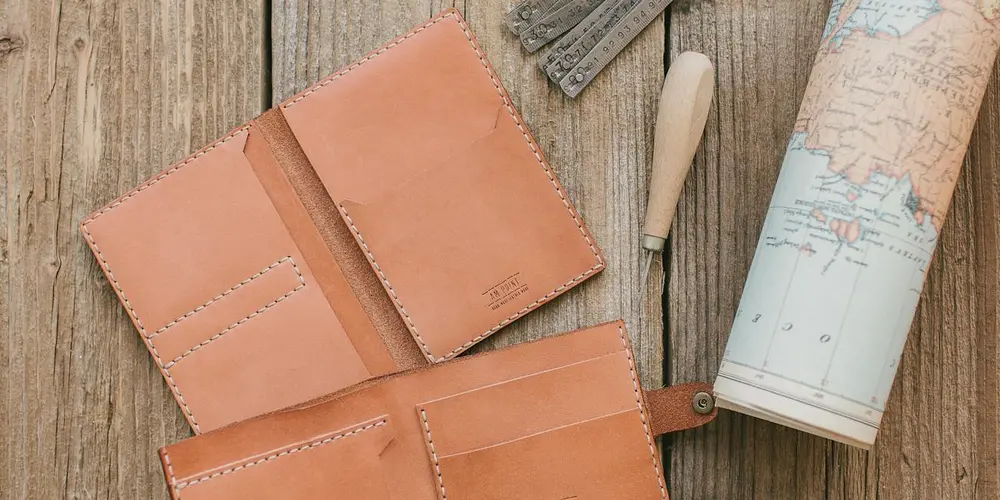
Not all leathers age the same way. The unique character your bag or jacket develops depends on how it was made from the start. Think of it like this: two pieces of wood will weather differently if one is pine and the other is oak. The core factors are tannage, finish, and the leather’s surface.
Tannage: The Foundation
Tannage is how raw hide is turned into stable leather. The method sets the stage for everything.
- Vegetable-Tanned Leather: Tanned using natural materials like tree bark. This leather starts light and ages dramatically. It darkens with light and develops rich, warm tones from handling. My wallet, Scout, is veg-tan. Its dark brown color came from my hands and the sun, not a dye bottle. It’s patient leather that tells your story.
- Chrome-Tanned Leather: Tanned using mineral salts. This process is faster and makes leather very soft and water-resistant from the start. It holds its original color much longer. When it does patina, it often shows as soft creases and a general mellowing, rather than a deep color change. June, my jacket, is chrome-tanned calfskin. Its creases are soft and supple, not dark and dramatic.
Finish & Surface: The Canvas
This is about what’s on top of the tanned hide.
- Aniline or Semi-Aniline Finish: These finishes let the natural grain show through with little to no pigment coating. They are like a thin stain on beautiful wood. They absorb oils and light easily, so they develop a patina quickly and beautifully. They can be more susceptible to stains.
- Protected or Pigmented Finish: This leather has a coating of pigment on top, like a layer of paint. It’s very uniform and scuff-resistant. Patina on this leather shows mostly as a “worn-in” look on high-contact areas where the coating slowly polishes away, rather than an all-over color shift.
- Full-Grain Leather: This is the top layer of the hide, with all its natural grain intact. It’s the strongest and develops the most character. Every scar and wrinkle will age uniquely.
- Corrected-Grain Leather: The surface has been sanded or buffed to remove imperfections, then often embossed with a new pattern. It will wear, but the patina will be less varied because the natural grain is gone.
Direct comparisons help this make sense. Pull-up leather (usually full-grain aniline) has lots of oils and waxes. When you bend it, it lightens temporarily where the oils are displaced, like stretching worn denim. Bridle leather (a dense, veg-tan leather) builds a deep, glossy polish over years of wear and care, like the seat of a favorite wooden chair.
Animal Origin: The Starting Texture
Where the leather comes from changes its starting point.
- Cowhide: Durable and thick. It develops a robust, workman-like patina with deep creases and a solid feel. Think of Mason, my saddle.
- Calfskin: Finer and softer than cowhide. It creases into finer lines and develops a silky, elegant sheen with care.
- Shell Cordovan: This isn’t a skin type, but a specific muscle layer from a horse’s rear. It has almost no visible grain. It doesn’t crease; instead, it develops rolling waves and an incredible, glass-like shine with polishing that is unique to it.
How Do You Care for Leather to Encourage Good Patina?
Good patina comes from life and light care. Your goal is to support the leather, not smother it. Over-care is a common mistake that can clog the leather’s pores and create a waxy, lifeless build-up.
Your Core Patina Care Routine
Follow these steps only when the leather feels dry or looks dirty. For most items, this might be once or twice a year. Regular conditioning helps prevent cracking and drying out, keeping leather supple. This simple care step supports long-lasting color and texture.
- Gentle Cleaning: Start with a soft, dry brush or cloth to remove dust. For grime, use a damp cloth with a drop of pH-neutral saddle soap. Wipe in circles, then with a clean damp cloth to remove soap residue. Let it dry completely, away from direct heat.
- Mindful Conditioning: This is where you replace lost oils. Use a small amount of a natural conditioner, like a light balm or oil. Apply a thin layer with your fingers or a cloth, rubbing it in thoroughly. The leather should drink it in, not sit wet on top. If there’s residue after 15 minutes, you used too much. Buff off any excess with a clean, dry cloth.
- Strategic Protection: Not all leather needs this. For items facing rain or spills, a light spray of a water-based protector can help. Test it on a small area first. It will slightly darken the leather temporarily, but this usually fades as it dries.
Answering Your Patina Care Questions
I often hear the same worries from people who love their leather.
“Will conditioner ruin the color or make it too dark?” Most conditioners will darken leather slightly while wet. This is normal. As it soaks in and dries over 24 hours, the color usually returns close to its original shade, just richer and healthier. Using too much product is what causes permanent darkening or spots.
“I’m afraid to make it too soft or ruin the structure.” A good conditioner nourishes without breaking down the fibers. Conditioning once or twice a year won’t turn a structured bag into a slouchy pouch. That change comes from years of daily use, which is the patina you want.
Advocating for responsible sourcing means choosing care products from companies that are transparent about their ingredients and their respect for the animal source. Look for natural formulations and brands that align with a ethos of stewardship, from the ranch to your hands.
Are Some Leathers Made to Patina Faster?
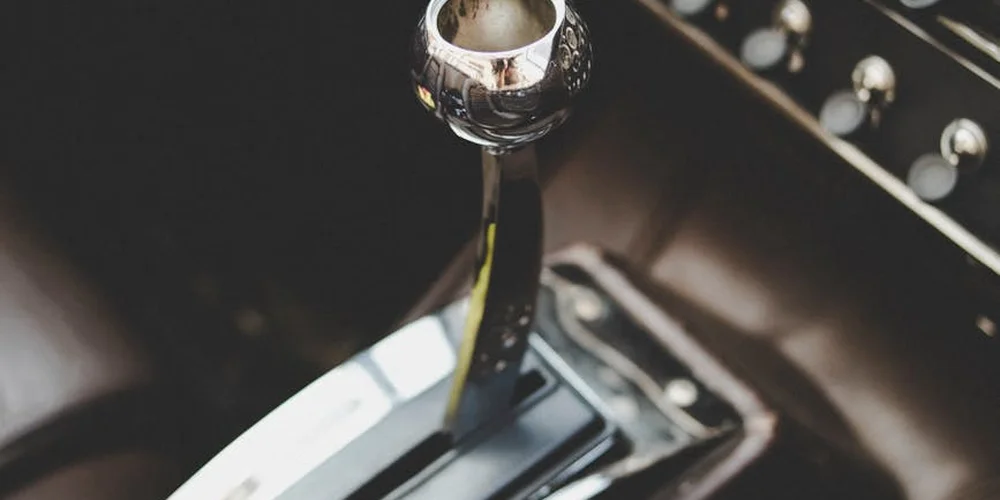
Yes, absolutely. Some leathers are created with a specific purpose: to show your story, and to show it quickly. These hides are less protected by factory-applied finishes. They are designed to interact with the world. Let’s look at the most common ones.
Naked Vegetable-Tanned Leather
This is the classic. Think of my wallet, Scout. When new, it’s a pale, uniform tan. This leather is tanned with natural materials like tree bark. It has no pigment or plastic topcoat to shield it. The tanning chemistry—the agents and bindings used—shapes its durability and care needs. Different tanning processes respond differently to oils and wear, guiding how you maintain it. Sunlight, the oils from your hands, and even the air will darken it. A few weeks of daily use creates visible change.
Care for this leather is about gentle guidance, not control. Use a light, neutral conditioner every few months. Over-oiling will darken it dramatically and can weaken the fibers. The goal is to keep it supple so it ages gracefully, not to keep it looking new.
Waxed Flesh or Roughout Leather
This is leather turned inside out. The soft, suede-like “flesh” side is on the outside, and it’s heavily infused with wax. My old hiking boots are made from this. With wear, the wax scuffs and melts into the leather, creating a deep, glossy, and incredibly unique finish in high-wear areas.
Care is simple but different. Brushing with a horsehair brush is your main tool. It redistributes the waxes and smoothes the nap. You rarely need additional conditioner because the wax is the protectant. If the leather dries out after years, a specific wax-based conditioner can replenish it.
Aniline-Dyed Leather
This is a premium, full-grain leather like the calfskin on my jacket, June. It’s dyed all the way through with translucent color but has little to no protective topcoat. This lets the beautiful natural grain show, but it also makes the leather vulnerable. It absorbs spills and develops a rich, complex color from light and use.
Aniline leather needs more attentive protection than the others. A dedicated leather protector spray applied when new is wise. Clean spills immediately with a barely damp cloth. Condition it with a product made for aniline or nubuck leathers to avoid darkening or creating shiny spots.
| Leather Type | Starts Like… | Ages With… | Key Care Difference |
| Naked Veg-Tan | Pale, stiff, uniform | Sunlight, skin oils, time | Light, infrequent conditioning |
| Waxed Flesh | Matte, waxy, textured | Abrasion, body heat, flexing | Frequent brushing, wax-based products only |
| Aniline-Dyed | Supple, rich color, visible grain | Light, friction, any liquid | Immediate stain care, protector sprays |
Heavily finished leathers, like those on many car seats or handbags, have a painted or plastic coating. This seals the surface. They resist stains but can only crack or scuff, not develop a true patina. Caring for them is about preserving that coating with gentle cleaners.
For the unfinished leathers, change is not a flaw. It is the point. Expect to see the first signs of darkening on handles and edges within a month of regular use. A deep, even patina takes years.
What If the Patina Develops Unevenly or Gets Stained?
Don’t panic. A perfect, even patina is rare. Most character comes from the “oops” moments. The goal is to blend these marks into the story, not start the book over.
Water Spots and Rings
These are common on aniline or veg-tan leather. The water draws oils and tannins to the surface, leaving a darker ring as it dries.
- Let the spot dry completely. This can take a full day.
- Once dry, gently rub the entire panel with a clean, soft cloth. Often, the spot will fade significantly as the oils redistribute.
- If the ring remains, apply a tiny amount of conditioner to the entire panel, not just the spot. This can help even out the moisture content and minimize the contrast.
Never try to “wash” a water spot with more water, as this will often set the ring permanently.
Oil or Grease Stains
A drop of food oil will leave a dark, saturated mark. Your first job is to limit it.
- Immediately blot away excess oil with a dry, absorbent cloth.
- Sprinkle the spot with cornstarch or talc. This powder will draw some oil out. Let it sit for several hours or overnight, then brush it off.
- Repeat the powder step if a dark stain remains. You may not get it all out, and that’s okay. Over time, as the rest of the leather darkens with patina, the stain will become less noticeable.
Uneven Color from Sun Exposure
This happens when a bag or jacket is always worn the same way. One side fades beautifully, the other stays darker. You have two choices.
Option one is to embrace it. It’s proof of the life you live. Option two is to gently encourage the darker side to catch up.
- Place the item in indirect sunlight for short periods, rotating it frequently. Think an hour at a time over several weeks, not a full day in direct sun.
- Condition the lighter side slightly less than the darker side to slow its progress.
This is a slow process. Rushing it with harsh light can dry and damage the leather.
When to Call a Professional
You can handle spots and minor unevenness at home. Reach out to a reputable leather repair specialist in these situations:
- Ink Stains: These often require specialized solvents. Using the wrong one can spread the stain or strip dye.
- Deep Scratches or Cuts: A professional can fill, color-match, and blend a repair so it ages with the piece.
- Mold or Mildew: This needs specific treatment to kill spores and prevent regrowth, without harming the leather.
- When You’ve Tried and Made It Worse: We’ve all been there. A pro can often salvage it, and it’s a lesson learned for next time.
A true patina includes all the evidence of a life well-lived, not just the perfect moments. A small stain or a light spot is just another sentence in your leather’s story. Work with it gently, and it will become part of the whole.
Can You See Real Leather Patina Case Studies?
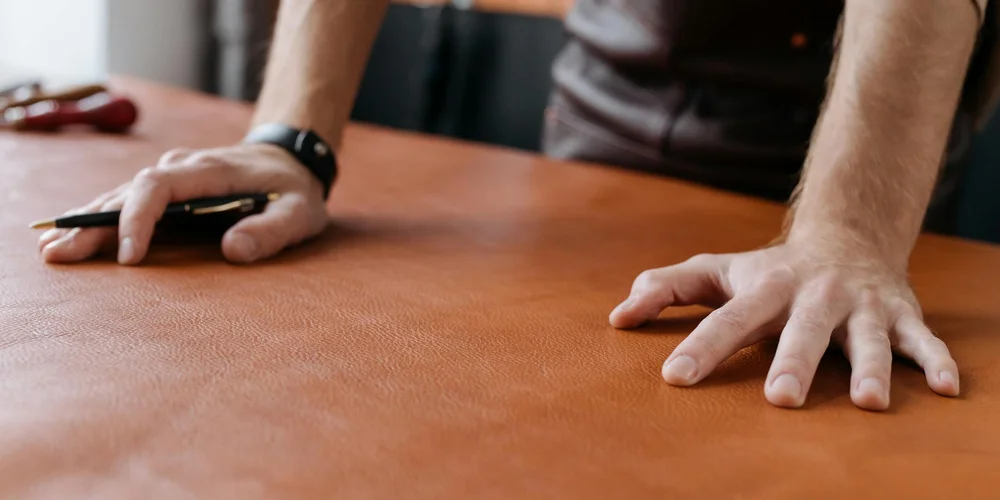
The best way to understand patina is to see it. Let’s look at three of my most trusted pieces. Each one tells a story of time, use, and the care choices I made along the way.
Mason: The English Saddle
When Mason was new, his color was a flat, even chestnut. The surface felt firm and smooth. Today, after eight years of riding, he is a different piece entirely.
The high-wear areas, like the seat and knee pads, have darkened to a deep, rich mahogany. The leather there is incredibly soft and supple, molding perfectly to shape. Along the flaps, you can see a beautiful, mottled contrast of lighter and darker tones. This is where rain, sweat, and sunshine have interacted with the oils in the leather.
The key to Mason’s healthy patina has been consistent, simple cleaning and conditioning. Every few months, I use a pH-neutral saddle soap to lift away dirt and sweat, which can break down fibers. After it dries, I apply a light coat of a natural oil-based conditioner, working it into the leather with my hands. I never let him get bone-dry or caked with grime. This routine hasn’t prevented marks or color change-it has guided it, ensuring the leather grows softer and richer, not brittle and cracked.
June: The Calfskin Jacket
June started as a sharp, structured jacket in a uniform shade of brown. The leather had a slight stiffness. Six years of daily wear have transformed her into a second skin.
The color has lightened slightly overall, but the creases at the elbows and behind the shoulders have deepened into dark amber shadows. This is classic pull-up leather character. There’s a small scuff on the left cuff that I carefully colored with a matching cream, which has now blended into the surrounding area, becoming part of the story instead of a flaw.
My care for June focuses on gentle cleaning and moisture, avoiding heavy products that would clog her delicate grain. For general upkeep, I use a damp microfiber cloth. Once a year, I clean her with a dedicated leather cleaner for garments. I follow that with a tiny amount of a non-greasy, lotion-like conditioner, rubbed only into the driest areas. This keeps her soft and prevents the leather from drying out and cracking at the fold lines, allowing a soft, worn-in patina to develop naturally.
Scout: The Veg-Tan Wallet
Scout began as a pale, rigid rectangle of vegetable-tanned leather. His transformation is the most dramatic and personal.
From handling and body warmth, he has darkened to a deep chocolate brown. The edges, burnished by my fingers, are now nearly black and shiny smooth. Every corner shows a unique pattern of scuffs and stains-a coffee ring here, a pen mark there. They don’t look like damage; they look like a map of three years in my pocket. The leather has also curved and molded perfectly to my body.
With veg-tan leather like Scout, the care philosophy is often less is more. I rarely use any products on him. The natural oils from my hands are the primary conditioner. If he gets something sticky on him, I spot-clean it quickly with a barely damp cloth. This hands-off approach allows the leather to darken and change at its own pace, directly recording its history. Trying to overly clean or treat him would strip away that developing character.
Looking at these three friends, you see a common thread. Patina isn’t just wear. It’s wear met with mindful care. Cleaning prevents damaging grime build-up. Conditioner replaces natural oils that time and use remove. Your choices directly shape whether your leather ages with graceful character or deteriorates with neglect.
Quick Answers
How often should I really condition my leather?
Condition only when the leather feels dry or stiff, typically once or twice a year. Over-conditioning creates a waxy buildup that blocks the natural patina process. Conditioning your leather boots correctly is important to maintain their quality.
My bag got caught in the rain. Did I ruin the patina?
No, but act correctly. Let it dry away from direct heat, then gently brush it once fully dry. A light conditioning afterward will replenish any oils the water displaced.
Can I speed up the patina process on my new veg-tan belt?
Don’t force it. Sunbathing and excessive oiling create uneven, artificial darkening. True character comes from honest wear; let your daily routine be the artist.
How do I store leather goods long-term without hurting their patina?
Store in a breathable cotton bag, away from light and heat. Stuff bags with acid-free paper to hold shape. Never use plastic, as it traps moisture and can cause mildew.
Caring for Your Leather’s Patina
Let your leather age naturally with use, and support that process with gentle, consistent cleaning and conditioning. I treat my own pieces this way, and like the warm glow on Mason after a ride, a good patina grows from patience and care. For readers curious about the best general methods for caring and treating leather items, these core practices—gentle cleaning and conditioning—form the foundation of lasting leather care.
Select conditioners and cleaners from brands that advocate for animal welfare and sustainable tanning practices. Building your care skills honors the material and extends the life of every piece, turning daily wear into a legacy.
Related Guides and Information
- Leather Patina: How It Forms & Evolves Over Time | BuyLeatherOnline
- Leather Patina – Everything You Need to Know (Before & After Photos) – Galen Leather
- What Is Leather Patina? Learn Everything About Aged Leather
Harriet is a avid collector of leather goods such as purses, bags, seat covers, etc and has an extensive background in leather care, recovery, stain removal and restoration. She has worked for a number of years perfecting her leather care techniques and knows the ins and outs of restoring all kinds and types of leather products. With her first hand knowledge in leather care, you can not go wrong listening to her advice.
Full-grain and Top-grain Leather Care