Buffalo Leather vs. Cowhide: How Do You Choose?
Published on: September 10, 2026 | Last Updated: September 10, 2026
Written By: Harriet Nicholson
Hello Tannery Talk. Staring at two beautiful leather options and wondering which one will stand up to your life? That moment of choice matters more than you might think.
This article will clarify the practical details by comparing durability, texture, and maintenance.
I’ve spent years conditioning, repairing, and breaking in leather pieces just like your future favorite.
The Raw Materials: A Quick Look at Each Hide
All leather starts with a raw hide, but not all hides are the same. Think of it like different breeds of dog. A Great Dane and a Labrador are both dogs, but they have different builds and traits. Leather is similar.
Buffalo leather comes from, you guessed it, the water buffalo. These animals are often raised in Asia. Their hides are naturally thicker and have a more open, fibrous structure. This gives the leather a distinct personality right from the start.
Cowhide is the leather we all know. It is the standard, the benchmark everything else gets compared to. It is widely available, and tanneries have perfected working with it over centuries. This means you get very consistent quality and a huge range of finishes, from super soft garment leather to stiff, rugged belts.
For both types, knowing where your leather comes from matters just as much as knowing what animal it is from. I always look for suppliers who are transparent about their sourcing. Well cared for animals and responsible tannery practices are the true foundation of any leather good that lasts.
The Durability Debate: Which One Lasts Longer?
This is the question everyone asks when they are choosing a bag, sofa, or jacket. Will it survive my life? Let us break down abrasion resistance and overall toughness.
Buffalo Leather: The Heavy-Duty Specialist
Buffalo leather has a reputation for being a tank. Its thicker, more fibrous hide translates into incredible tear strength. It does not give up easily.
If cowhide is like your toughest pair of jeans, buffalo leather is like the sole of a heavy-duty work boot. It is built to take a serious beating over a very long time. This makes it a fantastic choice for items that see constant, hard use, like travel trunks, heavy-duty tool bags, or furniture in a busy family room. For durable rugs and other home decor, properly tanned cowhide adds a rugged, timeless look that can handle daily wear. Getting the tanning right helps ensure these pieces stay beautiful for years.
Cowhide: The Proven All-Rounder
Do not let the “standard” label fool you. A high quality full grain cowhide is exceptionally tough. It has a tighter grain structure than buffalo, giving it a smooth, uniform strength.
Cowhide is the reliable daily denim of the leather world, proven to handle decades of wear with proper care. My saddle, Mason, is cowhide. After eight years of riding, it is not even thinking about retirement. Cowhide offers a perfect balance of flexibility and resilience for most applications, from jackets and boots to wallets and couches.
Scratches, Marks, and Character
Is one more scratch resistant? The answer is tied to their grain. Cowhide’s tight grain can show fine scuffs more clearly at first, but these often blend into a beautiful, even patina over time. Buffalo’s wild, open grain and natural markings hide scratches and imperfections within its rugged texture almost immediately.
For a sofa, both are excellent, but your choice depends on the look you want. A buffalo leather sofa will hide pet claws and kids’ toys with nonchalant grace, its character marks blending right in. A smooth cowhide sofa will develop a more personal, story-filled patina from the same events.
The real key to durability is not just the raw hide, but how you maintain it. A neglected buffalo hide will dry and crack. A cared for cowhide will outlive trends. Your maintenance routine is what seals the deal on longevity.
Feel and Look: A Textile and Tactile Comparison

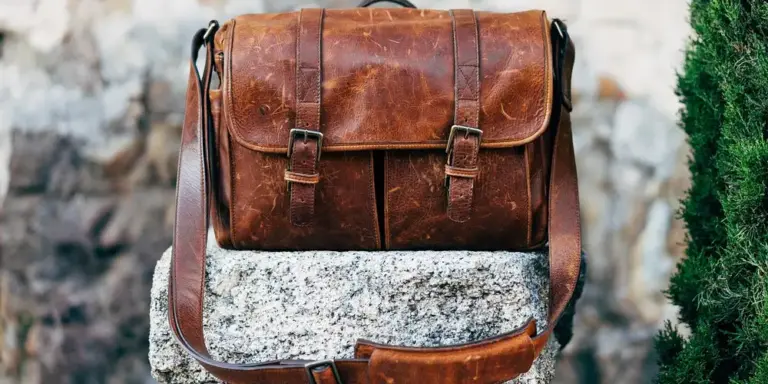
Run your fingers over a piece of buffalo leather. You will feel a landscape of tiny peaks and valleys. This is its signature grain. It is pebbled, rugged, and deeply textured, like the skin of the animal itself. Despite this rugged appearance, buffalo leather often feels surprisingly soft and supple to the touch right from the start. The fibers are looser, giving it a plush handfeel that belies its tough look.
Now, feel a piece of quality cowhide, like the full-grain leather on my jacket, June. Its surface is much more uniform. Cowhide offers a wide range, from the smooth, tight pore structure of full-grain to the perfectly uniform surface of corrected grain leathers. Cowhide typically has a firmer, more substantial initial handfeel, which breaks in beautifully with use to develop a personalized shape and sheen. In contrast, split cowhide leather often feels less uniform and softer.
Think of it like denim. Buffalo leather is like a heavy, broken-in pair of work jeans with a pronounced texture. Cowhide is like a classic pair of raw denim that starts stiff and molds to you over time. Visually, buffalo leather carries a rustic, earthy aesthetic that makes a bold statement. Cowhide provides that classic, versatile “leather” look that fits seamlessly into both casual and formal settings. Curious how to tell if cowhide leather is genuine and where it comes from? Knowing the origin and the telltale signs can help you verify authenticity.
Caring for Your Investment: Maintenance Side-by-Side
Maintenance isn’t a chore. It’s a short conversation you have with your gear to ensure it lasts for years. Each type of leather has its own language.
Buffalo Leather Care
Buffalo leather is thirsty. Its porous fiber structure drinks up conditioners. Your main job with buffalo is to keep it nourished with rich creams or oils to prevent it from becoming dry and brittle. That beautiful, textured grain can also trap dust and dirt, so be gentle. Avoid harsh scrubbing or over-cleaning, as you can force grime deeper into those natural crevices.
Cowhide Leather Care
Cowhide, like on June my jacket, is generally more forgiving. It follows a standard regimen that works for most leather goods. A regular dust-off, a gentle clean with a damp cloth or light saddle soap when needed, and a conditioning session every few months will keep it in great shape. Because its surface is denser, it resists drying out a bit longer than buffalo, but never neglect conditioning, especially when you’re working with cowhide leather.
Here is a simple, side-by-side guide for maintaining each type. The steps are similar, but the emphasis changes.
| Buffalo Leather | Cowhide Leather |
|---|---|
|
|
A common mistake with both is using too much product at once. It is always better to apply two thin coats, letting the first soak in completely, than one thick, sticky coat. If you over-condition, simply wipe off the excess with a clean cloth and let the piece air dry in a cool, shaded spot. The leather will find its balance again.
Making the Choice: Best Uses for Each Leather

You’re probably wondering which leather is right for your next sofa, purse, or pair of boots. The best choice isn’t about which one is better, but which one is better for the job.
Where Buffalo Leather Shines
Think of buffalo leather for items that need to be both durable and comfortable from day one. Its thick, supple nature makes it perfect for high-wear items where a soft, broken-in feel is a priority.
Buffalo leather is a champion for statement furniture and gear that gets daily, heavy use.
- Statement Furniture: A buffalo leather sofa or armchair has an immediate, luxurious presence. The pronounced grain and natural markings create a unique, artistic look that cowhide often can’t match. It breaks in quickly, becoming a cozy centerpiece.
- Rugged Bags & Boots: For a duffel bag, travel satchel, or work boots, buffalo leather offers incredible scratch resistance. My favorite pair of weekend boots is buffalo. They felt comfortable immediately and have developed a fantastic, rugged character over years without showing much wear.
- High-Wear Items: Any item that will be constantly handled or exposed to the elements benefits from buffalo’s innate toughness. Think of knife sheaths, tool rolls, or even a durable journal cover.
Where Cowhide Leather Excels
Cowhide is the reliable all-rounder. Its predictable nature and structural integrity make it ideal for items that need to hold a shape or offer consistent performance.
Cowhide’s versatility makes it the default choice for most structured goods and items where predictable aging is valued.
- Structured Jackets & Footwear: Most leather jackets and dress shoes are cowhide for a reason. It provides the right amount of stiffness to hold a collar’s shape or a shoe’s form, breaking in gradually over time, like my jacket June.
- Fine Accessories: Belts, wallets (like my veg-tan wallet, Scout), and watch straps benefit from cowhide’s tight grain. It takes detailing, stamping, and edge finishing beautifully, creating crisp, long-lasting items.
- Car Interiors & Upholstery: For car seats, steering wheels, and office chairs, cowhide’s uniform thickness and finish allow for precise manufacturing and consistent wear. Its wide availability in various grades and colors makes it the practical choice.
A Note on Price
You’ll often find buffalo leather at a higher price point than standard cowhide. This cost difference is linked more to availability and processing than an outright statement on quality. Buffalo hides are less common in the global supply chain, and their thickness requires more intensive tanning work. For a sofa needing a unique, bold look, the cost may be justified. For a classic leather belt, premium cowhide is often the more cost-effective and suitable option, especially when you consider the factors behind leather’s cost.
Clearing Up the Confusion: Buffalo, Bison, and Deer
Let’s untangle the names. When you see “buffalo leather” for sale, it is almost always from the water buffalo, primarily raised in Asia. This is the leather we’ve been discussing-thick, grainy, and durable.
American bison leather is a different, though similar, material. Bison hides often have a warmer, slightly wooly texture on the flesh side and can show even more dramatic natural scarring. It shares the soft, broken-in feel and high durability with water buffalo. The main difference is origin and a slightly different character in the grain.
Deer leather (or deerskin) is in another category entirely. It is exceptionally soft, lightweight, and has a suede-like texture. While buffalo and cowhide are known for strength, deer leather is prized for its unmatched softness and flexibility, often used for ultra-soft gloves, delicate bags, and luxury apparel. It is not typically used for structured items or high-abrasion applications.
For most practical purposes, cowhide remains your central reference point. Buffalo and bison offer a more rustic, heavy-duty alternative with a distinct feel. Deer leather serves a completely different purpose focused on softness. Knowing this helps you match the leather’s inherent qualities to the life you plan for the item, especially when considering its safety and ethical sourcing.
Common Questions

Is buffalo or cowhide leather better for a family sofa?
For a busy household, buffalo leather’s rugged grain hides scratches and marks effortlessly, making it a practical choice. Just condition it every 3-4 months to prevent the thick hide from drying out.
Which leather holds its shape better for a structured purse?
Choose cowhide for a structured bag; its tighter, more uniform grain provides better foundational support and shape retention. Maintain its form with a light conditioner every 6-12 months.
Will buffalo leather shoes be comfortable right away?
Yes, buffalo leather’s supple fibers offer a softer, more broken-in feel from the start. Expect its pronounced grain to develop a unique, rugged patina faster than smooth cowhide.
Is the higher price for buffalo leather justified for durability?
The cost reflects rarity and more intensive tanning, not necessarily superior longevity. Both leathers will last decades with proper care, so choose based on the texture and look you want, not price alone.
For abrasion resistance on a sofa, is buffalo always the winner?
Buffalo’s fibrous structure resists tearing, while cowhide’s tight grain resists surface abrasion well. The science behind conditioning oils and waxes shows how they penetrate the hide to nourish fibers and form a protective barrier. Your maintenance routine-regular conditioning-is the ultimate factor in preserving either leather’s surface integrity.
Choosing and Caring for Your Leather
Select leather based on how you will use it. Buffalo hide offers rugged, grain-rich durability for items like bags or boots, while cowhide provides reliable, even strength for jackets or furniture. Understanding the value, cost, and yield of cowhide from a single hide helps you plan your project and budget. These practical considerations balance durability with cost when choosing leather.
Regular, appropriate care is a responsible practice that honors the material. Developing your maintenance skills ensures each piece, much like my trusted saddle Mason, serves you well for a long time.
Research and Related Sources
- All About Buffalo Leather vs Cow Leather | Buffalo Jackson
- Cow Leather vs Buffalo Leather – A Comparison
- Buffalo Leather Vs. Cowhide Leather: Which is Better?
Harriet is a avid collector of leather goods such as purses, bags, seat covers, etc and has an extensive background in leather care, recovery, stain removal and restoration. She has worked for a number of years perfecting her leather care techniques and knows the ins and outs of restoring all kinds and types of leather products. With her first hand knowledge in leather care, you can not go wrong listening to her advice.
Full-grain and Top-grain Leather Care