Are You Believing These Common Leather Care Myths?
Published on: September 11, 2026 | Last Updated: September 11, 2026
Written By: Harriet Nicholson
Hello Tannery Talk. You’ve probably heard some surprising tips for caring for your leather, from using kitchen ingredients to letting it ‘rest.’
I’ll walk you through the truth behind the milk myth, the ‘breathing’ fallacy, and other well-intentioned mistakes so you can care for your pieces with confidence.
I base this on years of practical experience conditioning, cleaning, and repairing leather, from Mason’s worn saddle to June’s soft jacket.
Myth 1: Milk is a Safe, Natural Leather Cleaner
Are you sure milk is good for leather? The short answer is no, it’s not good. I am sure. While it sounds like a harmless kitchen remedy, milk is one of the worst things you can put on your leather goods.
Milk is food. On leather, it spoils. It leaves behind a film of proteins and fats that does not nourish the hide. Instead, this residue attracts dust, mold, and even pests. The most lasting damage is the smell; a permanent, sour odor sets into the leather that no cleaner can fully erase.
I once saw a bag a client had “treated” with milk. It had a stiff, cloudy film on the surface and a faint, unmistakable spoiled scent in the creases. We saved the bag’s structure with a deep clean, but that ghost of sour milk never fully left.
If you spill something on your leather, the correct first step is simple. Immediately and gently blot the area with a clean, dry, absorbent cloth. Do not rub. Just press down to lift the liquid away from the surface. This quick action solves most minor spills before they become stains. If you have stubborn stains from leather—especially on boots or other surfaces—there are more targeted removal tips you can try next. You’ll find them in the following steps.
Myth 2: Household Cleaners Can Fix Any Leather Stain
Is it okay to use household cleaners on leather? It’s a common panic move, but please don’t reach for that glass cleaner or all-purpose spray. These products are designed for countertops and windows, not for a material like leather (or to be used on any leather surfaces).
Harsh chemicals, including bleach, ammonia, or strong detergents, aggressively strip away the leather’s natural oils. This dries out the hide from the inside. The fibers become brittle and weak, leading to premature cracking that can’t be reversed. Think of leather’s fibers like the skin on your face; you wouldn’t clean it with dish soap or bathroom spray, and your leather deserves the same gentle care. DIY cleaners like vinegar, rubbing alcohol, and ordinary soap can dry out leather and strip its finish. For safer care, use products designed for leather instead.
For cleaning, you only need a few simple, proper tools. Start with a barely damp cloth. For dirtier items, use a dedicated pH-neutral leather cleaner or a classic saddle soap. Apply with a soft brush or cloth, working in small circles. These products lift grime without attacking the leather’s essential structure. Leather cleaning is an art, and using the right products is crucial.
Myth 3: Leather Needs to ‘Breathe’ in Storage

Does leather need to breathe? This is a very common question, and I understand why it comes up. The short answer is no, not in the way we think. Leather is not a living membrane. It is a stable, preserved material.
Think of a tanned hide like a piece of well-cured wood, not a living plant. The tanning process stabilizes the collagen fibers. Leather does not actively inhale and exhale air, so the idea it will suffocate in a closet is a misunderstanding of its nature.
What leather actually needs in storage is simple: protection and a stable environment. The real enemies are dust, direct light, and wild swings in temperature and humidity.
Here is my simple, effective storage method:
- Clean the item with a soft, dry cloth to remove surface dirt.
- If you condition it before storage, let it absorb fully for 24 hours.
- Place the item in a clean, breathable fabric bag. An old cotton pillowcase is perfect. This keeps dust off while allowing air to circulate normally.
- Store it in a cool, dark place away from heat vents or damp basements.
Never use a sealed plastic bag for long-term storage. Plastic can trap any existing moisture, creating a damp environment where mildew can grow. I check on stored items like my leather jacket, June, every few months. I give her a quick visual inspection and feel for any unexpected dryness. It is a simple habit that prevents surprises.
Myth 4: Conditioning Leather Makes It Weaker or Too Oily
Does conditioning leather make it weaker? This fear stops many people from maintaining their goods. The truth is the exact opposite. Regular, proper conditioning prevents leather from becoming weak and brittle.
Leather’s strength comes from its network of interwoven fibers. These fibers are originally supple because of natural and added oils. Over time, these oils evaporate or are worn away. The fibers then dry out, becoming stiff and prone to cracking, just like dry skin.
Conditioning is simply replenishing these lost lubricants. It is like putting lotion on dry hands to prevent painful cracks. You are not adding a foreign substance, you are restoring what was lost to keep the material flexible and strong.
The problem is not conditioning, it is over-conditioning. Here is the right way to do it:
- Use a tiny amount of a quality, pH-balanced leather conditioner on a soft cloth.
- Rub it into the leather in a gentle, circular motion. Your goal is to let the leather absorb it, not to leave a thick layer on top.
- Let it absorb fully, usually for a few hours or overnight. If it still feels dry the next day, you can apply another light coat.
- Buff off any slight residue with a clean, dry cloth.
Over-conditioned leather will feel greasy or tacky to the touch, not weak. It is a surface issue you can fix by buffing and letting it rest. Weak leather is dry, stiff, and cracks under stress. My everyday wallet, Scout, gets this light conditioning treatment twice a year. It keeps the veg-tan leather supple and prevents the seams from straining.
Myth 5: Sunlight Helps Dry and Clean Leather
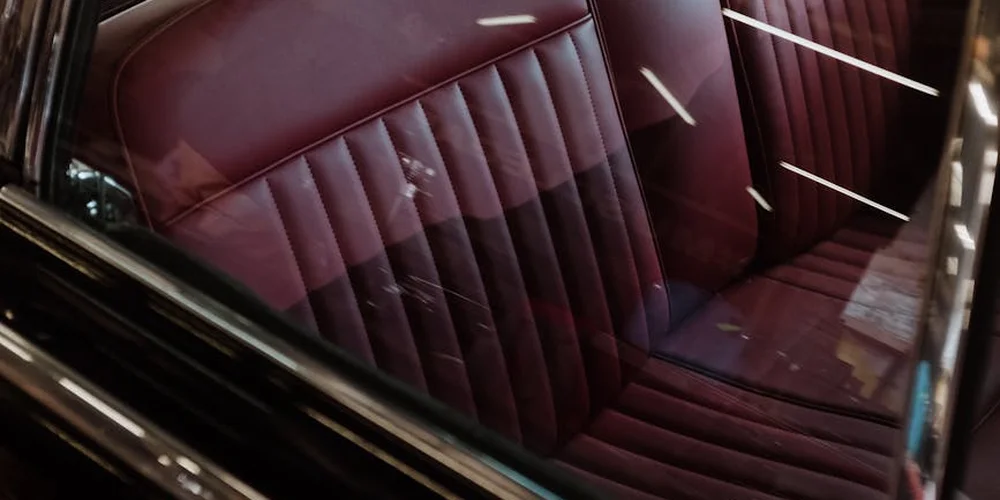
Will sunlight help dry and clean leather? No. It is one of the fastest ways to shorten your leather’s life.
Think of leather like your skin. A little sun feels nice. A lot of sun causes damage. The UV rays act like a bleach, fading rich colors to a dull, washed out version. More critically, that heat bakes the natural oils and moisture right out of the fibers.
What you are left with is brittle, cracked leather. It loses its flexibility. I’ve felt pieces left in sunrooms or car back seats. The handfeel changes from supple and cool to a sad, papery dryness. It sounds like crumpling stiff paper when flexed.
Sunlight doesn’t clean leather, it cooks it, stealing the moisture that gives it life and strength.
The right way to dry leather is slow and gentle. After cleaning or getting caught in the rain, follow these steps to dry leather items without damaging them.
- Wipe away excess moisture with a soft, dry cloth.
- Stuff bags or shoes with plain newsprint or a dry towel to help them hold their shape. For jackets, hang them on a wide, padded hanger.
- Place the item in a room with good airflow, away from any direct heat source like radiators, heaters, or sunny windows.
- Let it air dry completely. This can take 24 hours or more for a soaked item. Patience is key.
My old saddle, Mason, got drenched once. I dried him slowly in a shaded barn aisle for two days. The slow drying preserved his oils, and a later conditioning brought him right back. Sun-drying would have made him stiff and prone to cracking at the stress points.
Myth 6: Shoe Polish Works on All Leather Items
Can you use shoe polish on all leather items? This is a very common mix-up. Shoe polish is designed for shoes, not for every leather good you own.
Standard shoe polish has a specific job: to protect and shine stiff, thick shoe leather. It often contains heavy waxes and pigments meant to sit on the surface, filling scuffs and creating a water-resistant, glossy finish.
The risk comes when you use it on softer, more porous leathers like those in your jacket, handbag, sofa, or gloves. The waxes can clog the leather’s natural pores. This creates a stiff, shiny film on top while the leather underneath stays dry. You end up with a surface that looks treated but feels plasticky and can’t breathe, which can lead to premature drying and cracking from the inside out.
Pigmented polishes can also stain aniline or semi-aniline leathers unevenly, leaving dark, blotchy patches.
So when is it okay?
- It’s generally safe for plain, sturdy work boots or formal dress shoes made from corrected-grain leathers. The polish is made for this.
- Use a dedicated conditioner instead for soft leather jackets (like my jacket, June), bags, furniture, wallets, or any item where you want to maintain a soft, matte, or natural handfeel.
A simple rule: If you want to nourish and moisturize the leather, use a conditioner. If you need to cover scuffs and add a shine to sturdy shoes, use a polish. Think of conditioner as food for the leather, and polish as sunscreen and makeup for your shoes. They have different purposes. Exploring the best leather care polishing techniques can help maintain and restore the appearance of leather footwear. These techniques complement your routine by refreshing shine and protecting the finish over time.
What You Should Do Instead: A Simple, True Care Routine
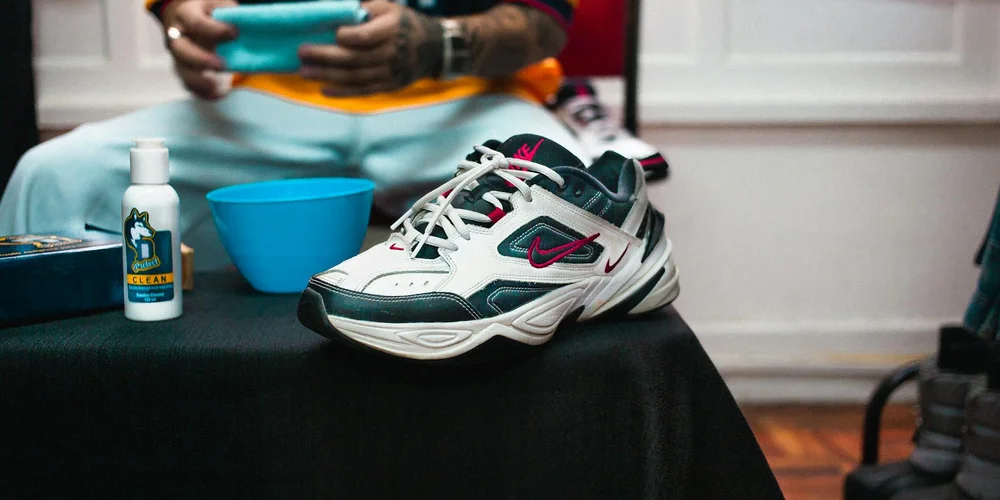
Let’s put the myths aside and build a simple, true routine. Leather care is not about complex rituals; it’s about simple, deliberate actions done regularly. Think of it like caring for your own skin. You wouldn’t use harsh soap every day, but you also wouldn’t ignore it. The right balance protects your investment and, more importantly, honors the material and the animal it came from. In our next piece, we’ll debunk leather care myths with 10 common misconceptions explained. You’ll know what to trust and what to skip.
1. Clean Gently with Proper Products
Dirt and oils are leather’s real enemies. They grind into the pores and speed up drying and cracking. Cleaning removes this abrasive grit.
Use a dedicated, pH-balanced leather cleaner or a pure, glycerin-based saddle soap. These are formulated to lift grime without stripping the leather’s natural oils. Which option works best for your leather—saddle soap or a pH-balanced cleaner? A quick comparison can help you choose the right approach.
- Dampen a soft, lint-free cloth (like a microfiber) with cool water. Wring it out completely.
- Apply a small amount of cleaner to the cloth, not directly to the leather.
- Wipe in gentle, circular motions. Focus on soiled areas. For textured leathers like Mason’s saddle, use a soft-bristled brush.
- Wipe the area with a clean, damp cloth to remove any soapy residue.
- Let it dry completely, away from direct heat. This can take a few hours.
A common mistake is using too much water or cleaner, which can oversaturate the leather. If water darkens the spot, don’t panic. It will lighten again as it dries.
2. Condition Sparingly and Regularly
Conditioning replaces the oils that cleaning and time remove. It keeps the leather supple and strong.
Conditioning is not about drowning the leather; a little, applied evenly, goes a very long way. I condition my jacket, June, about twice a year. My daily wallet, Scout, gets a light touch maybe once a year.
- Ensure the leather is completely clean and dry.
- Apply a small amount of conditioner (like a light lotion for your hands) to another soft cloth.
- Rub it into the leather using broad, even strokes. Cover the entire surface.
- Let it absorb. This usually takes 15-30 minutes. The leather will often darken slightly-this is normal and will even out.
- Buff off any excess with a clean, dry cloth. This prevents a sticky feel.
You know you’ve used the right amount when the leather feels softer and nourished, not greasy. Over-conditioning can clog the pores and lead to a buildup that attracts more dirt.
3. Store Thoughtfully
How you put your leather away is just as important as how you clean it. Improper storage invites mold, permanent creases, and drying.
Always store leather in a cool, dry place with some airflow. A closet is fine, but don’t shove it into a plastic bag or airtight container. Leather needs to breathe—not in the mythical sense, but to avoid trapping moisture, which can lead to mold, cracking, and color fading.
- For bags and shoes: Use acid-free tissue paper or a soft cloth to stuff them and help them keep their shape. Avoid newspaper, as the ink can transfer.
- For jackets: Use a wide, padded hanger that supports the shoulders.
- For all items: Keep them out of prolonged, direct sunlight and away from heat vents.
This simple cycle-clean, condition, store correctly-is what builds a glorious, lasting patina. My saddle, Mason, has seen eight years of rain, sweat, and sun, and its deep chestnut glow comes from this routine alone. No magic potions, no kitchen remedies. Just consistent, respectful care. That’s how you build a story in leather that lasts for decades.
Quick Answers
Does conditioning leather actually make it stronger?
Yes, proper conditioning directly prevents weakness. It replenishes the oils that keep the fibers supple, stopping them from drying out and becoming brittle.
Can I use shoe polish on my leather jacket or bag?
No, avoid it. The heavy waxes in shoe polish will clog the pores of soft leathers, creating a stiff surface that hides dryness underneath.
Is sunlight a good way to dry a wet leather item?
Never. Sunlight bakes out essential moisture and oils, leading to faded, brittle, and cracked leather. Always air-dry away from direct heat and light.
Are household cleaners like glass cleaner safe for quick spot cleaning?
No, it’s a shortcut that damages. Harsh chemicals strip natural oils, causing the leather to dry out and crack from the inside.
Caring for Your Leather with Confidence
The best leather care isn’t a mystery. It’s a straightforward practice of using the right tools for the job and cleaning before you condition. Knowing the appropriate techniques to use is key to preserving the quality of your leather in the long run.
Great care comes from paying attention. Using quality products and building your skills shows respect for the material and the craft behind every piece.
Expert Resources and Citations
- Leather Maintenance Myths & Tips | Leather Honey Leather Care
- Common Leather Care Myths from Lexol® Leather Care | MannaPro
- Top Myths About Everyday Leather Care: Debunking Common Misconceptions – Preservation Solutions
- Top Leather Care Myths That Are Ruining Your Leather – YouTube
Harriet is a avid collector of leather goods such as purses, bags, seat covers, etc and has an extensive background in leather care, recovery, stain removal and restoration. She has worked for a number of years perfecting her leather care techniques and knows the ins and outs of restoring all kinds and types of leather products. With her first hand knowledge in leather care, you can not go wrong listening to her advice.
Full-grain and Top-grain Leather Care