How Do You Store Leather Goods to Prevent Mold, Cracking, and Fading?
Published on: September 17, 2026 | Last Updated: September 17, 2026
Written By: Harriet Nicholson
Hello Tannery Talk. Putting a beloved leather piece into storage can make you anxious about its return, but proper care means it will greet you again in perfect health.
This guide walks you through the practical steps I use, focusing on preparing your leather with a deep clean and condition, controlling the storage environment for temperature and humidity, and selecting the right breathable materials for wrapping.
I base this advice on years of hands-on experience, having carefully stored everything from Mason, my heavy-use saddle, to June, my softly creased jacket.
Getting the Foundation Right: Your Storage Environment
Think of this as building a sanctuary for your leather. The right environment isn’t a luxury. It’s the most important thing you can control.
The Non-Negotiable: Climate Control
Leather is a natural material. It breathes. It reacts to the air around it. Your goal is to create a stable, mild climate, especially for temperature and humidity-sensitive leather.
The ideal temperature range is between 60 and 70 degrees Fahrenheit (15-21°C).
Keep relative humidity between 40% and 50% to prevent leather from drying out or inviting mold.
A simple digital hygrometer can help you monitor these conditions in a closet or storage room.
Is a Climate-Controlled Unit Safe?
For valuable, sentimental, or archival pieces, a climate-controlled storage unit is the gold standard.
These spaces maintain consistent temperature and humidity year-round. They protect your leather from the wild swings a home attic or basement can experience. For a piece you plan to store for years, this investment makes perfect sense.
Light: The Silent Fader
Always store leather in the dark. Light, especially direct sunlight, is a primary cause of irreversible color fading due to UV light and oxidation.
Ultraviolet rays from windows will slowly bleach and deteriorate the leather’s surface and dyes. A dark closet, a storage box, or a cloth bag provides the necessary shield. If you must use a display case, ensure it uses UV-filtering glass or is kept out of direct light.
Preparing Your Leather: The Clean and Condition Ritual
Never store leather dirty. Every time I put Mason, my English saddle, away for the off-season, we go through this ritual. It’s about respect and preservation.
How to Clean Before Storage
You must remove surface dirt, body oils, and salt. These attract moisture and can become acidic over time, damaging the hide from within.
- Gently brush the item with a soft, dry brush to loosen dust.
- Use a barely-damp, soft cloth with a tiny amount of pH-neutral leather cleaner. Work in small sections.
- Wipe with a second clean, damp cloth to remove any cleaner residue.
- Let the item dry completely at room temperature, away from heat. This can take a full day for thicker pieces.
Complete drying is non-negotiable; trapping moisture invites mold during storage.
Choosing a Conditioner for Storage
Conditioning before storage is like giving your leather a long drink of water before a journey. It replenishes the natural oils that time will slowly pull out.
For most leathers, a balanced, non-darkening conditioner or cream is perfect. Avoid heavy waxes or oils meant for waterproofing, as they can remain tacky. The goal is deep moisturization without altering the leather’s character. For veg-tan leathers like Scout, my wallet, a light application of a dedicated leather oil or conditioner works well.
Stuffing and Shaping: Holding the Form
Leather has memory. Storing it crushed or folded can create permanent, weak creases. You need to support its shape.
For June, my leather jacket, I use acid-free tissue paper to gently stuff the sleeves and body. It holds the shape without transferring dyes or acids. Old, clean white t-shirts are a good alternative.
For bags, fill them loosely. For a small flat item like Scout, I simply ensure it lies flat in its storage bag, not bent in a pocket.
Never use newspaper or colored paper; the ink can transfer and stain the leather permanently.
Blocking the Three Big Threats: Mold, Dryness, and Fade
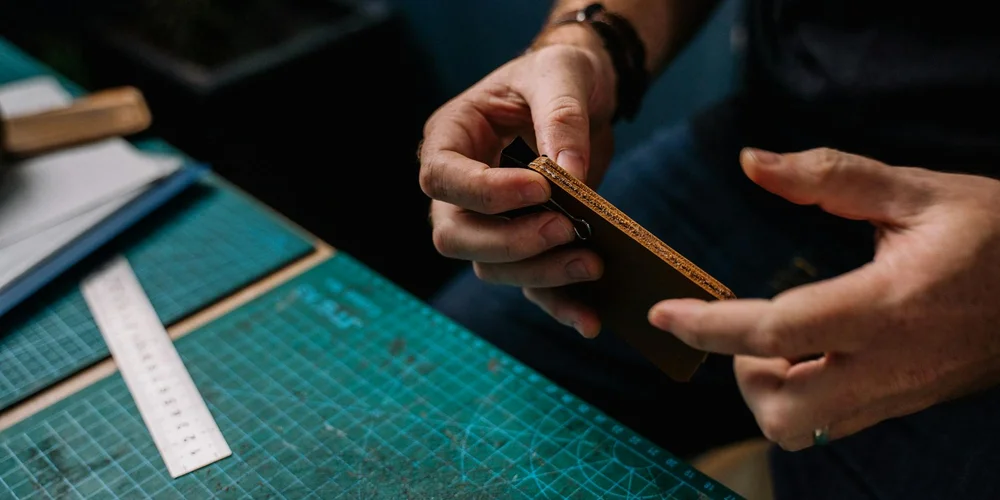
Think of storage as defense. Your job is to create an environment that shuts down the main enemies of idle leather. We will tackle them one by one with simple, direct actions.
How to Stop Mold and Mildew Before They Start
Mold needs two things: food and a damp home. Your leather is the food. Your job is to make the home inhospitable, especially when caring for leather in high humidity.
The single most important rule is to never, ever store leather in a sealed plastic bag or bin. This traps any existing moisture and creates a greenhouse for mold spores. I have seen beautiful bags ruined this way. Understanding the biology of mold helps tailor practical leather-care strategies. In the next steps, we’ll dive into biology-informed prevention and treatment approaches for mold on leather.
Instead, you need airflow. A breathable cotton or canvas storage bag is perfect. If you are using a box, make sure it is not airtight.
For extra protection in humid climates, use silica gel desiccant packs. Toss a few into your storage bag or box. They silently pull moisture from the air. Check them every few months and recharge or replace them when they change color.
Always store leather in a cool, dry place, never in a basement or attic where dampness and temperature swings are common. This practice helps prevent damage and extend the lifespan of leather shoes and other leather goods through proper storage.
Keeping Leather Supple and Preventing Cracks
Leather is skin. Just like your own, it loses natural oils over time. That good conditioning you did before storage? It is the first line of defense. But the storage environment is the long-term guardian. Proper conditioning involves oils and waxes that penetrate and protect the hide.
A stable, moderate humidity level is what keeps conditioned leather from drying out and cracking. Keeping humidity steady is a quick, practical step to prevent your leather items from drying out and cracking. Aim for a relative humidity around 40-50%. A simple digital hygrometer can tell you if a closet or room is suitable.
My saddle, Mason, lives in a tack room I keep dehumidified in summer. My jacket, June, gets a light conditioning every six months, even when not worn often, to keep its fibers supple. For items in true long-term storage, a check and light conditioning once a year is a good rhythm.
Extremely dry, hot air (like near a heater vent) will suck the life from leather faster than anything.
Guarding Your Leather’s Color from Fading
Light is the enemy of color. All light, but some types are worse than others.
Direct sunlight is the most damaging force for leather dye, causing rapid and uneven fading. Think of how a curtain fabric bleaches over years. Indirect, ambient light from a lamp causes fade too, just much more slowly.
This is where your storage container doubles as a light barrier. A breathable cloth bag inside a closed closet or cupboard is ideal. An acid-free box in a dark space is even better.
For items on display, like a bag on a shelf, simply rotate them periodically so the same side is not always facing the light source. The deep chestnut on my wallet, Scout, has stayed rich because it lives in my pocket or a drawer.
Special Cases and Storage Materials
Not all leather is the same. Adjusting your approach for different materials shows true care and prevents heartbreak.
Storing Different Leather Types
Here is how to handle common variations:
- Suede and Nubuck: These are the most delicate. Store them alone to avoid crushing the nap. Never fold them. Use a breathable bag and stuff them lightly with acid-free tissue paper to hold their shape. Avoid any pressure from other items.
- Full-Grain and Veg-Tan: The standard rules apply perfectly here. These durable leathers benefit most from stable humidity and dark storage.
- Exotic Leathers (Reptile, Ostrich): These are often more sensitive to humidity swings. Keep them in a climate-controlled environment if possible, away from any direct air sources. They can be more prone to drying or lifting scales.
Choosing the Right Storage Materials
The container matters. You want it to protect without causing harm.
- Breathable Fabric Bags (Cotton, Canvas): My top recommendation for most goods. They allow air circulation, block dust and light, and are soft. You can often find them made specifically for handbags or boots.
- Acid-Free Boxes and Tissue Paper: The archival standard. These materials are chemically inert and will not transfer acids that can degrade leather over decades. Ideal for heirloom pieces or very long-term storage.
- Wooden Chests or Unlined Metal Trunks: These can work if the wood is untreated (no varnish smell) and the environment is stable. They offer a dark space. I would still place the item in a cloth bag inside for a buffer.
For truly priceless, museum-level archival, consult a professional conservator. They use specialized sealed cases with controlled atmospheric gas, which is beyond the scope of home care. For everything else, these methods will serve you and your leather well for years to come.
The Long-Term Watch: Checking and Minor Repair
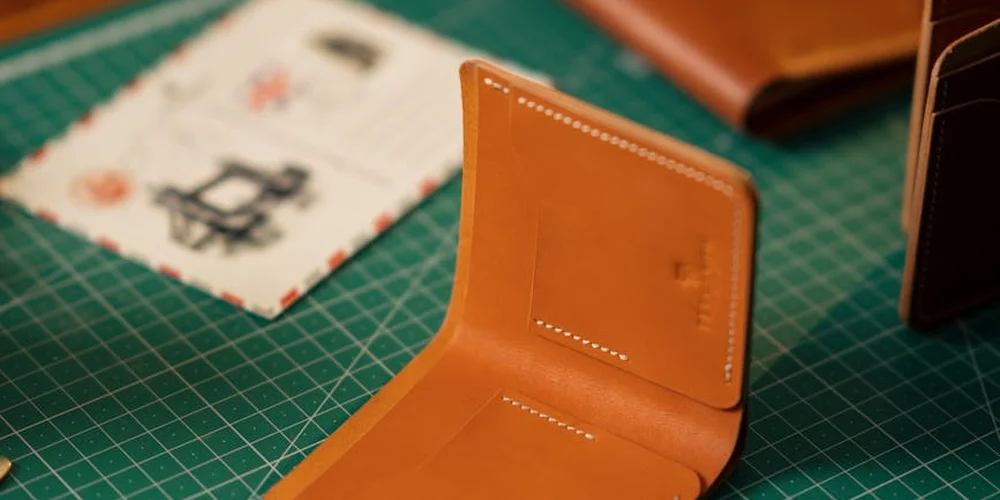
Think of long-term storage more like a long nap than a deep freeze. Leather breathes and responds to its environment, even in the dark. A good storage plan includes a gentle, periodic check-in. It’s a quiet moment to ensure everything is resting well. I do this with my own pieces, like giving Mason’s saddle a glance and a pat every few months.
How often should I check on leather items in storage?
A simple visual and touch check every three to six months is perfect. Mark your calendar. The goal is to catch small changes before they become big problems.
Here is how I do a quick check:
- Remove the item from its storage bag or box.
- Look it over in good light. Check all surfaces, seams, and folds.
- Gently flex the leather in a few spots. Feel for any new stiffness.
- Take a quick sniff. Trust your nose-a musty or sour smell is a warning.
This five-minute routine is your best defense against slow, unseen damage.
What are the signs that leather is deteriorating in storage?
Leather tells you when it’s unhappy. You just need to know the language. Watch for these clear signals.
- White or Greyish Spots: This is usually surface mold. It looks like a fine dust or small fuzzy patches.
- A Stiff, Board-Like Feel: If your once-supple jacket or bag feels rigid, the leather is too dry.
- A Change in Smell: That rich, warm scent should not turn sour, musty, or chemically.
- Chalky or Powdery Residue: A white film, especially on veg-tan leather like my wallet Scout, can mean the natural tannins are rising to the surface due to dryness.
- Deep, Brittle Cracks: Fine creases are normal. New, sharp cracks in the grain are a red flag.
How can I repair minor damage found after storage?
Most issues caught early have simple fixes. Here is some first aid for your leather.
For Light Surface Mold
Do not panic. Do not use water or household cleaners. Follow these steps:
- Take the item outside or to a well-ventilated area.
- Use a soft, dry brush (a horsehair shoe brush works well) to gently brush away all the visible mold.
- Let the item air out completely away from direct sunlight for a full day.
- After airing, use a dry microfiber cloth to wipe it down thoroughly.
Only after all mold is gone should you consider a light conditioning with a pH-balanced product. If the mold has stained the leather or feels damp below the surface, professional cleaning is needed immediately.
For Slight Dryness or Stiffness
If the leather just feels a bit thirsty, a spot treatment can help. Think of it like putting lotion on dry skin.
- First, clean the area with a neutral leather cleaner to remove any dust or residue.
- Apply a tiny amount of conditioner to a clean cloth. Rub it between your fingers to warm it up.
- Massage the conditioner into the dry area using small, circular motions.
- Let it absorb for an hour, then buff gently with a clean, dry cloth.
If the stiffness is widespread or the leather shows deep cracks, the damage is likely beyond a simple DIY fix. A professional restorer can assess it properly. They have the tools and materials to rehydrate leather safely without over-saturating it.
Common Questions
What are the best materials for storing leather goods long-term?
Use breathable, natural fabric bags like cotton or canvas, or acid-free boxes. Never use sealed plastic, as it traps moisture and promotes mold.
How can I protect leather from color fading while it’s in storage?
Store it in complete darkness, as all light causes fade. A cloth bag inside a closed cupboard or an acid-free box provides the necessary light barrier.
How should different types of leather, like suede and full-grain, be stored differently?
Suede must be stored alone and unstuffed to avoid crushing the nap. Full-grain leather is more durable and follows the standard rules of shaping and breathable wrapping.
How often should I check on items in long-term storage?
Conduct a quick visual and tactile check every three to six months. This brief inspection lets you catch issues like new stiffness or musty odors early.
Is a climate-controlled storage unit worth the cost?
For high-value or heirloom pieces, absolutely. It provides the stable, moderate environment that is the single best defense against cracking and mold over many years.
Caring for Your Leather Through the Years
Condition your leather well before storage-this is the step I never skip with my own gear. A properly conditioned piece, like Mason or June, enters storage resilient and ready to face time without cracking or fading.
Treating leather with care respects the material and supports sustainable use. Your growing skill in maintenance ensures these goods serve you longer, which is the heart of responsible craftsmanship. Understanding the best general methods for caring and treating leather items can guide your routine. These core practices help keep leather durable and looking its best over time.
Relevant Resources for Further Exploration
- Bag Mould Prevention 101: Keep Your Belongings Safe
- How to remove mold (or repus) from leather bags without damaging them | The Bridge
- storing leather products – mold, mildew? – How Do I Do That? – Leatherworker.net
Harriet is a avid collector of leather goods such as purses, bags, seat covers, etc and has an extensive background in leather care, recovery, stain removal and restoration. She has worked for a number of years perfecting her leather care techniques and knows the ins and outs of restoring all kinds and types of leather products. With her first hand knowledge in leather care, you can not go wrong listening to her advice.
Storing Leather (Dust Bags, Stuffing, Hanging)