How to Remove Mold from Leather-And Stop It From Coming Back
Published on: March 23, 2026 | Last Updated: March 23, 2026
Written By: Harriet Nicholson
Hello Tannery Talk. Finding a patch of fuzzy mold on a cherished leather jacket or bag can send a real jolt of panic. I get it-that immediate worry about permanent damage is completely normal.
This guide will walk you through the safe, effective process to salvage your item. We will cover your immediate safety steps, a gentle cleaning method using common household items, proper drying techniques, and a conditioning treatment to restore health.
I’ve treated mold on pieces like my old saddle, Mason, and know that with the right approach, your leather can recover beautifully.
Can Leather Get Moldy? The Straight Answer
Yes, your leather can get moldy. I see that worry often. Let me put you at ease right now. Finding mold on a prized leather piece is a common problem, and it is almost always fixable.
Leather is a beautiful, durable material because it comes from an animal hide. That also means it’s organic, just like wood or a favorite cotton shirt. If you leave wood in a damp shed or pack away a damp towel, mold will find it. Leather is no different.
I once pulled an old travel bag from a closet and found a few pale, speckled spots on the strap. My heart sank for a second. But after a calm cleaning and some air, it was back to normal, just with a story to tell. Mold is a sign of the conditions the leather was in, not a death sentence for the item.
How Mold Grows on Leather: Understanding the Cause
Mold needs three simple things to grow: moisture, warmth, and a food source. Unfortunately, leather can provide all three.
- Moisture: This is the main culprit. It can come from a spill, high humidity, or storing leather while it’s still damp from rain or cleaning.
- Warmth: A cozy, stagnant environment like a closed car, a packed closet, or a basement.
- Food: The natural oils and fats in the leather itself, along with any dirt or body oils on the surface.
Think of the last time you left a gym bag in the car for a few days. That damp, warm darkness is a perfect mold nursery. Or imagine hanging a leather jacket in a musty basement. You might first notice a faint, earthy smell before you see the fuzzy gray or white patches, or a powdery black or green dust.
Sunlight can help dry leather and slow mold growth with its UV light, but it is not a reliable way to kill an existing colony. Direct sun can also dry out and fade leather, so it’s better as a preventive measure than a cure. The real fix is removing the moisture and cleaning the surface properly.
First Steps: What to Do Right When You See Mold
You see the fuzzy spots. Your heart sinks. Stay calm. The first few minutes decide if the damage spreads.
Move the item outside or to a very well-ventilated space immediately. You want to stop the mold spores from settling elsewhere in your home. A garage with the door open or a patio works perfectly.
Before you touch anything, put on your safety gear. This is non-negotiable.
- Nitrile or rubber gloves
- A basic dust mask
- Old clothes you don’t mind getting dirty
Now, look at the damage. Take a soft-bristled brush, like a clean shoe brush or a dry microfiber cloth, and gently flick the mold growth away from the leather’s surface. Brush in one direction, away from you, over a trash can. Do not scrub. You are just lifting off the dry, surface-level spores. Up next is a complete, safe step-by-step guide to remove mildew from leather items and restore moldy leather. It covers cleaning methods, drying, and conditioning to protect and revive your leather.
I know the thought crosses your mind: “Is this ruined?” I’ve saved Mason, my old English saddle, from a bad case of basement mold. In nearly all cases, mold on the surface does not mean your leather item is lost. The real threat is moisture left behind. Your focus now is on safe, dry, gentle cleaning.
Your Mold Removal Kit: Safe and Effective Supplies
You don’t need harsh chemicals. In fact, they often do more harm. Here is what you should gather.
- Soft cloths: Several clean, white, lint-free cloths (old t-shirts work).
- Soft-bristled brush: For that initial dry brushing.
- Mild soap: A pH-balanced leather cleaner or saddle soap is ideal. A drop of gentle dish soap in a bowl of distilled water can work in a pinch.
- Distilled water: It has no minerals that could leave spots.
- White vinegar (optional): More on this below.
- Leather conditioner: A quality product for after cleaning. The leather will be thirsty.
What you should never use is just as important. Avoid bleach, ammonia, or any all-purpose household cleaner. These chemicals are too aggressive. They can strip the leather’s natural oils, fade dyes dramatically, and even weaken the fibers, causing premature cracking. Even common DIY solutions like vinegar, rubbing alcohol, or plain soap can cause hidden damage if misused. We’ll explain why household items pose risks and what safer alternatives to consider.
Specialized leather mold removers exist. They are typically pH-balanced formulas designed to clean without damaging the tannins in the hide. Saddle soap is a classic, reliable choice because it cleans and conditions a little at the same time.
Many folks ask about using vinegar for leather mold removal. White vinegar can be effective at killing mold spores due to its acidity, but it is a double-edged sword for leather. That same acidity can dry out leather if not rinsed and conditioned properly. If you use it, dilute it heavily with distilled water (1 part vinegar to 4 parts water), apply it sparingly, and be prepared to follow with a thorough conditioning. For fine or antique leather, I skip vinegar altogether, especially when dealing with delicate pieces like leather furniture and couches.
The Core Cleaning Method for Most Leather
This method works for modern bags, jackets, boots, and furniture like my friend June the jacket. Go slow.
- Dry Brush the Area. With your soft brush, gently remove all loose mold. Do this outside. You are not rubbing it in, you are lifting it off.
- Clean with a Damp Cloth. Dampen a clean cloth with your mild soap solution. Wring it out so it’s only slightly damp, not wet. Wipe the affected area using light, circular motions. Immediately follow with a second cloth dampened with only distilled water to rinse off any soap residue. Soap left behind attracts more dirt.
- Dry Thoroughly. This is the most critical step. Pat the area dry with a clean, absorbent cloth. Then, let the item air dry naturally in your ventilated space. Keep it away from direct sunlight, radiators, or hair dryers. Artificial heat bakes leather, making it brittle. It should feel cool and dry to the touch, which may take a full day.
- Disinfect (For Stubborn Cases). If you saw heavy growth, you can use your diluted vinegar solution here. Lightly mist it on, let it sit for a minute, then wipe with a cloth dampened with distilled water. Dry completely again as in Step 3.
When to Call a Professional Leather Cleaner
You can handle most spots. But some situations need an expert’s hand.
Call a professional if the mold growth is extensive, covering a large area or deeply ingrained. If the leather is a valuable antique, has intricate stitching or dyes you can’t risk, or if a musty odor persists after your cleaning, it’s time for help. For vintage pieces, restoration can require special considerations to protect patina and value. Antique stains or damaged areas should be handled by a specialist to avoid irreversible harm.
Professionals have industrial-grade tools and specialized knowledge. They might use targeted suction cleaning, controlled ozone treatment for odor, or custom dye matching if staining occurred. They can assess if the mold compromised the leather’s structural integrity, something that’s hard to see at home. It’s an investment in preservation, not just cleaning. A biology-informed approach to mold prevention and leather treatment strategies can help prevent recurrence. These methods guide ongoing preservation beyond cleaning.
Cleaning Mold from Specific Leather Items
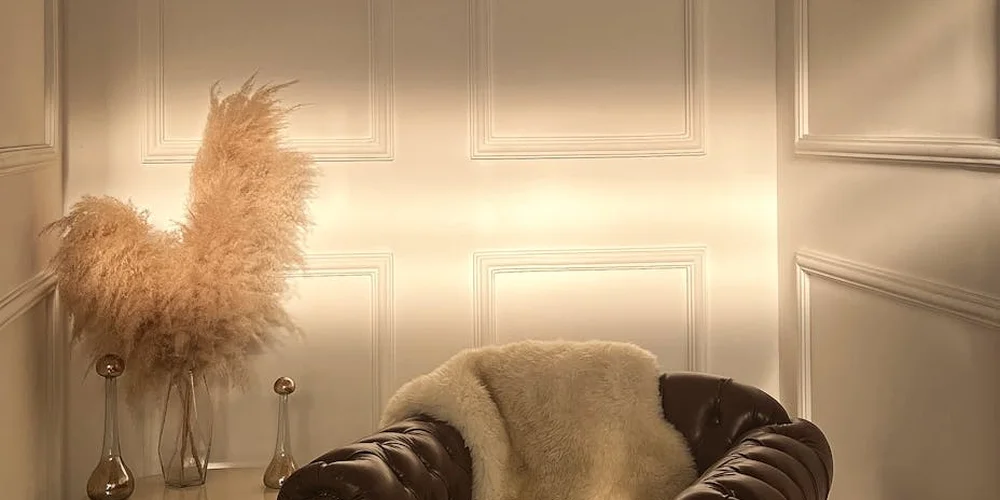
Leather feels different on every item. A sofa is large and smooth under your palm. A boot’s interior is snug and lined. Your approach to cleaning must match that handfeel.
How Do I Get Mold Off a Leather Couch or Sofa?
Your couch is a big project. You cannot submerge it. The goal is to clean the surface without soaking the core. Always,always test your cleaner on a hidden spot first,like behind a cushion or under an arm.
Start by vacuuming the entire surface with a soft brush attachment. This lifts loose spores without grinding them in. For the cleaning solution,a mix of equal parts white vinegar and distilled water is a good starting point for many finished leathers,but you must test it. Vinegar can alter the dye on some aniline or delicate leathers. If you’re evaluating the best products and methods for cleaning leather, this is a cautious starting point. The next steps will help you compare options and choose the right approach for your leather.
- Dampen a soft,white cloth with your test-approved solution. Wring it out until it is just damp,not wet.
- Gently wipe the moldy areas. Use a fresh section of the cloth for each pass to avoid spreading spores.
- For textured grains,use a soft-bristled brush (like a clean toothbrush) dipped in the solution to work into the crevices.
- Follow immediately with a cloth dampened with only distilled water to rinse.
- Pat dry with a clean,absorbent towel. Let the couch air dry completely away from direct heat.
Removing Mold from Leather Shoes and Boots
Think of a favorite boot,worn-in and shaped to your foot. Mold loves the dark,damp interior and the tight seams where moisture hides.
First,remove the laces and insoles. If the interior is lined with fabric or shearling,be extra gentle. You can often sprinkle baking soda inside,let it sit for an hour to absorb odors,then vacuum it out.
The key with shoes is a two-front battle: cleaning the outside leather and ensuring the inside is bone-dry.
- Clean the exterior as described for the couch,being careful around stitching.
- For the interior,lightly dampen a cloth with a mild,pH-neutral leather cleaner. Wipe the lining.
- Stuff the toes and body of the boots firmly with crumpled newspaper or paper towels. This maintains shape and pulls moisture from deep inside.
- Replace the stuffing every few hours until it comes out completely dry. Never place them on a heater.
Saving Your Leather Bag, Jacket, or Wallet
These are personal items. My jacket,June,has soft calfskin and careful stitching. A small mold spot on her would make me pause. For delicate pieces,less is more.
Empty the bag or wallet completely. Check the lining,pockets,and seams-mold starts in hidden spots. For a jacket,turn out the pockets.
For a small area on a jacket like June,I would use a targeted approach with a cotton swab instead of a full wipe-down.
- Mix a small amount of saddle soap with water to create a rich lather in a bowl.
- Using a soft cloth or swab,apply only the foam (not the wet soap) to the moldy spot.
- Gently circle the area. For stitching,drag the swab along the thread’s path.
- Dampen another cloth with distilled water and dab the area to rinse.
- Let it dry flat and away from sunlight. The gentle saddle soap cleans and provides a little moisture, which is helpful for thin leathers.
After the Mold is Gone: Treating and Restoring Your Leather
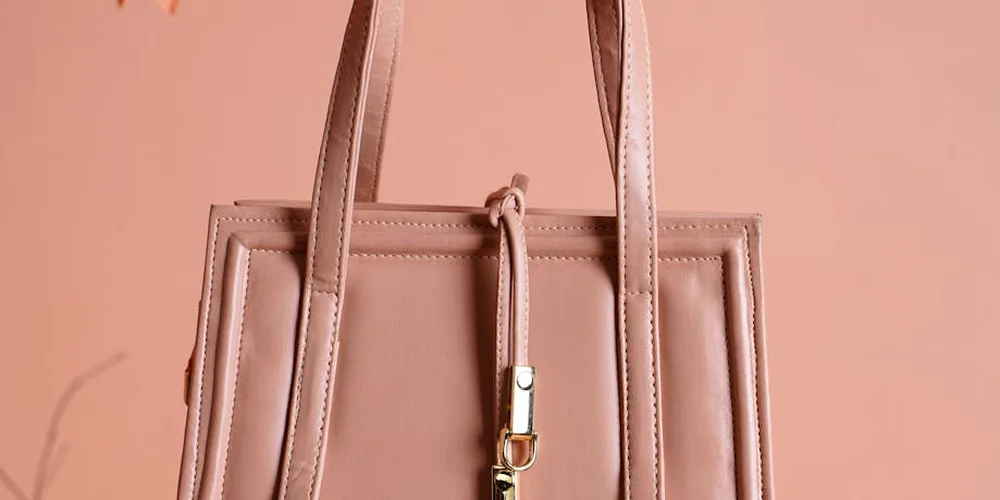
Cleaning removes the problem,but it can leave the leather stressed and dry. Think of it like your skin after a sunburn. It needs gentle nourishment to recover its strength and flexibility.
The most critical step is ensuring the leather is 100% dry. If you condition damp leather, especially in high humidity environments, you trap moisture inside, which can cause new mold or deterioration. To check, press the back of your hand against the leather in several spots. It should feel cool to the touch, but not cold or damp.
Conditioning is not optional after a mold cleaning;it replaces the natural oils that were stripped away during the cleaning process.
- Choose a quality leather conditioner or cream. For most items,a neutral product works well.
- Apply a small amount to a clean,soft cloth. Rub it between your hands to warm it slightly.
- Massage the conditioner into the leather using broad,even circles. Let the leather absorb it. You will see the color deepen slightly.
- Wait 15 minutes. If the leather has soaked it all up and still feels dry,apply a second thin coat.
- Let the item rest for 24 hours before using it. This allows the conditioner to fully penetrate.
Sometimes,mold leaves behind faint shadows or stains. On vegetable-tanned leathers like my wallet Scout,these can become part of its patina. On finished leathers,stains may be permanent. A pigmented leather cream can sometimes mask slight discoloration. I view these marks as a record of the item’s history and survival,much like a scar that tells a story. The primary goal is a clean,strong,and supple piece of leather ready for more years of use.
How to Prevent Mold on Leather for Good
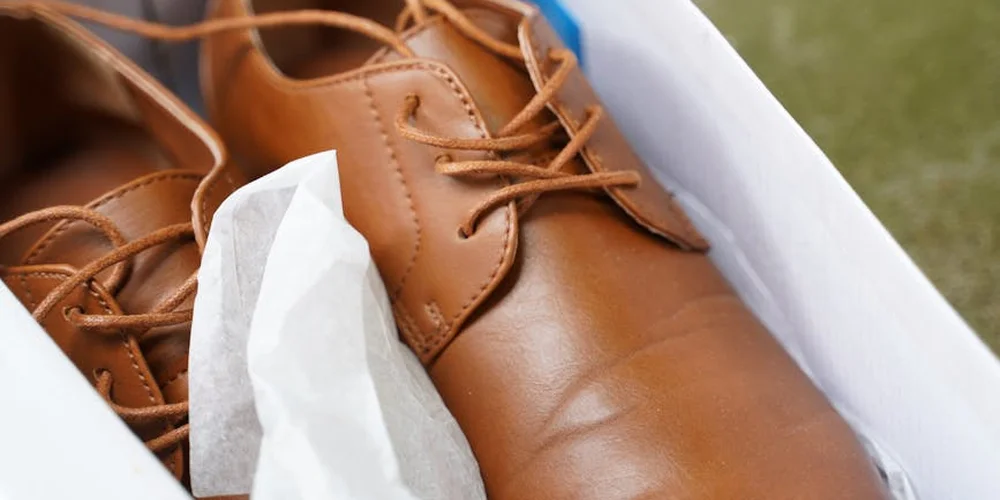
Think of this less as a list of chores and more as creating a healthy home for your leather. Mold needs moisture, darkness, and stagnant air. Your job is to take those things away. A few simple habits make all the difference.
I keep my wallet, Scout, in my pocket every day. My saddle, Mason, lives in a dry tack room. My jacket June hangs in a closet with space to breathe. The rules are the same for all of them.
Smart Storage and Everyday Habits
Where and how you put your leather away is 90% of the battle. Get this right, and you rarely have to fight mold at all.
The golden rule is to always store leather in a cool, dry place with good air circulation. A damp basement or a hot attic is an invitation for trouble.
- Avoid plastic at all costs. Storing in a plastic bin or bag traps any existing moisture inside, creating a perfect humid greenhouse for mold. Use a cloth bag or a pillowcase instead.
- Choose breathable garment bags for jackets or suits, never vinyl or plastic covers.
- Never put a damp or wet leather item into storage. Always let it dry completely at room temperature first.
- Give your items space. Don’t cram jackets tightly together in a closet. Air needs to move around them.
You might ask if sunlight kills mold on leather. Direct, harsh sunlight can dry out and damage leather, fading its color and making it brittle. For prevention, indirect light is useful. A room with regular, soft daylight is less hospitable to mold than a pitch-dark cupboard. Think of light as a gentle deterrent, not a treatment tool.
Regular Cleaning and Conditioning as a Shield
Leather is skin. A clean, nourished hide is more resilient. Dirt and body oils can attract moisture and create a food source for mold spores. A light coat of conditioner fills the leather’s fibers, making it less absorbent to ambient dampness.
A well-maintained leather item has its own defenses, making it a harder target for mold to settle on. This is why Scout, my daily wallet, gets a quick wipe and a tiny bit of conditioner every few months. That routine care keeps its surface supple and less porous.
For items you use seasonally, like winter boots or a summer bag, institute a simple check-up ritual.
- As you put the item into storage, give it a gentle clean with a damp cloth and a pH-balanced leather cleaner to remove surface grime.
- Apply a thin, even layer of conditioner. Let it absorb fully.
- Store it properly in a breathable bag in your chosen cool, dry spot.
Then, mark your calendar. Every three or four months, take it out for just five minutes. Feel it. Look it over. Flex it slightly. This lets you check for any problems and refreshes the air around it. Put it back. This tiny bit of attention saves you from big headaches later.
Common Questions
Is white vinegar or a commercial leather cleaner better for mold?
Vinegar is a capable disinfectant but risks drying the leather; always dilute it heavily and condition thoroughly after. A pH-balanced leather cleaner or saddle soap is often the safer, more nourishing choice for routine cleaning and light mold.
How do I handle mold on leather shoes with a fabric interior?
First, focus on drying: remove insoles and stuff the shoes with newspaper, replacing it until bone-dry. For the fabric lining, a light vacuuming and gentle wipe with a cloth barely dampened with a mild cleaner is key-never saturate it.
The mold is gone from my leather couch, but a musty smell remains. What now?
A persistent odor means spores or moisture are trapped deeper than surface cleaning can reach. This is a clear sign to call a professional cleaner who can use tools like ozone treatment to fully eradicate the smell.
What’s the single best habit to prevent mold on a leather sofa?
Ensure consistent airflow around it; don’t push it directly against a wall in a damp room. A quarterly wipe with a dry cloth and an annual conditioning will keep the leather’s natural defenses strong and less inviting to mold.
Final Thoughts on Mold and Leather Care
When you find mold, acting fast with a gentle clean and complete drying is your best defense. This quick care stops spores in their tracks and saves the leather’s strength and beauty. For broader care, learn the best methods to clean and disinfect general leather items.
Responsible leather care means choosing kind, sustainable products and making maintenance a regular habit. As your skills grow, you honor the material’s journey and ensure your cherished items, like Mason or June, last for years to come.
References & External Links
- r/Leathercraft on Reddit: Best method for removing white mold from leather? Is it dangerous?
- How To Clean Mold Off Leather: Simple & Effective Tips – Von Baer
- How to prevent mold on leather? I have found many suggestions for vinegar to kill mold followed by a conditioner, but won’t mold just grow back if I can’t store it in a low humidity environment – Quora
- How to Clean Mold Off Leather | Puracy
- How to Remove Mold From Leather: The Guide – Moonster Leather Products
Harriet is a avid collector of leather goods such as purses, bags, seat covers, etc and has an extensive background in leather care, recovery, stain removal and restoration. She has worked for a number of years perfecting her leather care techniques and knows the ins and outs of restoring all kinds and types of leather products. With her first hand knowledge in leather care, you can not go wrong listening to her advice.
Treating Mold and Mildew