Acid-Free vs. Regular Tissue Paper: Which Should You Use for Leather Storage?
Published on: October 10, 2026 | Last Updated: October 10, 2026
Written By: Harriet Nicholson
Hello Tannery Talk. You’re tucking away a prized leather jacket or bag and suddenly pause, wondering if that ordinary tissue paper might do more harm than good.
This article will help you make a confident choice by covering how acids in paper damage leather, the key features of acid-free tissue, and a simple method for safe, long-term storage.
My hands-on experience caring for pieces like my eight-year-old saddle Mason has taught me the subtle ways storage affects leather’s longevity.
What Makes Acid-Free Tissue Paper Different?
Think of it like water. Regular tissue paper is water from an old pipe, maybe with a little rust or mineral build-up. Acid-free tissue is like fresh, clean, filtered water. It’s all about what’s in it that you can’t see.
The core difference is two things: lignin and pH. Lignin is a natural glue that holds wood fibers together in regular paper. Over time, it breaks down and releases acids.
This process lowers the paper’s pH, making it acidic. Acid-free paper is processed to remove the lignin and is buffered to maintain a neutral pH of 7 or higher.
A quick analogy is the paper you’d use to protect a treasured family photo versus the paper you’d use to wrap a gift from a discount store. One is made for preservation, the other for a short-term task.
This comparison of storage materials is the key to preventing acid transfer to your leather.
Why Acid-Free is the Safe Choice for Leather Storage
Leather is skin. It’s a natural, porous material that reacts to its environment for its entire life. When it’s in contact with an acidic material, a slow, silent reaction begins.
Acids in regular paper can transfer directly into the leather fibers. This is called acid migration. It’s a primary cause of decay, making leather brittle, dry, and prone to cracking. The color can also yellow or develop dark, permanent stains at the contact points, often resembling dye-transfer stains.
This risk is highest with delicate, unfinished leathers. Aniline-dyed leather, which has no protective pigment layer, absorbs everything. A vintage item, like my soft calfskin jacket June, is more vulnerable because its natural oils have diminished over years.
Acid-free tissue paper is recommended because it creates a neutral, safe barrier that won’t chemically interact with your leather over months or years of storage.
Here is a simple way to see the practical difference in care.
| Consideration | Regular Tissue Paper | Acid-Free Tissue Paper |
| Best Use | Short-term wrapping, gifts | Long-term storage of valuables |
| Effect on Leather | Can cause acid burns, dryness, and staining over time | Provides inert, safe cushioning |
| Ideal For | No leather items | All leather, especially aniline, suede, nubuck, and vintage pieces |
How to Use Acid-Free Tissue Paper Correctly
Buying the right paper is only the first step. Using it correctly protects your investment.
- Always start with clean, conditioned leather. Any dirt or acid from the leather’s surface can transfer to the paper and back again.
- Loosely crumple sheets of acid-free paper. Do not fold it flat. You want soft, airy bundles to stuff into bags and sleeves.
- For a handbag, stuff the body and the straps to help them hold their shape. For a jacket like June, I place crumpled paper in the sleeves and gently fill the torso.
- You can also use a full, flat sheet as a layer between folded leather items in a storage box.
A common mistake is packing the paper too tightly. You are aiming for support, not pressure. The goal is to maintain shape while allowing the leather to breathe within its storage space.
If you are unsure about paper you already have, a simple fix is to not let it touch your leather directly. Use a clean, white cotton pillowcase as a barrier between your leather item and any questionable packing material. If you plan to print, embellish, or add designs to leather surfaces, you can do so without damaging the material by choosing safe, gentle methods. These techniques help preserve the finish while letting you personalize your item.
The Real Risks of Using Regular Tissue Paper
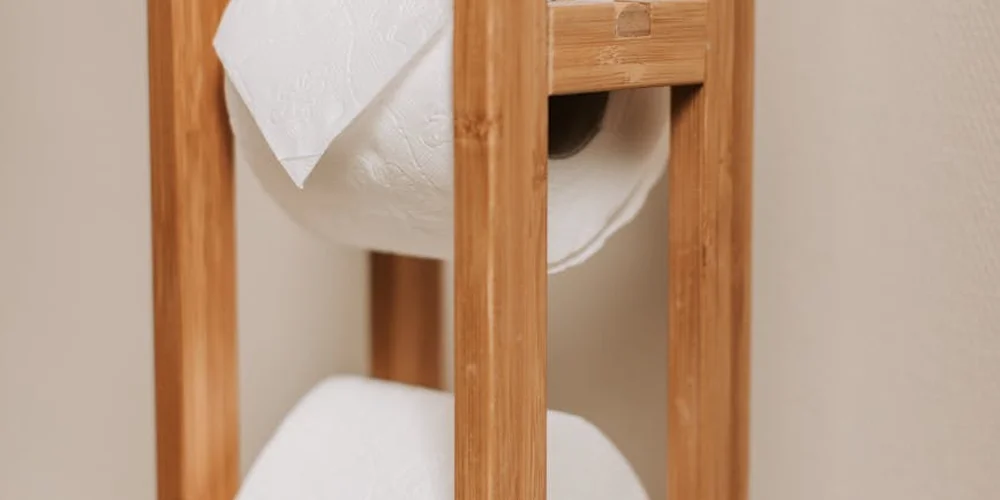
Picture this. You pull a favorite light-colored leather tote from the back of your closet after a long summer. You shake out the crumpled tissue paper you stuffed inside last spring. There, on the smooth leather lining, are faint but distinct yellow-brown spots. The paper left a ghost of itself behind. This is the most common damage I see.
Regular paper, including most tissue and newsprint, is acidic. It has a low pH. When it presses against leather for weeks or months, a slow chemical reaction starts. The acid can transfer directly into the leather’s fibers.
This reaction does two things: it can permanently stain the leather (yellowing or browning), and it pulls natural oils and moisture from the hide, accelerating drying and cracking. It’s a silent, gradual process. You only see the damage when it’s too late to simply wipe it away.
Beyond the acid, regular tissue has another flaw. Its fibers are short and loosely bound. They can shed. On a smooth leather like the calfskin on my jacket June, these tiny fibers act like a fine grit. They can create micro-scratches and a dull, fuzzy film that’s annoying to clean off.
A Simple Test You Can Do
If you are unsure about paper, try this. Tear a small piece and place it in a bowl of water for a minute. If the water clouds with fibers and the paper disintegrates easily, it’s not suitable for long-term leather contact. Good storage paper holds together. The same logic applies to leather items—poor storage can lead to cracking and drying out. I’ll share quick tips to prevent leather from cracking and keep leather supple.
How Acid-Free Paper Prevents Long-Term Leather Damage
The brilliance of acid-free, archival-quality paper is in its inactivity. It doesn’t actively “do” anything beneficial like condition or clean. Its job is to be perfectly, harmlessly neutral. It provides a safe, inert barrier between your leather and the environment, much like neutral cleaners that are recommended for delicate leather care.
Think of it like storing a well-made knife. You wouldn’t leave it in a damp, salty sheath. You’d keep it in a dry, neutral one. The dry sheath doesn’t sharpen the blade, it just prevents rust. Acid-free paper is that dry sheath for your leather.
By eliminating the source of acidic contamination, you stop the problems before they start. This passive protection is what preserves the original color, the supple handfeel, and the tensile strength of the leather for decades, not just seasons – unlike UV light and humidity that can cause damage over time.
This choice becomes non-negotiable for pieces you truly cherish. The heirloom bag, the vintage jacket, the special saddle like Mason. For these items, you’re not thinking about next year. You’re thinking about the next generation. Using acid-free materials is the simplest, most effective step to ensure they arrive there in beautiful condition.
How to Use It Correctly
- Always use a leather conditioner suitable for the type (e.g., a cream for smooth leather, an oil for sturdy veg-tan) before storage. A conditioned hide is a resilient hide.
- Stuff the item loosely with acid-free tissue to help it hold its shape. Do not pack it tight.
- You can also use unbleached, undyed muslin cloth. The goal is a breathable, pH-neutral buffer.
- Store in a cool, dry, dark place inside a breathable cotton storage bag, never plastic.
Is Acid-Free Tissue Paper More Expensive?

Yes, you will pay more for it at the register. A standard roll of gift-wrap tissue might cost a few dollars. A roll of acid-free paper can cost two to three times that amount. The price is per sheet is higher.
Think of this not as an extra expense, but as a direct investment in your leather’s future. Regular tissue paper contains lignins and acids that break down over time. That breakdown causes yellowing and transfers acid to your leather, which dries it out and makes it brittle. Acid-free paper is chemically stable and will not damage your goods, ever. It complements proper storage techniques to keep your leather items in great condition.
The higher initial cost spreads out over many years of safe storage.
For a small item like my wallet Scout, a single roll is a lifetime supply. I use just a sheet or two to stuff it when it’s resting. That one roll has lasted me three years and it’s not half gone. The cost per year of protection is pennies.
To manage the cost, prioritize its use. Use acid-free paper for your most valuable, sentimental, or frequently stored pieces. My jacket June gets stuffed with it in the shoulders during the off-season to hold her shape. For Mason, my saddle, I use it in the sweat flaps after cleaning. For daily shoes you wear in rotation, regular paper might be okay for a week. For long-term boot storage, switch to acid-free.
Where to Find Acid-Free Tissue Paper for Your Leather
You do not need a specialty leather shop. You can find this paper in several common places. Start by looking in the craft section of large department stores or dedicated craft stores. Art supply stores always carry it. Archival supply shops are a sure bet, as are online marketplaces.
The key is to read the packaging carefully before you buy. Look for these specific keywords: “acid-free,” “archival quality,” “pH-neutral,” or “buffered.” If the package does not clearly state it is acid-free, assume it is not. Do not trust plain white paper to be safe.
In a physical store, head to the aisle with photo albums, scrapbooking materials, or framing supplies. This paper is designed to protect precious photos and documents, making it perfect for leather. It is often near the art papers and portfolios.
If you care for multiple leather items, buying in bulk is the most economical choice. A large pack of sheets or a multi-roll bundle brings the cost per item down significantly. It saves you trips to the store and ensures you always have the right material on hand when you need to tarnish a bag or store a jacket for the summer.
How to Properly Store Leather Items with Tissue Paper

Think of this like tucking in a beloved item for a long nap. The goal is to protect its shape and hide it from light and dust, without creating any new problems. Getting it ready is the most important part.
Step 1: The Essential Prep Work
Never store leather that isn’t clean and conditioned. Proper storage is crucial for preventing damage over time. Dirt left on the surface can set in, and dry leather is prone to cracking. I do this with all my pieces before they go into the closet for the season.
- Clean gently. Use a soft brush or cloth to remove surface dust. For marks or dirt, a dab of neutral leather cleaner on a damp cloth works. Wipe, then let it dry completely. Rushing this step traps moisture.
- Condition carefully. Apply a small amount of a pH-balanced leather conditioner. Work it in with your fingers in a circular motion. I find this tells me more about the leather’s dryness than any tool. For Mason, my saddle, this step is non-negotiable after a season of riding.
- Dry thoroughly. Let the item sit for at least 24 hours in a room-temperature spot. The conditioner needs to soak in fully. If it feels cool or tacky, it’s not ready.
Storing leather without cleaning and conditioning it first is the single most common mistake, and it risks permanent damage.
Step 2: Stuffing Bags, Boots, and Other Shaped Items
You want to support the natural shape, not force a new one. Pressure is the enemy.
- Take several large, flat sheets of your chosen tissue paper. Crumple them very loosely into soft balls. Think cloud, not rock.
- Gently place these balls into the toes of boots, the body of a handbag, or the arms of a leather jacket. Your goal is to fill empty space to prevent collapsing and creasing.
- There should be no tension. The item’s exterior should not look stretched or distorted. If it does, remove some paper.
For my old Scout wallet, which I store in its box, I’ll often just place one soft ball of paper inside to keep its shape.
Step 3: Wrapping Jackets, Belts, and Flat Goods
This is about preventing sharp, permanent creases and surface contact.
- Lay the item flat. For a jacket like my June, I zip it up and lay it front-down on a clean surface.
- Place a layer of flat tissue paper over the back. This acts as a first barrier.
- Now, fold the item naturally. Follow its existing seams and curves. Avoid creating new, sharp fold lines.
- Once folded, wrap it loosely in more tissue paper. Don’t tape it tight. The wrap should be a cozy, cushioned bundle, not a sealed package.
Wrapping leather too tightly is what causes those stubborn, shiny crease lines that never relax.
Step 4: Creating the Final Cushion
Isolation is key. Leather should not touch leather, wood, plastic, or the cardboard of a storage box directly.
- Line the bottom of your storage box or shelf with a thick layer of tissue paper.
- Place your wrapped or stuffed item on top.
- Make sure there is space between items. If you must stack, put a full, puffy layer of crumpled paper between each one.
- Finish by placing more paper on top before closing the lid. This cushions against any slight pressure from above.
This buffer absorbs any tiny shifts in humidity and prevents color transfer or sticking.
Step 5: Choosing the Right Final Spot
Where you store the bundle matters as much as how you wrap it. Mason, my saddle, taught me this.
Find a spot that is cool, dry, and dark. An interior closet is ideal. Avoid attics, basements, or areas near heating vents or windows. Sunlight fades leather, and heat dries it out. Fluctuating humidity invites mold.
Check on your stored items every few months. Give them a quick visual inspection. This simple habit catches minor issues before they become big ones.
Common Questions
Are there specific types of leather that require acid-free tissue paper more than others?
Yes, aniline-dyed, suede, nubuck, and any vintage piece are most vulnerable. Their open pores or diminished oils absorb acids more readily, leading to faster staining and drying.
Where can I purchase acid-free tissue paper for leather care?
Look in craft stores, art supply shops, or archival supply sections, both in-person and online. Always check the label for the keywords “acid-free,” “archival,” or “pH-neutral.”
How should I properly use tissue paper when storing leather items?
Loosely crumple sheets into soft balls to stuff shapes for support, never pressure. For flat storage, use full sheets as a buffer between folds and the storage box to prevent creases and contact.
What are the long-term benefits of using acid-free materials for leather preservation?
It passively prevents acid migration, the main cause of brittleness and staining. Maintaining a balanced pH is essential in leather care, since acidic or alkaline cleaners can cause irreversible damage. This one choice preserves the leather’s original color, strength, and suppleness for decades.
Protecting Your Leather for the Long Haul
Choose acid-free tissue paper for long-term storage. It prevents the chemical burns and dryness that regular paper can cause, keeping pieces like Mason or June ready for their next adventure.
Taking this simple step honors the material and the animal it came from. It builds your skill in preservation, ensuring your well-crafted goods avoid premature damage and last for generations.
Further Reading & Sources
- The Do’s and Don’ts of Storing Leather Items
- How To Store Leather Bags To Extend Lifespan | Latico Leathers
- Acid Free Tissue Papers for long term storage [Your online shop for Ecommerce Packaging Supplies!]
- Preserve Your Luxury Bags: Storage in Humid Weather! | Tommy Handler
- Comprehensive Guide to Long-Term Storage of Leather Briefcase
Harriet is a avid collector of leather goods such as purses, bags, seat covers, etc and has an extensive background in leather care, recovery, stain removal and restoration. She has worked for a number of years perfecting her leather care techniques and knows the ins and outs of restoring all kinds and types of leather products. With her first hand knowledge in leather care, you can not go wrong listening to her advice.
Storing Leather (Dust Bags, Stuffing, Hanging)