How Do You Dye Faux Suede and Genuine Suede Shoes Without Damage?
Published on: March 28, 2026 | Last Updated: March 28, 2026
Written By: Harriet Nicholson
Hello Tannery Talk, that nervous feeling about ruining your favorite shoes with dye is completely normal. I hear it all the time from folks who love their gear but want a fresh look.
This article walks you through the safe way to refresh your footwear. We will cover spotting the difference between faux and real suede, the crucial cleaning and prepping steps, picking a dye that won’t stiffen the nap, and the gentle application method that protects the material.
My years at the workbench, reviving everything from suede boots to delicate jackets, have given me the hands-on know-how for this exact task.
What’s the Real Difference Between Dyeing Faux Suede and the Real Thing?
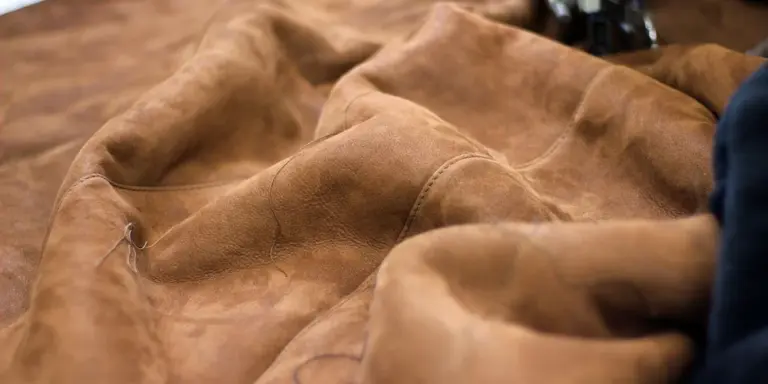
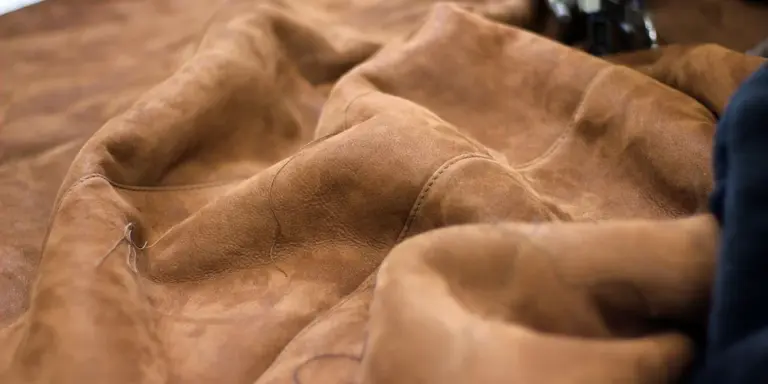
Genuine suede is not just a fabric. It is the napped, fuzzy underside of an animal hide, full of tiny pores and natural fibers. Think of it like a dry sponge. Faux suede is a man-made mimic, usually from polyester or similar synthetics. It looks and feels close, but its structure is different.
Here is the best way I can explain it. Dyeing real suede is like staining a piece of untreated wood. The liquid soaks in, travels through the fibers, and becomes part of the material itself. Dyeing faux suede is more like coloring a plastic bottle. The dye sits on the surface, coating the synthetic threads.
Your entire success depends on using the right type of dye for each material; the wrong one will either not work or cause damage.
Real suede is forgiving. My jacket, June, is made from a similar porous leather. If the dye application is a little uneven, it often blends as it ages, adding character. Faux suede has no give. It requires a very steady hand and even coats to avoid streaky, plastic-looking results.
Getting Your Shoes Ready: The Non-Negotiable First Step
Preparation is not optional. A clean, dry, and protected surface is the foundation of a good dye job. Rushing this will ruin your efforts.
Prepping Genuine Suede Shoes
You must revive the nap and remove all dirt. Dye will not stick to grime.
- Take a suede brush and brush the entire shoe firmly, following the direction of the nap. You should see the color brighten and the texture lift.
- For oil marks or scuffs, use a suede eraser. Rub it gently on the spot until the mark lifts away. Brush again afterward.
- If the shoes are very dirty, use a dedicated suede cleaner. Apply it with a soft cloth, then let the shoes air dry completely, away from direct heat. This can take a few hours.
The goal is a uniform, raised nap on bone-dry leather. Any moisture will block the dye.
Prepping Faux Suede Shoes
Synthetic fibers are delicate. Harsh cleaners can melt or stiffen them.
- Dampen a soft, white cloth with cool water. Wring it out so it’s just moist.
- Add a tiny drop of pH-balanced, mild soap to the cloth. Gently wipe the entire shoe surface to lift dust and light stains.
- Immediately use a dry part of the cloth to blot away any soapy residue. Let the shoes air dry flat for at least an hour.
I learned this the hard way. A client once used a strong degreaser on faux suede boots. The fibers became crunchy and fused together. Gentle is the only way — especially when trying to soften suede at home.
The Universal Must-Do Steps
Before you even open the dye bottle, do these two things for both shoe types.
- Mask Everything: Use low-tack painter’s tape to cover the soles, any rubber trim, brand logos, and the fabric lining inside the shoe. This prevents accidental dye stains that are nearly impossible to remove.
- The Patch Test: Apply a small dab of your chosen dye to a hidden area. The inside of the tongue or behind a strap is perfect. Let it dry fully, which may take 24 hours. This shows you the final color and checks for bad reactions like discoloration or hardening.
Never skip the patch test. It is your only warning before committing to the whole shoe.
Choosing Your Dye: The Most Important Decision You’ll Make
Getting this step right is everything. The wrong dye doesn’t just look bad, it ruins the material. I’ve seen it happen. The key is knowing what you’re working with. Treat faux suede like a synthetic fabric, not leather.
For Genuine Suede
You need a dye made to bond with animal hide. Alcohol or water-based leather dyes are formulated to penetrate the tiny fibers. They soak in and become part of the material, much like conditioner soaks into my saddle, Mason. This creates a durable, flexible color that moves with the shoe.
For a lasting finish that won’t flake, use a dye specifically labeled for suede or nubuck leather.
For Faux Suede
This is where many projects fail. Faux suede is usually polyester or a similar synthetic. Leather dye sits on top and forms a brittle shell that cracks and peels with the first step. Think of it like painting plastic with wall paint. To prevent peeling, cracking, or flaking, use proper prep and a compatible sealer. This keeps the finish smooth and durable.
You must use a dye made for synthetic fabrics or an acrylic paint mix designed for flexible materials. These products are engineered to adhere to plastic-based fibers. They coat the strands without making the whole piece stiff.
Using a leather dye on faux suede is a guaranteed way to create a stiff, cracking mess that cannot be easily fixed. For simple tips on cleaning and caring for faux leather to keep it looking new and prevent cracking.
Tools and Color Tips
Your tools change with the material too.
- Genuine Suede: A soft cloth, sponge, or a specialty suede dye brush works well. The goal is to work the dye into the nap without flattening it.
- Faux Suede: I prefer a soft sponge or a very gentle brush. You must avoid matting down the synthetic nap. A harsh brush will leave permanent, shiny flat spots.
About color: dye is not opaque paint. It transforms the existing color. A light tan shoe will not become jet black with one coat; it will become a dark brown. Almost all dyes will darken the original shade, so choose a color a few tones darker than your desired final result. Always test in a hidden area first, like the inside of a tongue.
How to Apply Dye to Faux Suede Without Ruining It
Patience is your best tool here. Rushing leads to a stiff, blotchy finish. This process is about building color with gentle, thin layers.
-
Prepare Your Space
Work in a well-ventilated area. Open a window. Lay down plenty of protective paper or cardboard. Put on disposable gloves. Have a dry, clean cloth handy for any immediate drips.
-
Prepare Your Applicator
Never, ever pour dye directly onto the shoe. You will create an irreversible, saturated dark spot. Instead, lightly dampen your sponge or brush with the fabric dye. Wipe off any excess on the rim of the bottle or a paper towel. It should be moist, not dripping.
-
Apply the First Coat
Use the lightest pressure. Apply the dye in small, circular motions, carefully following the direction of the faux suede’s nap (the velvety grain). Imagine you are just barely dusting the tips of the fibers with color.
A heavy, soaking application will glue the fibers together into stiff, blotchy patches that feel like plastic. If you see a dark, wet spot forming, you’re using too much. Immediately dab it gently with a dry cloth and move on.
-
Dry and Assess
Let the first coat dry completely. This can take a few hours. Do not touch it or apply heat. Once dry, the color may look uneven or lighter than you hoped. This is normal. Assess if you need a second thin coat for even coverage, focusing on lighter areas. Often, two or three whisper-thin coats give a far better result than one heavy one.
After the final coat is bone dry, you can gently brush the nap with a soft suede brush to restore the texture. The dye is now set. Remember, like my jacket June after a repair, careful steps preserve the life and look of the piece.
How to Apply Dye to Genuine Suede for a Rich, Even Color
This is where your patience pays off. Rushing will give you a blotchy, sticky finish. Think of it like watering a delicate plant, you want a steady soak, not a flood.
Step 1: Prepare Your Space
Find a well-ventilated area. Open a window or work outside. Lay down plenty of old newspaper or a disposable plastic sheet. Put on your nitrile gloves. This dye will stain your skin and anything else it touches. Have your clean suede brush, the dye, and a few soft, lint-free cloths or sponges ready.
A protected workspace prevents permanent stains on your table and lets you focus on the material, not the mess.
Step 2: Start the First Coat
Shake your bottle of suede dye well. Lightly dampen your application cloth with dye. Do not pour dye directly onto the shoe. Starting at the toe or heel, apply the dye using light, linear strokes. You must follow the direction of the nap. This technique also works for painting or dyeing suede shoes, boots, or other footwear. Brush your fingers over the suede first to feel which way the fibers lie, then stroke with that grain.
Applying with the nap prevents you from mashing the fibers down and creating dark, matted spots.
Step 3: Work in Manageable Sections
Do not try to coat the entire shoe at once. Work on an area about the size of a credit card. Apply the dye, then immediately use a dry section of your cloth to gently blot the same area. This soaks up any excess before it can puddle. Let the suede drink it in. Move to the next small section, slightly overlapping your strokes. These steps align with dyeing and recoloring suede to restore its color appearance. For a full recolor of suede shoes or boots, this method can help revive their original hue.
If you see a darker spot forming, that’s a puddle. Dab it immediately with a dry cloth. For my jacket June, I treat each panel between the seams as its own section. It takes time, but the even color is worth it.
Step 4: Navigate Seams and Folds
This step is critical for items like a suede jacket or suede bag. Seams, stitching, and folded edges act like dams, trapping liquid dye. Use a nearly-dry applicator for these areas. A small, clean makeup sponge or even a cotton swab can give you more control. Apply the dye carefully along the seam, then use a dry swab to wick away any dye that seeps into the stitch holes.
Building color slowly on complex areas avoids a stiff, cracked finish later.
Let the first coat dry completely for the time recommended on your dye bottle, usually 2-4 hours, before you decide if it needs a second coat. Often, one even coat is all you need for a vibrant refresh.
Drying, Setting, and Bringing Back the Nap
Your shoes are now colored, but the job is only half done. The next steps lock in your work and bring back that soft, fuzzy feel.
Drying Thoroughly is Non-Negotiable
Place your dyed items in a warm, dry room with good air circulation. Do not put them in direct sunlight or use direct heat from a radiator.
- Genuine Suede: Needs a full 24 hours to dry internally. The surface may feel dry, but the dye deep in the fibers is still wet.
- Faux Suede: Often needs longer, sometimes 36-48 hours. The synthetic material doesn’t breathe like leather and holds moisture differently.
Touching or brushing too soon will smear dye and permanently mat the nap.
Setting the Dye for Permanence
Once bone-dry, you must set the dye so it doesn’t rub off on your socks.
- For Genuine Suede: Use a dedicated suede protector spray. In a ventilated area, hold the can about 6 inches away and apply a light, even coat over the entire surface. Let it dry. This creates a water-resistant barrier that also locks the dye particles to the leather fibers.
- For Faux Suede: You cannot use the same protector. Check your dye instructions. Many require a “heat set” method. Using a hairdryer on its lowest, coolest setting, gently wave it over the material from a few inches away for a minute or two. This helps the dye bond to the synthetic fabric.
The Final Brush-Out
This is the magic step. After your protector is dry or your heat-setting is done, take your suede brush.
- For genuine suede, use a firm-bristled suede or nubuck brush.
- For faux suede, use a softer-bristled brush, like a clean toothbrush or a specialty soft suede brush.
Brush gently but firmly in one direction, following the nap. You will see the flat, dyed surface transform. The fibers lift, the color becomes uniform, and that soft, velvety texture returns. It’s like bringing the material back to life.
This final brushing erases any slight matting from the dye process and ensures a professional, wearable finish.
Caring for Your Newly Dyed Shoes and Avoiding Common Pitfalls
Your shoes are dyed. The color looks good. Now, the real work begins. Caring for the material properly right after dyeing is what separates a lasting refresh from a patchy mess. I learned this the hard way years ago with a pair of suede chukkas I rushed through. Let’s make sure you avoid that.
Steer Clear of These Common Mistakes
Most problems happen because we get impatient or use the wrong stuff. Watch out for these slip-ups.
Using the wrong dye type is the fastest way to ruin your project. A water or alcohol-based dye made specifically for suede and nubuck is your only option for real suede. Using a heavy pigment or acrylic dye meant for smooth leather will clog the fibers and make your shoes feel like stiff cardboard. For faux suede, you must use a dye formulated for synthetic materials. The labels are clear, so check them twice — especially when you’re repairing or restoring color to black suede or nubuck footwear.
Skipping the patch test seems like a time-saver, but it’s a gamble you will lose. Always test your dye and your cleaner on a hidden spot, like the inside of a tongue or under a strap. This tells you the final color and, more importantly, how the material reacts. Does the faux suede get sticky? Does the genuine suede darken unevenly? Find out on a small spot first.
Applying dye too thickly in one coat is a classic error. It leads to drips, splotches, and a crusty finish. The right way is to use a soft sponge or brush and apply multiple thin, even coats. Let each coat dry completely before adding the next. This builds color gradually and lets the material breathe.
Brushing the nap before the dye is fully dry will tear up your work. You will smudge the color and likely pull damp, dyed fibers right out. How do you know it’s dry? Touch a hidden seam. If it feels cool or damp at all, wait longer. I usually give it a full 24 hours in a warm, dry room.
Using harsh cleaners or stiff brushes on freshly dyed faux suede can strip the color. Faux suede is more delicate than it looks. Abrasive scrubbing or strong chemicals can damage the dyed surface layer. Stick to a soft microfiber cloth and a mild soap solution for any spot cleaning.
Simple Aftercare for Long-Lasting Color
Good aftercare is simple. It’s about gentle habits that protect your effort.
First, protect your work. Once the dye is completely dry and cured (after at least 48 hours), apply a protectant spray. For genuine suede, use a silicone-free, water-and-stain repellent spray made for nubuck and suede. For faux suede, use a protectant designed for synthetic fabrics. Hold the can about six inches away and apply two light, even coats, letting it dry between each.
Clean spills and spots immediately. Don’t let them set. For most dirt, a soft suede brush or a dry microfiber cloth used gently in one direction will lift it. For a wet stain, blot-don’t rub-with a clean, damp cloth and let it air dry away from heat before brushing the nap back up.
Store them properly. Keep your dyed shoes in a cool, dry place with some airflow. Stuff them with shoe trees or clean paper to help them keep their shape. Avoid plastic bags, as they can trap moisture and cause mildew, which is a nightmare on dyed materials.
Your Fresh Start, with Realistic Expectations
With the right materials and a good dose of patience, you can successfully refresh your suede boots, favorite shoes, or even a jacket. The process gives a piece a second life, which I always prefer to throwing it away.
Remember that dyed faux suede may wear differently over time compared to genuine leather. The color on synthetic fibers might not age and patina like real suede does. It may show scuffs or wear patterns more noticeably. But that’s okay. You’ve still extended its life, and you did it yourself. That’s something to walk confidently in.
Common Questions
How can I tell if my dye is completely dry before brushing?
The surface may feel dry to a quick touch, but the dye deeper in the fibers is not. Press the material against your lip or cheek-if it feels cool or damp at all, it needs more time. Rushing this step will smear the dye and permanently mat the nap.
Why is direct heat bad for setting dye on faux suede?
High heat can melt or distort the synthetic fibers, creating stiff, shiny patches. If heat-setting is required, always use a hairdryer on the lowest, coolest setting and keep it moving several inches away from the material.
How often should I reapply a protectant spray after dyeing?
Reapply a quality suede or fabric protectant every few months, or immediately after a thorough cleaning. The spray creates a sacrificial barrier that wears away with use and weather exposure, so regular maintenance is key for longevity.
What’s the surefire way to identify a dye safe for my material?
Read the label. For genuine suede, it must explicitly state it’s for “suede,” “nubuck,” or “leather.” For faux suede, the label should specify “synthetic fabric,” “polyester,” or “acrylic.” If the instructions don’t match your material, do not use it.
My brush seems too harsh. How do I test it?
Before using it on your dyed shoes, test the brush on an inconspicuous area, like the inside of the shoe’s collar. If the bristles leave visible scratch marks or flatten the nap without it springing back, the brush is too stiff and will damage the surface.
Final Thoughts on Dyeing Suede Footwear
The single most important piece of advice I can give is to always perform a patch test in a hidden area first. This simple habit protects your shoes from irreversible damage and builds your confidence for the full project.
Responsible leather care, like extending the life of your footwear through careful maintenance, is a sustainable practice that honors the material. Exploring the best leather care polishing techniques can help maintain and restore the appearance of leather footwear. These techniques, applied consistently, keep shoes looking their best over time. Keep refining your approach with each pair you work on, and your hands-on skill will naturally grow.
Expert Resources and Citations
- Suede Dye for Vibrant Color Restoration & Customization · Angelus Direct
- r/Leathercraft on Reddit: Product recommendations for dyeing suede!
- Suede Dye | Fiebing’s
Harriet is a avid collector of leather goods such as purses, bags, seat covers, etc and has an extensive background in leather care, recovery, stain removal and restoration. She has worked for a number of years perfecting her leather care techniques and knows the ins and outs of restoring all kinds and types of leather products. With her first hand knowledge in leather care, you can not go wrong listening to her advice.
Suede and Nubuck Care