How to Soften Stiff Suede Shoes, Jackets, and Boots at Home
Published on: March 12, 2026 | Last Updated: March 12, 2026
Written By: Harriet Nicholson
Hello Tannery Talk. That stiff, cardboard-like feel in your suede is a common worry, but I can show you how to make it soft again with care you can do yourself.
We will cover why suede stiffens, how to clean it safely, effective softening techniques, and simple ways to maintain that soft feel.
With years of hands-on experience conditioning and repairing leather goods, I can guide you through this process without risking your favorite pieces.
Why Does Suede Get So Stiff and Crunchy?
You pull on your suede boots or jacket, and instead of a soft give, you hear a faint crunch. The material feels rough and unyielding, like coarse sandpaper, not the fluffy, supple velvet it should be. This stiffness is a common issue, and it usually comes from three simple causes.
First, dryness. Suede is leather, and all leather needs natural oils to stay flexible. Over time, these oils dry out. The fibers become brittle and hard. Stiff suede is often just thirsty suede, lacking the moisture that lets it move with you.
Second, dirt and salt buildup. Daily wear grinds tiny particles deep into the nap. Winter road salt is a major culprit. This grime acts like glue, binding the soft fibers into a stiff, matted crust.
Third, improper storage. Stuffing a suede jacket into a crowded closet or leaving damp boots in a basement compresses the nap. It can also trap humidity, leading to a stiff, cardboard-like feel.
Do not worry. This crunchiness is almost always fixable. I have revived suede shoes that felt like they could stand up on their own. With some basic care, you can restore that soft, cloud-like handfeel. Your item is not finished, it just needs attention.
The First Rule: Always Start with a Clean Surface
You might want to rush to soften the leather, but that is a mistake. Applying any conditioner or oil to dirty suede traps the grime inside. It will never soften correctly and can cause permanent discoloration. Cleaning always comes first.
Follow these steps for a safe, effective clean. You will need a soft suede brush, a suede eraser, and a pH-balanced suede cleaner.
- Take your soft suede brush. Gently brush the entire surface in one direction, following the natural grain of the nap. This lifts dirt and revives the texture without damage. Brushing is the gentlest way to remove surface dust and begin loosening the stiff fibers.
- For stubborn marks or white salt stains, use a suede eraser. Rub it lightly back and forth over the spot until the eraser crumbs away, taking the grime with it. Do not scrub aggressively.
- If stains remain, use a pH-balanced suede cleaner. Dampen a clean, white microfiber cloth with the cleaner and dab-do not rub-the affected area. Always test this on a hidden spot first, like inside a cuff.
- Let the item air dry naturally, away from radiators or direct sun. This can take several hours. Never use a hairdryer, as high heat can cook the leather, making it even stiffer.
A common error is brushing too hard in frustration. This can permanently flatten the delicate nap. Be patient. Gentle, repeated motions are key. Once your suede is completely dry and clean, it will already feel less crunchy. The fibers are now ready to absorb the treatments that will truly soften them.
How to Soften Stiff Suede with a Conditioner (The Best Method)
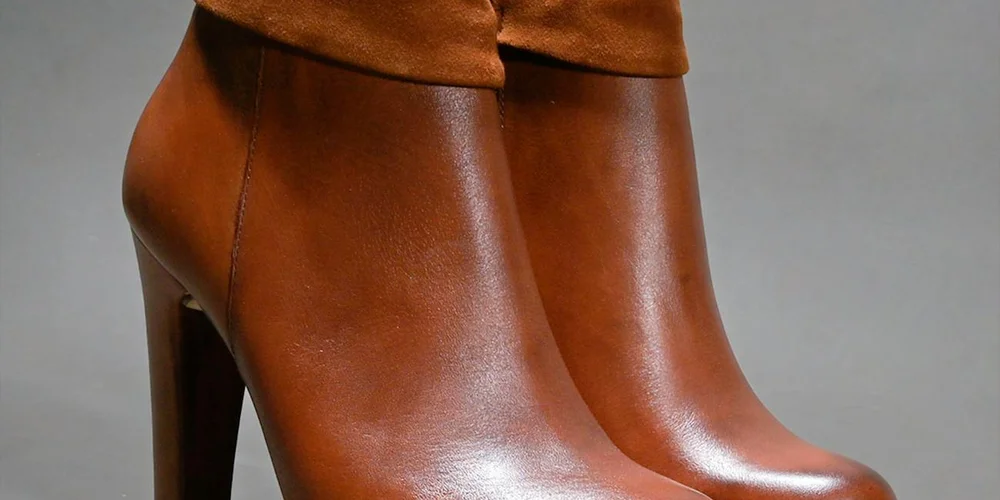
You soften stiff suede by gently reintroducing moisture and oils that have dried out over time. Think of it like giving a thirsty cloth a careful drink. A dedicated suede conditioner is your best tool because it’s made for the delicate nap.
Here is the hands on process I use for my clients’ suede jackets and my own well worn boots.
- Clean First. Brush the item with a clean, dry suede brush or a soft toothbrush to lift the nap and remove surface dust. For any noticeable spots, use a dedicated suede eraser. Conditioner locks in dirt, so start clean.
- Test Invisibly. Apply a tiny dab of conditioner to a hidden spot, like inside a cuff or tongue. This checks for any color change. Wait for it to dry completely.
- Apply Sparingly. Pour a small amount of conditioner onto a soft, lint free cloth or applicator pad. Do not apply it directly from the bottle onto the suede. You want control.
- Work in Small Circles. Gently massage the conditioner into the stiff areas using light, circular motions. You will feel the fibers start to accept the product. The texture will go from dry and raspy to slightly damp and more pliable under your fingers.
- Let It Breathe. After application, let the item dry naturally, away from direct heat or sunlight. This can take several hours. As it dries, the oils and moisturizers settle in, relaxing the leather’s structure.
- Brush and Flex. Once completely dry, brush the nap again to restore its texture. Then, gently flex the softened area with your hands, like bending a shoe back and forth. This helps work the conditioner through the fibers and prevents stiffness from setting back in.
The ‘less is more’ approach is critical here because suede absorbs liquids quickly and can easily become over saturated and discolored. With a smooth leather like my jacket June, I can be more generous with cream. For suede, patience and multiple thin layers win over one heavy application.
If the item is still stiff after the first round, you can repeat the process in a day or two. This gradual method is far safer than trying to force a quick fix.
Choosing the Right Conditioner for Your Suede
Not all conditioners are equal, and the wrong one can flatten your suede’s nap or leave a residue.
You will typically find two main types: sprays and creams/lotions.
- Suede Conditioner Sprays are excellent for overall conditioning and mild stiffness. They apply a fine, even mist that’s less likely to overwhelm the fibers. I often use these for maintenance on items that are only a little dry.
- Suede Conditioner Creams or Lotions offer more targeted, hands on control for seriously stiff spots, like the ankles on boots or the elbows of a jacket. You can work them into the exact area that needs help.
Look for a product labeled specifically for ‘suede and nubuck’ and one that promises to nourish without darkening. Read the label for words like “reconditions,” “restores softness,” or “replenishes oils.” Avoid general leather conditioners or oils meant for smooth leather, as they will almost certainly stain and matte the suede. If you’re looking to restore and revive faded color on suede shoes, these guidelines will help you choose a product that preserves the nap and color.
For synthetic suede, the process is similar but the product choice is key. You must use a conditioner made for synthetic materials or microfibre. These products are formulated to soften the fabric without breaking down the synthetic binders. Always, always do a hidden spot test first, as synthetics can react unpredictably.
Gentle Heat and Motion: Other Ways to Make Suede Soft Again
Sometimes, a suede piece just needs its fibers relaxed to feel soft. Think of it like stretching your arms after a long sleep. You can do this safely with moisture and movement.
Using Steam to Relax the Fibers
A little steam works wonders. The warm, moist air loosens up the stiff nap without soaking the leather. I use this method on Mason’s saddle flaps when they get board-like after a dry winter.
You need a source of gentle steam. A garment steamer is perfect. A kettle of boiling water also works if you’re careful.
- Hold the item so the suede faces the steam. Keep a safe distance-about 8 to 12 inches away.
- Move the item slowly back and forth. You want to let the steam kiss the surface, not drench it. Do this for no more than 30 to 60 seconds per area.
- While the suede is still slightly warm and damp, use your fingers to gently massage and flex the material. Work it with your hands, bending it at natural stress points like the ankle of a boot or the elbow of a jacket.
- Let the item air dry completely, away from any direct heat source.
The goal is to introduce just enough humidity to make the leather pliable, then manually work that softness into the grain.
How to Loosen Suede Shoes by Wearing Them In
For shoes and boots, your own body heat and movement is the best tool you have. This is the oldest trick in the book. My Scout wallet started stiff but softened perfectly from being in my pocket every day.
This method is about gentle, consistent pressure. Never force a walk in painful, tight shoes.
- Put on a pair of thick socks. This protects your feet and adds just a bit more pressure inside the shoe.
- Wear the shoes around your house for short periods. Start with 15-20 minutes while doing chores.
- Focus on flexing your feet as you walk. Sit down and manually bend the shoe’s toe box and heel counter with your hands during breaks.
- Gradually increase wear time over several days.
Patience is key here; you are allowing the suede to mold to your unique shape through natural use, which creates a lasting, comfortable softness.
A Critical Warning on Direct Heat
This might be the most important advice I give you. Direct, dry heat is an enemy to suede and all leather.
Never use a hairdryer, space heater, or radiator. Never place suede in direct sunlight to dry or soften it. High heat robs leather of its natural oils in seconds. It makes the fibers brittle and can cause permanent, irreparable shrinkage and cracking.
I once saw a beautiful suede jacket ruined because someone tried to dry it quickly by a fireplace. The leather felt like cardboard and the seams puckered. That damage cannot be reversed, especially when compared to fading that occurs from water exposure.
If you remember one thing, remember this: gentle, ambient warmth from steam or your body is helpful, but concentrated, direct heat will destroy your suede item.
What to Do When Your Suede Jacket Feels Like Cardboard
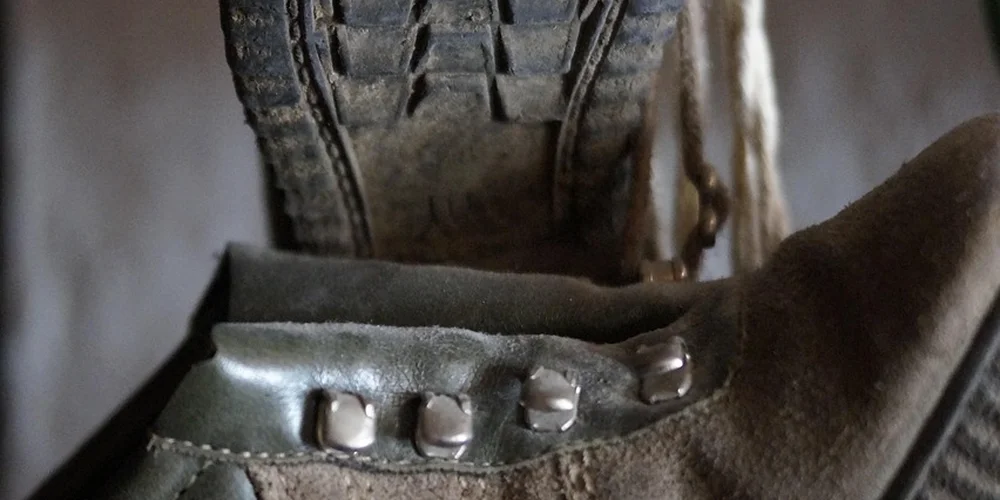
You slip on your favorite suede jacket, and instead of a soft hug, it feels rigid and unyielding. This stiffness is common, especially after storage or with jackets that haven’t been worn in a while. The panels are large, and the structure can hold that cardboard-like feel. The goal is to reintroduce flexibility without damaging the delicate nap.
Working With the Large Panels
Start by giving the entire jacket a thorough, gentle brushing with a suede cleaning brush or a soft-bristled clothes brush. Work in one direction to lift the fibers. This simple act breaks up surface stiffness and prepares the leather. Think of this like loosening up tight muscles before a stretch; it makes the next steps (softening leather) more effective.
For jackets, never attempt to soak or fully wet the leather. You’re aiming for controlled moisture and movement. Hang the jacket on a sturdy, padded hanger in a room with good airflow. Avoid direct heat sources like radiators, as rapid drying is your enemy—especially when trying to dry leather jackets or shoes.
Conditioning and Flexing the Key Stress Points
Stiffness often concentrates where the jacket needs to bend: the elbows, the collar, and across the shoulders. This is where you apply focused effort when treating wrinkles in suede and faux suede garments. You’ll need a clean, soft cloth and a conditioner made for suede or nubuck-look for a spray-on or foam type that’s labeled as a “refresher” or “revitalizer.”
- Test the product on a small, hidden area like an inside seam. Let it dry completely to check for any color change.
- Hold the spray 6-8 inches away and apply a very light, even mist to one stiff area at a time (e.g., one elbow). Do not soak it. A fine mist is all you need.
- Immediately, use your hands to gently work the leather. Flex it, knead it softly, and roll it between your fingers. You are helping the conditioner penetrate and encouraging the fibers to move again. It should feel like you’re carefully breaking in a new baseball glove.
- Repeat this process for all stiff areas: the other elbow, the collar, the shoulders. Work section by section to maintain control.
The key is to combine a tiny amount of conditioner with deliberate, physical manipulation at the precise spots that resist movement. This is exactly how I brought life back into my own calfskin jacket, June, when the collar started to stand up on its own. Slow, patient work on the hinges restored its drape.
Restoring Softness, Not Creating Problems
Your intent is to make the suede soft again, not to clean it or alter its color. This process addresses that directly. A common mistake is using too much product in hopes of faster results. Over-saturation can lead to water spots, discoloration, or a hard, crispy feel when it dries. If an area feels damp, you’ve used too much. Blot it gently with a dry cloth and give it more time to air dry.
After you’ve worked all the stiff areas, let the jacket dry naturally on the hanger for several hours or overnight. Once completely dry, give it another full brushing with your suede brush. This final brush will fluff the nap, redistribute any minuscule residue, and reveal the recovered softness and pliability. The jacket should now move with you, not against you.
Bringing Back the Fluff: Restoring the Nap
Softening suede isn’t just about making it pliable. It’s about reviving that wonderful texture-the nap. That’s the raised, fuzzy surface that gives suede its unique handfeel and look. When suede gets dirty, wet, or worn, those tiny fibers can get matted down. They stick together and feel stiff to the touch.
Your goal here is to gently coax those fibers back upright for a soft, velvety, and fluffy finish. This directly answers the common question: how to make suede fluffy again.
Think of it like grooming a favorite wool sweater. You wouldn’t just stretch it. You’d gently brush it to lift the fibers. The same principle applies to your suede shoes or jacket.
The Right Way to Brush Suede
Brushing is the final, essential step after you’ve cleaned and conditioned the leather. Always let the item dry completely first. Brushing damp suede will tear the nap.
You need a proper suede brush. These have soft brass or synthetic bristles. They are firm enough to lift fibers but gentle enough not to scratch. A stiff nail brush or a hard plastic-bristled brush will damage the surface.
- Lay the item on a clean, flat surface. For shoes, stuff them with paper to help them keep their shape.
- Hold your suede brush at a low angle, almost parallel to the leather.
- Brush in one direction, following the natural grain of the nap. You’ll often see the color change slightly as you brush-this is normal and shows the fibers are lifting.
- Use short, light, and consistent strokes. Don’t scrub hard in circles.
- For stubborn, matted areas-like where your ankle bends in a boot-you can brush a little more firmly. Focus on lifting the crushed fibers.
- Turn the item and brush the entire surface. You’re not just spot-cleaning; you’re giving the whole piece an even, fluffy texture.
You’ll know you’re done when the surface looks uniform and feels like a soft peach skin under your fingers. The color should be even, and the stiff spots should feel integrated with the rest of the material.
Common Mistakes and Simple Fixes
- Brushing too early: If the suede is even slightly damp, brushing will rip out fibers. Wait until it’s completely dry to the touch, inside and out.
- Using the wrong tool: A standard shoe polish brush or a clothing brush is too harsh. Invest in a dedicated suede brush; it makes all the difference.
- Neglecting the edges: Don’t forget to gently brush seams, collars, and cuffs. These areas get matted quickly and affect the overall feel.
If you brush correctly and the spot still seems flat, it might need a second, very light pass with a clean, dry microfiber cloth to help lift the nap before brushing again. Patience is your best tool here.
How to Keep Your Suede Soft and Prevent Future Stiffness
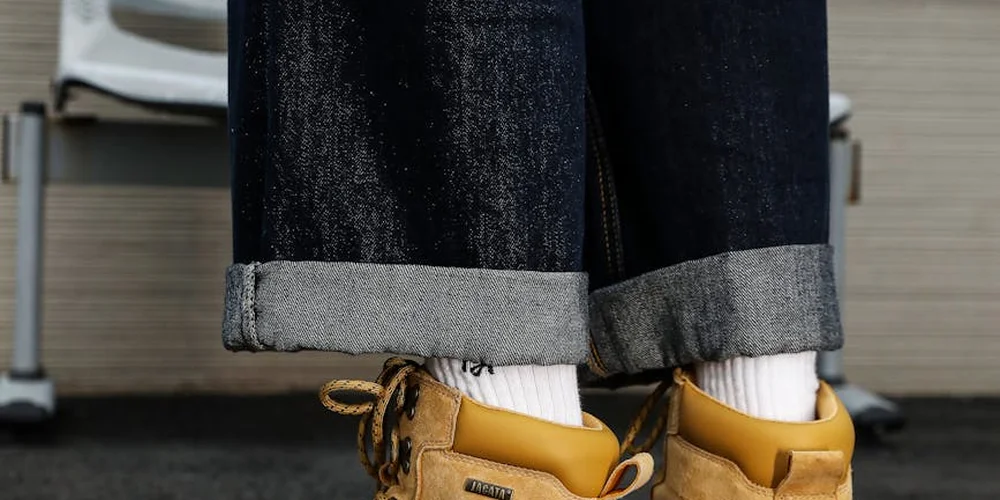
Soft suede is a joy. Think of it like velvet for your feet or shoulders. But without a little regular care, it can become dry and stiff, losing that wonderful handfeel. The good news is that preventing stiffness is much simpler than fixing it later.
Your main tools here are gentle habits and smart storage. It’s about working with the material, not against it.
Maintenance: The Power of a Gentle Brush
Think of your suede brush as a soft eraser for grime and a massage for the fibers. Regular, light brushing is the single best thing you can do. It lifts dust and dirt that get ground into the nap, which is a major cause of stiffness over time.
For my own jacket, June, I give her a quick, soft brushing after every few wears. It takes less than a minute.
- Use a dedicated suede brush or a clean, soft-bristled nail brush.
- Brush in one direction, following the natural nap of the suede.
- Apply very light pressure. You’re coaxing the fibers, not scrubbing a stain.
- For scuffs, you can try brushing a little more firmly or using a suede eraser first, then follow with the brush.
This simple act redistributes the natural oils in the leather and keeps the nap from getting matted down, which is what leads to that stiff, board-like feeling.
Smart Storage: Let It Breathe
Where you put your suede away is critical. The worst thing you can do is seal it in a plastic bag or a non-breathable container. Trapped moisture can promote mildew, and a lack of air circulation dries the leather out from the inside.
I learned this the hard way years ago with a pair of boots. Stored in a plastic tub, they came out stiff and musty.
- Always store suede in a cool, dry place away from direct heat or sunlight.
- Use a breathable fabric bag, like cotton or canvas. A old pillowcase works perfectly.
- Stuff boots and bags with acid-free tissue paper or a clean, dry cloth to help them keep their shape and absorb ambient moisture.
- Never hang a heavy suede jacket on a flimsy wire hanger. Use a wide, padded hanger to support the shoulders and prevent stretching.
Protective Sprays: A Shield, Not a Cure
A quality suede protector spray is your first line of defense against water and oil stains. It creates an invisible barrier. This is important because when suede gets soaked, it stiffens dramatically as it dries.
Apply spray to clean, dry suede in a well-ventilated area.
- Hold the can about 6 inches away from the material.
- Apply a light, even coat, moving the can steadily. Do not soak one spot.
- Let it dry completely, usually for a few hours, before wearing or storing.
Remember, this spray is a moisture barrier for prevention; it will not soften leather that is already stiff, and over-applying it can clog the nap. One or two light coats are better than one heavy, dripping coat.
How to Keep Suede from Getting Stiff Over Time
This brings us to the core question. Stiffness over time is usually a result of neglect, not fate. It’s a combination of dirt buildup and moisture loss.
Your routine is straightforward. After wearing, let the item air out. Give it a light brush. Store it properly in a breathable bag. Apply a protector spray when it’s new and reapply once or twice a year if you wear it often. If the suede starts to feel a little dry but is still clean, you can use a tiny amount of a suede-specific conditioner on an inconspicuous spot first to test. These are often foam or spray-on products designed not to darken or clog the nap. Be careful when applying any products to avoid damaging the nap.
Consistency is everything. A minute of care today saves you from a major restoration project next year. Your suede will thank you by staying supple, soft, and ready for adventure.
When Home Care Isn’t Enough: Considering Professional Help
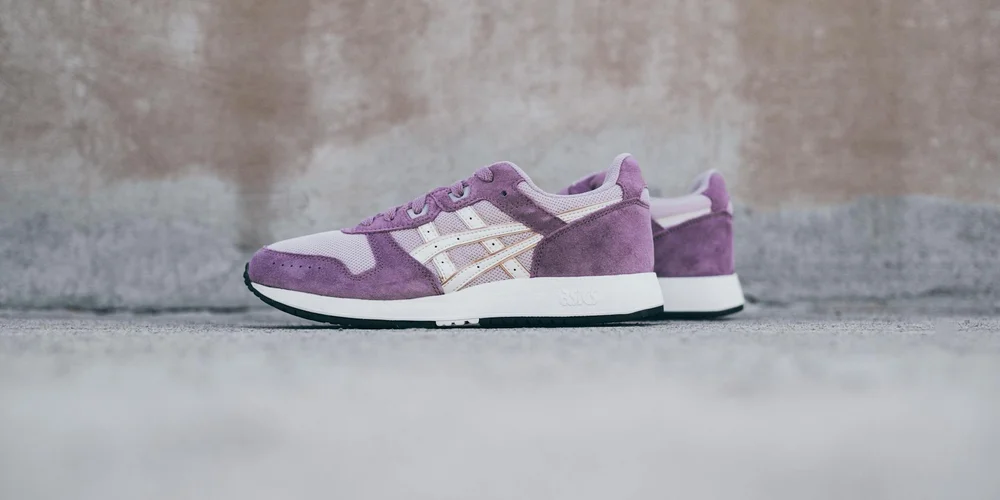
Most stiff suede just needs a little love and patience. Sometimes, though, the stiffness is a symptom of a deeper issue. Knowing when to call in a professional can save your favorite piece from irreversible damage.
Signs That Point to a Bigger Problem
Stiffness from dryness is one thing. Damage from neglect or an accident is another. If you see any of these signs, stop your home treatment and assess.
- Deep Cracking or Flaking: This isn’t light surface creasing. The suede fibers are breaking. You’ll see distinct cracks, and the nap might flake off like old paint.
- Severe, Patchy Discoloration: We’re not talking about the even darkening from conditioner. This looks like water rings, bleach spots, or large areas where the color has been stripped or altered.
- Stiffness with a Brittle Feel: The leather doesn’t just resist bending, it feels like it might snap or crumble. You might hear a faint crackling sound when you flex it.
- Structural Damage: For shoes or boots, this means separated soles, torn lining, or broken stitching. For jackets, it could be ripped seams or a broken zipper pulling on the suede.
If your item feels brittle or is visibly cracking, more conditioning at home can actually force the cracks wider or cause the leather to split. This is the point where specialized tools and expertise are necessary, especially when dealing with peeling and cracking leather damage.
Making the Call: Is it Time for a Specialist?
Think of a professional cobbler or leather restorer like a tailor for your leather goods. You wouldn’t try to reweave a complex fabric at home. Here’s when their skills are the right tool for the job.
Consider professional help if:
- You’ve followed careful softening steps twice with no improvement in flexibility.
- The damage signs listed above are present.
- The item has significant sentimental or monetary value. An expert can preserve it for decades.
- You’re facing a complex stain (ink, oil, unknown substance) that hasn’t budged with a suede eraser and brush.
- The entire piece feels stiff and has a musty smell, suggesting mold or mildew deep within.
A good cobbler can often rehydrate leather from the inside out, carefully inject flexible compounds into dry seams, and match dyes to repair discoloration invisibly. They have access to professional-grade products and techniques that aren’t suitable for casual home use.
Professional Care is an Act of Love, Not Failure
I’ve taken my own pieces to specialists. My old saddle, Mason, needed a professional oil infusion after a particularly dry season left him board-stiff. There was no shame in it. Seeking expert help isn’t admitting defeat, it’s choosing the best possible path for your item’s long-term health.
Handing a cherished item to a professional is the ultimate sign you want it to last. You’re acknowledging its value and investing in its future. It’s a responsible choice, much like taking a car to a mechanic for a strange noise you can’t diagnose yourself.
Start by looking for a local cobbler with strong reviews or a leather goods repair shop. Describe the problem clearly, and don’t be afraid to ask about their experience with suede specifically. A true professional will be happy to explain their process and give you a realistic expectation of the results, especially when it comes to repairing scratch damage on suede footwear.
Common Questions
Can I use mink oil or a general leather conditioner on my stiff suede?
Absolutely not. Oils and creams meant for smooth leather will permanently darken and matte the delicate nap of suede. You must use a product specifically formulated for suede and nubuck to soften it safely.
My suede got soaked and is now stiff. What’s my first step?
Your first step is patience. Let it air-dry naturally, away from heat, then give it a thorough but gentle brushing with a suede brush once completely dry. This will lift the matted nap, which often resolves the stiffness caused by water.
How often should I condition my suede to prevent stiffness?
There’s no set schedule; condition based on wear and feel. If the material starts to feel dry or slightly rigid, a light application of suede-specific conditioner is your next move after a proper cleaning.
Will these softening methods work on my suede bag or gloves?
Yes, the same principles apply: clean first, then use targeted conditioning and gentle flexing. Always exercise even more care with thinner, more delicate items like gloves by using minimal product and lighter pressure.
Putting the Soft Back in Your Suede
Remember this above all else: always start with the gentlest method. Patient, manual flexing with your hands, followed by a proper brush, revives most suede without any products at all. If you need more, a specialist suede shampoo and conditioner is your safest, most effective next step.
Caring for suede this way is a quiet skill that honors the material and extends the life of your gear. That mindful practice, repeated over years, builds the true craft of leather care.
Expert Resources and Citations
- r/Sneakers on Reddit: Best way to restore suede that has hardened?
- How to soften the suede on my shoes – Quora
- How to Restore Suede: A Step-by-Step Guide (with Pictures)
- Softening Suede? | ThriftyFun
Harriet is a avid collector of leather goods such as purses, bags, seat covers, etc and has an extensive background in leather care, recovery, stain removal and restoration. She has worked for a number of years perfecting her leather care techniques and knows the ins and outs of restoring all kinds and types of leather products. With her first hand knowledge in leather care, you can not go wrong listening to her advice.
Suede and Nubuck Care