How Do You Wash Ultra Suede and Clean Fake Suede Without Damaging the Material?
Published on: June 5, 2026 | Last Updated: June 5, 2026
Written By: Harriet Nicholson
Hello Tannery Talk. You’ve got a beautiful suede or faux suede piece that needs care, and you’re worried one wrong move could ruin its soft texture and rich color.
You can clean these materials safely. We will cover how to tell what you’re actually cleaning, the best gentle washing methods, targeted stain removal, and how to properly use the care tag you’ve been ignoring.
I give this advice from the workbench, having refreshed the nap on everything from suede boots to synthetic furniture.
Know Your Fabric: Ultra Suede vs. Fake Suede vs. Real Suede
Think of real suede like a sponge. It is the fuzzy underside of a leather hide, full of natural pores that absorb oils, water, and stains. Run your fingers across it. You feel a soft, irregular nap that changes color with the direction of your touch.
Ultra Suede and other fake suedes are different. They are woven from tiny plastic fibers. The handfeel is more uniform and often has a subtle, smooth resistance to moisture, like a well-waxed jacket. Ultra Suede is a specific, high-quality brand of this synthetic microfiber, often found in furniture and high-end fashion. “Faux suede” is the general term for all similar fabrics. These key differences stem from what faux suede and imitation leather are actually made of. Synthetic suede materials are typically blends of polyester or nylon with a polyurethane coating, which affects feel, durability, and care.
Why does this matter for cleaning? You clean a sponge differently than you clean a plastic bottle. Porous real suede needs gentle, absorbent techniques. Synthetic materials can handle a bit more moisture, but they are vulnerable to heat and rough handling. Knowing what you have changes everything.
The Big Question: Can You Wash Suede at All?
Let’s answer this directly. Can you wash Ultra Suede? Can you put faux suede in a washing machine? The rule is simple and firm.
You should almost never machine wash any material labeled as suede, whether real or synthetic. The agitation, spin cycles, and heat are too harsh. For synthetics, the tumbling can melt the glue holding the backing together. The heat from the dryer will permanently distort the delicate fibers, leaving you with a stiff, wrinkled mess. For real suede, a washing machine is a disaster that destroys its texture.
Hand-washing is your only safe path. It sounds tedious, but it is a calm, controlled process that works. I have revived many suede-like items this way, from stained chair cushions to lightly soiled bags. With the right technique, you can clean effectively without damage.
The Safe Hand-Washing Method
Gather your tools: a clean white cloth, a soft-bristled brush (like a nailbrush or suede brush), a small bowl of lukewarm water, and a drop of mild, pH-neutral dish soap or a dedicated synthetic fabric cleaner.
- Test First: Dampen a corner of your white cloth and gently dab a hidden area, like an inside seam. Check for any color transfer to the cloth or damage to the fabric. Wait for it to dry completely.
- Prepare Your Solution: In your bowl, mix a liter of lukewarm water with just one or two drops of soap. You want barely any suds.
- Clean Gently: Dampen your cloth in the solution and wring it out until it is just moist. Gently dab and wipe the soiled area. Do not scrub in circles. Use a light, linear motion following the nap of the fabric.
- Rinse: Dampen a second clean cloth with plain lukewarm water (no soap). Wring it out well. Use it to dab and wipe the area you just cleaned to remove any soap residue.
- Dry with Care: This is the most critical step. Use a dry towel to blot away as much moisture as possible. Then, let the item air dry away from direct heat or sunlight. You can use a fan to circulate air in the room. Never use a hair dryer or place it on a radiator.
A common mistake is using too much soap or not rinsing thoroughly. Soap residue will attract more dirt and can leave a stiff film. Another error is trying to speed up drying with heat, which causes the synthetic fibers to shrink and harden.
Simple Fixes for Common Issues
After your item is completely dry, the nap might look flattened. This is easy to fix. Use your soft-bristled brush to gently brush the entire surface. Brush in one direction to lift the fibers and restore the soft texture.
If you notice a water ring or a slightly stiff spot after drying, do not re-wet it. Often, a thorough, gentle brushing across the entire surface will even out the nap and make the spot disappear. Patience and a soft brush solve most post-cleaning issues.
Gather Your Gentle Cleaning Tools First
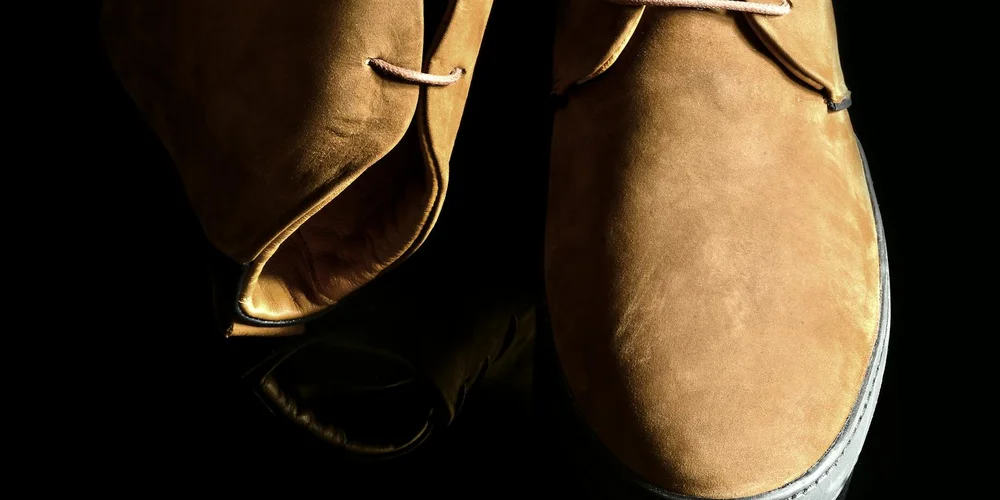
You need the right tools to clean ultra suede safely. This is not like conditioning my saddle Mason, it requires a softer approach.
- A soft-bristle brush, like a suede or nail brush: This tool lifts the nap with a gentle, sweeping motion. It should feel like a light breeze over the surface, not a scratch.
- White microfiber cloths: These cloths blot moisture without leaving behind lint. They have a smooth handfeel that won’t catch on delicate fibers.
- Mild dish soap or a dedicated synthetic fabric cleaner: A single drop of pH-balanced soap in cool water creates a safe cleaning solution. Harsh formulas can strip the material’s finish.
- A bowl of cool water: Cool water prevents setting stains and protects the synthetic fibers from damage.
Always perform a spot test on a hidden seam before you clean the entire item. I do this with every product, just like testing conditioner on the inner fold of my wallet Scout. It tells you if the color or texture will change.
What You Should Never Use
Some common household products will destroy ultra suede. Keep this short list in mind.
- Harsh solvents (like acetone or paint thinner): They can melt the synthetic fibers, creating permanent, sticky patches.
- Bleach or ammonia-based cleaners: These chemicals strip color and weaken the material’s structure, leading to tears.
- Abrasive brushes or scouring pads: Stiff bristles scratch the surface and crush the nap flat. The texture will not bounce back.
- Heat from hair dryers, clothes dryers, or radiators: Direct heat warps the backing and permanently sets wrinkles or a crushed look.
How to Wash Ultra Suede the Right Way
When you ask, “How do you wash ultra suede?” the answer is with great care. Here is how I would gently clean a delicate ultra suede item, treating it with the same respect I give my synthetic leather jacket June.
Step-by-Step Hand-Washing Guide
- Brush off dry dirt. Use your soft brush to lightly sweep the entire surface. Follow the direction of the nap to lift dust away without grinding it in.
- Mix a tiny drop of soap in cool water. In your bowl, add one small drop of mild soap to cool water. Swirl it until the water is just barely cloudy. More soap does not mean more cleaning power, it means more residue.
- Dampen the cloth, don’t soak the fabric. Dip a corner of a microfiber cloth into the solution and wring it out thoroughly. The cloth should be damp to the touch, not dripping. You are blotting a spill, not scrubbing a pan.
- Gently wipe in one direction. Lightly wipe the soiled area with the damp cloth, moving in one direction along the nap. Avoid circular motions that can twist and mat the fibers.
- Rinse with a water-dampened cloth. Use a second, clean microfiber cloth dampened with plain cool water. Wipe over the area you just cleaned to remove any soap film. Again, move in one gentle pass.
- Blot, don’t rub, with a dry towel. Lay the item flat. Use a dry, absorbent towel to press down firmly on the damp sections. Lift and repeat to pull moisture out. Rubbing will fray the surface. Let it air dry completely, which may take several hours.
Work on small sections at a time and never saturate the material. Patience here is what protects your item and keeps it looking its best.
How to Clean Fake Suede Without Harming It
You want to know how to clean fake suede without ruining it. I get that. It feels delicate, and you’re right to be cautious. Especially when cleaning furniture covered with faux suede.
The approach is much like cleaning Ultra Suede. You use the same gentle principles. Fake suede, however, is often more sensitive to strong solvents and abrasives than its branded counterpart. The synthetic fibers and coatings can break down easily. When learning how to clean and care for suede trainers and sneakers by brand, the same approach applies across brands. Gentle treatment and air-drying prevent damage.
For most upkeep, spot cleaning is the safest route. Let’s tackle a common worry: a greasy stain from food or hand cream. Here is what I do.
- Immediately blot the spot with a clean, dry cloth to lift any surface oil.
- Dust a little cornstarch or baking soda over the mark. Let it sit for 20 minutes to absorb the grease from within the fibers.
- Gently brush the powder away with a very soft brush, like a clean makeup brush or suede eraser.
- Dampen a white microfiber cloth with cool water. Wring it out so it’s just barely moist.
- Blot the area lightly with the cloth. If needed, use a drop of mild, dye-free dish soap mixed with water.
- Continue blotting with a clean, damp section of the cloth to rinse.
- Let it dry naturally, away from heat.
The “blot and lift” method is your only move here, never a circular scrub. Scrushing distorts the nap and can set the stain deeper into the material. If you remember one thing, make it that. That same blot-and-lift works on pen ink too, without flattening the nap. More nap-safe tips for removing pen ink stains from suede furniture appear in the next steps.
The All-Important Drying and Reshaping Stage
Your cleaning work can be undone in minutes if you dry the item wrong. How you dry it matters as much as the wash.
You must air dry fake suede and Ultra Suede at room temperature. Keep it out of direct sunlight and far from radiators or vents. Treat it like a fine wool sweater, not a cotton t-shirt you can toss in the dryer. Artificial heat is the enemy.
While the item is still damp, gently reshape it. This ensures it dries in its proper form.
- For a cushion or pillow, plump it and smooth the fabric.
- For shoes, stuff the toes with crumpled white paper to maintain their shape.
- For a jacket or bag, lay it flat and adjust collars, flaps, or straps so they lie correctly.
Do not use a hairdryer, even on a cool setting. The focused air can still shock the synthetic fibers, causing them to shrink, stiffen, or warp permanently. Patience is your tool here. It might take a day to dry fully, and that’s perfectly fine.
Keeping Your Suede Looking (and Feeling) Good
The best way to handle a stain is to stop it from becoming one. Think of it like brushing your teeth. You don’t wait for a cavity. You brush every day to keep things clean and healthy. Your suede deserves the same gentle, regular attention. Otherwise, you’ll need to try to remove stains from the suede, which can be tricky.
I treat my leather jacket, June, this way. After a day out, I don’t just hang her up. I give her a quick once-over. This habit keeps the surface fresh and stops grime from settling in where it’s hard to reach.
Brush It Out, Gently and Often
A dry suede brush is your number one tool. It’s not for scrubbing dirt out. Its job is to lift the tiny fibers, called the nap, and flick away loose dust before it gets ground in. If you’re curious about the best methods and products for cleaning suede shoes and boots, we’ll cover them next. Stay tuned.
A light, regular brushing restores the texture and soft handfeel, making your item look cared-for without any chemicals.
Here is how to do it right:
- Always brush the item when it is completely dry.
- Use short, light strokes in one direction to smooth and align the nap.
- Brush the entire surface, paying extra attention to cuffs, collars, and seams where dirt collects.
- Do this once a week for items you use often, or after every few wears.
A common mistake is brushing too hard or in circles. This can mat the fibers down and create shiny, worn-looking spots. Be gentle. You are grooming it, not scrubbing a pan.
Shield It Before the First Spill
For a new ultra suede or synthetic suede item, the single best thing you can do is apply a fabric protector spray made for synthetic materials. For tips on usage, learn how to properly apply and use protective spray on suede shoes or boots.
This spray creates an invisible barrier. It causes liquids to bead up on the surface so you can blot them away before they become a stain. It is a simple step that adds a huge amount of peace of mind.
Applying a protector spray designed for synthetics is a proactive fix that makes all future cleaning easier.
- Make sure the item is perfectly clean and dry.
- Take it outside or to a very well-ventilated area.
- Hold the spray can about 6 inches away.
- Apply a light, even coat over the entire surface. Do not soak it.
- Let it dry completely, which usually takes an hour or two.
- For high-use items like bags or shoes, reapply this protector every few months.
Be careful not to use a standard suede protector meant for natural leather. The formulas are different. Using the wrong one might not work and could leave a residue.
Store It with Care
How you put your item away matters as much as how you clean it. The goals are simple: keep it clean, keep it dry, and keep it safe from pressure.
- Always store items clean. Dirt left in storage can set over time.
- Use a breathable storage bag, like cotton. A pillowcase works perfectly.
- Never use a plastic bag or airtight container for long-term storage. Plastic traps moisture, which can lead to mildew. Leather and synthetic fabrics need to breathe.
- Keep it in a cool, dry place away from direct sunlight, which can fade colors over time.
- Make sure the item is not crushed by other objects. Stuff bags with tissue paper to help them keep their shape.
Think of your storage space as a calm resting spot. It should be dark, dry, and roomy. This simple care extends the life of your favorite pieces for many more seasons of use.
Common Questions
Should I use a waterproofing spray on fake suede?
Yes, but only a spray specifically formulated for synthetic fabrics. Apply a light, even coat to clean, dry material in a ventilated area for a protective barrier.
What’s the first thing I should do with a fresh grease stain?
Immediately blot-don’t rub-with a dry cloth. Then, cover the spot with cornstarch to absorb the oil before you attempt any cleaning with moisture.
The nap looks flat after cleaning. Did I ruin it?
No. Once the item is completely bone-dry, gently brush the entire surface with a soft-bristled brush. Brush in one direction to lift and restore the texture.
Is steam cleaning or a garment steamer safe for wrinkles?
Never. The heat and moisture from steam can permanently set stains, distort the backing, and crush the fibers. Always air dry and brush out wrinkles instead.
Can I use this method on suede-like shoes or a bag?
Yes, the gentle hand-washing and spot-cleaning principles are the same. Always stuff bags and shoes with white paper to hold their shape while air-drying away from heat.
Final Thoughts on Cleaning Ultra and Faux Suede
The most reliable rule is to treat these materials with a gentle, minimalist hand. Always start with a spot test in a hidden area and choose the mildest effective method, whether that’s brushing, vacuuming, or a damp cloth.
Caring for your items this way extends their life, which is the most sustainable practice of all. Building this practical skill with materials like faux suede builds confidence for maintaining all the leather and fabric goods in your care.
Research and Related Sources
- How to Clean Suede Shoes, No Matter the Stain
- r/malefashionadvice on Reddit: How do I wash suede?
- Testing Home Remedies for Cleaning Suede Leather : 7 Steps (with Pictures) – Instructables
- How to Clean Suede Shoes Without Wrecking Their Velvety Texture
- Cleaning Suede Is Easier Than You Think. Here’s How to Do It Yourself.
Harriet is a avid collector of leather goods such as purses, bags, seat covers, etc and has an extensive background in leather care, recovery, stain removal and restoration. She has worked for a number of years perfecting her leather care techniques and knows the ins and outs of restoring all kinds and types of leather products. With her first hand knowledge in leather care, you can not go wrong listening to her advice.
Suede and Nubuck Care