What Are the Best Leather Types and Brands for Bags?
Published on: June 3, 2026 | Last Updated: June 3, 2026
Written By: Harriet Nicholson
Hello Tannery Talk. Choosing a leather bag can spark both excitement and worry. You want a companion that softens with age, not one that cracks under pressure.
We will cover the fundamental leather types from sturdy full-grain to supple nubuck, how to identify reputable brands, and matching material to your everyday carry.
My hands have conditioned and repaired bags for years, learning what makes them endure from the inside out.
How Do You Pick the Best Leather for a Bag?
Think of leather grades like denim. Full-grain leather is the original, untouched fabric. It has the hide’s natural grain, marks, and character. It’s like a pair of raw denim jeans that develop unique fades and wear patterns just for you. Top-grain leather is that same denim, but lightly sanded and refinished to create a perfectly uniform surface. Both are strong, but they age very differently.
Comparing Common Bag Leathers
Most quality bags use one of three main leather types. Your choice depends on the look and feel you want.
Full-grain leather is the most durable and will develop the richest personal patina over many years. My English saddle, Mason, is made from it. After eight years, his deep chestnut color has warmed, and the high spots have a soft, burnished sheen from use. This leather feels substantial, shows its life story, and stands up to heavy use.
Top-grain leather, often called corrected grain, has been buffed to remove natural marks and given a consistent finish or embossed pattern. It feels smoother and more uniform right out of the box. It’s easier to clean and offers a more polished, consistent look, which many people prefer for professional settings.
Vegetable-tanned leather is a process, not a grade. Hides are tanned using natural tannins from tree bark. This leather starts out stiff and pale, then darkens dramatically with sun exposure and develops a deep, honey-colored patina. Unlike chrome-tanned leather, it requires more care but offers better sustainability. My wallet, Scout, is veg-tan. After three years in my pocket, its color is rich and dark, and it has molded perfectly to my cards. It’s a favorite for heirloom-quality pieces that change with you.
A Quick Note on Other Leathers
Softer leathers like calfskin or goatskin are lovely for delicate items. My jacket, June, is calfskin. It’s incredibly soft with a fine, smooth grain, but it marks more easily and needs gentler care. For a daily bag that gets knocked around, these can be less practical.
I advise avoiding bonded or split leather for a bag you want to last. Bonded leather is made from shredded fibers glued together and coated with a plastic layer. It might look fine new, but this plastic coating will crack and peel with flexing and age. It cannot develop a true patina.
What Are the Best Leather Bags for Your Daily Life?
The best bag is the one that fits your life. Match the leather’s personality to your daily routine.
For Your Everyday Bag (Backpacks & Totes)
You need something tough, forgiving, and ready to improve with age. A full-grain leather backpack or tote is perfect for this.
Look for leathers with a medium pull-up effect. This means the leather has been oiled or waxed during tanning so it lightens when stretched or bent. Different tanning finishing processes can influence this pull-up effect, with finishes like aniline, semi-aniline, or pigmented options creating varying looks. Knowing the finishing method helps you predict how the leather will age. Scratches and scuffs blend in as lighter tones, adding character instead of looking like damage. Over years, it will develop a soft, worn-in look that tells your story.
Choose a sturdy, full-grain leather for a bag that will become more unique and personal with every commute, grocery run, and coffee shop visit.
For Your Work Handbag
Professional settings often call for a more refined, structured look. A top-grain leather handbag with a smooth finish excels here. The uniform surface looks polished and is easy to wipe clean. Focus on structure. A bag that holds its shape when empty looks more intentional and keeps your items organized. Look for smart features inside like dedicated laptop sleeves, zippered pockets, and pen slots.
The leather on a work bag should feel substantial but not rigid, with a subtle sheen. It’s about presenting a put-together image that lasts from your first meeting to your evening commute.
For Your Weekender Bag
Travel is tough on gear. Your weekender needs to be robust. Thick, full-grain leather from reputable tanneries is the gold standard. This leather can handle being stuffed under seats, placed on airport floors, and exposed to the elements.
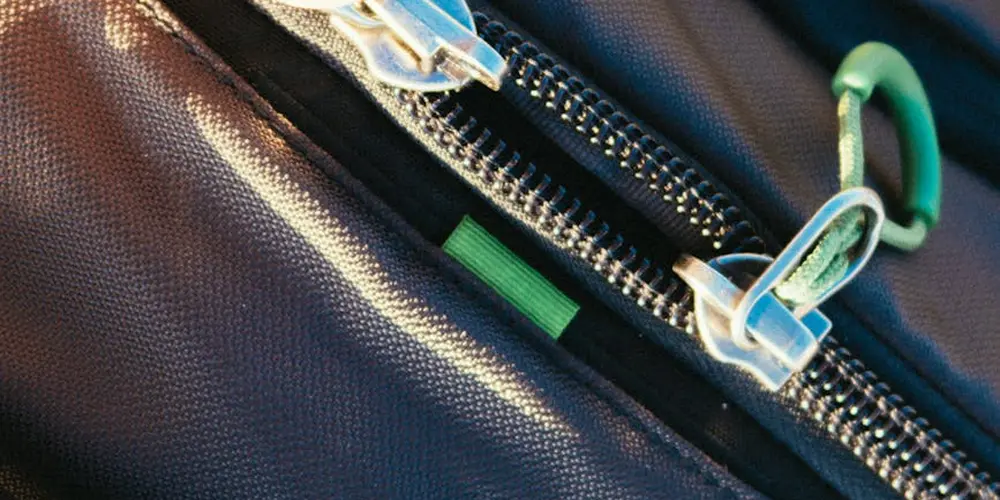
The construction is just as critical as the leather. Examine the bag’s stress points. The straps should be wide, firmly attached with rivets or heavy-duty stitching in a box or X pattern. Zippers should be substantial metal, not thin plastic. A strong, durable lining fabric is a must, as a torn lining is a common failure point.
For travel, prioritize heavy-duty construction details like riveted straps and thick stitching-these are the true test of a bag’s longevity.
Looking Beyond the Leather
Before you buy, inspect the bag’s build. Run your fingers over the stitching. It should be even, tight, and straight without loose threads. Check that all handles and straps are secured with more than just glue; look for strong saddle stitching or metal rivets at the anchors. Feel the lining. It should be a tightly-woven, durable fabric, neatly finished without loose edges. These signs of careful construction are what turn a beautiful piece of leather into a bag that lasts a lifetime.
What Makes a Leather Bag Brand Worth Your Trust?
Instead of a list of names, I suggest you learn to spot the signs of a good maker. Think of it like learning to read the grain of the leather itself. When you know what to look for, you can find quality in many places, from a workshop down the street to a famed atelier overseas.
Heritage and Craftsmanship
Look for brands that talk about how they make things, not just what they make. A quality brand prioritizes technique over fleeting trends. This often means slower production, hand-stitching where it counts, and a focus on construction that allows for future repairs. My saddle, Mason, is a perfect example of this. Its durability comes from time-honored saddlery techniques, not from being the newest style.
These brands often train their artisans for years. They value skills like skiving leather edges thin for clean folds or hand-burnishing edges to a smooth, glossy finish. These details might seem small, but they are the fingerprints of real craftsmanship.
Transparency and Ethics
A trustworthy brand is open about its origins. You want a maker who can tell you where their leather comes from and how it was tanned. Look for mentions of “vegetable-tanned” or “chrome-free” leathers, which often indicate more controlled, responsible processes. I advocate for animal welfare, which means supporting brands that use leather as a by-product of the meat industry, not the other way around, and are transparent about that fact.
Check their website for a story. Do they name their tannery? Do they explain their commitment to their workers and the environment? Silence on these points is a sign to be cautious.
Regional Hubs of Quality
Geography can be a helpful clue. Certain cities and regions have built centuries of reputation around leatherworking. Florence, Italy, and Ubrique, Spain, are two famous examples. When a brand is rooted in these places, it often signals deep, generational knowledge and access to superb materials. It’s not a guaranteed stamp of quality, but it’s a very good starting point for your search. When evaluating leather, many buyers compare global quality standards and country of origin, with Italian leather often serving as a benchmark. This broader perspective helps you gauge how a brand’s claims stack up against the wider reputation landscape.
Affordability and Value
Quality doesn’t always mean unaffordable. You can find excellent value by focusing on construction. Judge a bag by its hardware, its stitching, and its lining-these elements reveal where the maker invested the budget. Solid brass zippers and buckles will last decades. Tight, even stitching, especially at stress points, is non-negotiable. A clean, fitted cloth lining protects the leather’s interior. A bag with these honest details, even if it’s from a smaller brand, will outlive a flashy, poorly-made one.
How Do You Care for a Leather Bag from Day One?
Your new bag arrives. The first care you give it sets the stage for its entire life. This isn’t about complicated rituals, it’s about simple, consistent habits. Think of it like breaking in a good pair of boots gently.
Your Simple Cleaning Routine
Dust and dirt are abrasive. A quick, weekly wipe-down makes a huge difference.
- Empty the bag completely.
- Use a soft, dry brush (a horsehair brush is perfect) to gently loosen dust from seams and crevices.
- Dampen a soft, lint-free cloth with cool water. Wring it out so it’s barely damp.
- Wipe the entire exterior in smooth, following the grain of the leather.
- Let it air dry completely away from heat.
For spills or marks, use a cleaner made for your leather type-a pH-balanced, neutral leather cleaner is a safe bet for most. If you’re considering care beyond spills, you may want to know which methods can also clean and disinfect general leather items. The next steps will cover the best practices for cleaning and disinfecting a range of leather items. Always test any product on a hidden area, like a corner of the interior gusset, first.
Why and How to Condition
Leather is skin. It loses its natural oils over time, leading to dryness, stiffness, and cracks. Conditioning replaces those oils.
Start conditioning your new bag after the first month of regular use. To test a conditioner, apply a tiny amount to an inconspicuous spot, let it absorb for an hour, and check for any unwanted darkening or texture change. A good conditioner, like a pure oil or a lanolin-rich cream, will soak in and leave the leather supple, not greasy.
Apply conditioner with your fingers or a cloth in thin, even layers. Let it absorb fully. My wallet, Scout, gets this treatment every six months, and its veg-tan leather has developed a rich, deep patina without a single crack.
Protection and Smart Storage
A little prevention saves a lot of repair work later.
- Water Repellent: For bags you’ll use daily, a spray-on water and stain protector is wise. Apply it in a well-ventilated area after conditioning and let it cure for 24 hours.
- Proper Stuffing: Always store your bag stuffed with acid-free tissue paper or a pillow. This holds its shape and prevents deep, permanent creases.
- Avoid Direct Sun & Heat: Never leave your bag in a hot car or in a sunny window. Heat dries leather out dramatically and can cause fading.
Integrated Care Questions
Does leather darken with age? Yes, and this is often a beautiful thing called a patina. High-quality full-grain and vegetable-tanned leathers develop a richer, deeper color with use and exposure to light, much like my jacket, June, has.
Should bags be stuffed for storage? Always. An empty bag will slouch and collapse over time, creating weak points and misshaping its structure. Keep it stuffed to maintain its form.
How often should I condition? There’s no fixed rule. It depends on climate and use. In a dry climate or with heavy use, every 3-4 months. In a humid climate with light use, once a year may be enough. Let the leather tell you-if it starts to look or feel dry, it’s time. That decision also ties into the best method to condition leather boots—how much product to use and whether to rub in with a cloth, brush, or sponge. Consistent, even coverage will help you get the most from your boots.
How Do You Fix Common Leather Bag Problems?
Your leather bag gets a scratch. A water spot appears. It happens to every bag, even my trusted ones like Mason or June. I have fixed these issues many times. You can too, with some calm, simple steps. Let’s walk through common problems and how to solve them safely.
Gently Buffing Out Light Scratches and Scuffs
Light scratches are not damage. They are the start of your bag’s story. Think of them like the first creases in a new pair of jeans. Your goal is to blend them into the patina, not erase them.
First, clean the area with a soft, dry cloth. For a deeper scuff, use a dab of neutral leather cleaner on a damp cloth. Let it dry completely.
Next, take a clean, soft cloth-an old t-shirt works well-and a tiny amount of leather conditioner. Rub the conditioner in with small, circular motions over the scratch. You are not pressing hard. You are feeding the leather.
Let it soak in for about ten minutes. Then, use the dry side of your cloth to buff the area gently. Go with the grain of the leather. The heat from buffing helps the oils distribute and often makes shallow scratches vanish into the background. Choosing the right products and cleaning methods matters for leather’s longevity. In the next step, we’ll point you to the best leather cleaning products and methods.
Buffing blends scratches by moisturizing the leather and encouraging the oils to fill the surface imperfections.
I did this on June’s jacket last month for a scuff from a bicycle lock. After conditioning and buffing, the mark softened into part of her character. Avoid waxes or pigmented creams for this; they can sit on top and look obvious.
A Safe Method for Water Stains and Light Grease
Water and oil panic people. The key is to act slowly and let the leather dry on its terms. Rushing can set a stain.
For a fresh water spot, blot it immediately with an absorbent cloth. Do not rub. Then, let the bag air dry away from direct heat or sun. Full drying can take a full day. Once completely dry, the spot might look raised or dark. Condition the entire panel, not just the spot. This evens out the moisture content and often makes the stain disappear.
For a light grease mark, like from hand lotion, sprinkle a little cornstarch or talc-free baby powder on it. This absorbs the oil. Leave it for several hours, or overnight, then brush it off with a soft brush. Follow with a gentle leather cleaner if a shadow remains.
Always let leather dry completely at room temperature before you try to fix any stain; applying products to damp leather can trap moisture and cause damage.
Mason got caught in a rain shower once. I blotted him, let him dry for two days in a cool room, and then conditioned him. The water rings faded away after the second conditioning session.
When a Professional Should Take Over
Some problems are beyond a simple fix. Knowing when to stop saves your bag from worse harm.
- Deep cuts or tears: If you can see the fibrous underside of the leather, this needs professional stitching or patching. Home glues can harden and crack.
- Lining repairs: Replacing a torn lining involves careful seam ripping and sewing. It’s easy to puncture the outer leather if you are not experienced.
- Structural damage: Broken frames, hinges, or straps often need specialized tools and parts.
- Major discoloration or dye loss: Redyeing a whole section requires skill to match color and not create a stiff, painted feel.
If you are unsure, take a photo and show it to a reputable cobbler or leather repair shop. The cost for a pro is often worth it for preserving a beloved bag for more years, especially when dealing with vintage leather bags.
The Smell of Leather Versus Unpleasant Odors
Good leather has a warm, earthy smell from tannins. It should not smell chemical or sour. Unpleasant odors usually mean trapped moisture, mold, or a previous owner’s perfume.
To manage musty smells, fill the bag with crumpled newspaper or cedar shavings. Close it and leave it for a week. The material absorbs odors. You can also place it in a well-ventilated area for a few days.
For stronger smells, wipe the interior with a cloth lightly dampened with a 50/50 mix of white vinegar and water. Vinegar neutralizes odors. Let it air out completely afterwards. Never use harsh chemical deodorizers; they can strip the leather’s natural oils. These techniques also apply to leather bags and jackets when you’re tackling musty smells or odors.
Leather needs to breathe; storing a bag in a stuffy closet or plastic bag is a common cause of bad smells.
My wallet, Scout, picked up a smoky smell once. I wiped him inside with the vinegar solution, let him dry in the sun for just 15 minutes, and then finished with air drying in a breeze. The good leather scent returned in a couple of days.
Common Questions
Is there a real difference between the “best” leather bags for men and women?
No, it’s about intended use, not gender. A “men’s” work bag needs the same durable construction as a “women’s” weekender. Judge the leather’s thickness and the bag’s hardware by the load it will carry daily.
How do I know if a bag from Florence or Ubrique is truly well-made?
Reputation gets you in the door, but you must inspect the work. Feel for tight, even saddle stitching and look for full-grain or vegetable-tanned leather from a named tannery. Even in famous regions, shortcuts exist.
What’s the trade-off with an affordable leather bag?
You often get corrected-grain leather and simpler construction. Focus your inspection on the stress points: if the straps are well-riveted and the stitching is tight, it can still be a good value. Condition it every 4-6 months to compensate for potentially thinner finishes.
Can a smooth leather bag handle daily wear and tear?
Yes, if it’s a quality top-grain or full-grain with a good finish. It will show marks more readily than a pull-up leather, but these can often be blended with gentle conditioning and buffing. Keep a dry, soft cloth handy for quick wipes.
What’s the single most important maintenance habit for any bag?
Consistent, gentle cleaning. Dust and grit act like sandpaper. A quick weekly brush-down with a horsehair brush and a wipe with a barely damp cloth prevents the buildup that leads to deep-set grime and premature wear.
Choosing Leather for the Long Haul
The best leather for your bag is the one that fits your life and your hands. Start with full-grain for serious durability, then let your personal style and budget guide you from there. If you’re considering a jacket next, you might wonder: are the best types of leather durable and stylish for outerwear?
Look for brands that respect their materials, sourcing hides responsibly and crafting with intent. Your care routine, a simple mix of occasional cleaning and conditioning, is what turns a good bag into a trusted companion for decades.
Related Guides and Information
- r/handbags on Reddit: What brands use the best quality leather for their bags?
- Types of Leather: A Complete Guide – The Real Leather Co.
- Luxury Materials 101: A Guide to Luxury Leather – Academy by FASHIONPHILE
- Top 5 materials that genuine leather bag brands should get to know
- Top 10 Best Leather Handbag Brands for Style & Quality – thebagicon | thebagicon
Harriet is a avid collector of leather goods such as purses, bags, seat covers, etc and has an extensive background in leather care, recovery, stain removal and restoration. She has worked for a number of years perfecting her leather care techniques and knows the ins and outs of restoring all kinds and types of leather products. With her first hand knowledge in leather care, you can not go wrong listening to her advice.
Handbag and Purse Care