How to Choose a Leather Wallet That Lasts and Which Luxury Brands Are Worth It
Published on: July 8, 2026 | Last Updated: July 8, 2026
Written By: Harriet Nicholson
Hello Tannery Talk. You want a wallet that feels right in your hand and grows more character with every year, not one that falls apart or loses its charm.
We will cover how to spot quality leather and construction, what defines a truly durable wallet, and which luxury brands focus on honest craftsmanship.
Having repaired and conditioned everything from daily drivers like Scout to heirloom pieces, I know what makes leather age well.
What Makes a Leather Wallet Worth the Investment?
A cheap wallet is a temporary item. A good leather wallet is a companion. The difference is in what happens over years, not months.
Plastic and bonded leather split and peel. They are made to be replaced. A solid leather wallet is made to evolve. Its value isn’t just in the purchase price, but in the cost per year of reliable, beautiful service. Think of my wallet, Scout. After three years, it shows no signs of quitting. It’s just getting started.
The magic is in the patina. This is the rich, darkened glow and soft sheen that develops from the oils in your hands and the leather’s reaction to light and air. It’s a record of your use. No two wallets will patina the same way. A patina tells a story your cheap wallet never could.
A well-made leather wallet doesn’t just hold your cards, it molds to them and to the shape of your body, becoming more comfortable and personal with every day you carry it. It breaks in like a favorite glove, softening in just the right places while remaining tough where it counts.
True luxury isn’t just a logo. It’s in the details of sourcing and craftsmanship. For me, a wallet is worth more when I know the leather came from a responsible supplier and was put together by someone who cares about their work. It’s about respecting the material and the animal it came from. That care translates into an item made to last, which is the most sustainable choice you can make.
How Do You Pick the Right Leather for Your Wallet?
So, what is the best leather for a wallet? There’s no single answer, but there is a best leather for *your* wallet. It depends on the feel you want and the life you’ll give it. We choose leathers by their surface (the grain) and how they’re processed (tanning). That same logic also applies to belts and watch straps. Durable leather performs best there and ages well over time.
Let’s compare the grain types. Think of a piece of leather like a tree trunk. The outermost surface has the tightest, strongest fibers.
- Full-Grain Leather: This keeps that entire, natural outer surface. It has natural markings like light scars or insect bites. This is the strongest, most durable leather. It develops the best patina. It’s like choosing solid wood furniture over plywood.
- Top-Grain Leather: The outer surface is lightly sanded or buffed to remove most markings. It’s thinner and more pliable than full-grain, with a more uniform look. It’s still strong and common in quality goods.
- Corrected-Grain Leather: The surface is heavily sanded and then embossed with an artificial grain pattern and coated with a heavy finish or pigment. It’s very uniform and easy to clean, but the patina and character are limited. It won’t age the same way.
Next, consider the tanning process. This is how raw hide is turned into stable leather.
- Vegetable-Tanned Leather: Tanned using natural tannins from tree bark and other plants. It starts with a lighter, natural hue and darkens dramatically with age and exposure to light. It’s firm, holds shapes like wallets beautifully, and develops a rich, personal patina. My wallet Scout is veg-tan. It’s the classic choice for heirloom-quality goods.
- Chrome-Tanned Leather: Tanned using chromium salts. This process is faster and produces leather that is softer, more water-resistant, and available in a vast range of colors from the start. It’s more supple but its aging is more about softening and developing light creases than the dramatic color change of veg-tan.
Some leathers, often chrome-tanned, have a “pull-up” effect. When you bend them, the lighter base color shows through, creating a worn-in look instantly. It’s like buying pre-faded denim. It’s attractive, but the aging journey is different from starting with a blank canvas.
Full-Grain: The Unbeatable Workhorse
For a wallet you want to carry for a decade or more, full-grain leather is the foundation to look for. Its natural grain is its armor. Those tiny imperfections aren’t flaws, they’re proof of authenticity and strength.
Full-grain leather’s dense fiber structure resists abrasion and tearing better than any other type, making it the ideal foundation for an item that faces constant friction in your pocket. A full-grain wallet will develop a deep, earned patina. The color will deepen, the surface will develop a warm gloss from handling, and it will become uniquely yours. It requires little more than an occasional wipe with a damp cloth and a conditioning treatment once a year to stay in perfect health.
Soft Calfskin and Exotic Leathers
Many luxury houses favor soft calfskin for its immediately luxurious handfeel. It’s incredibly fine, smooth, and supple right out of the box. Think of my jacket, June. Calfskin offers a refined, elegant look with gentle creasing over time. It is more delicate than full-grain cowhide, so it requires a gentle touch. Keep it away from sharp objects and condition it with a light, non-greasy cream to maintain its softness without oversaturating it.
Other options exist, like ostrich (with its distinctive quill follicles) or shell cordovan (a specific, incredibly dense leather from horsehide). These are unique and durable in their own ways. They often need specialized care. For example, shell cordovan develops a legendary gloss with specific wax-based polishes, not standard conditioners. If you choose an exotic leather, your first step should be to learn its specific care needs from the maker.
Which Wallet Style Fits Your Daily Life?
Choosing a wallet is personal. It has to match your rhythm. Think about what you carry every single day, not just for a fancy occasion. A wallet that’s too bulky will annoy you. One that’s too small will frustrate you. Let’s break down the common styles.
The Bifold: The Classic Workhorse
This is the standard. It folds in half, usually with card slots on each side and a central bill compartment. My own daily wallet, Scout, is a slim bifold. It carries six cards and some folded cash without a problem.
A good bifold should disappear in your front pocket, feeling like a thick phone, not a brick.
Look for one with staggered card slot depths. This prevents a lumpy stack of cards in one spot. If you rarely use cash, a “cash strap” instead of a full pocket can save a lot of thickness.
The Card Case: The Modern Minimalist
This is for the person who uses a phone to pay. It holds 3-6 cards tightly. There’s often a central slot for a few bills or receipts. It’s the slimmest option by far.
Luxury brands love card cases. They often showcase the finest leathers and stitching because there’s less material. When buying a luxury card case, feel the edges-they should be smooth and rounded, not sharp-and check that the cards slide in and out easily without catching. A tight fit now will only get worse as the leather relaxes.
The Money Clip Wallet: For the Cash Carrier
This hybrid combines a card holder with a metal or leather clip. It keeps your bills neat and accessible. The feel in your pocket is distinct: you get the softness of leather with the solid clip.
Test the clip. It should hold bills securely but not require a struggle to add or remove a single note. A common mistake is choosing a clip that’s too strong, which can damage your banknotes over time.
The Long Wallet & The Removable Coin Purse
Also called a “continental” wallet, this style is for carrying everything without folding your bills. It often includes a zippered coin compartment. It’s meant for a jacket inner pocket or a bag, not a trouser pocket.
Many long wallets feature a removable coin purse or card holder. This is brilliant for travel or nights out. When examining one, unzip and remove the inner piece-the main wallet should still feel structured and the attachment should be secure, not flimsy. The lining where the purse sits should be finished well, not raw.
What Features Should You Look For in a Luxury Wallet?
A high price tag doesn’t guarantee quality. You have to look at the details. Forget the logo for a moment and use your hands and eyes. These are the signs of a piece built to last, like my jacket June, where the repairs are invisible because the base material was so good.
Examine the Stitching
Thread should be tight, even, and consistent. No loose loops or skipped spots.
- Hand-stitched: You’ll see slight, charming irregularities in the stitch holes. The thread (usually thick waxed linen or polyester) lies at an angle. This method allows for incredible durability and future repair.
- Machine-stitched: The stitches will be perfectly uniform. Look for a high stitch count per inch (SPI). More stitches mean a stronger, finer seam. The thread should be sunken into the leather, not sitting on top.
Run your finger along a seam. It should feel smooth, not rough or bumpy.
Judge the Edge Paint
The cut edges of the leather are often finished with edge paint or burnished. This isn’t just for looks; it seals the leather from moisture and dirt. Finishing and sealing leather edges in this way can give your project a professional appearance.
A well-done edge feels glassy smooth to the touch, with no gritty texture or visible layers of paint. It should be neatly applied, not bleeding onto the grain surface. Cheap wallets often have rough, unfinished edges that will fray and collect grime.
Feel the Lining
Interior lining takes abuse. A luxury wallet won’t use cheap, synthetic fabric that pills or tears.
- Look for smooth, durable linings like soft suede (alcantara), fine silk, or even thin, supple leather.
- The lining should be glued and stitched in neatly, with no loose threads or gaps at the corners where cards can catch.
Test the Hardware
Zips, snaps, and buttons should feel substantial.
- A zip should pull smoothly, not catch. The teeth should be small and fine for a wallet.
- A snap should make a firm, satisfying “click,” not a weak tinny sound. Press it a few times; the action should stay crisp.
Hardware is often a point of failure. Solid brass or quality stainless steel will last for decades, while plated base metal will chip and corrode.
Demand Functional Organization
Pockets and slots must work for you, not just look good in a store display. A common mistake is buying a wallet with more slots than you need, which just adds bulk.
Interior pockets should be easy to access with a fingertip, not so tight you have to pry them open. If there’s a hidden pocket or ID window, test it with a card. Does it slide easily? Does the window scratch the card? The best designs think about these small interactions every single day.
Which Luxury Brands Truly Deliver on Quality?
The best leather wallet brand is the one you will care for. The best men’s luxury leather wallets are not just about a logo. They are about craftsmanship that lasts for decades. I group them by their philosophy, which tells you a lot about what you’re buying.
Heritage Saddle & Tack Makers
These brands start with equestrian gear. Their DNA is in durability and function. The leather is often robust, like the bridle leather on my saddle Mason. They prioritize strength over trendy finishes.
They do structured, durable wallets built to soften into a personal patina over many years of hard use.
Watch for designs that might feel too thick or utilitarian if you prefer a slim, modern profile. Their beauty is in the break-in.
Modern Minimalist Designers
This philosophy focuses on clean lines, precise construction, and often vegetable-tanned leathers. Think of my wallet Scout. The goal is to highlight the material’s natural character with flawless stitching and edge work.
You get exceptional attention to detail and leathers that develop a rich, personal color from your touch.
Watch for a higher price for this purity of design. The lack of a loud logo is the point, so the craftsmanship must speak for itself.
Iconic Fashion Houses
These brands sell a lifestyle and a recognized aesthetic. They often use very soft, supple leathers, like the calfskin on my jacket June. The handfeel is immediately luxurious. Regular conditioning keeps the leather looking fresh. It helps preserve value and appearance in jackets and luxury handbags.
They offer iconic designs and finishes that make a strong style statement right out of the box.
Watch for construction that may prioritize form over long-term function. Some pieces use thinner leathers or delicate linings not meant for a lifetime of heavy daily use. The value is in the design prestige.
Common Questions on Luxury Wallets
Is there a difference between men’s and women’s luxury wallets?
The core principles of good leather and construction are the same. Women’s designs often cater to different carrying styles, like clutches or cardholders for smaller bags. The care advice I give applies to all.
Are the best brands available in both the UK and USA?
Most major luxury brands have a global presence, with flagship stores in London and New York. For smaller artisan brands, check their online stores. Many ship internationally, though you may need to consider import duties.
How Do You Care for a Luxury Leather Wallet?
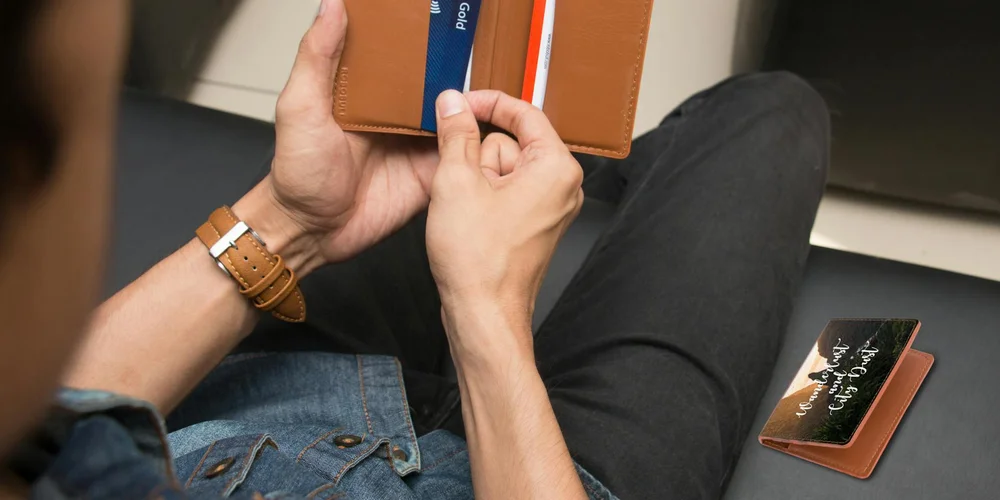
Luxury deserves proper care. This routine keeps any wallet, from any brand, looking its best for years.
How to Clean Your Leather Wallet Gently
Dirt acts like sandpaper. Clean every few months, or immediately after a spill.
- Empty the wallet completely.
- Use a soft, dry brush (a horsehair shoe brush is perfect) to gently dislodge dust from seams and creases.
- Dampen a soft, lint-free cloth with cool water. Wring it out so it’s barely damp.
- Wipe the entire surface gently. Never soak the leather.
- For stubborn spots, use a drop of pH-neutral leather cleaner on the cloth. Test on an inconspicuous area first.
- Let it air dry away from direct heat. Stuff it with clean, acid-free paper to help it hold its shape as it dries.
Always let the wallet dry fully before you condition it or return your cards.
Conditioning to Prevent Drying and Cracking
Leather loses its natural oils. Conditioning replaces them. Do this 1-2 times a year, or when the leather feels stiff, especially for leather boots.
- Ensure the wallet is clean and completely dry.
- Apply a small amount of a quality leather conditioner (like a cream or milk) to a clean cloth.
- Rub it into the leather using small, circular motions. Cover the entire surface evenly.
- Pay extra attention to edges and high-wear areas like folds.
- Let the conditioner absorb for 15-20 minutes.
- Buff off any excess with a fresh dry cloth. The leather should feel nourished, not greasy.
Conditioning will often darken the leather slightly initially. This is normal and the color will even out as it dries. Unlike techniques used to intentionally darken leather, conditioning achieves a natural and subtle effect.
Tips for Storage to Maintain Shape
How you store your wallet when not in use matters.
- Store it in a dust bag or a soft pillowcase, never in plastic which traps moisture.
- Keep it in a cool, dry place away from sunlight, which fades color.
- If storing long-term, stuff it lightly with acid-free tissue paper to prevent deep creases.
- Never overstuff it daily. This stretches the leather and stresses the seams permanently.
Simple Fixes for Common Wear
Minor wear is part of the story. Some things you can manage.
Loose Thread: Do not pull it. Snip it flush with the surface using sharp scissors. A dab of clear fabric glue can secure the thread end.
Dry or Light Scratches: Often, a gentle application of conditioner can make superficial marks blend into the patina.
Worn Edges: For small areas of edge wear, a carefully applied leather edge paint or dye can be touched up. This requires a steady hand and matching color. For larger projects, such as furniture or sofas, it’s important to properly paint the leather to achieve a professional and durable finish.
For anything more serious like a torn seam or significant damage, consult a professional leather repair service. A good repair, like the one on June’s sleeve, preserves the item’s life and value.
Making Your Final Choice: Feel Over Flash
Look past the label on the outside. The real value of a wallet is in the materials and work you hold in your hand. A visible logo tells you nothing about how the leather was tanned or if the stitches will last.
Your connection to the object is built through its texture, weight, and how it works for you, not through a brand name.
How to Test a Wallet Like a Craftsman
When you have a candidate in your hands, put it through a simple check. This takes one minute and tells you more than any sales tag.
- Feel the Grain: Run your thumb across the surface. Full-grain leather should have a natural, inconsistent texture. It should feel substantial, not plastic-smooth or overly coated.
- Test the Mechanics: Open and close every snap, button, or zipper. They should engage with a solid, confident click, not a weak or grating sound. Work the bill compartment with your fingers.
- Examine the Edges: Look at the cut sides of the leather. Are they finished smooth and dyed, or rough and frayed? Clean, burnished edges show care in construction.
- Check the Stitch: Look at the thread. Is it tight, straight, and consistent? Gently flex the wallet near a seam; the stitches shouldn’t pucker or gap.
This hands-on test separates a mass-produced accessory from a considered tool built for daily life.
The Common Mistake: Ignoring the Future
People often choose a wallet for how it looks on day one. This is like choosing a pair of boots that are stiff and shiny, ignoring how they’ll feel after being broken in. Leather changes.
A high-quality vegetable-tanned leather will start uniform in color. With use and exposure to light and the oils from your hands, it develops a rich, personal patina. My own wallet, Scout, started a flat dark brown. Now it has honey-toned highlights on every edge and fold, recording three years of my life. For a broader view, consider a vegetable-tanned vs chrome-tanned leather comparison covering care and sustainability. It helps explain how different tanning methods influence patina, maintenance, and environmental impact.
A lower-quality, heavily painted leather can’t do this. It will simply crack and wear out. The patina is your proof of a good material.
The Simple Fix: Plan for Care from the Start
Think of care as part of the wallet’s design, not a repair for later. The best wallets are made to be maintained.
- If the leather feels dry after a year, a light application of a neutral, pH-balanced conditioner will restore suppleness.
- For scuffs on aniline or pull-up leather, often just rubbing the area gently with your thumb (using the skin’s natural oils) will blend the mark into the patina.
- Storage matters. Don’t force a bulging wallet into a tight pocket; this stresses seams. Empty it of non-essentials regularly.
A good wallet isn’t a disposable item; it’s a companion that improves with thoughtful, simple care.
In the end, the best leather wallet is the one you instinctively reach for every morning. It’s the one you don’t have to baby, the one whose creases and color shifts tell your story. It becomes a personal artifact, much like my old saddle Mason, whose every scratch and soft spot speaks of miles traveled together. Choose the piece that feels right in *your* hand, and you’ll never look at the logo.
Common Questions
I want a luxury card case. What should I check for besides the leather?
First, test the card slots with your actual cards; they should slide smoothly without force. Ensure the edges are rolled and burnished smooth, as sharp, unfinished edges will wear down your pockets and cards over time.
Is a wallet with a removable coin purse actually practical for daily use?
It’s excellent for travel or when you need to lighten your load, allowing you to carry just the coin purse. Check that the clasp or zip mechanism is robust-this moving part is a potential failure point if it’s flimsy.
I see many “luxury” wallets on Instagram. How can I spot real quality from a photo?
Look for natural leather texture and variation, not a perfectly uniform, plastic-like finish. Zoom in on the stitching; it should be consistent and tight, with clean, painted edges, not rough or frayed. This also helps me identify different types of leather and determine if my item is genuine.
Are sale items from luxury brands a good way to get a quality wallet?
Sales can be a good opportunity, but never compromise on the core construction principles for price. Inspect sale items even more carefully for any signs of rushed work, like sloppy edge paint or misaligned stitching.
Does the best leather or construction differ between the UK and USA markets?
No, the principles of quality full-grain leather and solid construction are universal. Your main concern should be the brand’s specific tannery sources and workshop standards, not the country of sale.
Your Leather Wallet as a Long-Term Companion
The best wallet for you isn’t defined by its logo but by its foundational quality. Look past the brand name and assess the materials, construction, and tannage first-these elements determine how your wallet will look and feel in five years. A well-made piece becomes more personal with time, developing a patina that tells your story.
Your role begins the moment you choose it. Proper, simple care-like conditioning it occasionally and keeping it clean-is how you honor the craft and extend its life for decades, reducing waste. Treat it well, and even a humble wallet like my Scout can become a trusted part of your daily routine.
Expert Resources and Citations
- Leather Wallets | Full Grain Slim RFID Bifold | Saddleback
- Best Luxury Men’s Leather Wallets | Italian Craftsmanship | Maxwell–Scott
- Premium Handcrafted Leather Wallets | Buffalo Jackson
- Types of Leather for Wallets: What Is the Most Durable Option?
- The Best Men’s Wallets That Balance Style, Craftsmanship And Durability
Harriet is a avid collector of leather goods such as purses, bags, seat covers, etc and has an extensive background in leather care, recovery, stain removal and restoration. She has worked for a number of years perfecting her leather care techniques and knows the ins and outs of restoring all kinds and types of leather products. With her first hand knowledge in leather care, you can not go wrong listening to her advice.
Handbag and Purse Care