How Do You Clean and Condition a Coach Leather Handbag Safely?
Published on: June 10, 2026 | Last Updated: June 10, 2026
Written By: Harriet Nicholson
Hello Tannery Talk. That worry about harming your favorite purse with a misstep? I hear you, and we can fix this together.
We will cover identifying your bag’s leather, gathering the right supplies, a step-by-step cleaning method, and a gentle conditioning routine.
My advice comes from hands-on experience conditioning and repairing leather, from daily wallets like Scout to complex pieces like Mason the saddle.
Before You Start: Know Your Coach Leather’s Personality
Every piece of leather has its own character. Just like you wouldn’t treat a delicate silk blouse the same way you treat sturdy denim, different Coach leathers need different approaches. Identifying your bag’s type is the single most important step to cleaning it safely.
Here’s a quick guide to the personalities you might meet.
Pebbled Leather
This is one of Coach’s most common and forgiving finishes. The textured, bumpy surface is excellent at hiding minor scuffs and scratches. Think of it like a favorite pair of broken-in jeans-it’s tough and develops character with wear. For cleaning, this texture means you can be a little less nervous about small imperfections.
Smooth Glove-Tanned Leather
This leather is soft, supple, and has a luxurious feel. My jacket, June, is made from a similar calfskin. It develops beautiful light creases over time. Because the surface is smooth and often more absorbent, it can show every fingerprint and is more susceptible to drying out. It requires a gentler touch and more frequent conditioning than pebbled leather.
Saffiano Leather
You’ll recognize this by its cross-hatched pattern and a slightly waxy, firm feel. It has a protective coating that makes it highly resistant to scratches, stains, and water. Caring for Saffiano is more like caring for a technical fabric-it needs surface cleaning, but deep conditioning is less critical because the coating locks in moisture.
Patent Leather
This is the high-gloss, shiny leather. It’s essentially smooth leather with a thick, plastic-like topcoat. Never use traditional leather conditioners or oils on patent leather, as they can cloud or damage this glossy finish. It only needs wiping with a damp cloth.
The Non-Negotiable First Step: The Patch Test
Before any product touches the main body of your bag, you must do a patch test. I do this with every new piece, even on old friends like Scout the wallet.
- Find a hidden spot. Look inside a pocket, under a flap, or on a bottom corner.
- Dampen a small corner of a clean, white cloth with your chosen cleaner.
- Gently rub the spot in a small circular motion.
- Let it dry completely.
You are checking for two things: color transfer onto the cloth and any change in the leather’s texture or finish. If anything seems off, stop. Try a different product.
This is also where you should check any Coach leather care instructions that came with your bag. While general principles apply, the brand may have specific notes about finishes or dyes they used. Those tags aren’t just for show-they offer the safest first advice.
Gathering Your Leather Care Toolkit (The Safe Way)
You don’t need a workshop full of supplies. A few key items, chosen carefully, will handle 99% of your cleaning and conditioning jobs. Here’s what I always have on my bench.
- Soft, Lint-Free Cloths: White or light-colored microfiber or cotton cloths. You need to see the dirt coming off.
- Soft-Bristle Brushes: A horsehair brush is perfect for dusting pebbled or saffiano leather. A very soft toothbrush can help with stitching grooves.
- A pH-Balanced Leather Cleaner: Look for a neutral, mild formula. Avoid household soaps or harsh chemicals.
- A Quality Leather Conditioner: This replenishes the natural oils. Products with lanolin or beeswax are often good, nourishing choices.
- Two Bowls of Water: One for clean water, one for rinsing your cloth. Keep them both lukewarm.
Generic Conditioner vs. Official Coach Care Kits
This is a common question. A generic, high-quality leather conditioner will work perfectly well on most untreated leathers like pebbled or glove-tanned. I use the same conditioner on Mason my saddle that I do on many bags.
An official Coach leather care kit or lotion is formulated specifically for their leathers and finishes. The main advantage is confidence-it’s been tested by the brand to work with their dyes and coatings without risk. The potential downside is cost and availability for a product you may only use once or twice a year.
For most owners, a well-chosen generic cleaner and conditioner is a safe and cost-effective choice, provided you always patch test first. If your bag has a unique or delicate finish, or if you have any doubt, the brand-specific set offers peace of mind.
Finding What You Need
You can find good leather care products in many places. A search for coach leather care near me might lead you to a local cobbler or leather goods shop where you can get expert advice. For convenience, retailers like coach leather care kit amazon are common sources. Wherever you shop, read reviews and look for products designed for fine leather goods, not automotive interiors. The goal is gentle, effective care that preserves your bag for years.
The Step-by-Step Guide to Clean a Leather Handbag
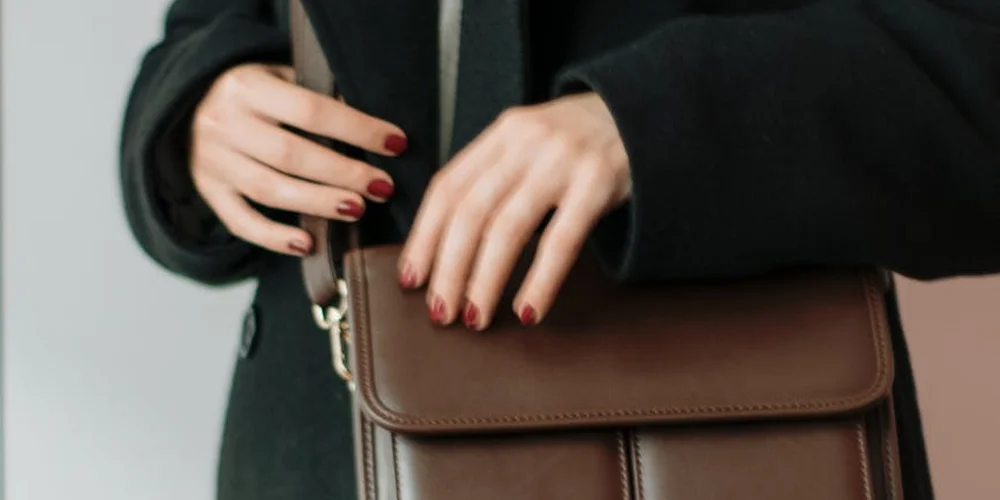
Think of cleaning like giving your bag a gentle bath. You start slow. Rushing can push dirt deeper into the grain.
Gather your tools: a soft horsehair or bristle brush, a few clean white cloths, and a bottle of pH-neutral leather cleaner. I always test any new product on a hidden spot, like the inside of a strap, first.
-
Dry Brush to Loosen Dirt
Hold your bag firmly. Use your soft brush to sweep across the leather in one direction. Be gentle. This lifts surface dust without scratching. I do this with June, my leather jacket, before every clean. It makes the next steps easier when cleaning leather at home.
-
Apply Cleaner with a ‘Less is More’ Mindset
Shake your cleaner well. Put a small drop, about the size of a pea, onto a damp cloth. Work it into a lather in your hand first. Now, apply it to the leather using small, circular motions. Cover one section at a time. The goal is to lift grime, not drown the leather. These steps are part of the best methods to clean and disinfect general leather items, which also cover safe cleaners and appropriate disinfectants for different leather finishes.
Using too much cleaner is the most common mistake; it can strip natural oils and leave a sticky film.
-
Wipe Away All Residue
Take a second clean, damp cloth. Wipe over the area you just cleaned. You want to remove every trace of the cleaner. Rinse your cloth often. The leather should feel clean, not wet. Let the bag air dry completely away from direct heat or sun. This can take a few hours. After it dries, you can condition the leather to protect it and help prevent cracking and stains. Regular conditioning is a key step in keeping the bag looking its best.
Cleaning a Patent Leather Handbag is Different
Patent leather has a shiny, plastic-like coating. Never use standard leather cleaner or conditioner on it. Instead, use a microfiber cloth dampened with only water and a drop of mild soap. Wipe gently and dry immediately with another cloth. For scuffs, a tiny bit of petroleum jelly on a cotton swab can work wonders.
How to Treat Stains and Spots on Coach Leather
Stains happen. The first rule is to act fast, but stay calm. Blot, never rub. Rubbing grinds the stain into the fibers.
For Ink Stains: Dab the spot with a cloth dipped in rubbing alcohol. Use a light touch and check frequently. For my wallet Scout, a small ink mark came out this way without harming the veg-tan leather. This approach can be used to remove ink stains from leather surfaces and items as well. You can apply similar steps to other leather goods to safely lift ink without damage.
For Oil or Grease: Sprinkle cornstarch or talc on the spot. Let it sit overnight. The powder absorbs the oil. Brush it off gently in the morning.
For Water Spots: These are often just mineral deposits. Dampen the entire panel of leather evenly with a cloth and let it dry naturally. This can blend the spot away.
If a stain does not lift after two gentle attempts, stop. Persistent rubbing or harsh chemicals can cause permanent damage. This is the time to consult a professional leather cleaner, especially for stubborn stains on leather surfaces.
How to Condition Your Coach Bag to Restore Softness
Conditioning is not an optional step. Leather is skin. Just like your hands get dry, leather loses its natural oils from use and sunlight. Conditioning puts those oils back.
It is the best way to fix a dried out leather purse over time. I conditioned Mason, my saddle, every six months. It kept the leather supple and crack-free for years.
Use a pH-balanced leather conditioner or lotion. Here is how to apply it.
-
Ensure your bag is completely clean and dry. Conditioning over dirt seals grime in.
-
Shake the bottle. Apply a very small amount of conditioner to a soft, dry cloth. Rub your hands together to warm and spread it. You want barely enough to moisten the cloth.
-
Massage the conditioner into the leather using broad, even circles. Cover the entire surface. Pay extra attention to dry, stiff areas like corners and handles. This is exactly how you would use a Coach leather care lotion, focusing on thin, even layers.
-
Let the bag absorb the conditioner for 15-20 minutes. Then, take a clean cloth and buff off any excess that hasn’t soaked in. The leather should feel nourished, not oily.
-
Allow the bag to rest for a full day before you use it again. This lets the treatment fully settle.
Conditioning once or twice a year is usually enough for a handbag in regular use. Over-conditioning is a real risk. If your bag feels greasy, sticky, or looks excessively dark in patches, you used too much. Wipe it down with a dry cloth and let it air out for a few days. The leather will rebalance itself.
The Crucial Drying and Buffing Stage
Many people stop after conditioning. I consider that half the job. Proper drying and finishing protect your work.
Drying is not passive. It decides if your bag stays healthy or develops hidden problems. Rushing this stage invites mildew, which creates permanent stains and a musty odor inside the leather’s fibers. It can also cause the bag to lose its shape if it’s left damp and heavy.
How to Air-Dry Your Bag Correctly
Think of it like drying a delicate sweater. You want support, airflow, and patience.
- Find a spot with good circulation, like a room with a ceiling fan on low or a gentle cross-breeze. A closet is too still.
- Keep it far from direct heat sources. Do not use a hair dryer, space heater, or place it in direct sunlight. Artificial heat and sun bake the leather, causing it to become brittle and crack over time.
- Stuff the bag loosely with acid-free tissue paper or a clean, white cotton towel. This helps it hold its shape and draws moisture from the inside.
- Let it sit. A full 24 hours is ideal. My saddle, Mason, taught me that what feels dry to the touch on the surface can still be damp deeper down.
The Final Touch: Buffing to a Gentle Shine
Once the bag is completely dry, you’ll often see a slight, waxy haze from the conditioner. This is normal. Buffing removes this haze and polishes the natural oils into the surface.
Use a clean, soft, lint-free cloth like a microfiber or an old cotton t-shirt. A circular, gentle motion works best. You are not scrubbing. You are polishing.
You will feel the leather transform under your hand, becoming smoother and revealing a soft, natural glow that no artificial shine can match. This is the patina beginning to deepen, just like the gentle sheen on my old wallet, Scout.
Common Mistakes That Can Damage Your Coach Bag
With the best intentions, it’s easy to reach for a familiar product. Here are the pitfalls I see most often.
Household Products and Quick Fixes
These can strip color, break down fibers, or leave a damaging residue.
- Household Cleaners (Glass, Multi-surface, Soap): These are formulated for hard surfaces and have a pH that is far too harsh for leather’s delicate chemistry. They will dry it out.
- Silicone-Based Sprays and “Shiners”: They create a plastic-like coating on top of the leather. This seals the pores, preventing the leather from breathing and making future conditioning impossible. It often leads to a sticky, cracked surface.
- Over-Saturating the Leather: More is not better. Applying too much cleaner or conditioner can oversoften the leather, weaken stitching, and permanently darken the color. Apply in thin, even layers and let the leather absorb fully.
Answering Your Direct Questions
Let’s be clear on two common items.
Can I use baby wipes on leather? No. Most baby wipes contain alcohols, mild soaps, or moisturizers not meant for leather. They leave a chemical residue that attracts dirt and can break down the finish over time. Instead, it’s best to use appropriate cleaning products specifically designed for leather.
Can you use WD-40 on leather? Absolutely not. WD-40 is a petroleum-based penetrant and water displacer for metal. It will stain your bag, create a greasy, dirt-catching film, and can degrade the leather’s internal structure. It is not a cleaner or a protector.
Special Finishes Need Special Care
If your Coach bag has a patent leather or high-gloss finish, the standard rules change. These finishes are essentially a plastic or resin coating over the leather.
Using a standard leather conditioner on patent leather will not nourish the base leather and can cloud or smear the shiny topcoat. For these pieces, a specific patent leather cleaner and a separate, non-oily protector are the only safe choices. Always check the care instructions for exotic finishes first.
Keeping Your Coach Bag Looking New for Years
Think of your bag like my old saddle, Mason. It doesn’t need constant fussing, just consistent, thoughtful habits. The goal is to prevent problems before they start.
Simple Daily Habits Make All The Difference
Your daily routine protects the leather more than any product. Start with clean hands. Oils and lotions from your skin can build up over time. Before you grab the handle, give your hands a quick wipe.
When you’re not using it, don’t just toss it in the closet. Stuff it lightly with acid-free tissue paper or a clean, soft cloth. This helps the bag keep its shape and stops deep creases from setting in. Store it in its dust bag, away from direct sun or heat vents.
Rain happens. If your bag gets caught in a sprinkle, wipe it down immediately with a dry, absorbent cloth. That same care applies to drying a leather jacket or leather shoes—air dry away from direct heat to prevent cracking or stiffness. Let it air dry naturally, far from any direct heat source like a radiator or hairdryer, which can bake and crack the leather. For peace of mind, a quality water-repellent spray made for fine leathers, applied once a season, adds a gentle shield.
Your Seasonal Deep Clean & Conditioning Ritual
Once or twice a year, give your bag a little spa day. This refreshes the leather and replaces lost natural oils. Set aside about an hour in a well-ventilated space.
- Clear the Surface: Empty the bag completely. Use a soft, dry brush (a horsehair detailing brush is perfect) to gently dust out the interior and loosen any grit from seams and crevices.
- The Gentle Clean: Dampen a soft, white, lint-free cloth with cool water. Wring it out so it’s barely damp. Wipe the entire exterior in smooth, even strokes. For stubborn spots, use a drop of pH-neutral leather cleaner on another part of the cloth, never directly on the bag. The key is a light touch-you’re wiping, not scrubbing.
- Condition With Care: Once the bag is fully dry (wait a few hours), apply a small amount of conditioner. Use a clean cloth and work in a thin, even layer over one panel at a time. Conditioners and oils will temporarily darken the leather, much like water darkens a stone path, but the color will even out as it soaks in and dries.
- The Final Dry: Let the bag rest overnight, away from dust, so the conditioner can fully absorb. Buff it lightly with another clean cloth in the morning to bring up a soft shine.
When To Call In A Professional
Some jobs are best left to experts, just like I’d send a beloved vintage jacket like June out for a complex lining repair. If you see any of these, skip the DIY kit.
- Major Color Loss or Dye Transfer: Re-dyeing requires precise color matching and techniques to avoid a stiff, patchy finish.
- Deep Stains You Can’t Lift: Ink, severe oil marks, or unknown dark stains may need specialized solvents.
- Structural Damage: A torn handle, broken strap anchor, or failing seam compromises the bag’s use. A professional can repair it with strength and symmetry.
- A Truly Vintage or Limited-Edition Piece: The value and history of the bag warrant an expert’s diagnosis and conservative treatment.
For these issues, seeking professional ‘Coach leather care in store’ or a trusted, reputable leather repair specialist is an investment in your bag’s long-term life.
The Reward of Care: A Beautiful Patina
Don’t fear slight darkening or soft creases. Like the rich glow on my wallet, Scout, this is patina. It’s the story of your bag’s life-the markets, the commutes, the dinners. Gentle, consistent care doesn’t freeze your bag in time; it guides its aging into something unique and deeply personal. A well-cared-for leather bag doesn’t just last for years. It gets better.
Common Questions
Is the official Coach leather care kit or lotion really necessary?
No, but it offers guaranteed compatibility. A high-quality, generic leather conditioner will work on most untreated leathers, provided you always perform a patch test first.
How do I use a Coach leather care lotion correctly?
Apply a minuscule amount to a soft cloth, warm it in your hands, and massage it into clean, dry leather in thin, even circles. Buff off any unabsorbed residue after 15-20 minutes to prevent a greasy feel. These steps align with the best general methods for caring for and treating leather items. Following these general guidelines helps keep leather soft and protected.
How can I find a legitimate leather care product online, like on Amazon?
Search for conditioners designed for fine leather goods or luxury handbags, not automotive interiors. Prioritize products with transparent ingredients and reviews that mention use on similar-quality items.
When should I seek “Coach leather care in store” from a professional?
Seek a professional for deep stains that won’t lift, major color loss, or any structural repairs like torn handles. For routine cleaning and conditioning, a careful DIY approach is perfectly sufficient.
How often should I condition different types of Coach leather?
Condition smooth, glove-tanned leather every 6 months; pebbled leather can go 9-12 months. Coated leathers like Saffiano rarely need it, and patent leather should never be conditioned with traditional products.
Your Handbag’s Long-Term Care Plan
Always test any new product on a hidden spot first, like inside a pocket seam. Gentle cleaning followed by light conditioning preserves the leather’s structure and prevents cracking or discoloration.
Good care honors the material and reduces waste, supporting a more sustainable approach to leather goods. I still learn from maintaining pieces like June or Scout, and building that skill over time deepens your appreciation for the craft.
Related Guides and Information
- Leather Care 101: How to Care for Leather Bags | Coach
- Product Care | COACH®
- How to Clean and Condition a Coach Leather Handbag – Chamberlain’s Leather Milk
- COACH® Canada Official Site
- Product Care Tips | COACH | COACH OUTLET
Harriet is a avid collector of leather goods such as purses, bags, seat covers, etc and has an extensive background in leather care, recovery, stain removal and restoration. She has worked for a number of years perfecting her leather care techniques and knows the ins and outs of restoring all kinds and types of leather products. With her first hand knowledge in leather care, you can not go wrong listening to her advice.
Handbag and Purse Care