How to Remove Musty Smells from Leather Bags and Eliminate Odors from Leather Jackets
Published on: February 18, 2026 | Last Updated: February 18, 2026
Written By: Harriet Nicholson
Hello Tannery Talk. That musty smell in your leather bag or jacket can feel like a permanent problem, but I promise it’s not-with the right care, you can freshen it up for good.
We will cover finding the source of the odor, gentle cleaning steps, using household items like white vinegar, and simple habits to keep smells away.
As a leather craftsman who has conditioned and revived countless pieces, from Mason’s saddle to Scout’s wallet, I know these methods work.
Why Does Leather Hold Onto Smells So Easily?
Think of your favorite kitchen towel. When you wipe up a spill, it doesn’t just push the liquid around. It soaks it up, right into its fibers. Leather works the same way. It’s not a solid plastic sheet. It’s a natural, porous material, more like a dense, durable sponge or a piece of fine wood.
This porous structure is what gives leather its breathability and beautiful ability to patina over time. But those tiny pores can also trap odor molecules from smoke, food, damp air, or just being stored in a closet. This isn’t a design flaw. It’s simply the nature of a living material, and with the right approach, those smells can be gently coaxed out.
First, Find the Source of That Musty Odor
Before you clean anything, you need to play detective. Rushing in with a cleaner can seal in a smell or spread mold. Take a quiet moment with your bag or jacket in good, natural light.
Start by giving the leather a gentle feel with clean, dry hands. You’re looking for two things: damp spots and texture changes. Does any area feel cooler or slightly tacky? Run your fingers along seams and inside folds. Then, look closely. Are there any fuzzy patches, white speckles, or greenish tints? These are signs of mold, which needs a specific approach.
Next, investigate the interior like you would with my jacket, June. Unzip all linings. Turn out every pocket, just as you would with a trusty wallet like Scout. Shine a light inside. Often, the smell is coming from a forgotten candy wrapper, damp paperwork, or just years of stale air trapped in the lining fabric.
Your inspection will tell you which path to take.
- Just Stale Air: No moisture, no mold. The item just needs a deep refresh.
- Dampness: The leather or lining feels cool or clammy. Drying is your first priority.
- Mold Spots: You see visible growth. This requires isolation and careful cleaning to stop spores from spreading.
The biggest mistake here is skipping this step. Using a conditioner on damp leather or spraying a perfume to mask a moldy smell will only make the problem much worse later on.
A Gentle Clean is Your Best First Move
You cannot deodorize what you have not cleaned. A musty smell often comes from mold or mildew feeding on the dirt and body oils embedded in the leather. Think of it like cleaning a counter before disinfecting it. Your first job is to gently lift away that grime without adding moisture that could feed the odor problem.
Rushing to mask the smell with sprays or powders will only trap the problem against the leather. I always start with my own June, the leather jacket. After a damp season in storage, she had that familiar closed-up smell. A proper clean fixed it nine times out of ten.
Here is how to clean any leather bag or jacket safely before you think about odor removal.
- Dry Dust First: Use a soft, dry brush (a horsehair shoe brush is perfect) to gently remove all surface dust and dirt from seams, creases, and the grain. This prevents you from grinding dirt into the leather during the next step.
- Use a Damp Cloth, Not a Soaked One: Wring out a soft, lint-free cloth in cool water until it is just damp. You can add a drop of pH-neutral saddle soap or castile soap to the cloth. Never pour soap or water directly onto the leather.
- Wipe with Care: Wipe the leather in smooth, overlapping strokes, following the grain. Apply almost no pressure. The goal is to lift dirt, not scrub it in. Rinse and wring your cloth frequently to avoid reapplying dirt.
- Dry Thoroughly and Naturally: Use a second dry, absorbent cloth to blot away any residual moisture. Then, let the item air-dry at room temperature, away from direct heat or sun. Never soak the leather; excessive water can damage the fibers and make odor issues worse.
This simple process removes the organic matter that odors live on. For many items, a good clean is all it takes. The smell simply fades as the leather dries correctly, especially when dealing with leather car seats.
Step-by-Step Cleaning for Different Leathers
Not all leather is the same. The care for my smooth, worn-in saddle (Mason) is different from a nubuck jacket or suede bag. Using the wrong method can flatten suede or leave a residue on smooth leather.
For Smooth, Finished Leathers (like jackets, bags, saddles):
- Follow the general steps above. A damp cloth with a tiny bit of soap is your main tool.
- For heavier grime, use a leather cleaner specifically labeled for smooth or finished leathers. Apply a small amount to your cloth, not the leather.
- Always buff dry with a clean cloth to restore the natural sheen.
For Suede and Nubuck:
- Never use a wet cloth or liquid soap. Water can create permanent dark spots.
- Use a suede-specific dry brush or a clean, dry microfiber cloth. Brush gently in one direction to lift dust and revive the nap.
- For spots, use a suede eraser or a pencil eraser. Gently rub the stained area, then brush the fibers clean.
- Specialized suede cleaning foams exist, but the dry method is safest for odor-related cleaning.
The universal rule for all leather types: test first. Apply your chosen cleaner to a hidden spot, like an inside seam or the back of a strap. Wait for it to dry completely. Check for any color change or texture damage. This two-minute test can save you from a major repair. If in doubt, the gentlest option—a dry brush followed by a barely-damp water cloth—is often the most trustworthy path.
How to Get a Musty Smell Out of Your Leather Bag
That old-library smell in a leather bag usually comes from moisture and lack of air. Think of how you store a bag, stuffed in a closet or basement. It needs to breathe.
I fixed this for a well-loved weekender bag last fall. The process is simple, gentle, and works every time.
Step 1: Empty and Inspect Everything
Take out every single item. Check every pocket, pouch, and zippered compartment. Old receipts, forgotten snacks, or a piece of gum can be the hidden source.
Turn the bag inside out if the lining allows. Shake it gently over a trash can. For bags like my wallet Scout, I make it a habit to empty all slots once a month to prevent grime buildup.
A completely empty bag is the only proper starting point for odor removal.
Step 2: Clean the Interior and Exterior
You must clean before you try to cover a smell. Dirt and oils hold odors.
For the bag’s interior fabric or suede lining, use a soft-bristled brush (a clean paintbrush works) to loosen dust. Follow with a vacuum cleaner hose using the soft brush attachment. Go gently.
For the exterior leather and straps, use a dedicated leather cleaner. Dampen a soft, white cloth with the cleaner and wipe the entire surface. Pay extra attention to the straps and handle, where hand oils build up. Follow up by conditioning the leather to keep it soft and supple.
- Use a pH-balanced leather cleaner.
- Test any product on a small, hidden area first.
- Never soak the leather. A damp cloth is enough.
Cleaning removes the odor-causing particles, not just the scent they create.
Step 3: Deodorize Gently and Naturally
After cleaning, you can tackle the lingering smell. Avoid harsh chemical sprays, they can damage leather over time. Explore how to clean and remove bad odors from leather sandals with gentle methods. These steps keep sandals fresh without harming the leather.
My preferred method is baking soda. It absorbs odors naturally.
- Fill a shallow bowl or open container with baking soda.
- Place it inside the empty, cleaned bag.
- Close the bag up and let it sit for 24-48 hours in a dry room.
For a stronger smell, you can lightly sprinkle baking soda directly into the bag’s bottom, let it sit for 12 hours, then vacuum it out thoroughly. Be cautious, as leaving baking soda in too long can dry out some leathers.
Patience is your best tool here, letting the absorbent material work slowly.
Step 4: The Final and Most Critical Step: Air It Out
This is non-negotiable. Leather needs fresh, moving air.
Find a dry, shaded, and well-ventilated space. A room with a fan on low or a protected porch on a dry day is perfect. Hang the bag open so air circulates inside and out. Let it air for at least two full days, longer if the smell was strong.
- Never place leather in direct sunlight or near a heat source to dry. This will bake and crack it.
- Do not use a hairdryer. Slow, air-drying is safe drying.
Once the bag smells completely fresh, follow up with a light application of leather conditioner to the exterior. The cleaning and airing process can be drying, and conditioner restores suppleness. Think of it like giving your bag a drink of water after a long trip.
Proper air circulation resolves most musty odors and is the safest finish for your leather.
Eliminating Odors from Your Leather Jacket

Jackets are different from bags. They have to fit your shape, often have a fabric lining, and spend a lot of time close to your skin. That means sweat, perfume, and just daily life can get into the fibers. The goal is to refresh the leather without damaging its fit or the materials inside.
Start with a Good Air-Out
Do not just hang your jacket back in the closet. That traps the smell. The first step is always fresh air.
- Find a sturdy, broad-shouldered wooden or padded hanger. A thin wire hanger can distort the jacket’s shoulders over time.
- Hang the jacket in a well-ventilated, shaded spot outdoors for a full 24 hours, if the weather is dry. A garage or covered porch works.
- If outside isn’t an option, hang it in a spare room by an open window. A fan on low, pointed nearby (not directly at the leather), helps move air.
This simple airing process lifts a lot of surface odors and is the safest first move you can make.
Addressing the Lining with Care
Odors often linger in the lining, not the leather itself. You must clean this area gently to avoid soaking the leather or causing water stains. Remain cautious when cleaning insoles, especially if they are made of suede.
- Check the care tag and lining material. For common fabrics like acetate or polyester, a light clean is usually safe.
- Mix a small amount of mild, fragrance-free dish soap with cool water to make a weak solution.
- Dampen a clean, white cloth in the solution and wring it out until it is just barely damp. You want to clean with moisture, not wetness.
- Gently blot and wipe the lining, focusing on areas like the armpits and collar. Do not scrub.
- Use a second cloth dampened with clean water to rinse the soap from the fabric.
- Stuff the body and sleeves of the jacket with crumpled white paper or a dry towel to help it hold its shape as the lining dries. Let it dry completely, away from heat.
Conditioning the Leather After Cleaning
If you cleaned the lining, the leather itself might feel dry, especially on the collar. Once everything is bone dry, a light conditioning is smart.
Use a neutral, pH-balanced leather conditioner. Apply a tiny amount to a soft cloth and work it into the leather using small circles. Focus on dry, worn areas. Wipe away any excess. This restores flexibility and health without adding a new, strong scent.
Conditioning the leather after it dries seals the process, ensuring the material stays supple and protected from the inside out.
A Note on Creases and Character
You might look at the soft creases in the arms of your jacket, like the ones on my calfskin jacket June, and worry they trap smells. Do not. Those light creases are just the leather molding to movement. They are part of its story.
Smells come from dirt and oils trapped in the fibers, not from clean, conditioned folds. If your jacket is clean, those creases are simply signs of a life well-lived. They add to the character, not the odor.
Safe Ways to Deodorize and Get the Smell Out of Leather
You don’t need powerful chemicals to fix a musty smell. In fact, the strongest sprays often cause the most harm. They can strip away the leather’s natural oils, leaving it stiff and prone to cracking. The goal is to pull odors from the leather’s pores, not just cover them up with perfume.
Think of a musty leather bag like a sponge that has absorbed damp, stale air. You need to draw that moisture and odor back out gently.
Fresh air is your first and most powerful tool. Sunlight is a natural deodorizer, but too much direct heat will bake and damage the hide. Place your item in a shaded, well-ventilated area outdoors for a few hours. A gentle breeze works wonders. For my jacket June, a day on a porch chair in dappled shade lifted a faint storage smell completely.
If airing out isn’t enough, you can use natural absorbents. Baking soda and activated charcoal are excellent because they pull odors right out of the air and the leather’s surface, especially when dealing with pet and cigarette odors in leather items.
- Baking Soda is a mild alkaline that neutralizes acidic odor molecules. It’s gentle and widely available.
- Activated Charcoal is porous. It acts like a magnet, trapping odor particles in its countless tiny holes.
Both methods are safe, slow, and effective. They work with the material, not against it.
Avoid the temptation to use hair dryers, space heaters, or strong disinfectants. Excessive heat dries leather from the inside out, and harsh chemicals can break down its protective topcoat. Your leather will thank you for a patient, gentle approach.
Using Natural Deodorizers at Home
This method is simple, but it requires a sealed container and some patience. You’ll create a little deodorizing chamber. A large plastic storage bin or a sturdy trash bag works perfectly.
Start with a clean item. If there’s surface dirt or mildew, gently wipe the leather with a damp cloth and a drop of pH-balanced leather cleaner. Let it dry completely before deodorizing.
- Pour a generous layer of baking soda or place a few pouches of activated charcoal in the bottom of your container.
- Place your leather item inside. Make sure it does not touch the powder or charcoal directly. You can use a clean wire rack or a towel as a buffer.
- Seal the container tightly. This traps the odors so the absorbent can pull them from the leather and the enclosed air.
- Leave it undisturbed for 24 to 48 hours. For a very stubborn smell, like in an old bag stored in a damp basement, you might need three or four days.
Check the progress after a day. Open the container and take a gentle sniff. If the musty smell persists, reseal it and wait longer. The process cannot be rushed; giving the odors time to migrate out of the leather is the key to success.
Once the smell is gone, remove your bag or jacket and brush off any loose powder with a soft, dry cloth. Let it sit in a room with good air circulation for another hour. Then, and this is critical, condition it. My saddle Mason taught me this. Any deodorizing process can pull a tiny bit of moisture from the leather. A light application of a quality leather conditioner or cream will restore suppleness and protection.
Stopping Smells Before They Start: Smart Storage
Most musty leather problems begin in the closet. Leather is a natural material, and like your skin, it reacts to its environment. Storing it poorly invites moisture, and moisture invites that sour, closed-up smell.
Think of your leather jacket or bag as a companion that needs to breathe. A dark, damp corner is a poor home. I always hang June, my leather jacket, on a wide, padded hanger in the center of my closet, away from any outside walls. Those walls can be cooler and attract condensation you never see.
Your Storage Checklist
- Find a spot that is cool, dry, and has some airflow.
- Never store leather in a basement, attic, or directly against an exterior wall.
- Keep it out of direct sunlight, but let light and air circulate in the space.
Skip the Plastic, Use Cloth
This is the most common mistake I see. Sealing leather in a plastic garment bag or a tight, non-breathable cover is a surefire way to trap humidity next to the hide. It creates a miniature swamp for your bag.
Use a breathable cotton pillowcase or a specialty cloth garment bag instead; this allows air to move while keeping dust off. Scout, my wallet, lives in a felt pouch when it’s not in my pocket. That little bit of breathability makes all the difference.
Conditioning is Your Best Defense
Dry, thirsty leather acts like a sponge. It will pull moisture from a humid room, and with that moisture can come odors. A well-conditioned piece has its fibers nourished and is more resilient.
I treat Mason, my saddle, with a light conditioning every three to four months. This isn’t about making it shiny. It’s about keeping the leather supple and less absorbent. A simple, pH-balanced leather conditioner applied in a thin, even coat does the job.
Make conditioning a part of your seasonal routine, just like changing your clothes for the weather, to maintain a leather’s natural barrier. If the leather feels stiff or looks dull, it’s already asking for help. A conditioned piece is far less likely to develop a persistent smell in the first place.
When to Call a Professional for Leather Odor Removal
Sometimes, a smell is more than just a smell. It’s a sign that the problem has gone deeper than you can safely reach. Knowing when to step back is a sign of a careful owner.
If you see fuzzy patches or a strong, earthy, closed-in smell, you’re likely dealing with active mold, and that’s my signal to stop DIY methods. Mold can weaken leather fibers and pose a health risk. The same goes for any item, like an inherited briefcase or vintage jacket, where the sentimental or monetary value is high. The risk of causing a color change or texture damage with an untested home remedy is just too great.
What a Professional Leather Cleaner Does
A good specialist doesn’t just mask the odor. They treat the cause. Think of it like a doctor for your leather. They start with a thorough inspection under good light, often with magnifiers, to assess the grain, any dye transfer, and the true extent of staining or microbial growth.
Their process typically follows a clear, careful path:
- Inspection & Testing: They identify the leather type and test cleaners on a hidden spot to ensure colorfastness.
- Deep Cleaning: Using specialized, often pH-neutral, cleaners and soft-bristle tools, they lift away grime and contaminants from deep within the pores without saturating the hide.
- Odor Neutralization: This is the key step. They use professional-grade enzymatic or ozone treatments that break down odor molecules at the source, not just cover them up with perfume.
- Conditioning & Protection: After cleaning, the leather is thirsty. They apply a balanced conditioner to restore suppleness and may add a protectant to guard against future spills and stains.
This multi-step approach addresses the entire problem. It’s the difference between wiping a spill off a table and refinishing the wood.
Understanding the Cost of Professional Care
You might wonder about the price. It’s not a flat fee. The cost reflects the time, expertise, and materials required for your specific piece. A simple odor treatment for a modern bag will cost less than a full restoration for a mold-damaged, lined vintage suitcase.
Viewing this service as an investment is the right perspective-it directly contributes to the item’s longevity and your ability to enjoy it for years more. For a piece like June, my jacket, I wouldn’t hesitate. Her value to me isn’t just in her tags, but in the memories she carries. Preserving that is worth the expert touch.
Common Mistakes That Can Make Odors Worse
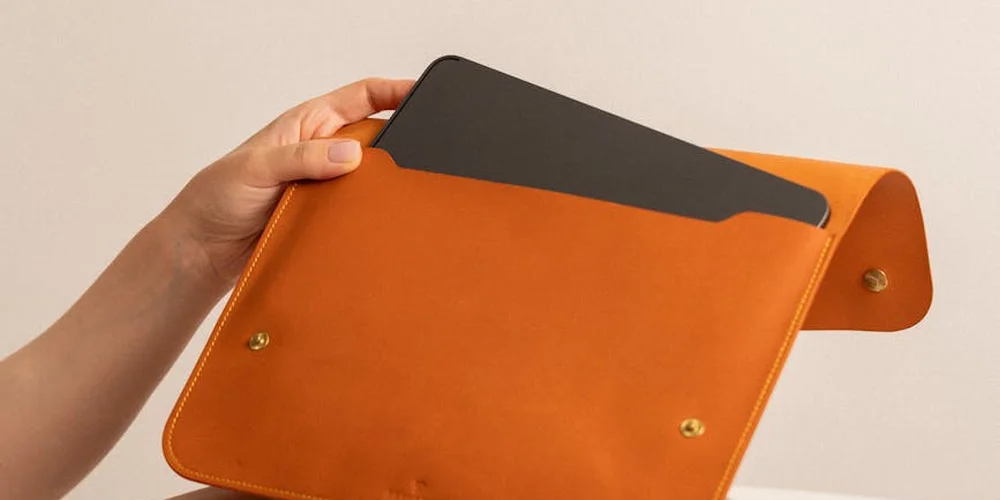
When your favorite leather bag or jacket develops a musty smell, panic can lead to quick decisions. I get it. The urge to dunk, hide, or perfume the problem away is strong. But these reactions often seal the odor in. Let’s walk through the common slips so you can avoid them.
- Using too much water during cleaning.
- Storing the item while it is still damp.
- Covering the smell with heavy sprays or perfumes.
Soaking leather with water feels like a thorough clean, but it forces odors deeper into the fibers. Think of leather like your own skin. A light wipe is fine, but a drenching swells and stresses the material. This can distort the shape and create a damp environment inside where smells thrive. I once over-wet a bag, and it took days of careful drying to lift that locked-in mustiness.
Storing leather before it is completely dry is an invitation for mold and a stronger, permanent odor. Leather needs air flow to dry evenly. Tucking a slightly damp jacket into a closet or a bag into a drawer cuts off that circulation. Moisture gets trapped, and mildew starts to grow. My saddle, Mason, reminded me of this after I put him away too soon following a conditioning. A week later, he had a faint, sour note I had to address.
Spraying a strong scent to mask the problem does not remove the odor; it just layers chemicals on top. Perfumes and aerosol deodorizers sit on the surface. They can clog the leather’s natural pores, making it harder for the material to breathe and release the underlying smell. Over time, you get a mix of perfume and must that is tough to fix. I learned this with Scout, my wallet, after using a scented spray. It took patient airing out to return to his simple, clean leather scent.
Everyone makes these mistakes. I certainly have. Leather is forgiving if you catch the error early and switch to gentle care. The next step is always about slow, kind methods that let the material heal.
Common Questions
When should I stop DIY methods and call a professional for leather odor removal?
Stop if you see active mold growth or if the item has high sentimental or monetary value. A professional has the tools and neutralizers to treat the cause without risking damage to delicate hides or linings.
What does ‘leather odour removal’ involve at a professional shop in Toronto?
It’s a multi-step process of deep cleaning, specialized odor neutralization (often with ozone or enzymatic treatments), and reconditioning. A good technician treats the source of the smell, not just the scent, to ensure it doesn’t return.
Why does the cost for professional leather odour removal in Toronto vary so much?
Cost reflects the time and materials needed for your specific piece. A simple bag refresh costs less than restoring a mold-damaged, lined vintage suitcase. View the fee as an investment in the item’s longevity.
What should I look for in Toronto leather odour removal service reviews?
Look for specific mentions of musty or moldy odor success, not just general cleaning. Reviews detailing the process and results for problems similar to yours are more valuable than a simple star rating.
Keeping Your Leather Goods Fresh
To banish odors for good, always clean with care and let leather dry fully away from direct heat. Patience here is your best tool, as rushing can trap moisture and bring the smell right back.
Treating your leather well is a way to honor the craft and the animal, making pieces like my jacket June or saddle Mason last for decades. Every time you condition a wallet like Scout or air out a bag, you’re building a skill that values sustainability and thoughtful use.
References & External Links
- How to Get Bad Smells Out of Leather Upholstery | Fibrenew International
- How To Easily Get Bad Smells Out of Leather | Simple Guide – Von Baer
- Remove leather smell: home remedies and tips
Harriet is a avid collector of leather goods such as purses, bags, seat covers, etc and has an extensive background in leather care, recovery, stain removal and restoration. She has worked for a number of years perfecting her leather care techniques and knows the ins and outs of restoring all kinds and types of leather products. With her first hand knowledge in leather care, you can not go wrong listening to her advice.
Eliminating Bad Odors