Can You Wear Suede Shoes in Spring Weather?
Published on: May 17, 2026 | Last Updated: May 17, 2026
Written By: Harriet Nicholson
Hello Tannery Talk. Spring’s arrival might have you wondering if your suede shoes are up for the challenge of unpredictable weather.
We will cover reading spring conditions for suede, applying protective treatments before you wear them, and performing simple cleanup if they meet rain or mud.
My hands have conditioned and restored suede boots and jackets through many seasons, giving me practical insights to share.
Can You Really Wear Suede in Spring?
Yes, you absolutely can. But you need to be a bit more thoughtful than with a pair of full-grain leather boots. Think of suede as your favorite light sweater and full-grain leather as a sturdy raincoat. You wouldn’t wear the sweater in a downpour, but it’s perfect for a cool, breezy day.
Suede is tougher than its soft touch suggests, and with a simple care routine, it handles spring beautifully. I’ve kept suede shoes, bags, and even a jacket like my friend June in regular spring rotation for years. The key is understanding the material and giving it a little help.
This advice applies whether you’re wondering about boots, loafers, or a handbag. If you’re asking yourself “can suede be worn in spring,” the answer is a confident yes, provided you’re prepared.
What Spring Weather Does to Suede
Spring brings four main challenges for suede: rain, mud, pollen, and swings in temperature and humidity. Each affects the nap-that soft, brushed surface-in a different way.
Light rain or damp grass won’t destroy your shoes. A few droplets will darken the spot and make the nap feel damp and matted, like petting a cat the wrong way. The real issue is letting moisture sit or soak in deeply, which can stiffen the leather fibers over time.
Pollen is a sneaky one. That fine yellow dust acts like a pigment. If it gets damp from morning dew or a light mist, it can stain the suede, leaving a faint, dusty mark that’s tougher to brush out than plain dirt.
So, do suede shoes get ruined in the rain? Not from one encounter. They get into trouble from repeated wetness without proper drying, or from being forced to dry with intense, direct heat which makes the leather brittle. There’s a common misconception that leather should never get wet, but what’s more important is how you dry them.
Here is a simple fix for a common mistake. If your suede gets lightly wet, don’t panic and don’t put it on a radiator.
- Stuff the shoe or bag with crumpled paper to hold its shape.
- Let it dry naturally, away from heat, for a full day.
- Once completely dry, use a suede brush or a clean, dry toothbrush to gently revive the nap. Brush in one direction to lift the fibers.
You’ll see the color even out and the soft texture return. For pollen or dry dirt, a dedicated suede eraser or a vigorous brushing session with a dry brush is almost always the first and best step.
Getting Your Suede Ready for Spring
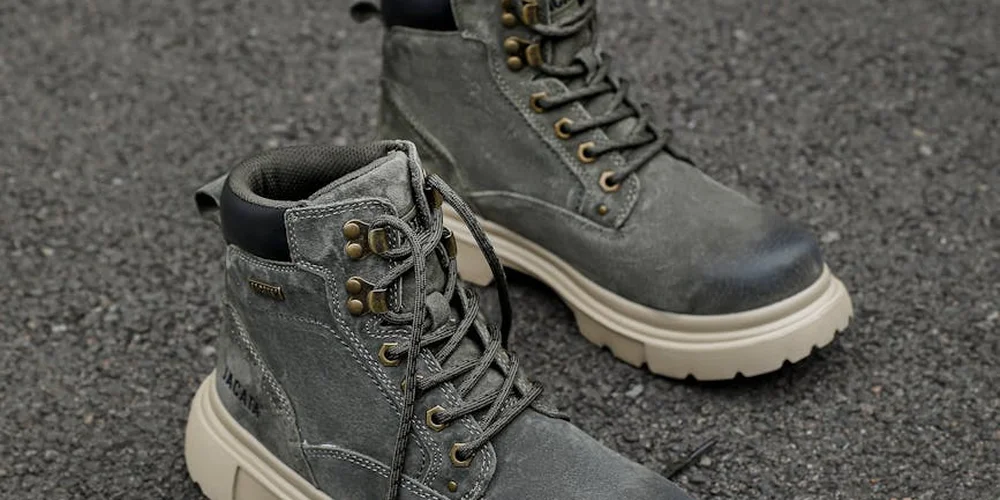
Spring weather can be tricky for suede, but a little prep goes a long way. I always start with a simple three-step ritual: inspect, brush, and protect. Think of it like giving your shoes a quick health check before the season starts.
First, inspect your suede shoes in good light. Look for any stains, scuffs, or worn areas. Run your fingers over the nap (the soft, fuzzy surface) to feel for any matted spots. Catching small issues now prevents bigger problems later.
Next, grab a soft bristled suede brush. Gently brush the entire surface in one direction to lift the nap and remove surface dirt. I do this for my suede jacket, June, every spring. It brings back that velvety texture and evens out the color.
Now for protection. Applying a suede protector spray is your best defense against spring’s surprises. Here is how I do it:
- Make sure your shoes are clean and dry.
- Hold the spray can about 6 inches away from the suede.
- Spray in a steady, sweeping motion for even coverage. Do not soak the leather. A light, consistent coat is enough.
- Let the first coat dry completely. This usually takes 10 to 15 minutes.
- Apply a second coat for extra security, especially on areas like the toes and heels.
Even coverage creates a uniform barrier that repels water and stains. Miss a spot, and that is where trouble starts.
This protection is not just for shoes. If you are wondering can you wear suede boots or jackets in spring, the answer is yes (with the right prep). My suede boots get the same treatment. A good protector spray makes them ready for light rain and pollen.
Before you spray the whole shoe, always test the protector on a small, hidden area first. Some sprays can slightly darken the suede. You want to be sure you are happy with the result. Later, we’ll show you how to properly apply a protective spray to suede shoes or boots. This guide explains how to use the spray without changing the color or texture.
How to Wear Suede Shoes Safely in Spring
Wearing suede in spring means playing it smart with the weather. On sunny days, your suede shoes are perfectly safe. The dry air and warmth will not harm them. But on damp or rainy days, you need a plan. Properly waterproofing suede or faux suede—whether for shoes or boots—can protect them from rain stains. A quick spray or wax can provide reliable protection without changing the look.
I keep a “rainy day replacement” pair of shoes handy. It might be a sturdy leather pair or something waterproof. Having an alternative stops you from wearing suede when it is wet, which is the biggest risk. No amount of caution will help if you get your suede soaked. Temptation is real, but your suede will thank you.
When you do wear suede out, be mindful of your surroundings. Spring means puddles and grassy areas. Try to step around puddles to avoid splash back. Grass can hold moisture and transfer pollen, which might stain. Walk on clear paths when possible.
If your suede shoes get a little damp from a light sprinkle, do not panic. I have had Scout, my wallet, get slightly wet before. Act fast to prevent damage. Blot any moisture with a clean, dry cloth. Then, let the shoes air dry at room temperature, away from direct heat. Once dry, brush the nap back up. If the damage seems heavier than a light sprinkle, you may wonder: do I dry clean, restore, or handle wet suede shoes or boots in an emergency? We’ll cover those options in the next steps. Occasional light moisture is manageable if you deal with it promptly.
For pollen or light dirt, a quick brush when you get home is all it takes. Suede is more resilient than people think, especially when it is well protected.
Spring Suede Care: Cleaning After Wear
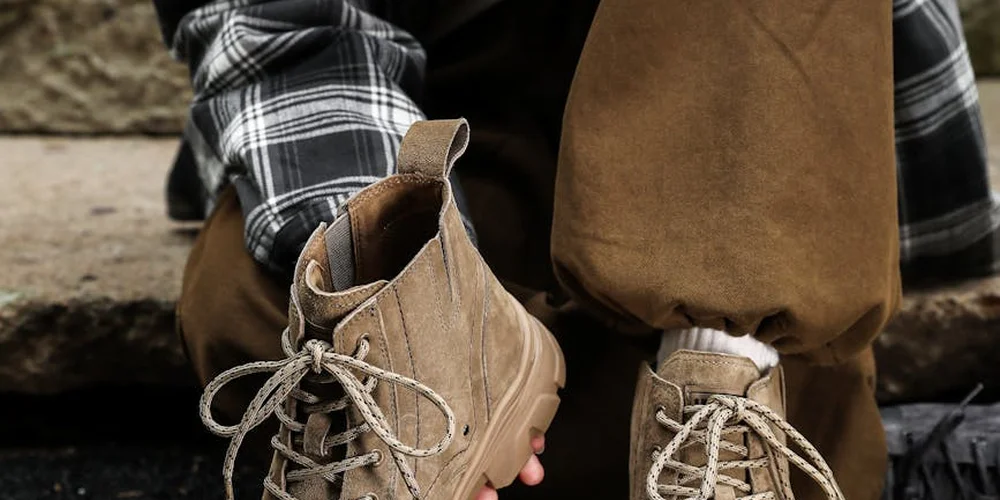
Spring weather is a mix of sunshine and showers. That means your suede will collect a fine layer of pollen and the occasional splash of mud. A simple routine after each wear makes all the difference.
Treat this like brushing your teeth. It’s a quick, daily habit that prevents big problems.
Your Three-Step Post-Wear Routine
- Brush First, Always
Before you do anything else, pick up a suede brush. I keep one by my door. Gently brush the entire shoe to loosen and lift away dried mud and dust. Work in one direction, following the natural nap of the leather. You’ll hear a soft, whisking sound as the brass or nylon bristles do their job. This alone often makes a dusty shoe look new again, especially if you’re using the best cleaning methods for leather.
- Spot Clean Stains
For damp mud or a greasy spot, let it dry completely. Never tackle a wet stain. Once dry, brush it again. For persistent marks, use a dedicated suede eraser or a clean pencil eraser. Rub gently in a circular motion. For oil, a light sprinkling of cornstarch left overnight can draw it out before you brush.
Never wash suede shoes with soap and water. Water saturates the nap, causing it to mat down and stiffen as it dries, often leaving a permanent dark spot or water ring.
- Air Dry Thoroughly
If your shoes get damp from rain or dew, stuff them with crumpled paper to hold their shape. Let them dry slowly at room temperature, away from direct heat like radiators or hairdryers. Heat will shrink and crack the leather. This patience is what keeps my boots, like Mason, in service year after year. Knowing how to dry leather properly is crucial for their longevity.
When to Call a Professional
Some stains fight back. If you face deep-set grease, ink, or a large, darkened water stain you can’t brush out, it’s time. A professional cleaner has specialized solutions and techniques to treat the stain without harming the delicate suede. Trying to fix it yourself often sets the stain permanently.
Beyond Shoes: Suede Boots and Jackets in Spring
The same care principles apply to your other suede items, but each has its own spring challenges. Boots live closer to the ground, while jackets meet every breeze head-on.
Caring for Suede Boots
Boots face more ground-level hazards. Salt residue from winter roads can linger in early spring, and mud is a constant companion on trails. After a wet walk, knock off any caked-on dirt and let them dry fully before brushing. Pay extra attention to the welt where the sole meets the upper, as grime loves to hide there. A gentle wipe with a damp cloth on the rubber sole is fine, just keep it away from the suede.
Caring for Your Suede Jacket
Your jacket, like my calfskin jacket June, battles different elements. Pollen and dust in the spring air will coat it. Give it a gentle brush down with a suede brush every few wears. Be mindful of friction points.
Avoid carrying a shoulder bag on the same side every day, as the constant rubbing will wear down the nap and create a shiny, bald patch. If you get caught in a spring shower, hang the jacket to air dry on a wide, padded hanger. Never bunch it up while wet.
With this focused attention, your suede boots and jacket are not just for fall. They become trusted, stylish companions ready for the gentle chaos of spring.
Common Questions
Does wearing suede in spring shorten its lifespan?
Not if you are proactive. Spring wear is fine, but consistent exposure to moisture without proper drying and brushing will cause the leather fibers to break down faster.
Is there a specific temperature or weather forecast where I should definitely not wear suede?
If the forecast shows steady rain or you see standing water, choose different shoes. A 60% or higher chance of precipitation is my practical cutoff for leaving suede in the closet.
How often should I reapply protector spray during the season?
After a thorough cleaning or every 4-6 weeks of regular wear. If you get caught in a good rain, re-spray once the shoes are completely dry as the barrier will have weakened.
What’s the real difference between “water-resistant” and “waterproof” suede?
Resistant means it can handle a light sprinkle briefly. Waterproof suggests a heavier treatment or membrane. No suede is truly puddle-proof; always treat “waterproof” labels as a stronger resistant layer, not a guarantee.
Is pollen actually damaging, or just a surface nuisance?
It’s a staining agent when damp. If pollen sits on damp suede, it can bind to the fibers. Always brush off pollen immediately after wearing before any morning dew or moisture can set it.
Caring for Your Suede This Spring
You can absolutely enjoy your suede shoes this season; the single most important thing is to apply a quality water-repellent spray before they see any weather and to brush them gently after every wear. That simple, consistent routine is what allows suede to be both a stylish and practical choice for spring.
Taking care of your leather goods is an act of respect for the material and the craft. Building your skills in gentle cleaning and mindful maintenance is the best way to honor that, ensuring your pieces last for many seasons to come.
Expert Resources and Citations
- The Best Suede Shoes in Summer and Spring 2024 | Del Toro
- r/grantstoneboots on Reddit: Thoughts on suede/roughout for Spring and Summer
- Can You Wear Suede Shoes In The Summer? Yes, and How?
Harriet is a avid collector of leather goods such as purses, bags, seat covers, etc and has an extensive background in leather care, recovery, stain removal and restoration. She has worked for a number of years perfecting her leather care techniques and knows the ins and outs of restoring all kinds and types of leather products. With her first hand knowledge in leather care, you can not go wrong listening to her advice.
Suede and Nubuck Care