How to Waterproof Suede and Faux Suede Shoes and Boots for Lasting Protection
Published on: February 4, 2026 | Last Updated: February 4, 2026
Written By: Harriet Nicholson
Hello Tannery Talk. That anxious glance at cloudy skies when you’re wearing your suede favorites is a feeling I know well. Today, we’ll turn that worry into confidence.
This guide will walk you through prepping your shoes correctly, choosing the right protector for real suede versus faux materials, applying it for even coverage, and simple steps to renew the shield over time.
With years spent conditioning boots and restoring jackets like my soft calfskin June, I offer advice tested on real leather and its alternatives.
Why Suede Feels Different in the Rain (And Faux Suede Too)
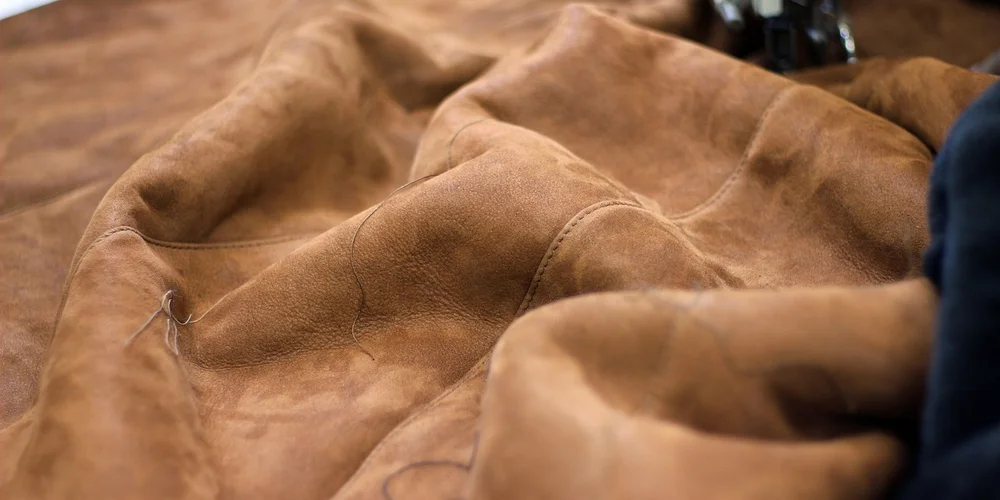
Run your hand over a suede boot. Feel that soft, fuzzy texture? That’s called the nap. It’s a surface of countless tiny, raised fibers. Now imagine a drop of rain hitting it. Unlike the tight, smooth grain of my saddle Mason, suede has no sealed top layer. The water wicks right into that fuzzy nap, like a sponge.
Think of it like velvet versus waxed canvas; the open, plush surface grabs onto everything, from water to oil stains.
When we talk about “waterproofing” suede, we really mean creating a high level of water resistance. A proper protector coats those fibers so water beads up and rolls off instead of soaking in. Faux suede, usually made from microfiber, behaves in a very similar way. It soaks up liquids just as eagerly. The main difference is its chemical makeup. Some protectors or cleaners designed for natural leather might not be suitable for synthetic materials, so checking labels is key.
Your Pre-Waterproofing Toolkit: Clean, Dry, Brush
Applying a protector spray over dirt is like sealing a stain under glass. It won’t work well, and you’ll lock the grime in forever. Always start with a clean, dry shoe, especially when cleaning delicate materials like suede.
Here is your essential three-step routine before any waterproofing touches your boots.
Step 1: The Dry Clean
Grab a suede brush (one with brass or synthetic bristles) or a suede eraser block. For general dust and light dirt, brushing is your first move. Hold the boot firmly and brush in one direction with the nap to lift the fibers and dislodge dirt. For scuffs, use the eraser block like a pencil eraser, rubbing gently until the mark fades. Always follow with the brush to restore the texture.
Step 2: Tackling Spots and Stains
For muddy splashes or oil spots, you need a dedicated suede cleaner. I avoid water-based soaps or household cleaners. They can oversaturate the material, leave a residue, or spread the stain. Apply a small amount of the specialized cleaner to a clean cloth and dab (don’t rub) at the spot. Using the wrong cleaner can permanently mat the nap or create a watermarked ring that’s impossible to fix.
Step 3: The Crucial Dry
Whether you’ve just cleaned a spot or your shoes are damp from wear, they must be completely dry before the next step. Let them air-dry at room temperature, away from radiators, heaters, or direct sun. Forcing dry with heat can bake stains into the material and cause the leather or backing to stiffen and crack. This patience is non-negotiable. Trapped moisture under a waterproofer will eventually cause mildew and damage from the inside out.
Step 4: The Final Brush
Once your shoes are bone-dry, give them one more full brush with the suede brush. This restores a uniform, raised nap across the entire surface. An even nap is like a perfectly primed canvas; it allows the protector spray to coat every single fiber consistently for the best defense.
Choosing and Applying Your Waterproofing Defender
The right tool makes the job. For waterproofing, your main choice is between an aerosol spray and a non-aerosol pump spray. Think of it like painting a fence. An aerosol gives you a very fine, even mist. It’s excellent for consistent coverage on that delicate suede nap. A pump spray can sometimes release larger droplets that might drip or spot if you’re not careful.
Your single most important rule is to use a protector made specifically for suede and nubuck. General leather conditioners or universal silicone sprays will darken and matte the nap, often permanently. A proper suede formula is designed to protect without altering the texture or color you love.
If you are working with faux suede, look for a product labeled for both “suede & nubuck.” These are almost always safe for synthetic materials too. They form a protective barrier without harming the fibers.
How to Apply Your Protector: A Step-by-Step Guide
Take your shoes and spray can outside, or to a very well-ventilated area like an open garage. You do not want to breathe in the fumes.
- Make sure your shoes are clean, dry, and at room temperature.
- Shake the can vigorously for the time stated on the label, usually about a minute.
- Hold the can about 6 inches (15 cm) away from the shoe. This is the sweet spot for an even coat.
- Use light, sweeping passes. Start spraying just before the shoe and continue just past it. Imagine you are dusting it with a shield, not hosing it down.
- Cover every part of the suede. People often just spray the toes and vamp. Remember the backs, the tongue, and the top edge near your ankle.
- Do not soak the material. A light, even mist is the goal. If the suede looks dark and wet, you’ve applied too much.
Let the first coat dry completely, which can take a few hours. Feel the surface. If it seems dry and you want a bit more defense for very wet climates, you can apply a second, even lighter coat. One good coat is often enough for general use.
A common mistake is rushing. Applying a second coat before the first is dry traps moisture and can cause spots. Be as patient with your boots as they are with you on long walks. Once dry, the suede should feel like its normal self, just ready for a drizzle.
Are Brand Suede Boots Already Waterproof? A Reality Check
You see words like ‘weather-ready’ or ‘water-repellent’ on boxes for Birkenstock, Blundstone, Clarks, Sorel, and Stuart Weitzman boots. It gives a sense of security. The truth is more nuanced. Many of these brands apply a light factory spray. It’s a helpful first step, but it’s a thin coat designed to protect the boots on the shelf, not through a full season of real-world use.
That treatment wears off with friction, cleaning, and time. What you’re left with is the natural suede underneath, which loves to drink up water and show every stain. Treating any suede boot yourself is the only way to guarantee uniform, strong protection you can renew yourself. Think of it like reapplying sunscreen. The factory gave you one application last summer. You need a fresh coat for this winter’s storms.
The One Tool You Must Have First
Before any liquid touches your boots, you need a dry brush. A suede cleaning brush with brass or synthetic bristles is perfect. This step is non-negotiable. Dirt and dust act like sandpaper. If you spray protector over them, you seal the grit into the nap, making stains permanent and wearing the material down from the inside. This sets you up to clean black suede boots at home without damaging them. Stay tuned for simple at-home care tips that protect the nap.
Brush the entire surface firmly. Go with the grain you can see, then lift the nap with short, brisk strokes against it. You’ll see the color become more even and feel the surface turn fluffy. This opens up the material so the protector can coat each tiny fiber evenly.
Applying Protector: A Calm, Methodical Process
Find a well-ventilated space. Lay down newspaper. Shake the can of suede protector vigorously for a full minute. This mixes the ingredients properly for an even spray. Hold the can about 6 inches away from the boot.
Apply the protector in slow, steady sweeps, keeping the can moving to avoid soaking any single spot. A light, even mist is your goal. You should see a slight darkening as the suede gets damp, not dripping wet. Let this first coat dry completely. This usually takes an hour.
Once dry, feel the surface. It should feel slightly different, perhaps a bit tighter or crisper. Now, apply a second identical coat. Two thin coats are infinitely better than one thick, gloopy one that can stiffen the leather or leave visible residue. Let the boots dry overnight in a warm, dry room away from direct heat.
A Crucial Note on Faux Suede
The process for synthetic suede or nubuck is similar, but your product choice is vital. You must use a protector labeled as safe for synthetic materials. Some formulas for real leather can damage or discolor faux fabrics. Always do a spot test on a hidden area, like inside the tongue, and let it dry fully before proceeding with the whole boot.
Common Mistakes and Simple Fixes
I see a few errors often. First, spraying too close. This saturates the suede, causing dark water-spot rings that are hard to remove. If this happens, let the boot dry fully, then brush the area vigorously. Often, you can brush the discoloration out.
Second, using the wrong product. Never use wax-based conditioners, mink oil, or silicone sprays meant for smooth leather. They will mat the suede’s nap irreversibly. If you’ve done this, the only fix is a professional cleaning.
The best maintenance is simple: after wearing your boots in wet conditions, let them air dry, then brush them. This lifts the nap and prepares them for their next outing. Reapply your protector every few months during heavy use, or whenever water stops beading on the surface. It’s a small ritual that adds years of life.
When the Weather Wins: Fixing Wet or Stained Suede
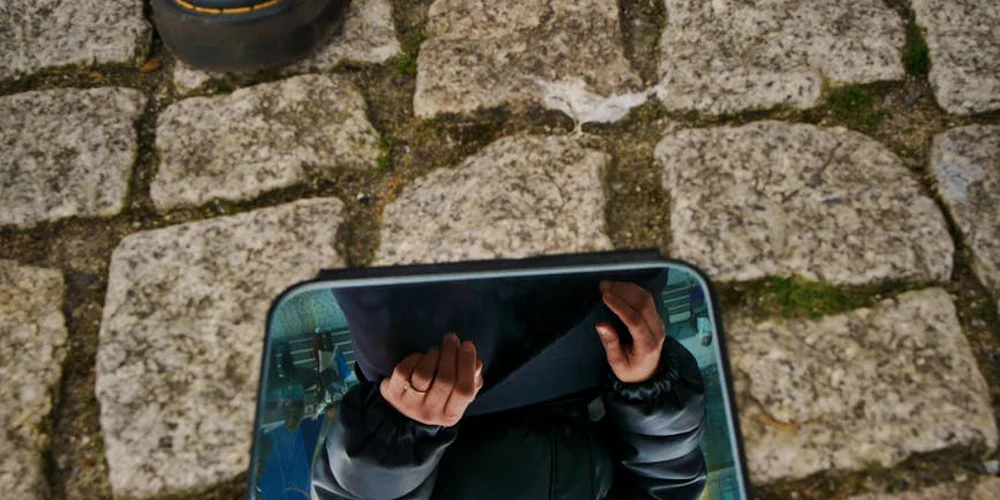
Your suede shoes got caught in the rain. I see that worried look. I’ve been there with my own boots. It happens to the best of us. This is not a disaster, but it is a call to action. How you handle the next few hours makes all the difference between a quick recovery and lasting damage.
For Rain Soaked Shoes
When the whole shoe is drenched, your goal is to dry it slowly and preserve its shape. Rushing this process is the most common mistake. Heat is your enemy here.
- Stuff them immediately. Crumple clean, plain paper like newspaper or paper towels. Pack it firmly into the toe and ankle areas. This supports the structure and absorbs moisture from the inside out. Do not use colored paper that might bleed.
- Air dry slowly, far from heat. Place the shoes in a well-ventilated room at normal temperature. Keep them away from radiators, heaters, or direct sunlight. This slow drying can take a full day, sometimes longer for boots. Patience prevents the leather from becoming stiff and brittle.
- Brush gently once bone dry. After 24 hours, check that no dampness remains inside. Then, use a suede brush or a clean, dry towel. Brush in one direction to gently lift the flattened nap back up. You’ll hear that soft, bristly sound and see the color even out.
Avoid the temptation to speed up drying with a hairdryer; the intense heat can cook the fibers and ruin the suede’s soft handfeel.
For Water Spots and Stains
A small splash or a few rain droplets often leave a dark spot. Don’t touch it yet. That dark mark is usually just water sitting in the nap, not a true stain.
- Let it dry completely first. Walk away. Let the spot air dry naturally. This simple step fixes most water marks.
- Brush vigorously. Once dry, take your suede brush. Use firm, circular motions, then brush in one direction to restore the texture. Often, the spot vanishes with this elbow grease.
- If the mark remains, use a targeted cleaner. For a persistent spot, try a suede eraser first. Rub it gently. If that doesn’t work, apply a tiny amount of a pH-neutral suede cleaner on a cloth. Always test any cleaner on a hidden area, like the inside tongue, to ensure it doesn’t discolor the suede. Use minimal product and blot, don’t scrub.
I think of suede cleaners like a strong medicine; use only as directed and in small doses to avoid side effects.
After any encounter with water, your protective barrier is compromised. Once your shoes are completely dry to the touch, inside and out, you must re-apply a waterproofing spray formulated for suede. This renews the shield that repels the next rainstorm. One light, even coat is all you need, just like you did when they were new. To do this properly, apply a suede-specific protective spray to your shoes or boots with a light, even mist. Let the spray dry completely before wearing.
What Never, Ever to Use on Suede
Knowing what to avoid is just as important as knowing what to do. I’ve seen too many good pairs of boots brought into the workshop with a look of permanent sadness after using the wrong product. The fuzzy nap of suede is delicate. Treat it with the same gentle care you’d use on a fine wool sweater, not with the robust oils you’d use on a work belt.
Standard Leather Conditioners or Oils
This is the most common mistake. The oils and waxes that keep my wallet, Scout, supple and waterproof will destroy suede. These products are made to soak into the dense fibers of full-grain leather. On suede, they soak into the open nap, clogging it and creating dark, greasy, permanent stains.
Think of suede’s nap like the pile of a velvet cloth; saturating it with oil flattens it forever and attracts every speck of dust. If your suede gets wet, you dry it and brush it. You never try to “condition” it with traditional leather food.
Harsh Household Cleaners
Vinegar, baking soda pastes, dish soap, or all-purpose sprays are far too aggressive. They can strip what little natural protection the suede has, bleach the color, or leave a crusty residue deep in the fibers. A “magic eraser” is pure abrasive; it will literally sand the color and texture right off the surface.
For cleaning, you only need two tools: a dedicated suede eraser for scuffs and a soft-bristled brush for dust. Anything stronger should be left for the kitchen sink.
Excessive Heat
Never use a hairdryer, space heater, or place boots by a fireplace or radiator to dry them. Intense, direct heat bakes the leather. It makes the material brittle and prone to cracking, much like skin that gets sunburned and peels. The heat can also set stains permanently, especially when drying wet leather shoes.
Patience is your tool here. Always let suede and faux suede dry at room temperature, away from direct heat sources. Stuff the toes with crumpled paper to help them keep their shape as they dry slowly and evenly.
Washing Machines or Soaking
Submerging suede in water is a disaster. The leather absorbs water like a sponge, which can cause the backing to stiffen, the dyes to run, and the shape to warp irreversibly. The agitation of a washing machine will felt the nap together and ruin the texture completely.
Faux suede might survive a gentle cycle, but you risk damaging the adhesive bonding the material to the shoe. It’s never worth the gamble. Your cleaning should always be a surface-level, gentle spot treatment, never a total immersion. If you get caught in a downpour, dry them slowly as mentioned above, then brush the nap gently once they are fully dry. Proper care for faux suede is essential to keep it looking new.
Keeping Them Protected: Your Long-Term Care Ritual
Waterproofing is not a one-time fix. Think of it as a ongoing conversation with your shoes, a ritual that keeps them ready for anything. This routine is simple, built on a few consistent habits.
How often should I apply waterproofing spray?
Reapply your protector spray every two to three months. The coating wears down with time and friction. A fresh application every few months maintains a reliable shield against unexpected showers. After a thorough cleaning or if they get soaked in a downpour, always apply a new coat immediately. I do this for my own gear, like giving Mason the saddle a quick conditioning after a muddy ride.
How do I protect them for winter?
Winter is tough with wet snow and street salt. Before the cold sets in, give your boots a fresh, even layer of protector. Salt dries out and stains suede fast. If you see a salt stain, wipe it immediately with a damp, soft cloth and let the shoes dry at room temperature. Rubbing can damage the nap, so just dab gently. This quick fix is like spotting a spill on June the jacket and blotting it right away to prevent a mark.
Store them properly to maintain shape
After each wear, let your shoes rest. Use cedar shoe trees or stuff them with clean, acid-free paper. This absorbs moisture and holds their form, preventing deep creases. Store them in a cool, dry place away from direct heat or sunlight. Avoid airtight plastic boxes; let them breathe to prevent mildew. This is especially important when storing leather goods and shoes.
Brush them lightly after each wear
Keep a soft suede or nylon brush by your door. When you take your shoes off, give them a few gentle brushes in one direction. You will feel the nap lift and see surface dirt fall away. This tiny step prevents dirt from getting ground into the material, which is much harder to clean later. Do not brush too hard, as it can mat the suede down. For faux suede, use a softer brush to avoid scratching the surface.
This care is about building a gentle habit. Treat your suede shoes with the same regular, attentive care I give to June the leather jacket, brushing her down after wear to maintain her soft handfeel and luster. Consistent, simple actions are what make your footwear durable and ready for daily life.
Faux Suede vs. Real: Does Care Really Differ?
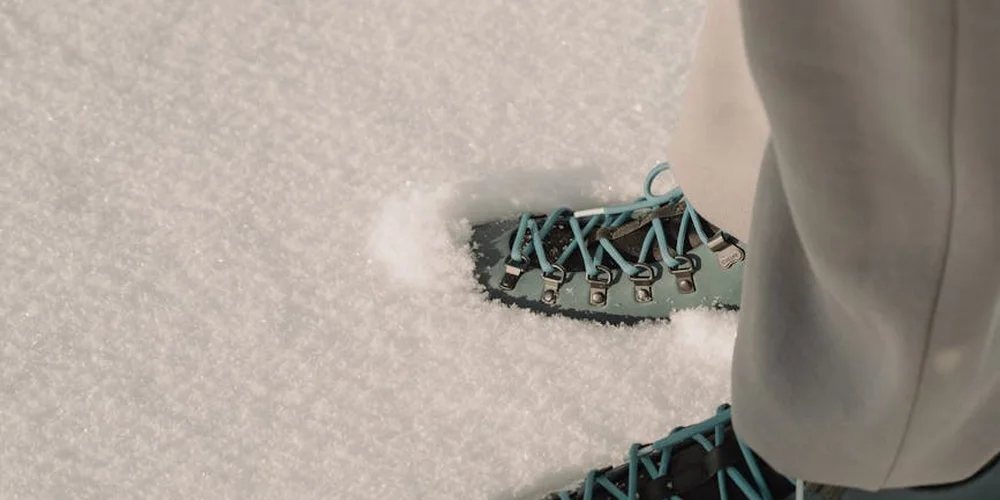
You have a favorite pair of suede boots. You find a perfect faux suede bag. Do you treat them like distant cousins or identical twins? From my bench, I treat them more like twins. The daily care and protection routines are nearly the same.
Think of the suede nap like the pile on a very short, dense carpet. Real or faux, that texture catches dirt and water the same way. Your tools and goals are identical: lift dirt, repel moisture, preserve the soft handfeel.
Cleaning: Your First Defense
For routine dust and light soil, a dry brushing is all both materials need. I keep a dedicated suede brush and an eraser block for my pieces like June, my jacket. The technique is straightforward.
- Let the shoe dry completely if it’s damp.
- Brush the entire surface firmly with a dry suede or brass-bristle brush. Go with the nap to lift dirt.
- For scuffs, use a suede eraser. Rub gently, then brush away the residue.
- For deeper stains, a dedicated suede cleaner foam works for both real and high-quality faux suede. Always do a spot test first on an inconspicuous area.
Regular dry brushing is the single best habit to keep suede and faux suede looking fresh, preventing ground-in dirt that attracts water.
Waterproofing: The Core Practice
This is where people get nervous. The process is simple and works for both materials. You use the same product: a spray protector formulated for suede and nubuck.
- Clean the shoes first. Never spray over dirt.
- Work in a well-ventilated area. Shield the floor with newspaper.
- Hold the can about 6 inches away. Apply an even, light coat over the entire surface. Do not soak it.
- Let it dry completely, usually for 24 hours. Then apply a second light coat.
- Let the shoes cure for another full day before wearing.
A common mistake is applying one heavy, drippy coat. This can spot or stiffen the material. Two light, even coats of protector spray build a more effective and invisible shield than one drenched application. Reapply this treatment every few months or after a heavy cleaning.
Durability and Feel Over Time
Here is the subtle difference. Real suede is a natural leather distinct from nubuck, velvet, and Alcantara. It breathes. With care, it develops a richer, deeper patina—the nap mellows and the color can become more uniform. My wallet, Scout, has this lived-in glow.
Faux suede is often a polyester blend. It may not breathe as well, which can matter for boots worn all day. The upside is that it can be more resistant to water-based stains initially. The potential downside is that wear might not look like a patina; it could appear as a flattening of the nap or slight pilling.
Love them for what they are: real suede gains character with age, while cared-for faux suede offers consistent performance and style.
The Bottom Line
Do not create separate, complicated routines. The core regimen is shared. Clean with a brush. Protect with a spray. Store them properly. The materials may age with different personalities, but they both respond to consistent, gentle care. Give your real suede and your faux suede the same thoughtful attention, and they will both stand up to the rain for you.
Common Questions
Is there a real difference between aerosol and pump spray protectors?
Aerosols generally provide a finer, more consistent mist for even coverage on delicate suede nap. Pump sprays can work but require more care to avoid larger droplets that might spot; your technique matters more.
How often should I reapply protector during a wet winter?
In harsh conditions with salt and slush, reapply your suede protector every 4-6 weeks. The coating degrades faster from abrasive salt and constant moisture, so more frequent maintenance is key.
What’s a good suede protector available in the UK?
Look for brands like Tarrago, Angelus, or Collonil available at most cobblers or online. Ensure the label explicitly states it’s for suede & nubuck, as this formula is also safe for quality faux materials.
Do I still need to brush my shoes if they are waterproofed?
Absolutely. Brushing after wear lifts the nap and removes abrasive grit. If you don’t brush, dirt gets sealed into the material during the next waterproofing application, causing long-term damage.
Final Thoughts on Suede Protection
The best defense against rain and stains is a tested, quality spray protector applied to clean, dry material. Always do a spot test in an inconspicuous area first, and remember that gentle, consistent cleaning is just as vital as the waterproofing itself.
Caring for your gear thoughtfully extends its life and honors the materials. Developing a simple maintenance routine for your suede and faux suede pieces turns protection into a habit, celebrating repairability and reducing waste one well-cared-for pair at a time.
Citations and Authoritative Sources
- r/goodyearwelt on Reddit: Suede shoes: to spray or not to spray (with waterproof protector)
- Nubuck & Suede Proof – Nikwax NA
- Amazon.com: Suede Waterproofing Spray
- Danner – Waterproofing Spray 4fl oz
Harriet is a avid collector of leather goods such as purses, bags, seat covers, etc and has an extensive background in leather care, recovery, stain removal and restoration. She has worked for a number of years perfecting her leather care techniques and knows the ins and outs of restoring all kinds and types of leather products. With her first hand knowledge in leather care, you can not go wrong listening to her advice.
Suede and Nubuck Care