How to Rescue Wet Suede Shoes: An Emergency Repair Guide
Published on: February 14, 2026 | Last Updated: February 14, 2026
Written By: Harriet Nicholson
Hello from the workshop. If you’re looking at a soaked pair of suede shoes or boots, I know that sinking feeling. Let’s get them dry and back on your feet.
We will cover the critical first steps for safe drying, how to clean watermarks and stains, and the process for gently restoring the soft nap of your suede.
I’ve brought back everything from salt-stained suede boots to a beloved nubuck jacket, so these steps come from the bench, not just a manual.
First Look: Assessing Your Wet Suede
Don’t panic. The first step is a quiet, gentle inspection. You’re not just looking, you’re feeling.
Pick up the shoe. Healthy, dry suede has a soft, velvety handfeel. It’s plush and light. Water-logged suede feels cold, heavy, and dense, like a damp sponge that has lost its lift. Gently press the nap with your finger. If moisture immediately darkens the area and the color change is slow to fade, the saturation is deep.
Look for more than just water. Mud splatter, salt lines, or oily stains need different care later. Check the seams and welts where debris collects.
Most people forget the inside. Turn the shoe over and peer in. Feel the lining and the insole. If they are damp, the water has penetrated fully. My wallet, Scout, once took a full dive into a puddle, and the interior moisture caused more long-term stiffness than the exterior ever did. Checking inside tells you the true scale of the job.
The Golden Hour: Your First Drying Moves
Time matters, but haste causes harm. Your goal is to remove moisture slowly and evenly, without distorting the shape or baking the leather.
Start with these calm steps:
- Remove the laces and any removable insoles. This lets air circulate and prevents dye transfer from wet laces.
- Take a clean, absorbent cloth or paper towel. Gently pat and blot the suede to soak up surface water. Never rub. Rubbing mats the nap down permanently, creating bald spots.
- Stuff the toe and vamp firmly with rolled-up newspaper or clean paper towels. Replace this stuffing every hour or two as it soaks through. This absorbs internal moisture and holds the shoe’s shape as it dries, much like I’d stuff an old leather bag to prevent creasing.
This process relies on room-temperature air movement, never direct heat. Place the shoes in a well-ventilated room, away from radiators, fireplaces, or direct sunlight. A gentle breeze from a fan across the room is helpful. Heat dries the outer layer too fast, trapping moisture inside and forcing it to soften and degrade the leather fibers from within. It can also cause severe shrinkage.
Think of this like rescuing a favorite book from a coffee spill. You’d pat the pages gently, place paper towels between them, and let it air dry with patience. You wouldn’t hold it over a stove flame. The same gentle patience saves suede.
The Heat Question: Can You Use a Hairdryer on Suede?
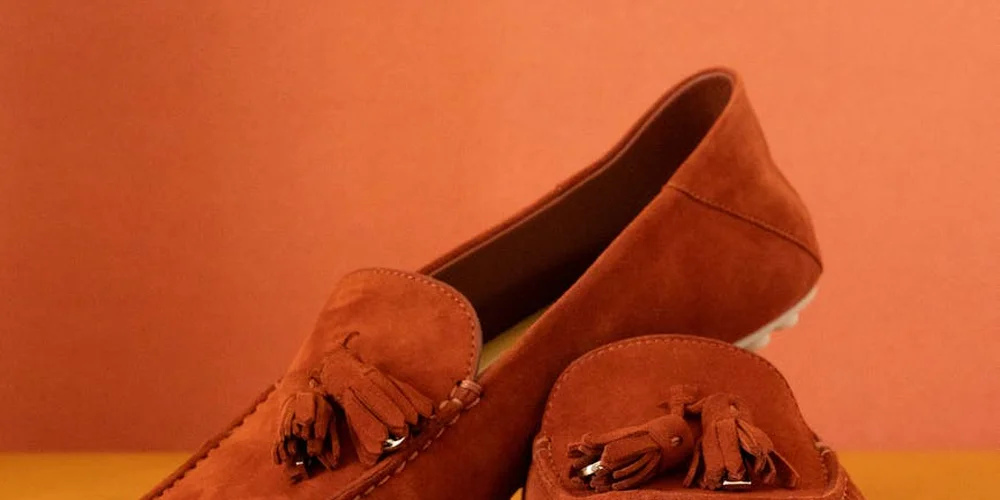
The short answer is no. Please do not use a hairdryer, radiator, or any direct heat on wet suede.
Heat cooks the delicate fibers. It does not just dry them, it bakes them. This makes the suede stiff and brittle, like a potato chip. The nap, that soft brushed surface, can get fused into an ugly, rough crust. The damage is immediate. It is also permanent.
Think of it like washing a wool sweater in hot water. The heat causes the fibers to contract violently. Just as you can’t un-shrink that sweater, you can’t uncook suede fibers. Avoiding heat is the single most important rule for saving wet suede.
Safe Ways to Dry Wet Suede
Your goal is slow, gentle, room-temperature drying with good airflow. Speed is your enemy here. Patience is your best tool.
- Blot, Do Not Rub: First, use a clean, absorbent towel to gently press against the suede and soak up as much moisture as you can. Do not wipe or scrub, as this can mat the nap down.
- Use Air Movement, Not Heat: Place the shoes in a room with a ceiling fan on low, or near a portable fan pointing generally in their direction. Do not put them directly in front of a heating vent.
- Find a Breezy Spot: A cool, shaded spot with a natural cross-breeze is perfect. Never put them in direct sunlight, as the sun’s heat will bake them just like a hairdryer would.
- Stuff for Shape: Crumple clean, dry paper (like newspaper or paper towels) and loosely stuff the toe and heel. This helps wick moisture from the inside and maintain the shoe’s shape as it dries. Change the paper every few hours as it becomes damp.
This process can take 24 to 48 hours. Let the shoes feel completely dry to the touch, inside and out, before you even think about the next step. Rushing will ruin your work.
Cleaning Dirt and Stains Before It Sets
Your wet suede is vulnerable right now. Dirt and salt from the street will harden into the fibers as the material dries, creating permanent stains. Your first job is to remove any surface debris while the shoe is still damp. For suede Jordan sneakers, avoid soaking the material and use a gentle brush to lift dirt. A swift, careful approach helps you clean without damaging the nap. Acting quickly with the right tools can prevent a simple cleaning from turning into a full restoration project later.
Brushing Away the Debris
You need a soft-bristled suede brush or a clean, dry, white cloth. A hard brush or an old towel can scratch the delicate nap. I keep a dedicated suede brush in my kit-it’s gentler than the one I use on my old saddle, Mason.
- Let the shoe air dry until it is just damp to the touch, not soaking wet.
- Hold the shoe firmly and brush in one direction only, following the natural grain of the suede. You’re grooming the fibers, not scrubbing a pan.
- Brush lightly but thoroughly. You should see the nap lift and any loose dirt fall away. This often lightens the appearance of water spots dramatically.
Lifting Fresh Stains Gently
If you see a fresh mud splatter or a new stain, you might be able to lift it now. This technique is for recent, dry particulate stains, not old grease or ink.
- Take a clean suede eraser or a white pencil eraser. A stiff-bristled nail brush can also work in a pinch.
- Gently rub the eraser back and forth over the stained area. Don’t press too hard.
- Follow up immediately by brushing the area with your suede brush to erase the eraser crumbs and realign the fibers.
This ‘lift and brush’ method works because it removes the stain particles without driving moisture deeper into the leather. I used it on a pair of boots just last season to get rid of sidewalk grit before it could set. It also removes stubborn stains from leather, such as on boots, and can be adapted for other surfaces. You’ll see more on removing tough marks from leather and other materials in the next steps.
The Critical Warning: What Not to Do
Your instinct might be to rinse the stain with water or grab a spray from under the kitchen sink. Fight that instinct.
Adding water or any liquid cleaner to a damp, stained area will only spread the stain deeper into the suede. It’s like adding water to a watercolor painting-the pigment bleeds and becomes a much larger problem. Household cleaners, even mild ones, are formulated for hard surfaces and can strip the natural oils from the leather or leave a discoloring residue. This is especially problematic when dealing with water stains on suede shoes or boots.
Water and common cleaners don’t clean damp suede; they set stains and can permanently damage the texture and color of the nap. If a stain remains after the gentle dry methods, leave it for now. It’s safer to address it with a proper suede cleaner once the shoe is completely dry.
Home Remedies for Soaking Up Moisture
Your first job is to gently pull the water out of the suede. Do not apply heat. A hairdryer, heater vent, or sunny window will bake the moisture in and can cause the leather to become stiff and brittle. Instead, we use absorbent materials to wick the water away slowly. Humidity and temperature also shape how leather dries and may influence future repairs. Understanding these factors informs prevention and repair strategies for leather.
The goal is to draw the moisture from the inside of the leather out through the lining, which protects the delicate suede surface from damage.
Choosing Your Absorbent Material
You likely have one of these three options at home right now. Each has a small trade-off.
- White Paper Towels: This is my first choice for most emergencies. They are highly absorbent, lint-free, and won’t transfer dye. Crumple them loosely to create air pockets inside the shoe.
- Newsprint or Plain Paper: This works in a pinch. Crumple newspaper or plain office paper into balls. Be very careful with printed newspaper, as the ink can sometimes transfer to a light-colored lining if the paper gets soaked through. If you use it, pack it tight and check it often.
- Cornstarch or Baking Soda: For a severely soaked boot, you can use a dry powder. Lightly pour cornstarch inside the shoe and boot shaft. It will clump as it absorbs water. This is messy but very effective for pulling moisture from deep in the lining.
How to Pack and Manage the Stuffing
This is a process, not a one-time fix. Think of it like nursing a patient back to health.
- Remove the insoles. Take any removable footbeds out. Dry these separately by laying them flat between layers of paper towel.
- Blot the lining. Use a dry, white cloth or paper towel to gently press against the inside lining of the shoe to soak up any standing water. Do not rub.
- Pack the shoe firmly. Loosely crumple your chosen absorbent material and pack it tightly into the toe box, then the heel, and finally the shaft of a boot. You want it to make full contact with the interior walls.
- Change the stuffing regularly. This is the most critical step. The material will become saturated. Check it every 4-6 hours. When the paper or towels feel damp and cool to the touch, replace them with fresh, dry material.
- For powders, vacuum carefully. If you used cornstarch, once it has clumped and dried (this may take a full day), use a vacuum cleaner hose with a brush attachment to gently remove all the powder residue.
You are done with this phase only when you insert fresh, dry paper and it comes out the next morning still completely dry. For a thoroughly wet boot, this can take two to three full days of diligent stuffing changes.
The Key Ingredient You Cannot Buy
Patience. Rushing this step is the most common mistake I see. I once worked on a suede hiking boot, much like a well-loved version of Mason, that a client tried to dry by a fireplace. The exterior looked dry, but the interior lining was still damp. That trapped moisture led to mildew. We saved it, but it needed a deep clean it could have avoided.
Let the absorbers do their slow, steady work. While you wait, keep the shoes at room temperature away from direct heat. The slow dry is what preserves the soft hand and flexibility of the suede.
Bringing Back the Soft Nap
Once your suede is bone dry, the real work begins. You’ll likely be faced with a shoe that feels stiff and looks flat, its soft nap matted down into a hard shell. Don’t worry. This is normal. With patience and the right tool, you can coax that texture back to life.
The only tool you need is a proper suede brush, one with soft brass or nylon bristles. A regular clothing brush or an old toothbrush won’t have the right stiffness or density. Hold the shoe firmly and start with gentle, circular motions over a small area.
Listen closely. You’ll hear a soft, whispering sound as the bristles work. It’s the sound of thousands of tiny fibers being lifted and separated. Feel the change under your fingers. The area will transition from a hard, slick surface back to that familiar, velvety softness.
Follow this simple order for the best results:
- Brush the entire shoe with gentle circular motions to loosen the matted fibers.
- Go over the shoe again using short, quick strokes in one direction to align the nap.
- Pay extra attention to seams and stitched areas, where water loves to settle and stiffen.
Brush slowly and let the tool do the work; pressing too hard can damage the delicate suede surface.
You might find some areas, especially where water pooled or the leather is thicker, remain a bit stiff. This happened to a pair of suede chukkas I own, right over the toe box. I brushed them for days and that firmness never fully left. And that’s perfectly fine. It’s a reminder of the adventure they survived, much like the light stiffness in the elbows of my jacket, June, from years of wear.
A little residual stiffness doesn’t mean you failed; it means the leather dried thoroughly and honestly, adding to its unique character. The goal is a revived, wearable texture, not factory-perfect softness. When the nap is lifted and the color looks consistent, your emergency restoration is complete.
Your Suede Care Toolkit: Brushes and Safe Products
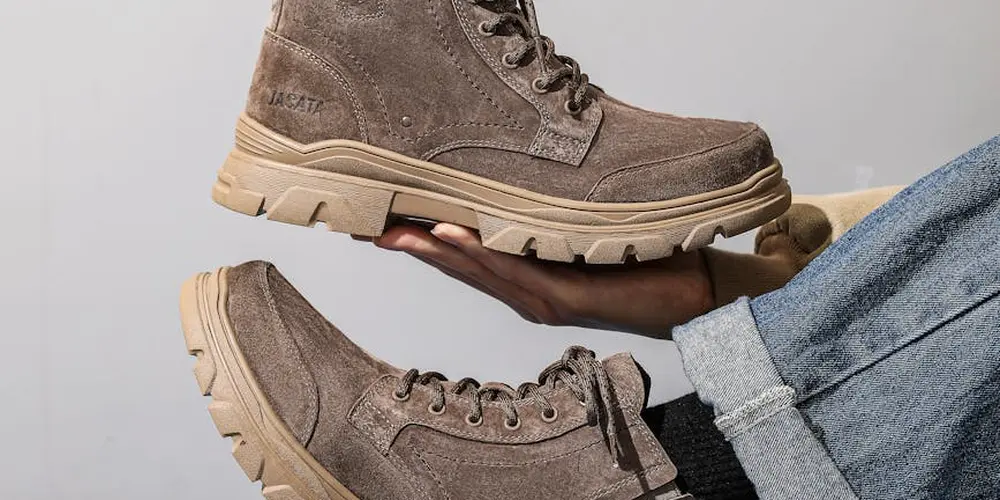
Think of suede like the velvet of the leather world. It’s soft, it’s textured, and it needs a gentler touch than my old saddle, Mason. You can’t use the same tools you’d use on smooth leather. This kit is simple, but using the right tool for the job makes all the difference.
The Right Brush for the Right Job
You need two main brushes: one for daily care and one for deeper cleaning.
- A soft nylon-bristle brush is your everyday friend. Use it to gently brush up the nap after each wear. This removes surface dust and keeps the suede looking fresh. Brush in one direction, following the natural grain of the leather.
- A brass-bristle brush (or suede brush) is for tougher spots. The fine brass wires are brilliant for lifting ingrained dirt and reviving a flattened nap. Use this brush gently in a circular motion on stained areas, then follow up with your nylon brush to realign the fibers. I use a similar technique on the trim of my jacket, June, to buff out scuffs without damaging the underlying leather.
A common mistake is scrubbing too hard with the brass brush. You’re coaxing the fibers, not sanding them down. Start light and increase pressure only if needed.
Safe Cleaning Products for Suede
This is where suede care diverges completely from smooth leather care. Never use saddle soap, oils, or conditioners meant for traditional leather. These will saturate and permanently stain the porous suede surface.
Your product list is short and specific:
- A dedicated suede eraser is a miracle worker for scuffs, salt marks, and minor oil stains. It looks like a dense pencil eraser. Rub it gently back and forth over the mark until the debris lifts away. Then, use your brass brush to restore the nap.
- A pH-neutral, water-based suede cleaner is for more general grime. Apply a small amount to a clean, damp cloth and dab (don’t rub) the soiled area. Let it air dry completely away from direct heat. Once dry, the nap might be matted down-this is when your brass brush comes back into play to fluff it right up.
Think of it this way: conditioning my veg-tan wallet, Scout, feeds the leather from within. With suede, you’re only ever cleaning the surface fibers. Feeding it the wrong product does more harm than good.
The Final Shield: Protector Spray
Once your suede is clean and dry, a protector spray is your best insurance against future emergencies. It creates an invisible barrier that causes water to bead up and roll off, giving you precious time to deal with a spill or rain shower. This is especially important when waterproofing suede items like boots, shoes, or jackets to protect them from rain and stains.
Applying it evenly is key. Hold the can about 6 inches from the shoe and use steady, sweeping motions. Cover the entire surface in a thin, even coat. Don’t soak any one area. Let it dry for the time recommended on the can (usually 10-15 minutes), then apply a second light coat for complete coverage. A good protector spray won’t change the color or handfeel of your suede when applied correctly, it just adds a layer of defense. To do it properly on suede shoes or boots, use a spray labeled for suede and follow the directions. That simple step protects your footwear without altering texture.
Always do this in a well-ventilated area and let the shoes dry fully for 24 hours before you wear or store them. This step turns a reactive panic about water damage into a proactive plan for preservation.
Handling Winter’s Worst: Salt Stains and Tough Blemishes
Once your suede is dry, you’ll likely face its biggest winter foe: salt. Those white, crusty rings aren’t just ugly. If you ignore them, the salt will pull moisture from the leather fibers, leaving them brittle and prone to cracking. The good news? You can tackle this with items from your kitchen.
Always test your cleaning method on a small, hidden area first, like the inside of the shoe’s tongue. This tells you how the suede will react to moisture and cleaning before you commit the whole shoe. It can also guide you to the best methods and products for cleaning suede shoes and boots.
Neutralizing Salt Stains with a Vinegar Solution
Plain white vinegar is your best friend here. Its mild acidity safely counteracts the alkaline salt. Think of it like balancing a recipe that’s become too salty. Here’s how to do it.
- Create a 50/50 mix of white vinegar and cool water in a small bowl.
- Dampen a clean, white cloth in the solution. Wring it out until it is just moist, not dripping wet.
- Gently dab and wipe the stained area. Do not rub. You’re aiming to dissolve and lift the salt, not grind it deeper into the nap.
- Use a second clean cloth dampened with only cool water to dab the area and rinse away any vinegar residue.
- Let the shoe air dry away from direct heat again. As it dries, you can gently brush the nap with a suede brush to restore the texture.
Why This Simple Chemistry Works
Salt is alkaline. Vinegar is a weak acid. When you apply the vinegar solution, a neutralization reaction occurs. The vinegar effectively disarms the salt, stopping it from continuing to suck the natural oils and moisture out of the leather. You’re not just cleaning the surface, you’re stopping ongoing damage—especially important because acidic or alkaline cleaners can cause irreversible damage to leather.
This neutralization step is critical for the long-term health of your suede, preventing the dry, cracked leather that comes from untreated salt damage.
Addressing Other Stubborn Marks
For mud or general grime that remains after the salt is gone, a dedicated suede eraser and brush are your next tools. The eraser acts like a very fine, dry sandpaper to lift away debris. Always brush the suede in one direction with a proper suede brush after using an eraser to re-align the nap. For grease or oil stains, a small amount of cornstarch or baking soda left on the spot overnight can help absorb some of the oil before you gently brush it away.
When to Hand It Over: Professional Suede Cleaning
You can fix a lot at home. I’ve revived many a damp boot on my workbench. But sometimes, the damage goes deeper than your brush can reach. Knowing when to call a pro saves your shoes and your sanity.
Your home care isn’t enough when you see a few specific, stubborn problems.
- Deep, Set-In Stains: This means oil, grease, or ink that didn’t lift with a suede eraser and cleaner. The stain has soaked past the nap into the leather’s flesh. You’ll see a dark, defined spot that water or cleaner just spreads.
- Lingering Odors: If a musty, mildewy smell remains after your shoes are completely dry, the mold or bacteria is inside the lining or leather. Home cleaning only addresses the surface.
- Severe Stiffening or Hardening: Leather that feels like a board after drying has lost its natural oils. This often happens after a complete soaking in dirty water. Home conditioning might not penetrate evenly to restore flexibility.
When you hit these walls, it’s a sign the material itself needs intervention, not just the surface.
What Professional “Dry Cleaning” Really Means for Suede
Don’t think of a regular dry cleaner. Professional suede restoration is different. They use specialized, water-free solvents and techniques.
The process usually involves a few key steps a home kit can’t match. They fully deconstruct the shoe, removing laces and insoles. They use industrial-grade solvent baths that lift deep-set stains and oils without harming the delicate suede nap. After cleaning, they re-color and re-finish the suede with sprays that match the original shade perfectly. Finally, they use heated tools to gently lift and re-set the nap, restoring that soft, brushed feel.
This level of care is appropriate for expensive boots, heirloom items, or any pair where the damage is widespread. It’s also the safest choice for delicate suedes or skins you can’t identify. I sent a beloved suede bag for this once-the result was like meeting an old friend looking their best.
Skilled Restoration for a Cherished Item
Choosing professional help isn’t a failure. It’s a smart decision for preservation. Think of it like this: you’d change the oil in your car, but for a major engine issue, you take it to a mechanic. The principle is the same.
You’re entrusting your gear to someone with the right tools and space to do a complete job. For a pair of boots you’ve broken in over years, that investment makes sense. It’s not giving up; it’s choosing the best path to get more years of wear from something you love.
Seeking a specialist is an act of care for your gear, ensuring it’s treated with the expertise it needs for a full recovery.
Common Questions
What household items can I use to help absorb moisture from wet suede footwear?
White paper towels are your best bet for safe, lint-free absorption inside the shoe. Avoid using colored newsprint, as the ink can transfer to a damp lining.
What products are safe to use on suede for cleaning and conditioning after water damage?
Once completely dry, use only a dedicated suede eraser and a brass-bristle brush for stains. Never apply traditional leather conditioners or oils, as they will saturate and stain the porous nap.
Is it necessary to use a suede protector spray after cleaning and drying, and how do I apply it?
Yes, it’s your best defense against future emergencies. Apply two light, even coats from about six inches away, letting it dry fully between applications.
What should I avoid doing when trying to dry or clean wet suede shoes to prevent permanent damage?
Never use direct heat from a hairdryer or radiator, and never rub a stain. Heat bakes in stiffness, and rubbing mats down the nap permanently.
When is it time to take my water-damaged suede shoes to a professional cleaner?
Seek a professional for deep-set oil or ink stains, persistent musty odors, or if the leather remains severely stiff and board-like after thorough drying and brushing. For lighter care, you can explore our basic cleaning guide for common stains like ink, oil, or watermarks on leather bags.
Final Thoughts on Emergency Suede Care
When suede gets wet, act quickly but gently-blot the moisture and let it air-dry slowly away from heat. This simple step is often all it takes to prevent lasting damage and preserve that soft, velvety handfeel.
Taking care of your suede is part of respecting the leather and the craft behind it. I find that learning these maintenance skills deepens your appreciation for well-made goods and encourages responsible choices from sourcing to daily use.
Deep Dive: Further Reading
- 4 Ways to Fix Suede Shoes – wikiHow
- How to Fix Wet Suede Shoes: 11 Steps (with Pictures) – wikiHow
- How to Fix Suede Shoes – Suede Shoe Repairs & Restorations
- r/Sneakers on Reddit: Any idea how to fix the water damage on the suede when it dries?
Harriet is a avid collector of leather goods such as purses, bags, seat covers, etc and has an extensive background in leather care, recovery, stain removal and restoration. She has worked for a number of years perfecting her leather care techniques and knows the ins and outs of restoring all kinds and types of leather products. With her first hand knowledge in leather care, you can not go wrong listening to her advice.
Suede and Nubuck Care