How Can You Tell If Your Boots Are Real Leather and Spot Suede?
Published on: June 1, 2026 | Last Updated: June 1, 2026
Written By: Harriet Nicholson
Hello Tannery Talk. You’re eyeing a new pair of boots, unsure if that smooth surface is honest leather or a clever imitation.
Let’s clear up the confusion. We will cover practical tests for genuine leather, how to read a brand’s material claims, and the straightforward differences between leather and suede.
I’ve spent years conditioning, repairing, and judging leather firsthand, from breaking in my jacket June to maintaining old saddles.
What “Genuine Leather” Really Tells You
When you see “genuine leather” stamped on a boot, it tells you one true thing: the material came from an animal hide. That’s it. It doesn’t say anything about the quality or type of leather. Think of it like a loaf of bread labeled “made with wheat.” It’s not a lie, but it doesn’t tell you if it’s hearty whole grain or fluffy white bread.
“Genuine leather” is a technical term, not a promise of high quality. It’s the basic category for any real leather. Within that category are different grades that affect how your boots will look, feel, and age. A genuine leather vs bonded leather vs top grain leather comprehensive comparison lays out the differences clearly. It helps you understand which option best suits your boots’ needs.
Higher quality leathers have specific names. Full-grain leather is the best. It includes the entire top layer of the hide, natural marks and all. It’s strong and develops a beautiful patina over years. Top-grain leather is sanded to remove imperfections, then often given a uniform finish or coating. Knowing the types and grades of leather can help you make informed decisions when choosing leather goods.
Here’s a simple way to picture it. Full-grain leather is like a solid oak table. Top-grain is like a nice oak veneer on a solid core. “Genuine leather” is more like plywood-it’s still wood, but it’s made of layers bonded together. It works, but it won’t have the same character or lifespan as the solid piece.
Why does this matter for your boots? The grade of leather dictates their future. High-quality, full-grain leather from a responsible tannery forms the foundation of a durable boot. It will resist moisture better, mold to your foot comfortably, and tell the story of your adventures through its evolving patina. A well-sourced leather isn’t just a material; it’s the soul of a boot built to last.
How to Tell Real Leather from Synthetic at a Touch
You don’t need to be an expert. Your own senses are the best tools. Here’s how to check any pair of boots, step by step.
The Pinch Test
Gently pinch a flexible part of the boot, like the side of the shaft. Apply light pressure for a few seconds and let go.
- Real leather will wrinkle like skin. You’ll see a unique, imperfect grain pattern in the crease.
- Synthetic or bonded materials often crease in a uniform, repeating pattern, like pressed plastic. The surface might look artificially perfect.
My old saddle, Mason, has deep, complex wrinkles from years of use. Synthetic materials can’t replicate that lived-in texture.
The Smell Test
Bring the boot close and take a deep breath. This is often the most telling sign.
Real leather has a rich, organic, almost earthy scent. It’s the smell of my workshop-oak bark tannin, oils, and a deep warmth. Synthetic materials smell like plastic, chemicals, or nothing at all. If it smells like a new car interior or a vinyl shower curtain, it’s not genuine leather. This is just one way to tell real leather from fake or faux leather.
Check the Edges and Seams
Look closely at the cut edges of the leather, especially inside the boot or at seam allowances.
- Real leather edges are often slightly rough, fibrous, and layered. You might see the natural flesh side.
- Fake leather edges are usually perfectly smooth, sealed with a plastic coating or a painted edge that looks like one solid piece.
My jacket June has neat, but visible, layered edges at her seams. A synthetic jacket would have a single, fused edge with no texture.
The Temperature Test
Place your palm flat against the boot’s material and hold it there for ten seconds.
Genuine leather will feel cool to the touch initially but will quickly start to warm from your body heat. It breathes with you. Synthetic materials often stay consistently cool, or can feel slightly clammy, because they don’t absorb heat the same way.
Leather is a living material that responds to its environment, while synthetics remain inert. This simple test confirms that connection.
Leather vs. Suede: Feeling the Difference
Let’s start with suede. Suede is not from a different animal. It comes from the same cowhide as your smooth leather boots. Suede is created by buffing the soft, inner split of a hide to create its signature fuzzy nap. This makes it porous and wonderfully soft to the touch.
Now, feel the difference. Run your hand over the sleeve of my calfskin jacket, June. It’s smooth, cool, and has a slight sheen. That’s the top grain, a sealed surface. Now, imagine running your hand over a suede glove. You feel a soft, textured nap that catches the light differently. Leather is firm; suede is plush.
This difference decides where each material works best.
- Boots for durability: A smooth leather boot, like a work boot, will generally repel water and scuffs better. A suede boot is stylish but will show water spots and stains more easily.
- Jackets for weather: My jacket June, made of smooth leather, can handle a light drizzle. A suede jacket needs a protective spray immediately and can be damaged by heavy rain.
- Steering wheels for grip: A smooth leather wheel develops a personal, glossy patina from your hands. A suede wheel offers more grip initially but can become matted and stained over time.
The biggest care implication is this: smooth leather develops character with age, while suede requires vigilant protection to maintain its look. Spills bead up on leather; they sink into suede.
Is It Suede or Nubuck?
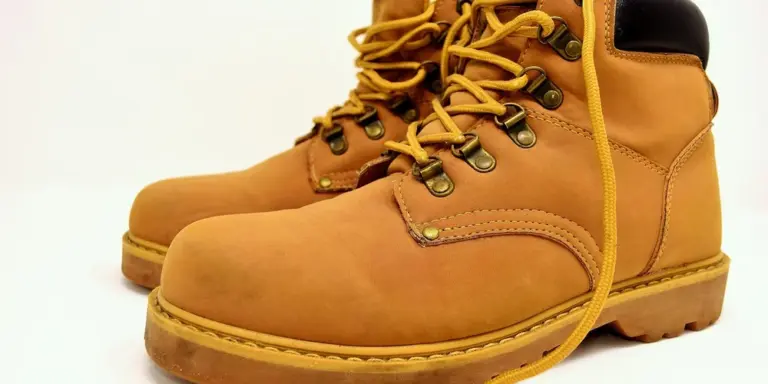
Nubuck looks like suede but is a different material. Nubuck is top-grain leather, sanded lightly on the outer surface to raise a velvety nap. Because it starts with the strong top layer, it’s more durable and resistant to tearing than suede.
Here’s a quick way to tell them apart. Feel the nap. Suede feels like a soft makeup brush or peach fuzz. Nubuck feels slightly firmer and has a finer, more even nap, similar to very fine-grit sandpaper. It’s a subtle but important difference for care.
Reading the Clues on Popular Boot Brands
Brand websites and tags hold the answers. You just need to know the language. Specific terms are a sign of quality and transparency, while vague phrasing often hides synthetic materials.
Start by dissecting the product description. Look for these clear terms:
- Good signs: “Full-grain leather,” “Top-grain leather,” “Suede upper,” “Nubuck.”
- Warning signs: “Man-made materials,” “PU,” “PVC,” “Synthetic upper,” or just “Leather” with no qualifier (this can mean “genuine leather,” which is a lower-grade split).
Let’s apply this. A question like “are black timberlands suede?” makes perfect sense because Timberland sells models in both smooth leather and suede. You must check the specific product page. Blundstones are famously durable, often made with smooth, water-resistant leather, but they also have suede options. The description will tell you exactly what you’re getting.
Your next step is to check the brand’s own care guide or the tag inside the boot. Reputable brands are usually clear about the materials they use, as it dictates how you should care for the product. The inner tag might say “Upper: 100% Leather” or list the synthetic components.
When in doubt, go straight to the source. If you’re looking at a pair and the description is unclear, contact the brand’s customer service. Ask direct questions like, “Are the uppers on this specific boot model made from full-grain leather or a coated split?” or “Is this a suede or nubuck material?” A quality brand will have an answer.
A Simple Inspection Routine for Any Boot
You do not need special tools to figure out what your boots are made of. You just need a good routine. This works just as well on a store shelf as it does on a boot in your closet.
Your 4-Step Boot Inspection
Follow these steps in order.
- Examine the label first. Look inside the boot or on the box. The law requires materials to be listed. You want to see the word “Leather” on its own. Phrases like “Man-Made Materials” or “Synthetic Upper” mean it is not genuine leather. Be cautious of vague terms like “Genuine Material” or “Leather-Lined.” They are often hiding something.
- Feel the material inside and out. Run your fingers over the surface. Real leather has a subtle, natural grain you can feel. It should be cool and supple, not plastic-y or perfectly smooth. Pinch a small area gently. Real leather will have tiny wrinkles. Synthetic materials often feel stiff or unnaturally uniform.
- Look at the boot’s tongue and interior lining. This is where brands sometimes cut corners. The outside might be leather, but check the tongue or collar. If they feel fuzzy, slick, or very thin, they are often synthetic. A full leather interior is a sign of higher quality and better breathability.
- Check the product code online. Find the style number inside the boot. A quick search often leads to the manufacturer’s detailed specifications page. This page will tell you exactly what each part is made from. It is the most reliable method.
Think of my wallet, Scout. Its edges are rough and natural, showing the veg-tan layers. It has developed unique creases from how I sit on it. Real leather boots will show similar hallmarks: natural texture, a rich smell, and the ability to develop a personal patina over time. If a boot looks and feels perfect in a way that seems artificial, it probably is.
Be aware of common blends. A boot can have a leather upper but use synthetic material for the collar, heel tab, or accent panels. This is not necessarily bad, but it affects care. You cannot condition a synthetic panel like leather. Knowing the difference helps you care for each part correctly.
Caring for What You’ve Bought: Leather, Suede, and Nubuck
Once you know your material, your care routine must match. Using the wrong product can ruin the finish. The rules are simple but strict.
For Smooth Leather Boots (Like Mason the Saddle)
This is the most forgiving and classic type. My English saddle, Mason, gets conditioned every few months with a rich, oil-based conditioner. Your boots need the same.
Clean them first with a damp cloth or a mild saddle soap to remove dirt. Let them dry completely away from direct heat. Then, apply a leather conditioner. Use a clean cloth and rub a small amount into the leather in circles. You will see the leather darken as it drinks the conditioner in, then lighten slightly as it dries. Regular conditioning every 3-6 months keeps the leather supple, prevents cracks, and builds a durable, water-resistant patina. For boots that see salt or heavy rain, a protective wax-based polish adds an extra shield.
For Suede and Nubuck Boots
Suede and nubuck are created by buffing the underside of the hide, creating a soft, velvety nap. This delicate surface changes everything.
- Never use standard leather conditioner or oils. They will darken the material permanently and mat the nap into ugly, sticky clumps.
- Your main tools are a suède brush (with brass or nylon bristles) and a specialized suède protector spray. Brush your boots after every few wears to lift the nap and remove surface dust.
- For stains, use a suède eraser first. Gently rub it on the mark. For tougher spots, a suède-specific cleaner applied with a soft brush can work. Always let the boot dry fully, then brush the nap back up.
- Apply a protector spray designed for suède/nubuck when the boots are new and after every deep clean. It creates an invisible barrier against water and stains.
I often get asked about hiking boots or casual shoes like Birkenstocks. The rule is the same: identify the material first. A smooth leather hiking boot needs conditioning to stay waterproof. A suède Birkenstock needs dry brushing and a protector spray. Using the wrong care method will not help and will likely cause damage.
Your material choice is a commitment to a specific type of care. Smooth leather is resilient and develops character with basic maintenance. Suède and nubuck are beautiful but require more consistent, gentle attention to keep them looking their best. Understanding the difference between suede, nubuck, leather, velvet, and Alcantara helps you tailor care and products from day one. With this knowledge, you can plan the right maintenance from the start.
Making Your Choice: Material, Use, and Ethics

Knowing your materials is half the battle. The other half is matching them to your life. Here’s how to think about it.
Pick Your Partner for the Journey
Think about where these boots will go. Your daily routine is the best guide for choosing between leather and suede.
A sturdy, full-grain leather boot is your best bet for heavy use, wet weather, or demanding jobs. This is the choice for a companion like my saddle, Mason. It’s built to endure. The tight grain and protective finish shrug off rain, scuffs, and long days. For work boots, hiking boots, or your everyday winter pair, leather’s resilience is unmatched. Care is straightforward: a simple clean and condition every few months keeps it supple and protected. Next, we’ll cover how often to condition leather boots and the best method to apply the conditioner. That gives you a simple, repeatable care routine.
Choose suede or nubuck for casual, style-focused wear in mostly dry conditions. This is the realm of my jacket, June, on a sunny day. These materials offer incredible texture and a relaxed look. They are not for trudging through mud or constant downpours. They suit city streets, dry climates, and situations where you can baby them a bit. Your care routine shifts to gentle brushing and vigilant stain prevention.
Nubuck offers a middle ground. It has a bit more structure than suede and can handle slightly more activity, but it still requires more thoughtful care than smooth leather.
The Source Matters
Once you know what material you need, consider where it came from. The best leather goods start with respect.
Look for brands that are open about their sourcing. I trust makers who can tell a story about their materials. Here are questions I ask, either by reading their website or reaching out directly:
- Do they name the type of leather (e.g., full-grain Italian calfskin)? Specifics are a good sign.
- Do they mention the tannery or the country of origin?
- Do they discuss their tannery’s environmental practices or certifications?
- Do they have a policy on animal welfare?
Transparency is a cornerstone of quality. A brand that invests in well-sourced, properly tanned leather is investing in a product that will last you decades, not just a season. This responsibility extends to the animal; advocating for ethical treatment throughout the supply chain is a non-negotiable part of our craft.
Buy Better, Care Smarter, Last Longer
This knowledge is your most powerful tool. It changes your relationship with everything you own.
When you can spot genuine leather, you buy with confidence, avoiding plastic substitutes that will crack and fail. When you know you have suede, you reach for the protector spray before you ever wear them outside. When you find an ethically made full-grain boot, you know you’re starting with a partner built for the long haul.
This understanding lets you care for each piece on its own terms, extending its life far beyond what most people expect. My wallet, Scout, is three years old and looks brand new because I know its veg-tan leather needs only a tiny dab of conditioner every six months. That’s it. Simple, informed care beats frantic, reactive repair every single time.
Your boots are an investment. Choosing the right material for your life and maintaining it with simple, consistent care is how you ensure that investment pays off for years to come.
Common Questions
Should I choose leather or suede gloves for daily wear?
Smooth leather gloves are more durable and will better repel rain and salt from door handles. Suede gloves offer superior grip and a softer feel but will show stains and require gentle brushing after use to maintain the nap.
What’s the best choice for a hiking boot: leather or suede?
For serious hiking, a full-grain leather boot is superior for its inherent water resistance and abrasion protection. While suede or nubuck panels are common for style, they are a compromise and will require more frequent protector sprays to handle the elements.
How should I care for a Birkenstock Boston in suede versus leather?
For smooth leather Bostons, use a light leather conditioner on the upper to prevent drying and cracks. For suede Bostons, never use conditioner; rely solely on a suede brush to lift the nap and a dedicated protector spray to guard against spills.
What’s the practical difference between a leather and suede steering wheel cover?
A smooth leather wheel will develop a personalized, polished patina from your hands that is easy to clean with a damp cloth. A suede wheel provides more initial grip but will absorb oils, become matted, and is difficult to restore once soiled.
For a loafer, is leather or suede more versatile?
Smooth leather loafers are more formal and can handle occasional wet weather with proper care. Suede loafers offer a relaxed texture but commit you to avoiding rain and immediately addressing any scuffs with a suede eraser and brush.
Choosing Boots That Last
The single best way to know your boots is to get hands-on. Feel for that natural grain and check the label for specific terms like “full-grain” or “top-grain.” A little investigation before you buy saves a lot of disappointment later.
Caring well for genuine leather is a sustainable practice. A quality pair, properly maintained, develops a rich patina and lasts for years, which is the most responsible choice you can make.
Further Reading & Sources
- Buy Men’s Suede Boots In 100% Real Leather – The Jacket Maker
- Women’s Leather (Genuine) Boots
- Amazon.com: Black Genuine Suede Boots
- Suede boots + FREE SHIPPING | Zappos
Harriet is a avid collector of leather goods such as purses, bags, seat covers, etc and has an extensive background in leather care, recovery, stain removal and restoration. She has worked for a number of years perfecting her leather care techniques and knows the ins and outs of restoring all kinds and types of leather products. With her first hand knowledge in leather care, you can not go wrong listening to her advice.
Boot and Shoe Care