What Are the Different Types and Grades of Leather? Your Practical Guide to Quality and Classifications
Published on: April 7, 2026 | Last Updated: April 7, 2026
Written By: Harriet Nicholson
Hello Tannery Talk. Staring at a price tag and wondering if “genuine leather” is a good deal or a red flag? I get that confusion every day.
This guide will help you shop with confidence. We will cover the essential leather types like full-grain and top-grain, how quality grades are determined, and what these classifications really mean for feel, durability, and care.
I’ve handled, conditioned, and repaired everything from sturdy saddles to soft jackets for years, so I can translate the tannery terms into practical advice you can use.
What Are the Basic Types of Leather You’ll Encounter?
Think of leather “type” as the category defined by the part of the hide used and what happens to its surface. It is the first clue I look for when assessing a piece. The type tells me how the leather will behave, age, and what care it truly needs.
You will regularly meet five common types. I see them all the time in my workshop.
- Full-Grain Leather
- Top-Grain Leather
- Split Leather (Suede)
- Bonded Leather
- Genuine Leather
Full-grain is like that perfect, well-worn denim jacket. It keeps all its natural marks and character, getting better with age. The other types are altered in different ways, which changes their look and feel. This is the practical answer to what are the different kinds of leather you own or shop for.
Full-Grain Leather: The Untouched Original
Full-grain leather is the complete top layer of the hide. Nothing is sanded away or covered up. All the natural grain, pores, and even scars remain visible.
This untouched surface is why it develops the best patina. The oils from your hands and conditioners soak in evenly, creating a deep, rich color that tells your story. It feels substantial and tough from the start.
I use it for items built to last. My English saddle, Mason, is full-grain. After eight years, its chestnut color has a warm, glowing patina no new leather can replicate. The surface has a tight, pebbled grain that feels solid and reliable.
Full-grain leather is the most durable type, designed to age beautifully and uniquely with you.
Top-Grain Leather: The Refined Workhorse
Top-grain leather begins as full-grain. Then, its surface is lightly sanded or buffed to remove the natural imperfections. This process makes it softer and gives it a more uniform appearance.
It is easier to dye in consistent colors, which is why you see it so often. It offers a great balance of strength and a polished look. The handfeel is smoother and more supple right out of the box.
You will find it in quality bags, furniture, and jackets. My calfskin jacket, June, is made from top-grain. It has a consistent deep color and the light creasing from wear looks elegant, not rough. It broke in comfortably without feeling stiff.
Top-grain leather is a versatile choice, offering durability with a refined and consistent surface.
Understanding “Genuine” and Bonded Leather
These terms cause the most confusion. “Genuine leather” is a specific grade, not a mark of high quality. In leatherworking, it typically refers to the lower layers of the hide split off after the top is taken for full or top-grain.
It is real leather, but it is thinner and less durable. To make it usable, it is often coated with a pigment or plastic layer. A label that only says “genuine leather” usually indicates a lower-tier product.
Bonded leather is different. It is made from shredded leather fibers and dust glued together into a sheet, then coated with a polyurethane layer stamped to look like leather grain. A comprehensive comparison of genuine leather vs bonded leather and top grain leather highlights differences in feel, durability, and price.
Bonded leather requires completely different care. Never use traditional leather conditioners or oils on it, as they can dissolve the adhesive binder. For cleaning, use only a dry or slightly damp cloth. It’s important to use the right products and methods for cleaning leather to avoid damage, especially when dealing with bonded leather.
Knowing if you have genuine or bonded leather is crucial for setting care expectations and understanding its lifespan.
This directly explains what genuine and bonded leather are: one is a lower layer of real hide, the other is a reconstituted material that needs gentle handling.
How Do Leather Grades Tell You About Quality?
Leather “grade” usually refers to a quality tier within a type. There is no single global standard, but many tanneries use a similar A, B, C, D system to sort hides.
Grade A leather generally means full-grain hides with very few natural marks. Grade B typically refers to top-grain leather. Grade C often indicates genuine leather from lower splits, and Grade D is for bonded leather or very poor-quality splits.
When comparing a grade vs b grade leather, think about character versus consistency. Grade A (full-grain) will show natural variations but is the strongest. Grade B (top-grain) is more uniform and softer, but a bit less rugged because its surface was altered. Beyond A and B, there are other types and quality grades to consider. Top-grain is a common option, and understanding how it fits among these grades helps you compare leather options more precisely.
The grades of leather are a shorthand for the hide’s quality and placement, helping you predict its performance and care needs.
The “Best” Leather Depends on Your Needs
So, what is the best leather? I tell people it is always situational. The best leather is the one perfectly suited to the job.
For a hardworking wallet like Scout, a firm veg-tan is best. For a jacket you want soft immediately, a supple top-grain wins. For heirloom furniture or a saddle, full-grain is the only choice for maximum longevity.
Some ask, is shell cordovan the best leather? It is a premium leather from a horse’s rump, known for being extremely long-lasting and developing a unique glossy patina. For fine dress shoes or belts where a smooth, reflective shine is desired, it is exceptional. But it is rare, expensive, and not necessary for most items.
Look for these hallmarks of high-quality leather, no matter the type or grade:
- A tight, visible grain pattern.
- A natural, pleasant smell like hay or oak (not a chemical odor).
- A substantial handfeel-it should have some weight and body, not feel thin or plasticky.
The best leather for your bag, boots, or jacket is the one that matches your use, your care habits, and the character you love.
Full-Grain vs. Top-Grain: What’s the Real Difference?
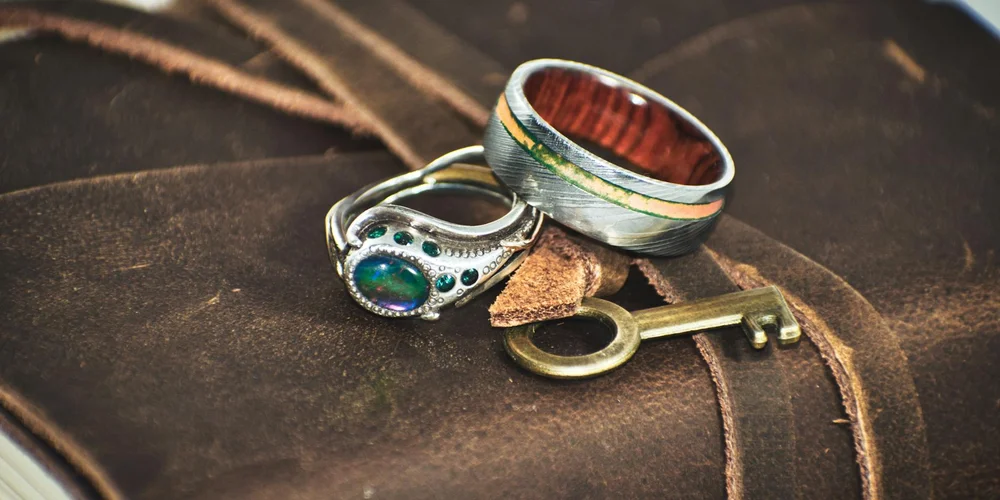
Think of it this way: a full-grain hide is like a unique piece of wood with its natural knots and grain. A top-grain hide is that same wood, sanded smooth and given a uniform stain.
The main difference is in the surface. Full-grain leather keeps the hide’s outermost layer completely intact. Top-grain leather has that same layer sanded or buffed to remove marks and scars.
| Aspect | Full-Grain Leather | Top-Grain Leather |
| Durability | Strongest. The tight grain fibers form a natural, wear-resistant barrier. It gets softer but doesn’t easily wear out. | Durable, but the buffing process removes the densest fibers. It can be more prone to scuffing than full-grain. |
| Appearance | Shows natural markings like pore patterns, small scars, or wrinkles. It changes color uniquely over time, developing a patina. | Appearance is uniform and consistent. It hides the hide’s natural character under a smooth, corrected finish. |
| Feel | Often starts firmer. The surface has texture you can feel. Over years, it molds to your hand like an old baseball glove. | Generally softer and more pliable from the start. The feel is smooth and even, with less obvious texture. |
Consider my wallet, Scout. It’s made from full-grain, vegetable-tanned leather. After three years in my pocket, its dark brown has lightened to a warm honey color where it bends. The natural grain is more pronounced now. This rich, personal aging is the hallmark of a full-grain piece; it tells the story of its use.
A corrected top-grain wallet might feel softer initially, but its color will stay largely the same. Any scuffs might show as lighter marks on the dyed surface rather than blending into a deepening patina.
So, is full-grain always better? For heirloom-quality items you want to age with you, yes. For items where a flawless, uniform look and immediate softness are priorities, a high-quality top-grain is an excellent choice.
Where You’ll See Aniline and Corrected-Grain Finishes
These terms describe the final coloring and coating on the leather’s surface. They are often related to the grain type.
Aniline dye is translucent. It’s soaked deep into the leather, like staining wood. This finish celebrates the hide’s natural character, allowing all the grain and markings to show through clearly. You almost always find it on full-grain leathers, like fine furniture or premium jackets. The downside is that aniline-dyed leather can be more susceptible to fading and water spots because it has little to no protective topcoat. When fading occurs on leather furniture, specialized restoration techniques and color-restoration products can revive the hue while preserving the grain. These approaches are commonly used to refresh vintage or high-end pieces without masking their natural character.
Corrected-grain leather has a surface that’s been buffed and then covered. A heavy pigment or a plastic polymer layer is applied to create a perfect, uniform look. This process can give a smooth finish to top-grain leather or can be used to re-texture lower-grade splits. This coating makes the leather very stain and scratch-resistant, but it also masks the hide’s natural feel and aging potential.
You’ll find corrected-grain finishes on many sleek handbags, shoes that need a glossy look, and most automotive or office furniture upholstery. It’s practical and consistent. A common question is if corrected-grain is “real” leather. It is, but think of it as leather wearing a durable, uniform mask.
How Tanning Changes Leather’s Character and Care
Tanning is what turns a perishable animal hide into durable leather. It’s the process that defines the material’s soul. The method used changes everything about how the leather behaves, feels, and ages. Different types of tanning and finishing are used depending on the desired outcome.
Vegetable tanning uses natural tannins from tree bark, leaves, and fruits. It’s a slow, traditional process. Vegetable-tanned leather feels firm and substantial, often with a distinct, pleasant scent of oak or chestnut. It is generally more rigid at first and has a natural, pale color that accepts dyes beautifully. Think of Mason, my English saddle. Its deep chestnut color and stiffness are classic veg-tan traits.
Chrome tanning uses mineral salts (primarily chromium). It’s a much faster process. Chrome-tanned leather is immediately softer, more pliable, and has a distinctive blueish-grey color on the back (the “flesh” side). It’s also more water-resistant from the start. My jacket, June, is chrome-tanned calfskin. It was buttery soft from day one, perfect for the drape and comfort a jacket needs.
One isn’t universally better than the other. They serve different purposes. Veg-tan is for structured items that need to hold shape and develop character. Chrome-tan is for soft, supple items where comfort and water resistance are key.
Choosing Tanning for Care and Longevity
Your care routine depends heavily on how your leather was tanned. Getting this wrong is a common mistake.
For vegetable-tanned leather like Scout the wallet, care is about nourishment and patience. It craves oils and waxes.
- Clean with a damp cloth or a mild, pH-neutral saddle soap.
- Apply a light conditioner or specific leather oil. The leather will darken as it drinks it in.
- Let it dry completely away from direct heat. As it dries, the color will even out, leaving it richer and stronger.
With each conditioning, a veg-tan piece develops a deeper, richer patina that adds to its value and story. Neglect it, and it can become overly dry, stiff, and prone to cracking.
For chrome-tanned leather like June the jacket, care is about surface protection and maintaining softness.
- Wipe with a dry or slightly damp cloth to remove dust.
- Use a light, non-greasy leather conditioner designed for finished leathers. Test it on a small seam first.
- Buff gently with a soft cloth. The goal is to moisturize the fibers without clogging the surface.
Chrome-tan’s built-in water resistance means it handles spills better, but it still needs conditioning to prevent the fibers inside from drying out and weakening. Over-oiling it can leave a sticky residue on the surface.
This fundamental difference in care and aging is a big part of what affects price and perceived durability. A veg-tan bag that you oil and watch evolve over decades offers a different kind of value than a chrome-tan bag that stays consistently sleek and low-maintenance for years. Knowing which you have lets you care for it properly, ensuring its longevity matches its grade.
Understanding Specialty Leathers: Suede, Nubuck, and More

Not all leather has a smooth finish. Some of the most beloved textures come from working with the leather in a different way. Think of a cowhide like a layered cake. The top grain is the icing. The layers underneath are the cake itself.
Both suede and nubuck come from underneath the top grain, from what we call the split layer or flesh side of the hide. This is a crucial point many shoppers miss.
What is Suede?
Suede is created by splitting the hide and then buffing the inner, fuzzy layer. The result is that soft, brushed nap you know. Because it lacks the tough top grain, suede is more delicate. It scuffs easily and drinks up water and oil stains. My June jacket is smooth calfskin, but if she were suede, a rainy day would be a much bigger concern.
What is Nubuck?
Nubuck (pronounced ‘new-buck’) often gets confused with suede, but it starts life as top-grain leather. The surface is then lightly sanded or buffed, creating a velvety, raised texture. Imagine gently sanding a fine piece of oak. You feel the grain, but the surface becomes soft to the touch. That’s nubuck.
Nubuck is generally more durable than suede because it retains the strong top-grain base, but its velvety surface is still prone to marking and staining.
How Their Care Differs
Caring for these leathers is nothing like caring for my Mason saddle. You must be gentle.
- For cleaning, only use a specialized suede/nubuck brush (often a rubber or brass-bristled eraser brush) and a clean, dry microfiber cloth. Never use standard leather cleaner.
- Conditioning is tricky. Most conditioners will permanently darken and spot the nap. Use products specifically labeled for suede and nubuck, which are usually spray-on protectants.
- The golden rule: protect before wear. A quality protector spray is your best friend. Reapply it regularly, especially on shoes or a frequently used bag.
A common mistake is using a damp cloth on a stain. This often sets the stain and creates a hard, dark spot. Always try brushing it out dry first.
How to Spot Good Leather When You’re Shopping
Labels can be confusing. “Genuine leather” doesn’t tell you much. Your best tools are your own eyes, hands, and nose. Here’s a simple guide I use to distinguish genuine leather from fake or faux leather.
Step 1: The Look Test
Look for natural imperfection. Real, high-quality leather like full-grain will have variations in the grain pattern, small scars, or wrinkle lines. These are marks of character, not defects. If every square inch looks perfectly identical and pore-less, it’s likely a corrected-grain leather or a synthetic. The natural grain on my Scout wallet tells its own story.
Step 2: The Feel Test
Feel the thickness and the texture. Good leather should feel substantial, not paper-thin or plasticky. It should be supple, not stiff as a board. Pinch it gently. Quality leather will have some give and will feel slightly warm. A stiff, cold feel often signals lower quality or a heavy plastic coating.
Step 3: The Smell Test
This is the most reliable test. Breathe in deeply. Good leather has a rich, earthy, unmistakable smell, often from the natural tannins used. It should smell like a high-end shoe store or a saddle shop. A strong chemical, plastic, or gluey odor is a major red flag. It means you’re smelling the polyurethane coating, not the leather.
Decoding the Labels
There is no government body that officially grades leather like USDA beef. Terms are used loosely by marketers.
- “Full-Grain” is a strong signal of quality, meaning the top layer is intact.
- “Top-Grain” means the top layer has been sanded or corrected. It’s still real leather and can be very good, but it’s not the pinnacle.
- “Genuine Leather” simply means it contains some leather, often the split layers bonded together. It’s the bare minimum.
- “Bonded Leather” is like particle board. It’s shredded leather fibers glued to a backing. It lacks durability and will not age well.
Industry standards exist, but they are guidelines for manufacturers, not strict rules for shoppers. Trust your senses over a tag.
Tips for Specific Buys
For Furniture (Like a Sofa): Think about wear. You want a durable, thicker leather that can handle years of use. Look for a substantial handfeel. Aniline or semi-aniline dyed leathers will develop a beautiful patina but may show scratches more easily. A heavily protected pigment finish is more stain-resistant but won’t develop the same character. Ask about the finish. How long leather furniture lasts depends on durability factors like leather type, finish, and upkeep. Understanding these factors can help you pick a piece that ages well.
For Apparel & Accessories (Like a Jacket or Bag): Think about drape and comfort. It should feel supple and move with you. For a bag, check the edges of straps and panels. Are they neatly folded and painted (edge painted), or rough and unfinished? Neat edges often indicate better craftsmanship. For a wallet like Scout, a firm veg-tan leather is perfect-it molds to you over time.
When in doubt, ask the seller direct questions: “Is this full-grain or top-grain?” “Is it aniline dyed?” Their knowledge (or lack thereof) will tell you a lot.
Common Questions

How do the leather grades (A, B, C) relate to types like full-grain?
The grade (A, B, C) is a tannery’s quality sort within a type. An “A” grade is typically a pristine full-grain hide, a “B” is often a corrected top-grain, and a “C” usually denotes a split or genuine leather with more flaws.
Aniline vs. corrected-grain: which is easier to maintain?
Corrected-grain, with its heavy pigment topcoat, is more stain and scuff-resistant for daily use-just wipe with a damp cloth. Aniline leather, while more beautiful, is vulnerable; always pre-treat it with a protector spray and clean spills immediately to prevent rings.
Are suede and nubuck considered lower-grade leather?
No, they are different *types*, not inherently lower grades. Nubuck starts as quality top-grain, and suede can be from good splits. Their delicate nap requires specific care: use only a suede brush and specialized spray protectants, never standard leather conditioner.
Does a higher grade always mean a longer-lasting product?
Generally, yes-a Grade A full-grain has the tightest, strongest fibers. However, longevity depends just as much on proper care; a neglected top-grain piece will fail long before a well-maintained one of any grade.
Choosing and Caring for Your Leather
Look for the word “full-grain” when you want something durable that ages with you. Knowing the difference between a corrected-grain sofa and a top-grain jacket helps you pick the right product and care for it the right way.
Good leather care honors the material and the animal it came from. Learning to condition, clean, and even repair your goods builds a deeper skill and extends their life for years.
Relevant Resources for Further Exploration
- Types of Leather: Quality, Grades & Hides – Billy Tannery
- Leather Types & Grades – The Ultimate Guide | Overland
- Discover How Leather is Graded (Clearing The Confusion) – Galen Leather
Harriet is a avid collector of leather goods such as purses, bags, seat covers, etc and has an extensive background in leather care, recovery, stain removal and restoration. She has worked for a number of years perfecting her leather care techniques and knows the ins and outs of restoring all kinds and types of leather products. With her first hand knowledge in leather care, you can not go wrong listening to her advice.
Full-grain and Top-grain Leather Care