Is PU Leather Safe? A Leather Care Guide to Composition, Durability, and Real Leather
Published on: April 15, 2026 | Last Updated: April 15, 2026
Written By: Harriet Nicholson
Hello Tannery Talk. You’re holding a PU leather item, maybe a new bag or sofa, and wondering about its safety and quality. Let’s tackle that worry head-on.
We will cover what PU leather is actually made from, how its durability holds up in daily life, and a clear, practical comparison to traditional leather.
From conditioning my worn saddle Mason to repairing the creases on jacket June, my hands-on experience gives me a clear view of what makes leather and its alternatives last.
What Is PU Leather? (And What Does PU Stand For?)
PU stands for polyurethane. It is a type of synthetic material made to look and feel like leather. Think of it as a plastic coating, usually applied to a fabric base like polyester.
You might see terms like “premium pu leather” in stores. This typically just means a slightly thicker or more detailed polyurethane coating. It is not real leather. Another term, “pirarucu leather,” is completely different. Pirarucu is a type of fish, and its skin is a genuine, exotic leather. If a label says “pirarucu,” it’s the real thing. If it says “PU,” it is not.
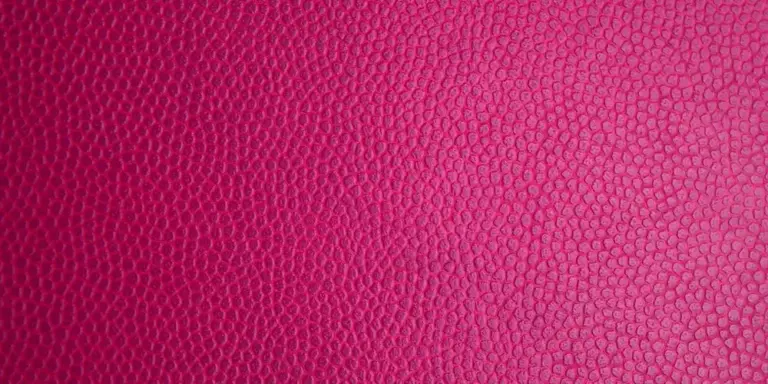
Holding a PU item next to a piece like my jacket, June, shows the difference immediately. June’s calfskin has a subtle, irregular grain you can feel. It breathes and has a distinct, warm scent. PU leather feels more uniform and cool to the touch. It often has a slightly plastic-like smell, and the surface texture is perfectly consistent, like a photograph of leather grain printed on a smooth sheet.
It’s also different from PVC (vinyl) leather, another common faux leather. PVC is usually stiffer, shinier, and feels more like a plastic raincoat. PU is generally more flexible and can have a softer, more matte finish that better mimics the look of real leather.
Is PU Leather Safe and Non-Toxic?
This is a common and important question. For most everyday use, PU leather is considered safe. The manufacturing process for consumer goods must follow safety standards that limit harmful chemicals. However, be cautious when cleaning such materials, especially with baby wipes, as they can sometimes be harsh.
Many people search “does pu leather cause cancer” out of concern. The risk from finished products is very low. The concern stems from chemicals used in production, like certain plasticizers or solvents, which can off-gas when new. Proper manufacturing and ventilation significantly reduce any risk, and a finished, stable PU product is not considered a carcinogen.
The primary chemicals to be aware of are volatile organic compounds (VOCs) and phthalates. These are what can cause that “new car” or “new product” smell. For a new PU sofa or car interior, this off-gassing is most noticeable. For a jacket or shoes, the amount of material is much smaller. The main concern would be for individuals with chemical sensitivities or allergies.
For items worn close to the skin, like pu leather jackets and shoes, safety is about comfort and sensitivity. A new PU jacket might feel stiff and have a chemical odor. The material does not breathe like real leather, which can make you sweat more. This isn’t toxic, but it can irritate skin or cause discomfort for some.
Here is simple guidance for new PU leather items:
- Air it out first. Unpack a new jacket, bag, or pair of shoes in a well-ventilated room or porch for 24-48 hours before wearing or using it regularly. This allows most of the initial off-gassing to dissipate.
- Clean the surface. Use a barely damp, soft cloth to wipe down the item. This can remove any surface residues. Let it dry completely.
- Do a patch test. If you have sensitive skin, wear the jacket over a long-sleeved shirt for a short period first to see how your skin reacts.
Once aired out, a PU leather item is stable and safe for regular use. Its care is about surface cleaning, not the deep conditioning that real leather like Mason or Scout requires.
How PU Leather Is Made: The Layers Explained
Think of PU leather not as a single material, but as a sandwich. It’s built in distinct layers, and that construction tells you everything about how it behaves.
The foundation is a fabric base, often polyester or cotton. This provides the structure, like the plywood underneath a countertop. Then, a liquid polyurethane mixture is applied to coat this fabric. It’s spread on, heated, and treated to create a surface that mimics leather’s grain. A final topcoat or finish is added for color, shine, or texture.
This is the key difference: real leather is a solid, porous material throughout, while PU leather is a plastic coating glued to a fabric backing.
A good analogy is a laminated countertop versus a solid wood slab. The laminate looks good from above, but it’s a thin veneer. Scratch or delaminate that top layer, and you reveal the chipboard beneath. Solid wood, like my saddle Mason, can be sanded and refinished because it’s the same material all the way through.
This layering dictates all care. You can’t condition or “feed” a plastic coating. Attempting to use a leather oil or conditioner on PU leather won’t nourish it. At best, it’ll sit on the surface as a greasy film. At worst, certain chemicals can break down the plastic or its adhesive.
PU Leather vs. Real Leather: A Hands-On Comparison
Let’s put them side by side. I’ll use my well-worn leather pieces as a reference for how genuine material ages and feels.
| Factor | PU Leather | Real Leather (Like Mason, June, or Scout) |
|---|---|---|
| Breathability | It doesn’t breathe. The plastic layer seals the fabric base. Moisture gets trapped underneath, which can lead to a damp, clammy feel and promote mildew on the fabric. | It breathes. Leather is a natural, porous hide. My saddle Mason releases heat and moisture from the horse’s back. A jacket like June allows some air transfer, making it more comfortable over time. |
| Aging & Patina | It doesn’t patina, it degrades. The plastic coating is designed to look one way. With stress and UV exposure, it typically cracks or peels, revealing the fabric layer underneath. | It develops a patina. Scratches and scuffs on veg-tan leather like Scout’s wallet darken and blend. June’s calfskin gets soft, personal creases. Mason’s deep color comes from years of oil, sweat, and sun. They tell a story. |
| Durability & Repair | Durability is surface-deep. A sharp scratch can cut the coating, and it can’t be buffed out. Once the top layer is compromised, peeling often follows. Repair is very difficult. | Durability is inherent. A surface scratch on full-grain leather can often be lessened with careful conditioning. Heavy wear takes years. Professional repairs can restore even badly damaged items because the material is consistent. |
| Feel & Hand | It feels uniform and can be initially soft, but often has a plastic or synthetic handfeel. It doesn’t change much with use. | It feels organic and improves. From the firm promise of new veg-tan to the buttery softness of a broken-in jacket, the feel evolves and gets better with proper care. |
On environmental and ethical points, the conversation is complex. PU leather is a petroleum-based plastic. Real leather, when sourced responsibly from the meat industry as a co-product, utilizes a hide that would otherwise be waste. I advocate for brands that are transparent about their tanning processes and source from suppliers committed to animal welfare. A well-made leather good, cared for properly, lasts for decades, which is a form of sustainability in itself.
How Durable Is PU Leather? What to Expect Over Time
Think of my veg-tan wallet, Scout. Over three years, it has developed a rich, dark patina from my hands. It looks better with age. PU leather has a different relationship with time. Its lifespan is measured in resistance, not evolution.
Do not expect a decade of daily use from a PU item. A quality piece might last several years with gentle care, but it will not age gracefully like real leather. It simply wears out.
Common Failure Points
The plastic top layer and fabric backing separate under stress. This leads to predictable problems.
- Cracking: This is the most common end. As the plastic coating loses flexibility, repeated bending causes tiny fractures. These grow into large, unsightly cracks, exposing the fabric underneath.
- Peeling: The plastic layer can delaminate from its backing, especially along high-stress seams or edges. It starts as a small bubble you can pick at, then grows.
- Color Fading: The dyed plastic coating is susceptible to UV rays. Prolonged sunlight will bleach and dull the color uniformly, unlike leather’s patina.
Where real leather breaks in and softens, PU leather simply breaks down.
How Sunlight, Heat, and Flexing Affect It
Environmental factors hit PU differently. Real leather, like Mason the saddle, contains natural oils. Heat can dry it out, but conditioners replenish it. Sunlight deepens its color, unlike conditioned PU, which can fade over time.
PU leather has no oils to lose. It is a plastic film.
- Sunlight (UV Exposure): This is a major enemy. UV radiation degrades the plastic polymers, making them brittle and accelerating both fading and cracking. Keep PU out of direct, sustained sunlight.
- Heat: High heat (from radiators, car dashboards, or hairdryers) can soften the plastic coating, making it sticky or prone to deformation. It can also weaken the adhesive bonding it to the backing.
- Flexing: Every fold creates stress. Real leather fibers stretch and relax. PU’s plastic coating eventually fatigues and cracks along crease lines, like a worn-out credit card.
Durability on Specific Items
Performance varies wildly by use.
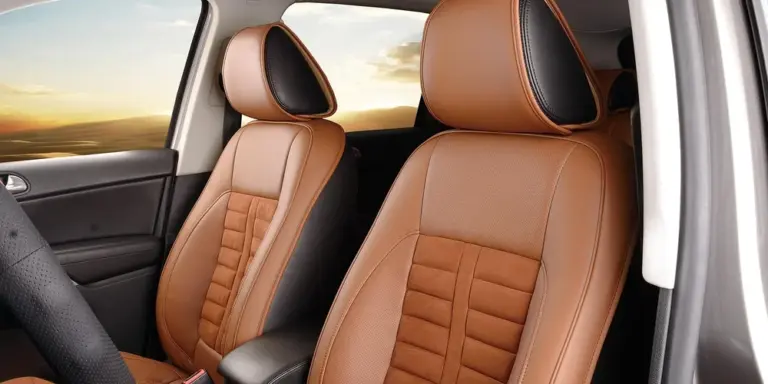
Sofas & Chairs: In a low-traffic room, a PU sofa can look good for years. Constant sitting and friction will wear down the coating on armrests and seat cushions faster than you’d see with leather. Cracking is the likely failure.
Bags & Backpacks: This is a high-stress use. Corners and straps get constant abrasion. The flexing of the material as you pack and carry it will hasten cracking. Expect a fraction of the lifespan of a full-grain leather bag.
Footwear & Jackets: These are durability tests. Boots and shoes flex with every step. Jackets crease at the elbows and waist. PU on these items often shows cracking and peeling within a couple of seasons of regular use, especially in harsh weather.
For items that bend and move with you, real leather’s ability to adapt makes it inherently more durable.
How to Care For and Clean PU Leather
Care is simple because the material is simple. You are cleaning and protecting a plastic surface. Forget the rituals of saddle soap and conditioner that June my jacket enjoys.
Step-by-Step Regular Cleaning
- Dust First: Wipe the surface with a soft, dry microfiber cloth to lift loose dirt.
- Prepare a Mild Cleaner: Mix a few drops of pH-neutral dish soap or a dedicated vinyl/PU cleaner with a cup of cool water. Never use straight soap.
- Wipe Gently: Dampen a second clean microfiber cloth in the solution, wring it out until it’s barely damp. Wipe the surface using light, overlapping strokes.
- Rinse & Dry: Dampen a cloth with clean water, wring well, and wipe over the area to remove soap residue. Immediately dry thoroughly with a soft, dry towel. Let it air-dry completely away from heat.
What NOT to Do
This is critical. Using real leather care products will not help and will likely harm.
- No Leather Conditioner or Oil: Products like mink oil or balms are designed to penetrate and nourish animal hide. They cannot soak into plastic. They will sit on top as a greasy, sticky film that attracts more dirt.
- No Harsh Solvents: Avoid acetone, nail polish remover, strong alcohol, or abrasive cleaners. These will strip the color and finish from the plastic coating instantly.
- No Stiff Brushes or Scouring Pads: These will scratch the surface permanently.
Your care kit is a microfiber cloth, mild soap, and water. That’s it.
Removing Common Stains
- Ink: Act fast. Dampen a cotton swab with a tiny amount of rubbing alcohol (isopropyl alcohol). Test on a hidden spot first. Gently dab at the stain, don’t rub. Clean the area immediately with your mild soap solution afterward.
- Oil or Grease: Sprinkle a little cornstarch or baking soda on the spot to absorb the oil. Let it sit for an hour, then brush it off. Clean the area with your mild soap solution.
- Mud: Let it dry completely. Once dry, brush off the crusted mud with a soft-bristled brush. Then follow the regular cleaning steps above.
Handling Small Cracks and Scuffs
Repair is cosmetic and temporary. You cannot restore the material’s integrity once it fails.
- For Light Scuffs: A tiny dab of clear shoe polish or a dedicated vinyl/PU color restorer on a soft cloth can often mask light abrasions. Buff gently.
- For Small Cracks: Specialized vinyl repair kits are available. These usually involve a color-matched compound and a texturing tool. Results vary. The repair will be visible and may not flex well. For peeling, a strong, flexible clear adhesive can sometimes re-bond a small edge, but the damage often progresses.
Know the limits. Once the structural fabric backing is exposed or cracking is widespread, the damage is terminal. The goal of care is to postpone this for as long as possible with gentle, correct cleaning.
Should You Choose PU or Real Leather? A Practical Guide
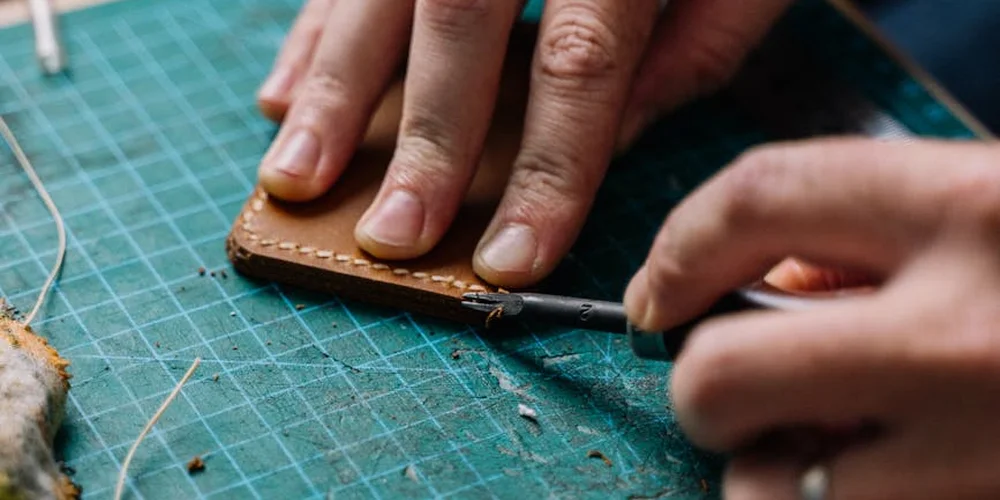
Think of this as a tool for your next purchase, not a rulebook. Your choice depends on what you need right now and what you value for the future.
Matching Material to Your Priorities
Here is a quick, side-by-side look at the main points. This makes it easier to weigh your options.
| Consideration | PU Leather | Real Leather |
| Budget | Low upfront cost. | Higher upfront cost. |
| Projected Lifespan | Short to medium (often 2-5 years). | Long (decades with proper care). |
| Care & Repair | Limited. Scratches and peeling are often permanent. Clean with a damp cloth. | Forgiving. Scratches can blend in, surface can be conditioned, and serious damage can be professionally restored. |
| Environmental Feel | Plastic, uniform, and sometimes stiff. Can feel clammy. | Natural, varied grain. Softens and conforms to you over time. Breathes. |
When PU Leather Might Be a Practical Choice
There are honest situations where PU makes sense. It can be a responsible choice if it aligns with your current reality.
Choose PU leather for short-term or highly specific uses where longevity is not the goal.
- You need a specific look for a single event or a short season.
- Your budget is extremely tight, and the item is not meant to be a forever piece.
- The item is for a child who will outgrow it quickly, like a costume or a trend-based backpack.
- You are experimenting with a style or color before committing to a real leather version.
PU leather is a tool for a temporary job, not a companion for a long journey.
Why Real Leather is a Lasting Investment
I choose real leather for the pieces I want to know for years. My own gear tells this story better than any list of features. If you’re curious about the different types and grades of leather, there’s a complete guide to understanding leather quality classifications.
Mason, my English saddle, is eight years old. The chestnut color has deepened into a rich patina no factory can replicate. It has scars and sweat marks that tell the story of every ride. When it gets dry, I clean it with a glycerin-based saddle soap and follow with a condition. It drinks in the oils and comes back more supple. A torn strap can be replaced. The tree can be reflocked. Its life is measured in decades, not years.
June, my calfskin jacket, developed soft creases at the elbows and a light scuff on the cuff. I treated the scuff with a tiny amount of leather cream that matched its hue. The creases? They just prove it’s been lived in. They add character without weakness. Full-grain leather, from a reputable maker, wears in like your favorite denim. It gets better.
Real leather is not just a material, it is a relationship. You care for it, and it evolves with you, gaining character instead of just deteriorating.
Scout, my veg-tan wallet, started as a stiff, flat brown. Three years in my pocket, warmed by my body, handled every day, it has molded to my shape and darkened to a deep honey brown. This is a physical record of my use. If a stitch ever wears out, I can restitch it. The leather itself grows more beautiful.
This is the core of the investment. You are not buying a finished product. You are buying a partner that you break in, maintain, and repair properly over time. Over twenty years, the cost per use of a real leather bag becomes tiny. The emotional value becomes priceless.
Safety Considerations for Specific Uses
Let’s return to the safety question, because for some items, the material is not just about style or budget.
For children’s items that will be chewed on or items that press against skin for long periods, real leather’s natural composition is a clearer choice. You avoid the plasticizers and chemical blends used in some PU. Look for vegetable-tanned leathers from responsible sources, they use natural tannins from tree bark.
For safety shoes, the choice is critical. Real leather is naturally breathable, which helps manage moisture and temperature. More importantly, its structural integrity under stress is predictable. A quality work boot leather will abrade and scuff, but it resists sudden cracking or melting near a heat source in a way a plastic coating cannot. Always check the item’s specific safety certifications, but know that genuine full-grain leather has been the trusted base for protective gear for centuries for good reason. That same logic extends to gloves and footwear—the best leather types for hands and feet balance durability, breathability, and comfort.
When safety is a factor, the inherent, reliable properties of natural leather often make it the wiser foundation for the product.
Common Questions
1. Is a new PU leather jacket safe to wear right away?
Unpack it and let it air out in a well-ventilated area for a day or two first. This allows any initial chemical smell from manufacturing to dissipate before you wear it close to your skin.
2. Can I use my leather conditioner on PU leather items?
Never. Conditioners are for nourishing animal hide and will only sit as a greasy film on plastic. For PU, clean only with a damp cloth and a drop of mild soap, then dry it thoroughly.
3. Are PU leather safety shoes as protective as real leather?
For critical protection, the inherent structure of real leather is more reliable. PU’s plastic coating can crack under extreme stress or heat, potentially compromising safety where full-grain leather would simply wear and abrade.
4. How do I stop my PU jacket or sofa from cracking?
Minimize stress and keep it out of direct sunlight and away from heat sources. You cannot prevent it forever, as the plastic will degrade with time and flexing, but avoiding UV rays and extreme temperatures will prolong its life.
Final Thoughts on Choosing Your Material
The most important thing is to match the material to the job. PU leather works for light, temporary uses where cost is key. Real leather, like the kind in my wallet Scout, is for items you want to grow old with you. Choose based on what you expect the piece to endure over the next five years. Understanding patina—how leather changes with time, wear, and care—helps you recognize how a piece will mature. With careful use, the result is character and longevity in fine leather goods.
If you choose real leather, caring for it is a simple, rewarding practice. I encourage you to learn about its origins, support makers who value ethical sourcing, and give your goods the occasional clean and condition they deserve. Additionally, learning the best general methods for caring and treating leather items helps maintain their look and lifespan. It also aligns practical care with respect for the craft. This mindful approach turns a simple purchase into a lasting partnership with a material that has served us for centuries.
Expert Resources and Citations
- What is PU Leather? The Truth About Synthetic Leather
- Is Pu Leather Toxic | Is The Material Safe?
- What is PU leather – and why you should avoid!
Harriet is a avid collector of leather goods such as purses, bags, seat covers, etc and has an extensive background in leather care, recovery, stain removal and restoration. She has worked for a number of years perfecting her leather care techniques and knows the ins and outs of restoring all kinds and types of leather products. With her first hand knowledge in leather care, you can not go wrong listening to her advice.
Bonded and Faux Leather Care