Can You Machine Wash Leather Shoes and Garments? Risks, Damage, and Safe Alternatives
Published on: May 30, 2026 | Last Updated: May 30, 2026
Written By: Harriet Nicholson
Hello Tannery Talk, that moment of doubt is familiar-staring at a dirty leather jacket or muddy boots and wondering if the washing machine could handle it. I am here to walk you through why that choice often ends in regret.
We will cover the real risks of machine washing leather, the specific damages like cracking and fading it causes, and safe, practical alternatives you can trust.
My advice comes from years of hands-on repair and care, bringing pieces like my worn saddle Mason and soft jacket June back to life with methods that preserve their character.
What Really Happens When You Put Leather in the Washer
Think of leather as skin. It breathes, it flexes, and it needs its natural oils. A washing machine treats it like a tough cotton t-shirt, and that’s where things go wrong.
Physical Damage: Agitation is the Enemy
The spinning and tumbling of a wash cycle is brutal on leather structure. It doesn’t just clean, it violently twists and pulls.
- It stretches the leather permanently, especially in soft areas like the sides of a boot or the body of a jacket.
- It warps the shape. A shoe can come out looking nothing like your foot.
- It puts massive stress on seams and stitching, which can lead to tears and leaks.
Imagine handling a delicate, old book by roughly shaking it pages-first. The agitation in a washer does that to the very fibers of your leather. My saddle, Mason, would be a warped, misshapen mess.
Chemical Damage: Detergents and Heat Strip Life Away
Modern detergents are designed to break down grease and oils. That’s exactly what you don’t want for leather.
- Detergents strip away the natural oils and any conditioners that keep the leather supple.
- Heat from the water or dryer accelerates this process, baking the fibers into a dry state.
- The result is a stiff, board-like material that has lost its flexibility and is now prone to cracking.
This damage is often permanent. You can’t just add oil back to a piece that has been chemically cleaned and heat-damaged. The fibers are compromised.
Color and Water: The Stain You Can’t Fix
Leather dyes are not always completely fixed. Submerging leather can cause dyes to run or fade unevenly.
You might see color transfer onto other parts of the garment or notice a blotchy, faded appearance. Even if the dye holds, water itself can leave dark, permanent tide marks or rings as it dries, especially on smooth leathers.
So, can you put leather in the washer? You can, but you shouldn’t. The consequence is almost always irreversible damage that changes the item’s fit, feel, and look forever. It’s a shortcut that costs you the item.
The One Exception: When “Washable Leather” Isn’t Really Leather
You’ll see labels for “machine-washable leather” or “washable leather gloves.” This is where you need to look closer.
Genuine leather, from full-grain to corrected grain, is an organic, porous material. True leather and submersion in a washing machine are fundamentally incompatible. Items marketed as washable are usually one of these:
- Coated Splits: The fibrous underside of the hide, covered with a thick layer of plastic or pigment. This coating is what’s washable, not the leather itself.
- Bonded Leather: Leather dust and fibers glued together onto a backing, then coated with a plastic layer.
- Synthetic Materials: Sometimes it’s simply a polyurethane (PU) or vinyl material made to look like leather.
The rule is simple. Always, always check the manufacturer’s care tag first. If it does not explicitly say “machine washable,” assume it is not safe for the washer. The tag is your final authority.
This directly answers common searches: Can you machine wash a leather jacket or machine wash leather gloves? Almost never, unless that care tag gives you the clear, explicit green light. My jacket, June, is made of soft calfskin. Her tag says “Professional Leather Clean Only,” which is the standard for real leather goods. Scout the wallet would simply fall apart.
For those tagged as washable, turn them inside out, use a gentle cycle with cold water, and air dry flat. Never use heat. But remember, you are caring for a plastic coating, not nurturing a leather hide.
Can You Safely Hand Wash Leather with Water?
You see the search box. You type: “can you wash leather shoes with water.” The short answer is no, but the real answer is more about how you use it. A full soak in a sink or a cycle in the washing machine is a sure path to damage. It strips away the leather’s natural oils, can cause irreversible staining, and often leads to a stiff, cracked shell of its former self.
Careful, minimal moisture cleaning is sometimes okay. Think of water as a tool, not the whole process. You might dampen a cloth to wipe a surface, but you never want the leather itself to feel soaked through. The goal is to clean the top layer without letting water penetrate deep into the fibers.
I learned this the hard way with Scout, my trusty veg-tan wallet. It got caught in a downpour. When it dried, it was stiff as a board and felt brittle. I had to slowly work in conditioner over a week to bring back its supple feel. That experience cemented a rule: water is a last resort, not a first step.
This careful approach sets the stage for a true cleaning method. Water might play a small part, but it’s supported by the right products and techniques to protect your leather, not punish it.
The Right Way to Clean Your Leather: A Step-by-Step Guide
Forget the machine. This is the universal, hands-on method I use for nearly all my leather shoes and garments. It’s about control, care, and bringing out the best in your gear.
Step 1: The Gentle Dry Clean
Always start here. Take a soft-bristled brush, like a horsehair detailing brush or a very clean, dry cloth. Gently brush away all the loose dirt, dust, and grit from the surface and creases.
This simple step prevents you from grinding abrasive particles into the leather’s grain during the next wet stage, which can cause tiny scratches. Do this every time, even for a quick refresh.
Step 2: Choosing and Applying a Cleaner
Now you can introduce moisture, but with the right partner. Use a dedicated, pH-balanced leather cleaner or a pure saddle soap. Household dish soaps, detergents, or all-purpose cleaners are too harsh. They strip oils aggressively and can leave damaging residues.
Apply the cleaner to a soft, lint-free cloth that is barely damp-wring it out thoroughly. Work in small, gentle circles over one section at a time. You should see dirt lift onto the cloth, not foam soaking into the leather. Remember, cleaning leather requires gentle and proper techniques.
Never pour cleaner directly onto the leather or use a soaking wet cloth; you are cleaning the surface, not giving it a bath. For my jacket June, I focus on the collar and cuffs where oils from skin collect, always with a light touch.
Step 3: The Crucial Dry-Down
Patience is everything here. Wipe any remaining cleaner residue away with a separate damp cloth, then let the piece air dry naturally. Keep it away from radiators, hairdryers, and direct sunlight.
Rushing this step with heat bakes the moisture out too fast, forcing the leather fibers to constrict and harden. Think of it like a natural sponge. Let it dry slowly, and it stays flexible. Bake it dry, and it becomes brittle.
Let the leather tell you when it’s ready; it should feel cool and dry to the touch, which could take several hours for a jacket or boots.
Step 4: Restoring Life with a Conditioner
This step is non-negotiable. Cleaning, even done correctly, removes some of the leather’s natural oils. Conditioning puts nourishment back in. It prevents the stiffness and cracking that everyone fears.
Use a quality leather conditioner or balm. Apply a small amount to another clean cloth-less is more. Rub it into the leather in circular motions, covering the entire surface. Let it absorb for 15-20 minutes, then buff off any excess with a dry cloth. Make sure you also condition any chamois leather products you use to maintain their flexibility and effectiveness.
Conditioning replaces the oils that maintain leather’s strength and flexibility, ensuring your clean piece stays soft and protected for the long term. After Scout’s rain mishap, this was the slow, steady process that brought it back to life.
Caring for Specific Leather Items: Shoes, Jackets, and Gloves
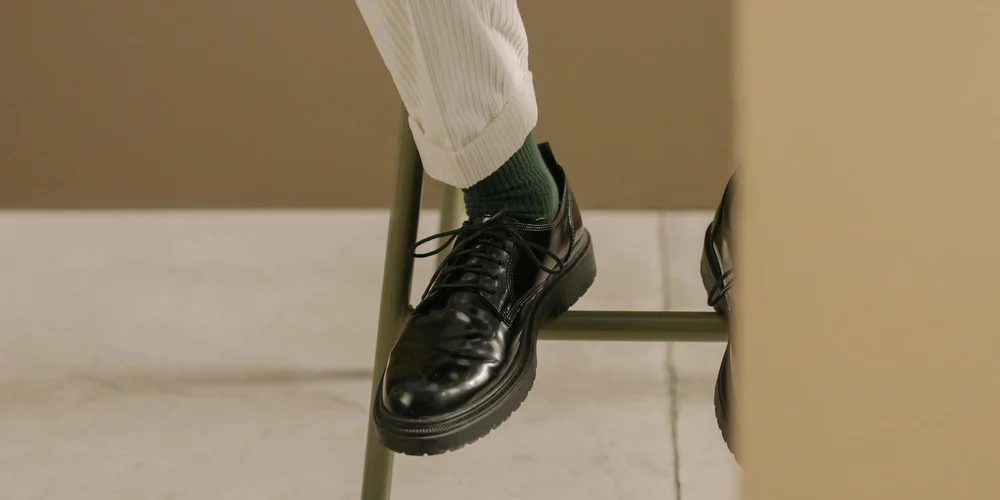
Each piece has its own needs. The right care for a boot is different from a glove. Let’s go through them one at a time.
How to Clean Leather Shoes Without a Machine
You might search “can I wash leather shoes in a washing machine” when they’re caked in mud or winter salt. The machine’s spin cycle can ruin the sole glue and weaken the entire structure. The safe way takes a few more minutes but saves the shoes.
Start by brushing off dry dirt with a soft brush. For salt stains or mud, mix a small amount of neutral leather cleaner with water. Dampen a cloth, don’t soak it. Gently wipe the leather, focusing on stained areas, especially salt stains on leather boots.
For scuffs, a tiny dab of conditioner rubbed into the mark often makes it blend right into the patina. After cleaning, let them air dry at room temperature. Always use a shoe tree. It holds the shape perfectly and absorbs moisture from the inside.
Refreshing a Leather Jacket or Coat
A jacket like my calfskin June picks up life at the collar and cuffs. “Machine wash leather jacket” is a risky thought, as the inner liner can shrink dramatically and the leather itself may distort beyond repair.
Spot cleaning is your best method. Use a cleaner for the leather and a different, gentle method for any fabric liner. Pay special attention to the neckline and sleeve ends. After any damp cleaning, dry it flat on a table.
Drying flat prevents those odd shoulder bumps that happen on a hanger and helps the jacket keep its original drape. Once fully dry, a light conditioning keeps the leather supple.
What to Do with Dirty Leather Gloves
Gloves are the most delicate. They are thin, tightly stitched, and molded to your hand. “Machine wash leather gloves” almost guarantees a stiff, shrunken result.
Your only move is careful spot cleaning. Use a barely-damp cloth with a touch of mild soap. Gently dab at the soiled area, avoiding the stitching. Let them dry naturally, and once dry, flex the fingers softly to restore pliability.
Think of glove leather like a delicate skin; it needs a gentle touch, not a storm. For ingrained dirt, sometimes it’s part of the item’s honest character, like the wear on a well-used saddle.
Keeping Your Leather Looking Its Best for Years
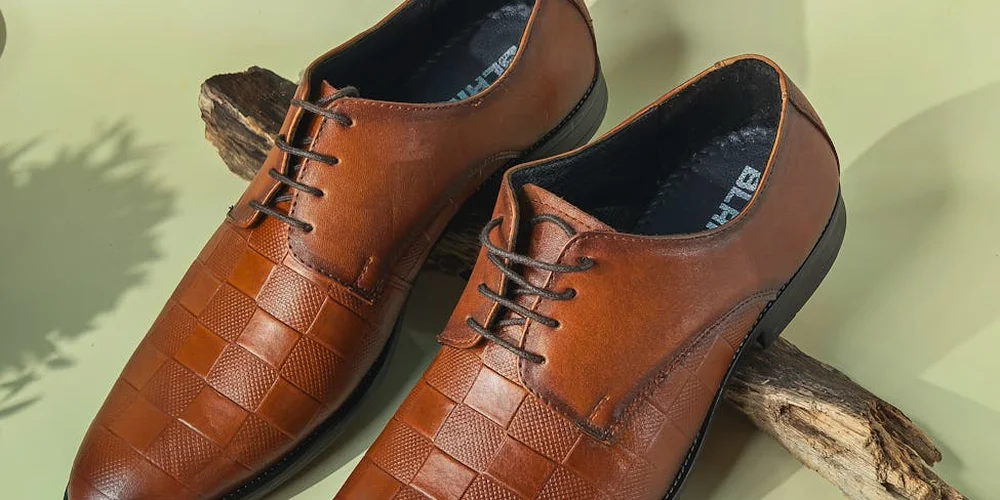
Good care is more about prevention than rescue. A simple routine makes deep cleans rare and keeps your items ready for anything.
After cleaning and conditioning, consider a leather protector spray. It does not make anything waterproof, but it creates a barrier. This helps repel light rain and gives you moments to wipe away a spill before it soaks in.
Conditioning should be a regular habit, not just a reaction to dryness. A thin coat of conditioner every few months builds a resilient, rich patina that protects from within, just like the deep chestnut glow on Mason the saddle. It keeps the fibers nourished and less prone to cracking.
Storage is the final step. Never use plastic bags; they trap moisture and promote mold. Use breathable cloth bags instead. Keep your leather in a cool, dry place away from direct heat or sun. This simple practice adds years of life.
Quick Answers
What if the care tag actually says “machine washable”?
Follow the tag’s instructions, but understand you are washing a plastic or polymer coating, not the leather itself. Turn the item inside out, use a cold, gentle cycle, and always air dry flat—never use heat. This method helps protect the jacket’s finish during cleaning. For a complete guide on washing a synthetic leather jacket without damaging it, refer to our care guide.
How do I clean thin leather gloves without ruining them?
Use a barely-damp cloth with a drop of mild, pH-neutral soap for spot cleaning only. This kind of care helps keep lambskin soft and prevent damage. Let them air dry naturally, then gently flex the leather to restore softness.
Can I use vinegar or baking soda as a DIY leather cleaner?
No. These household products are too acidic or abrasive and will strip or damage the leather’s natural oils. Always use a cleaner formulated specifically for leather, especially when it comes to sensitive areas like the DIY methods involving vinegar or alcohol.
What’s the one thing I should do after my leather gets soaked in the rain?
Let it air dry slowly at room temperature, away from direct heat. Once completely dry, condition it thoroughly to replace the lost oils and prevent stiffness.
Caring for Your Leather the Right Way
Never machine wash leather; the heat, agitation, and chemicals break down its natural structure beyond repair. For leather boots and shoes, determining the best cleaning methods for leather boots to preserve their finish is essential. Clean your shoes and garments by hand with gentle products, just as I do with pieces like Mason the saddle or Scout the wallet, to preserve their integrity and patina.
Responsible leather care respects the material’s origin and supports sustainability by extending the life of your goods. Building simple maintenance skills, like proper conditioning and spot cleaning, turns care into a craft that honors both the animal and the artisan.
Sources and Additional Information
- What happens if you machine wash leather? – Quora
- Machine washing leather shoes (experiment)
- r/leatherjacket on Reddit: cleaning leather in washing machine ?
- Machine wash a leather jacket? Oh yes you can. | Edit by Design
- Washing leather jackets | The Fedora Lounge
Harriet is a avid collector of leather goods such as purses, bags, seat covers, etc and has an extensive background in leather care, recovery, stain removal and restoration. She has worked for a number of years perfecting her leather care techniques and knows the ins and outs of restoring all kinds and types of leather products. With her first hand knowledge in leather care, you can not go wrong listening to her advice.
Boot and Shoe Care