How Can You Identify the Brand of Your Leather or Suede Footwear?
Published on: April 18, 2026 | Last Updated: April 18, 2026
Written By: Harriet Nicholson
Hello Tannery Talk. You have a favorite pair of shoes or boots, but the brand name is a mystery, making it hard to find care advice or a replacement.
Let me show you where to look. We will cover inspecting logos and labels, examining stitching and construction, finding hidden codes or numbers, and tapping into online communities.
From tracing the origins of a scuffed boot like Mason to identifying a jacket like June, I use these steps daily in my workshop.
Start with a Careful Hands-On Inspection
Identifying a brand is like detective work. You begin with a gentle, thorough look-over. Treat the shoes like my old saddle Mason. You’re not just looking, you’re feeling and listening to the story the leather tells. That same careful eye helps me identify different types of leather and determine if my item is genuine. You’re not just looking, you’re testing the material—the grain, the feel, and the finish—to separate real leather from fakes.
Find a spot with good, natural light. Turn the shoe in your hands. Feel the surface with your fingertips. You’re searching for clues hidden in plain sight.
The most revealing information is often stamped, embossed, or printed directly onto the leather or sole.
Check these key spots, in this order:
- The Tongue: Flip it all the way out. Look at the backside and the front, near the top. Run your thumb over the surface. An embossed logo often feels like a smooth, sunken area in the leather.
- The Insole: Peer inside the shoe. Look for any gold or silver foil stamping, which can fade over time. Printed text here often includes the brand and model name, like finding “Dr. Martens 1460” on the footbed.
- Side Panels & Heel Counter: Examine the back of the heel (the counter) and the outer sides. Some brands emboss their logo discreetly into the leather’s surface grain.
- Sole Edges: Look at the side of the thick midsole or outsole. Brands like Red Wing or Viberg often stamp their name and the shoe size directly into the rubber or leather welt.
Faded print can be tricky. Tilt the shoe so light glances across the surface at a shallow angle. Shadows in the tiny indentations of faded ink can make the letters visible again. Model names, like a specific boot or loafer style, are commonly found in these areas alongside the brand.
Read the Tags, Labels, and Any Stamped Information
If the direct inspection doesn’t reveal the secret, the built-in labels will. This is where manufacturers leave their formal introduction.
Start with any sewn-in fabric tag or printed leather label along the inside collar or on the tongue’s face. This is the primary source of information.
A complete label typically holds a map: the brand name, the specific model, the size, where it was made, and what it’s made of.
Here’s what you’re looking for and what it means:
- Brand & Model: This is your goal. It might appear as “Clarks Desert Boot” or “a emery louis suede clogs”. The model name is your key for searching online for care instructions.
- Country of Origin: This can hint at construction quality. Phrases like “Goodyear Welted” alongside “Made in England” or “Made in Italy” point to a specific, durable build method.
- Material Codes: Look for phrases like “Genuine Leather” or “Suede.” A code like “Leather Upper / Synthetic Lining” tells you exactly what materials you’ll be caring for.
- Care Symbols: Those little icons of brushes and triangles are not just for washing. They tell you the brand’s recommended care method. A circle with a letter inside (P, F) indicates professional cleaning only, common on finer suedes.
Tags wear out. If a fabric tag is frayed or missing, check the very top of the heel lining, tucked behind where your Achilles tendon rests. Brands often stamp or place a secondary label there.
For completely missing tags, the composition label sewn into the side lining is your last resort. It lists the materials, and sometimes a style or factory code remains. Searching that code online can sometimes lead you back to the brand.
Examine the Sole for Telling Marks and Patterns
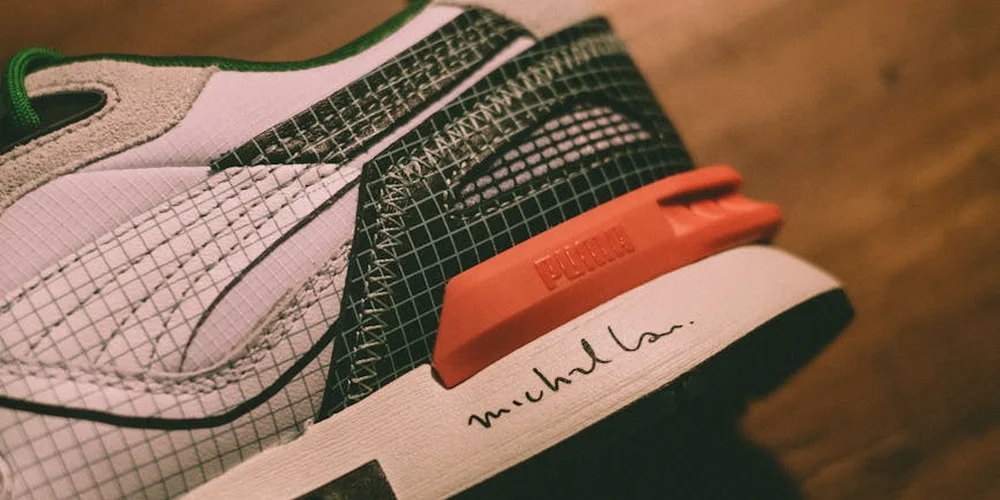
Turn your shoe or boot over. The sole is your best starting point. Brands often leave their signature here, just like an artist signing a painting.
Look for a stamped or embossed logo, a brand name, or even a distinctive symbol. Sometimes it’s subtle and worn, so good light helps. The tread pattern is another big clue. A deep, aggressive lug sole points towards work boots or hiking brands. A smooth, flat rubber sole often belongs to a casual shoe or sneaker. A thin leather sole with a stacked heel is classic for dress shoes or heritage boots.
Think of the sole as the shoe’s personality-a rugged lug sole tells a different story than a sleek leather one.
Clean the sole gently with a damp cloth first. Dirt and grime can hide vital details. For my old saddle Mason, the worn stamp on his leather sole was the final clue to his English maker. Understanding the best cleaning methods for leather boots and shoes can help preserve their finish over time. The right approach keeps leather looking its best while protecting its natural patina.
Common Codes Found on Soles
After looking for logos, search for alphanumeric codes. These are often stamped near the arch or heel.
- Model numbers like “8111” or “1460”.
- Serial codes mixing letters and numbers.
- Size and width information (e.g., “10 D US”).
- Country of origin (“Made in Italy”, “England”).
- Abbreviations for materials, like “NR” for natural rubber.
Any sequence of letters and numbers is a potential key for your online search, so write it down exactly as you see it.
Do not ignore small, faint stamps. On my jacket June, the care instructions were almost invisible near a seam. Patience is part of the craft.
Use the Details You Find for an Online Search
Now, take your clues to the internet. Be a detective.
Start with a general search engine. Type in the exact phrases you found. If you see “Goodyear Welt” and a code like “BH-902”, search that whole phrase. Combine it with descriptive words: “brown leather boot Goodyear Welt BH-902”.
Next, use the image search function. Upload a clear photo of the sole’s logo or unique tread pattern. The internet is full of enthusiasts who recognize these details instantly.
Check online marketplaces and brand archive sites. Even if you don’t want to sell, these sites catalogue thousands of models. Your code might pull up an old listing with the brand name clearly stated.
Leather care and enthusiast forums are treasure troves of shared knowledge. Describe your find clearly, post your photos, and ask for help. Communities dedicated to specific styles, like heritage workwear or vintage footwear, are especially helpful.
For truly obscure or vintage items, social media platforms with dedicated groups can connect you with experts. A clear photo and an honest question like, “Can anyone ID these suede desert boots?” often gets results.
Remember, identifying a brand is the first step to caring for it properly. Knowing whether you have veg-tan calfskin or oil-tanned roughout tells you how to clean and condition it. This care is what gives pieces like my wallet Scout their long, dependable life. A quick look at vegetable-tanned vs chrome-tanned leather connects care to sustainability.
Why Knowing the Brand Makes Care Easier

Finding the brand of your shoes isn’t just about a name. It’s about getting the right care for them. Think of it like finding a doctor who knows your medical history. That knowledge helps you choose the right products and the right repair person. This saves you time and prevents damage.
But here’s the good part. You don’t need the brand to start caring for your boots. General leather care works for almost everything. Treat your footwear well, and it will last for years. My saddle, Mason, doesn’t have a fancy tag, but with consistent care, he’s still going strong. Whether you’re dealing with high-end or everyday leather, using the best leather care and polishing techniques can make all the difference.
Finding the Right Care Products
Different brands often use specific types of leather or tanning methods. Knowing the brand can point you to their recommended care kit. This is especially true for delicate materials like the suede on a pair of loafers or a nubuck hiking boot. The chemistry of tanning can change how a finish wears. That means your care choices affect durability.
A simple rule: the material often matters more than the brand name for choosing your cleaner or conditioner.
Let’s look at two common scenarios:
- Suede or Nubuck: These have a soft, brushed surface. Using a standard leather conditioner will ruin that texture, making it stiff and shiny. You need a specialized suede cleaner and a soft-bristled brush.
- Full-Grain or Pull-Up Leather: This is the tough, durable stuff on work boots and many leather shoes. These leathers love conditioners with natural oils and waxes. The conditioner soaks in, keeping the leather flexible and strong.
If you know your shoe’s brand, check their website for care advice. If you don’t, look at the leather itself. Is it smooth and shiny? Is it soft and fuzzy? Your care routine starts with that observation, especially when dealing with soft leather types that require specific maintenance.
Seeking Professional Repair
A known brand makes a cobbler’s job easier. They often recognize the construction method. For example, some brands are known for Goodyear welting, which is a specific way of attaching the sole. A cobbler familiar with that method can resole it perfectly, keeping the shoe’s original feel and balance.
Think about my jacket, June. I knew it was a specific type of calfskin, which helped my repair person match the stitching and patching technique. The result was seamless.
When you bring a well-known brand to a skilled cobbler, they understand the shoe’s “anatomy” faster, leading to a better, longer-lasting repair.
Without a brand, you can still get a great repair. Be ready to describe the shoe in detail, especially the material like suede or nubuck. Tell the cobbler how it’s constructed (if you can see stitching around the sole), what you use it for, and what you love about it. A good cobbler will work with what’s in front of them.
Common Questions
What if there’s absolutely no branding or tags left?
Focus on the construction and leather type for care. A reputable cobbler can often identify the build method, which tells you how to maintain and repair it properly. General methods for caring and treating leather items provide a baseline for routine upkeep. They help you decide which steps suit different leathers.
Can the way the leather feels or smells help identify it?
Not for the brand, but it’s crucial for care. A rich, organic smell often indicates quality vegetable-tanned leather, which requires specific conditioners, while a uniform plasticky feel suggests a coated finish.
I found a model number online, but no care instructions. Now what?
Match the material to a maintenance routine, not just the model. Search using the material description from the label (e.g., “oil-tanned nubuck care”) instead of the model number alone.
Does a higher price tag always mean better leather?
Not always, but it usually indicates better construction, which is what you’re really preserving. Focus your care on protecting that construction-like a Goodyear welt-to extend the footwear’s life significantly.
Putting a Name to Your Leather
When you are looking for that brand name, start with a slow, careful inspection of every seam, sole, and hidden panel. Finding that maker’s mark is your first, best step toward understanding your footwear’s story and its specific needs.
Once you know its origin, you can care for it with intention, choosing conditioners and methods that honor the leather and its craft. I treat my own pieces, like Mason’s saddle or June’s jacket, with this same respect-it builds a deeper skill in leather care and supports the longevity of well-made goods. Understanding patina—the way leather changes with time, use, and care—adds a story to every piece. This evolution helps define the character of fine leather goods.
References & External Links
- How To Identify Genuine Leather Shoes: Your Ultimate Guide To Authenti – Black Tulip
- Leather Boots Buying Guide: How to Identify Different Leather Types – HELM Boots
- Leather Footwear – Drakes US
- The Essential Guide to Types of Leather for Shoes
- Types Of Shoe Leather Guide | The Noble Shoe
Harriet is a avid collector of leather goods such as purses, bags, seat covers, etc and has an extensive background in leather care, recovery, stain removal and restoration. She has worked for a number of years perfecting her leather care techniques and knows the ins and outs of restoring all kinds and types of leather products. With her first hand knowledge in leather care, you can not go wrong listening to her advice.
Boot and Shoe Care