How Do You Smooth Wrinkles and Creases from Leather and Faux Leather?
Published on: April 4, 2026 | Last Updated: April 4, 2026
Written By: Harriet Nicholson
Hello Tannery Talk. Those wrinkles on your jacket or bag might look permanent, but I can tell you from my workbench that most creases can be softened away with some know how.
We will cover the crucial first step of identifying your material, safe heat techniques for each type, why conditioner is non negotiable for real leather, and simple habits to keep wrinkles at bay.
I have restored countless leather goods, from daily drivers like my wallet Scout to heirlooms, learning which methods truly work without causing harm.
First, Know Your Leather: The Critical Difference
Before you touch a single product, you must know what you’re working with. This is not a suggestion. It’s a rule. Using a method meant for real leather on a faux or fake leather can permanently melt, crack, or discolor it. The repair would be impossible.
Your first tests are simple. Use your eyes and hands. Real leather has a unique, irregular grain pattern-no two spots look exactly alike. Faux leather grain is perfectly uniform, stamped by a machine. Next, take a gentle sniff. Real leather has a rich, earthy, organic smell. Faux leather often smells like plastic or chemicals. Finally, check the backing. Real leather’s underside looks fibrous, like suede. Faux leather backing is usually a knit fabric or a solid plastic sheet. For a deeper look at telling real leather from fake leather, see our full guide. It covers these tests and more tips.
Think of it this way: caring for real leather is like caring for living skin; it needs moisture and gentle cleaning. Caring for faux leather is like caring for a laminated photograph; you’re maintaining a plastic coating over a paper base.
Is It Real or Faux? A Quick Hands-On Guide
If you’re still unsure, try these safe, non-destructive checks. Do not use water or heat here. You’re just gathering clues.
- Examine an edge or seam. Can you see the rough, fibrous core of the material? That’s a strong sign of real leather. A clean, layered edge points to faux.
- Feel the temperature. Place your palm on it for a moment. Real leather often feels cool at first, then warms to your touch. Faux leather and some coated leathers may stay closer to room temperature.
- Check the pores. Look very closely at the surface. Do the tiny pores look perfectly identical and repeat in a pattern? That’s faux. Natural pores are random in size and placement.
When in doubt, treat the material as the more delicate option-faux. You can always apply a real leather method later, but you can’t undo damage from high heat or strong chemicals. With faux leather, regular gentle cleaning helps keep it looking new and prevents cracking. Proper care will extend its life.
Why Wrinkles Happen: A Simple Explanation
Wrinkles and creases are not a sign of failure. They are a natural record of use. Your goal isn’t to create a perfectly smooth, factory-new surface, but to relax the material and restore its shape gently.
For real leather, wrinkles form when the collagen fibers inside compress and the natural oils dry out. Imagine a stiff piece of paper that’s been crumpled. The fibers are bent and lack flexibility. My jacket, June, has light creases at the elbows from years of wear. They add character, but I keep them soft so they don’t turn into deep, dry cracks.
For faux leather, wrinkles happen because the thin plastic or PVC top layer bends, and the fabric backing beneath it creases and folds. It’s similar to a vinyl tablecloth that gets a permanent fold line after being stored. The plastic layer doesn’t breathe or absorb conditioners, so the crease is purely physical.
Understanding this tells you your strategy when stretching leather or faux leather. With real leather, you add moisture and gentle heat to relax the fibers. With faux leather, you use controlled heat and pressure to smooth the plastic layer without melting it.
Your Gentle Start: Methods Safe for Both Materials

Before you consider any heat or moisture, try this. These techniques work on real leather jackets, faux leather bags, and everything in between. They ask for your patience, not your strength. Think of it as gentle persuasion for your gear.
The Weight and Time Method
This is the safest trick I know. It’s how I ease light travel creases from a tote bag or smooth a wrinkled section on a sofa cushion.
- Find a clean, flat surface like a table or floor.
- Lay your item flat and use your hands to smooth the wrinkles outward from the center.
- Place a clean, dry towel over the area you want to flatten. This acts as a buffer.
- Put flat, heavy objects on top. Textbooks, large binders, or a tray with weights work well.
- Walk away. Let the weight do its job for at least 24 to 48 hours.
This method carries zero risk of heat damage or drying out the material, making it the perfect first attempt for any piece. Check the progress after a day. For deep, stubborn creases, you might need a full week under weight.
Proper Stuffing for Bags and Jackets
Wrinkles love to set in when leather or faux leather is stored collapsed. The fibers have a memory. Your job is to give them a better shape to remember.
For bags, never store them empty. For jackets, never leave them on a skinny wire hanger. Instead, use stuffing to support the full, natural shape.
- Use acid-free tissue paper or clean, soft towels. Avoid newspaper, as the ink can transfer.
- Gently fill the arms of a jacket and the body. You want it to look like it’s being worn, not overstuffed like a scarecrow.
- For a handbag, fill the main compartment first to smooth the base and sides, then lightly fill any exterior pockets.
- Store the item in a cool, dry place away from direct sunlight while it’s stuffed.
Consistent, proper stuffing is the easiest way to prevent deep-set wrinkles from forming in the first place. My leather jacket, June, lives on a wide, padded hanger with her sleeves lightly stuffed. It keeps her shoulders smooth and her drape perfect.
How to Get Wrinkles Out of Real Leather: Heat, Moisture, and Care
Real leather is skin. Just like your skin, it responds to gentle warmth and hydration. This is where you need to shift from simple pressure to careful coaxing. Think of how you soften a stiff baseball glove. If you’re wondering how do you get wrinkles out of a leather coat, this is your roadmap.
The Steaming Method (Your Best Bet)
Steam is my go-to for real leather. It adds gentle moisture and heat without direct contact. I use this method on Mason, my old saddle, to soften stiff areas after a long winter in storage.
- Use a garment steamer or a kettle of boiling water. For the kettle, let the steam billow in a safe, controlled area.
- Hold the steamer nozzle or the item itself at least 6 to 8 inches away from the leather surface. Never let it touch.
- Pass the steam over the wrinkled area for just a few seconds at a time. You want to warm and slightly humidify the fibers, not saturate them.
- While the leather is still warm and pliable from the steam, use your hands to gently stretch and smooth the wrinkle outward. Work slowly.
- Let the item air dry completely at room temperature, away from heat sources. Then, you must condition it.
The immediate follow-up with hand-stretching is critical; it reshapes the softened fibers before they cool and set again.
Using an Iron on Real Leather: A Delicate Operation
I only suggest this for severe, stubborn creases on thick, durable leather when nothing else works. The risk of scorching or creating a shiny, burnt spot is high.
If you proceed, treat it like defusing a bomb. Go slow.
- Set your iron to the absolute lowest heat setting (often “Synthetic” or “Nylon”). No steam function.
- Use a protective buffer. A damp, thick cotton cloth (like a tea towel) folded over twice is essential. The leather must never see the iron’s soleplate.
- Place the damp cloth over the wrinkled area. Keep the iron moving in small, constant circles. Do not press down hard or hold it in one spot.
- Lift the cloth frequently to check the leather’s progress. You are looking for it to become warm and pliable, not hot.
- Again, while warm, gently stretch and smooth the area with your hands.
This is a last-resort technique, and skipping the conditioning step after will almost certainly leave the leather dry and brittle.
The Role of Leather Conditioner in Wrinkle Removal
Any process involving heat, even gentle steam, pulls natural oils to the surface of the leather. If you don’t replace those oils, the leather will dry out, become stiff, and those wrinkles will come right back. Conditioning isn’t the final touch, it’s the seal on the deal. The science behind conditioning oils and how waxes penetrate the hide explains why this step matters. By forming a protective, flexible inner layer, these ingredients help lock in moisture and guard against drying and cracking.
After your item has completely cooled and dried from any steam or iron treatment, apply a quality leather conditioner. This ties into the broader question of the best general methods for caring for leather items. These methods guide your care choices.
- Use a clean, soft cloth to apply a thin, even coat over the entire treated area, not just the wrinkle.
- Massage it in with gentle, circular motions. Let it absorb fully. This replenishes the oils, softens the fiber structure, and locks in the new, relaxed shape.
- Buff off any excess with a dry cloth.
Regular conditioning keeps leather supple and resilient, preventing deep creases from setting in the first place. My veg-tan wallet, Scout, gets a light conditioning every few months. It keeps the leather from drying and cracking at the fold lines, maintaining that soft, dependable handfeel.
How to Get Wrinkles Out of Faux Leather: Caution with Heat
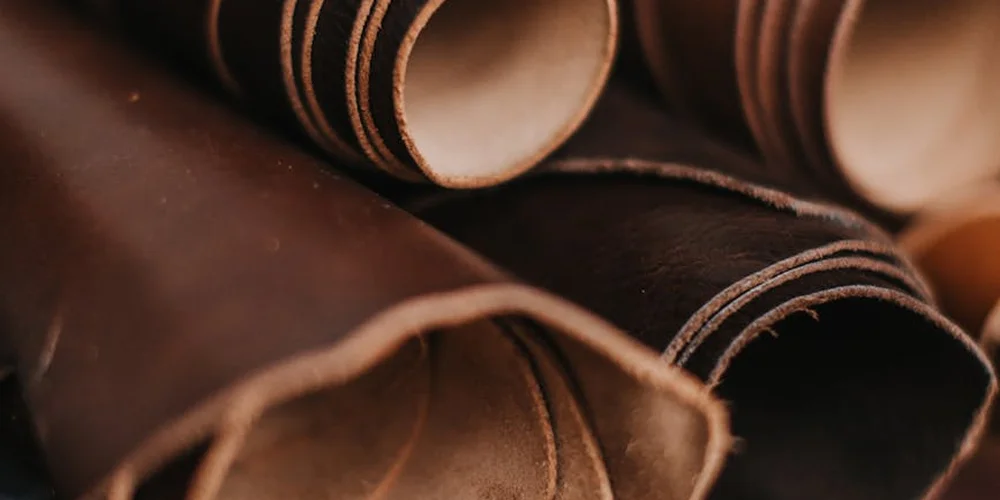
Working with faux leather is a different game. Real leather is a skin, but faux leather is a fabric with a plastic coating. Heat is your tool, but it’s also the enemy. Your goal isn’t to “iron out” a crease, but to gently warm the material so it relaxes back into shape. Too much heat will melt the coating or cause it to bubble and separate from the fabric underneath.
People often ask, ‘Does faux leather ruin with heat?’ and ‘Should I iron faux leather?’. The short answer is yes, it ruins easily, and no, you should not use an iron. Direct, concentrated heat is a recipe for permanent damage. We use a much gentler approach when carefully steaming faux leather instead of ironing.
Using a Hair Dryer on Low Heat
This is the safest heat method for faux leather. You are applying wide, gentle warmth. Here is how I do it safely.
- Set your hair dryer to its lowest heat and medium fan speed.
- Hold the dryer at least 6 to 8 inches away from the material. Never let it get closer.
- Keep the dryer moving in slow, steady sweeps over the wrinkled area. Never pause or focus the heat on one spot.
- With your free hand, gently smooth and stretch the material flat as it warms. You will feel it become more pliable.
- Let the piece cool completely while held flat. The wrinkle should be significantly reduced.
Concentrating heat in one spot is the most common mistake, and it will cause the plastic coating to bubble, melt, or become shiny and damaged forever. Patience and constant motion are your best tools here.
Can You Steam or Iron Faux Leather?
I advise against both methods, but for different reasons. Steam from a garment steamer held a foot away *might* relax a light wrinkle. The risk is high, though. That moisture and heat can seep between the plastic layer and the fabric base, causing de-lamination. The layers peel apart.
Using an iron, even with a pressing cloth, is a firm no. An iron’s heat is too direct and intense. The temperature is hard to control consistently, and that plastic coating can melt or stick to the cloth in an instant. I’ve seen it happen. The damage is immediate and unfixable.
Preventing Wrinkles Before They Start
The best way to deal with a wrinkle is to stop it from forming. Proactive care saves you from tricky repairs later. This is about how you store and use your items every day.
Storing Jackets and Bags the Right Way
How you put something away determines how you’ll find it. For my leather jacket June, I always use a wide, padded hanger. It supports the shoulders and keeps the drape natural. Wire hangers create sharp, unnatural folds.
For bags, never hang them by the straps for long periods. This stretches the leather and creates deep, set creases at the attachment points. Instead, stuff them. Use clean, plain paper or a couple of soft towels to fill the bag’s natural shape, which supports the walls and prevents collapse and creasing. Then store it upright on a shelf.
Always store leather and faux leather in breathable cotton storage bags, never in plastic, which can trap moisture and cause mildew or unnatural softening of coatings.
Caring for Leather Furniture
Furniture gets compression wrinkles from constant sitting. You can prevent deep, permanent creases. First, keep the hide supple. I clean and condition my sofa every six months with a pH-balanced leather conditioner. This isn’t just cleaning, it’s replenishing the natural oils that keep the leather flexible and resistant to cracking. Proper maintenance helps keep leather couches and sofas in good condition. It can extend their lifespan.
Next, rotate your cushions if you can. Swap them from left to right, or flip them over. This ensures wear and compression are even. Finally, use a decorative throw or blanket in the spot where people always sit. It’s a simple barrier that takes the direct pressure, saving your leather from permanent body-shaped impressions.
When Wrinkles Become Character: Embracing Patina
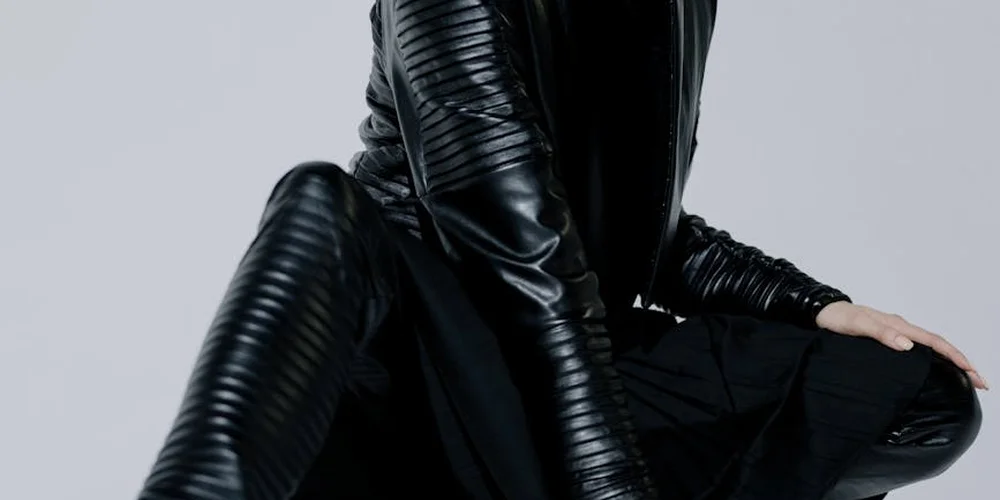
Not every line needs to be removed. Some tell a story. The key is knowing which ones to smooth and which ones to celebrate.
Sharp, deep folds often come from poor storage-like a leather bag crammed in a closet for a year. These creases can crack because the leather is bent and stressed in an unnatural way. The soft grain creases that form from gentle, repeated use are different. Think of the way my jacket, June, creases at the elbows. Those lines are supple and follow the natural motion of the garment. They show a life well-lived.
Your goal is to maintain the leather’s health and beauty, not to chase an impossible standard of perfection.
How to Care for the Character Lines
For those soft, earned creases, your job isn’t removal, it’s maintenance. Healthy, conditioned leather will age gracefully, letting those lines become a rich patina instead of weak points.
- Clean Gently: Use a soft, damp cloth and a drop of pH-balanced leather cleaner. Wipe the entire surface to remove dirt that can grind into creases and cause wear. Let it dry completely.
- Condition Thoughtfully: Apply a light, even coat of leather conditioner or cream with your fingertips. Massage it into the creased areas with a gentle, circular motion. This keeps the fibers supple and prevents drying and cracking.
- Let it Breathe: Allow the conditioner to absorb fully for at least a few hours, or overnight. There’s no need to buff aggressively. A gentle pass with a dry, soft cloth is enough.
This simple routine, done once or twice a year, makes all the difference. It’s what keeps June’s creases looking like a feature, not a flaw.
Common Mistakes to Avoid
- Over-Conditioning: More is not better. Soggy, over-oiled leather attracts dirt and can weaken. A thin, even coat is the goal.
- Using Heat: Never use a hair dryer, clothes steamer, or iron directly on leather. Intense, dry heat will bake the natural oils right out, making the material brittle and prone to permanent damage.
- Fighting Nature: Trying to aggressively stretch or press out every single natural grain break will only stress the leather. Work with the material, not against it.
Some creases, especially in real leather, are memories pressed into the hide. They are the map of your adventures, the imprint of your daily life. A perfectly smooth surface can be beautiful, but so is a piece that quietly tells its own story through a soft, well-cared-for patina.
Common Questions
Are some wrinkles in leather permanent?
Yes, deep compression creases from years of poor storage or sharp folds can become permanent features. Focus on keeping those areas conditioned and supple to prevent them from cracking, as removal may not be possible.
Can I use a steamer on faux leather like I do on real leather?
No, you should not. The heat and moisture can seep behind the plastic coating, causing it to separate from the fabric base-a ruinous delamination. For faux leather, stick to indirect, dry heat like a hair dryer on low.
How long should I wait to condition leather after using heat?
Wait until the leather has cooled completely and returned to room temperature, which usually takes a few hours. Applying conditioner to warm leather can interfere with proper absorption and drying. When planning your care, you may wonder which to use and when—leather conditioner versus leather oil. The right choice depends on the leather type and how it’s used.
Once I smooth the wrinkles out of my jacket, how do I keep them from coming back?
Always store it on a wide, padded hanger with the sleeves lightly stuffed to maintain its shape. Consistent, light conditioning every 6-12 months will keep the fibers flexible and resistant to deep creasing.
Is it ever safe to iron faux leather?
I do not recommend it. The direct, concentrated heat of an iron is too intense and unpredictable, posing a high risk of melting or scorching the plastic surface instantly. The potential for permanent damage far outweighs any benefit.
Caring for Your Leather, Wrinkles and All
The best fix for a wrinkle starts long before it forms. Regular conditioning keeps leather supple, while a careful hand with gentle heat and moisture can smooth out what time has pressed in.
Every piece you care for properly is one less item needing replacement. I think of giving Mason his annual oiling or brushing down June after a rainy walk not as chores, but as small investments in a longer, more useful life for things that matter.
Research and Related Sources
- How To Get Wrinkles Out of Leather – Von Baer
- How To Get Wrinkles Out of Leather: 5 Methods | Andar
- How to smooth out wrinkles in faux leather – Quora
- 4 Ways to Get Wrinkles Out of Leather – wikiHow
Harriet is a avid collector of leather goods such as purses, bags, seat covers, etc and has an extensive background in leather care, recovery, stain removal and restoration. She has worked for a number of years perfecting her leather care techniques and knows the ins and outs of restoring all kinds and types of leather products. With her first hand knowledge in leather care, you can not go wrong listening to her advice.
Bonded and Faux Leather Care