How to Identify and Date Vintage Leather: A Practical Guide
Published on: September 14, 2026 | Last Updated: September 14, 2026
Written By: Harriet Nicholson
Hello Tannery Talk. You’ve found a leather piece with character, but is its age a mystery or a mark of quality? I’m here to help you read its story.
We will cover feeling the leather’s hand, inspecting stitch work, finding maker’s marks, and understanding how patina forms over time.
With years spent conditioning and repairing goods like my own well-worn saddle, Mason, I share advice straight from the bench.
What Exactly is Vintage Leather?
Let’s clear this up simply. Think of leather by its age and its story.
Modern leather is anything made recently, often with speed and uniformity in mind. Antique leather is typically over 100 years old, a true historical artifact. Vintage leather sits beautifully in the middle-generally between 20 and 100 years old. It’s old enough to show a life lived, but not so old it feels like a museum piece. In this vintage range, restoration hinges on identifying age-appropriate repair techniques. Doing so preserves patina and value.
True vintage leather has a character you can’t fake. Its color isn’t flat. It has a deep, rich patina-a glow that comes from decades of oils from your hands, gentle friction from use, and exposure to light. The scent is distinct. Forget strong chemical smells. Think of a warm, woody, almost sweet aroma, like old books or a well-used tack room. That’s the ghost of vegetable tannins like oak or chestnut. Identifying genuine leather involves looking for these subtle signs.
The handfeel is the real giveaway. It’s soft and supple, but with a substantial, dense quality underneath. It has give, not flimsiness. My old English saddle, Mason, is a perfect example. His deep chestnut surface has darkened at the pommel from years of reins and light. The grain is pebbled and unique, not sanded away. He’s not worn out; he’s worn in. That’s earned aging.
When you choose a vintage piece, you’re also choosing sustainability. You’re giving a hide a second life, honoring the animal’s purpose long after its initial use. You become part of its ongoing history.
Your Hands-On Inspection: Feel and Sight Tests
Put the item on a clean table. Good light is your best friend here. Your inspection starts with your hands.
The Feel Test: Grain and Substance
Close your eyes and run your fingertips slowly across the surface. You are feeling for the story in the grain, the natural topography of the hide.
- Vintage, full-grain leather will have natural markings. You might feel tiny pores, subtle scars, or variations in the texture. It feels alive and organic.
- Modern, corrected leather often feels perfectly smooth, even plastic-like, because its top layer has been sanded and coated. It’s the difference between your favorite worn-in denim jeans and a stiff, new pair right off the shelf.
- Check the edges. Thick, rough, unfinished edges that might feel almost fuzzy can indicate vegetable-tanned leather, common in older, quality goods.
A common mistake is thinking softness means weakness. High-quality vintage leather is supple but strong. If it feels powdery, dry, or cracks under gentle pressure, that’s deterioration, not age. Understanding the science of leather aging explains why it cracks and how to combat it. Moisture, oils, and environmental factors drive the process, so proper care helps keep leather resilient.
The Sight Test: Patina and Stitching
Now, look closely. Patina is not dirt. It’s a luminous, uneven darkening of the color.
- Look for high-contact areas: bag handles, jacket cuffs, chair arms. The color here should be richer and darker.
- Check for color variation. Factory dye is uniform. Sun and use create a gradient, a depth of color that looks painted by time.
- Examine stitching. Thread on very old pieces may be linen or cotton, not polyester. Look for slight unevenness in the stitch length-a sign of human hands, not a perfect machine. Faded or worn thread is normal.
- Use a magnifying glass if you have one. Look for a fine surface cracking called crazing. A tiny, spider-web pattern can be acceptable patina. Deep, open cracks are damage.
Authentic patina develops where the leather naturally bends and is touched, creating a map of its history. Understanding how patina deepens with time, use, and care reveals the character of fine leather goods. With thoughtful care, you can nurture this evolving story while preserving the material’s integrity.
The Sniff Test: A Story in the Scent
Bring the leather close and take a gentle breath. Trust your nose.
- A pleasant, earthy, almost sweet smell suggests traditional vegetable tanning. It might remind you of hay, wood, or tobacco.
- A sharp, chemical, or sour odor can point to cheaper chrome tanning or, worse, mold and rot that need addressing.
- Old leather may also carry the faint, clean scent of previous care-saddle soap or waxes. That’s a good sign of a cared-for piece.
If the smell is off-putting, don’t panic. Surface mold can often be gently brushed away outdoors before cleaning and treating the leather properly. A strong chemical smell may fade with time and airing out. For any piece, a gentle clean with a pH-balanced leather cleaner and a light conditioning with a quality product will help preserve it for its next chapter.
How to Find Hidden Dates and Maker’s Marks
Think of an old leather piece like a friend with stories. The maker left clues to its origin, often in quiet, protected places. You just need to know where to ask.
Your first task is a gentle, systematic search with your hands and eyes. Start in the main compartment. Run your fingers along the seams of interior pockets, feeling for any raised or embossed patches of leather. Check behind any interior leather tags. Carefully lift the very edges of fabric linings to peek underneath-sometimes a stamp is hidden there. Do not pull or force the lining.
Hardware holds secrets. Look at the back of buckles, clasps, and especially the flat back of any metal name plaques. A date, logo, or “Made In” statement is often stamped here in tiny letters.
Common Hiding Spots by Item Type
Different items have different personalities and places to tuck away their history.
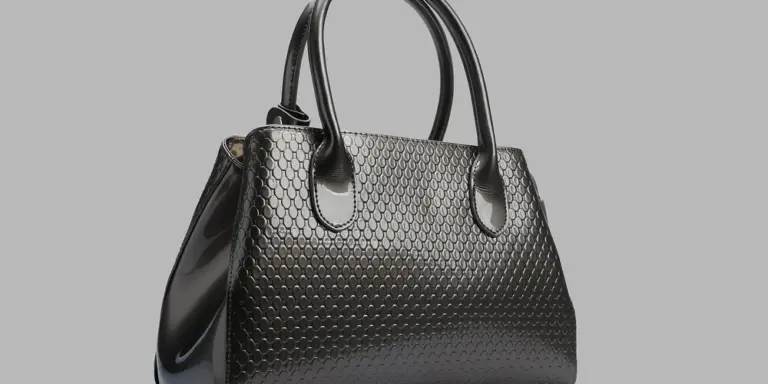
- For bags and purses: Inspect the interior seams where the gusset meets the side panels. Check the backside of any leather patch tags, often near the top. The back of metal feet or decorative rivets can sometimes have markings.
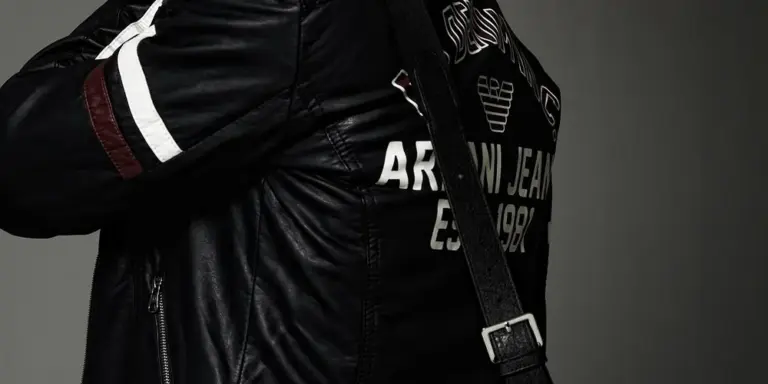
- For jackets like June: The care label is a great start. Look at the pocket bags-sometimes a date is stamped on the fabric or leather there. Examine the zipper tape (the fabric behind the teeth) for a manufacturer’s name, and check the back of the zipper pull itself.
- For furniture: Turn cushions over. Look at the underside of the piece, on the wooden frame. Check the webbing or dust cover fabric underneath for a stapled or inked label.
A bright LED flashlight and a simple magnifying glass are your best tools for this. Hold the light at a sharp angle to the leather; this raking light will make faint, worn embossing or pen marks shadow and become visible.
Understanding common date codes is like learning a simple cipher. Many mid-century makers used a letter-number system, where a letter represents the year. For example, “A” for 1961, “B” for 1962, and so on. Serial numbers might start with the year: “80123” could mean 1980, item 123. A quick search online for the brand name and “date code” can unlock these patterns.
Brand logos also changed with the times. A script font might indicate an earlier piece than a modern, blocky logo. The phrasing on labels evolved-“Genuine Leather” versus “Handcrafted From Full-Grain Leather” can hint at different eras of production and marketing.
Authenticating Vintage Bags: Construction Tells the Tale
When marks are missing, the item’s construction speaks volumes. Older, quality pieces were built differently than many modern items.
First, look closely at the stitching. Hand-stitching, which I use for repairs on pieces like Scout, has a distinct character. The stitches may have a slight, consistent slant and tiny variations in spacing-they breathe. The thread sinks into the leather slightly over decades. Perfectly uniform, laser-straight stitching is almost always from a modern machine. Also, older thread was often linen or cotton, which can develop a soft, matte look, unlike synthetic threads that stay shiny.
Examine the hardware. Solid brass or nickel-plated brass develops a rich, mellow patina with age. It may have slight discoloration or verdegris (a greenish tarnish) in protected crevices. Modern hardware is often lighter, made from plated base metals or alloys. The design of a clasp, turn-lock, or hinge can also be a clear period piece-styles from the 1940s look different from the 1970s.
The lining is a diary of use and age. Early linings were often simple cotton twill, polished cotton, or even a rough canvas. See how it’s attached-is it hand-whipped to the leather at the top, or machine-sewn with a synthetic bias tape? Fabric wear patterns are honest. Fading and threadbare spots on the side your body rubs against, or near pocket openings, confirm genuine age. A lining that looks uniformly old but shows no logical wear might be a red flag.
For small items like my wallet Scout, the same rules apply. Scout’s veg-tan leather has darkened naturally from my hands and the sun, a process called patina. Its edges are burnished smooth, not painted. The saddle stitching, done by hand, shows the subtle tells I mentioned. This kind of detail in a small, functional object often points to thoughtful, older craftsmanship.
Dating Antique Leather Jackets: Zippers, Tags, and Style
Lift the liner and look for the story. The tags sewn inside a jacket are its biography. Start with the union label. Garments made in the USA before the 1970s often have a large, detailed union tag. These tags got simpler or vanished later. Next, find the material content label. Its style and the required information changed with laws over the decades. A simple “Genuine Leather” tag hints at an older piece, while modern tags list more specifics.
The style number on a tag is a direct line to its era; you can often search these numbers online to find catalogs from the jacket’s birth year.
Now, feel the zipper. Run your finger over the puller and slider. Heavy, detailed metal zippers from Talon dominated from the 1930s through the 1950s. Look for “Talon” stamped on the pull. In the 1960s and 70s, you see more nylon coil zippers. Modern high-end jackets often use Riri or YKK metal zippers. The zipper type is a strong clue.
Style is the final piece. A classic motorcycle jacket with a diagonal zipper and D-pocket often points to the 1950s. Bomber jackets with knit cuffs and wool lining were huge post World War II. Look at the cut. Jackets from the 80s and 90s often have more exaggerated, boxy shoulders. These style trends help confirm what the tags and zippers suggest.
Honest wear tells the truth. My own jacket, June, has light, even creasing at the elbows and cuffs from decades of movement. The leather hasn’t cracked, it has relaxed. The stitches on a repaired seam are slightly uneven, done by hand long ago. New jackets with “distressed” finishes often have uniform, artificial scuffing. On a true vintage piece, the patina and wear patterns are unique, like a fingerprint of its life.
Identifying Age in Leather Furniture: Frames and Finishes
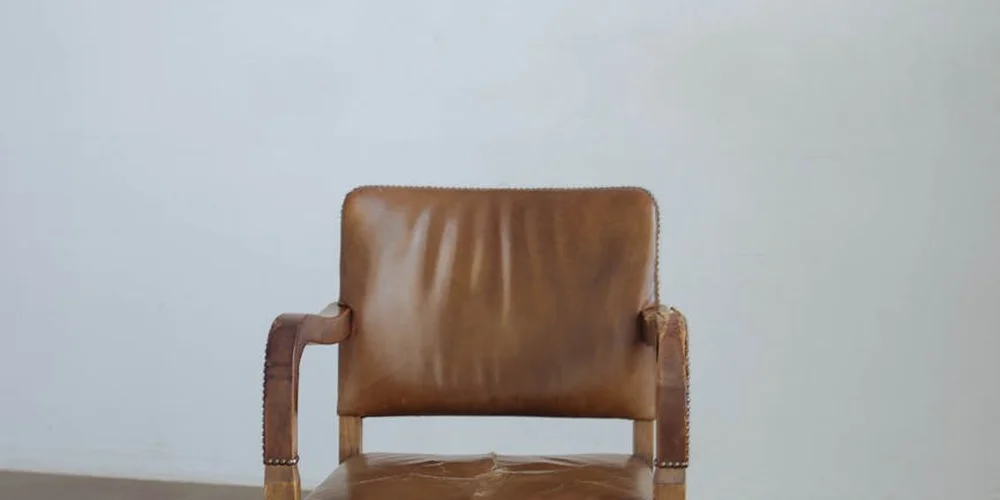
Turn the piece over. Gently lift cushions and lean the furniture back to examine the underside of the frame. You are looking for a manufacturer’s stamp, a burned-in mark, or the ghost of a paper label. These are often on the back rail or the bottom of the seat frame. A stamped name and location is a great sign of age and quality.
The construction screams its age. Remove a cushion and reach inside the seat deck (if possible). Feel for springs. Hand-tied, eight-way coil springs are a hallmark of quality furniture made before the 1990s. You will feel twine tying each spring to its neighbor. Also, look at the joints on the wooden frame. Older pieces use dovetail or mortise-and-tenon joints, not just staples or glue.
Jute webbing or burlap supporting the springs indicates older, traditional methods, while modern synthetic mesh points to recent manufacture.
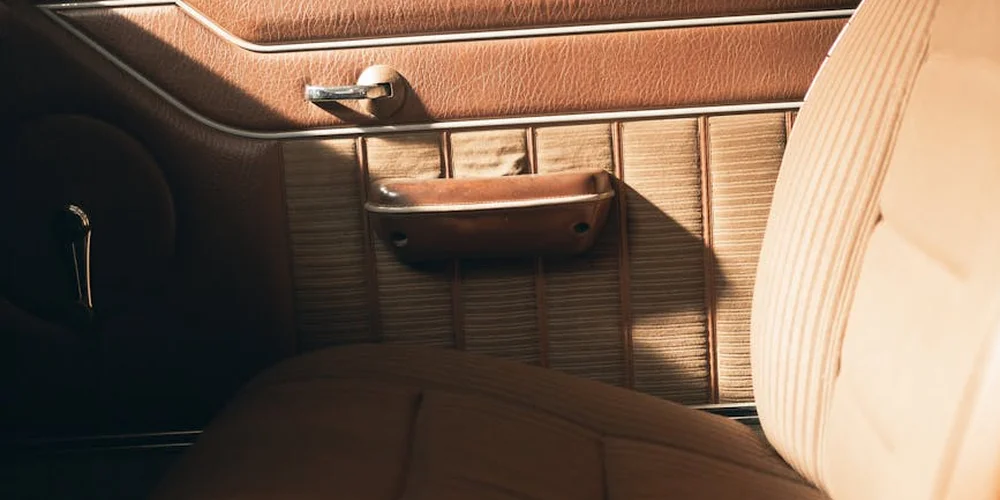
Look at the leather itself. On very old furniture, you might find aniline-dyed leather where the color soaks deep into the hide. The arms and headrest will show a polished, darkening patina from years of skin contact. This is not dirt. It is a permanent, mellow glow from natural oils. The leather on the front of the seat cushion may be slightly lighter and drier, while the back and sides are darker and richer.
Furniture patina is a slow story. Unlike a bag handled daily, a chair ages from consistent, gentle use over half a century. The color deepens overall. It develops a soft sheen, not the high gloss of new polish. The leather on the arms feels buttery and warm, not stiff. It is like the difference between my saddle, Mason, which has sharp wear marks from specific straps, and an old library chair that has simply absorbed light and life for generations. The glow is slower, deeper, and more even.
Caring for the History: Gentle Maintenance for Vintage Finds
You’ve identified a beautiful old piece. Now, the goal shifts. Your job is not to make it look new, but to care for its age. This is about preservation, not restoration. We treat vintage leather to stabilize it, nourish it, and ensure its history can be enjoyed for years more. Unlike restoring vintage leather which focuses on repair, our focus is on maintaining its integrity.
Step 1: A Gentle, Strategic Clean
Dirt and old polish can degrade fibers over time. Cleaning removes harmful grime while respecting the patina that tells the story. Rushing this step is the most common mistake.
Think of it like dusting a fragile photograph. You work slowly, from the outside in.
- Dry Brush First: Use a soft horsehair or goat hair brush. Gently brush the entire surface to lift away loose surface dust and grit. This prevents grinding dirt into the leather during the next step.
- The Hidden Spot Test: This is non-negotiable. Dampen a clean, white cloth with distilled water. Wring it out completely. Dab this cloth on a discreet area, like an inside seam or under a flap. Check for any color transfer onto the cloth or unexpected darkening. Wait for the spot to dry. If all looks well, you can proceed.
- Using a Mild Cleaner: For general grime, the damp cloth may be enough. For heavier soil, use a specialist leather cleaner or a mild, glycerin-based saddle soap. Apply a tiny amount to a separate damp cloth, work into a light lather, and gently circle it onto a small section. Immediately wipe away the soap and dirt with a second, clean damp cloth. Never let soap dry on the surface. Work in small, manageable areas, drying with a soft towel as you go.
My jacket, June, had decades of city film on her. A slow, section-by-section clean with a neutral pH cleaner brought back her rich color without stripping away the soft creases in the sleeves.
Step 2: Conditioning with a Light Touch
Old leather is often thirsty, but its pores can be tight. The wrong product can sit on top, creating a greasy feel or a cloudy film that obscures the natural patina.
You want a conditioner that penetrates deeply to restore suppleness from within. Look for light, penetrating oils or water-based creams. Avoid heavy waxes or thick balms for this first treatment; they can seal in dryness.
- Apply a very small amount of product to a soft, lint-free cloth.
- Rub the cloth onto itself to spread the product evenly.
- Using a light, circular motion, apply the conditioner to the leather. You should see a slight, even darkening as it absorbs.
- Let the piece absorb the conditioner for at least an hour. If an area still feels stiff or looks parched after that time, you can apply a second, even thinner coat.
The leather should feel nourished and softer, not oily or sticky to the touch. If it does feel greasy, you used too much. Buff it gently with a clean, dry cloth to remove the excess. A piece like an old wallet or bag may need conditioning only once a year, while a frequently used jacket might need it every six months.
Step 3: Smart Storage for Longevity
How you store a vintage piece between uses is just as important as how you clean it. The enemies are sunlight, heat, dampness, and pressure.
Direct sunlight will fade and desiccate leather faster than anything else. Always store items away from windows, radiators, or vents. A cool, dark, and dry closet is ideal.
To prevent permanent creasing or misshaping, you need to support the item’s structure.
- Bags and Purses: Stuff them loosely with acid-free tissue paper or a clean, white cotton pillowcase. This holds their shape and allows air circulation.
- Jackets: Hang them on wide, padded wooden hangers that support the shoulders. Never use wire hangers.
- Small Goods: Store items like old gloves or holsters in breathable cotton bags, not plastic. Plastic traps moisture and can promote mold.
For my saddle, Mason, storage means a fitted cover in a climate-controlled space. The simple act of stuffing the legs of old leather boots with rolled-up towels can prevent deep, damaging cracks at the ankle.
Preserving the Story
The shine on a worn handle, the subtle scuff near a pocket, the unique crease pattern from a previous owner’s habits-these are not flaws to erase. They are the piece’s biography. Your careful maintenance ensures that biography continues. You are not the restorer, but the curator. Your goal is to provide a stable, nourishing environment so the leather’s own history remains the brightest feature.
Common Questions
Is moldy vintage leather a lost cause?
Not always, but act carefully. Take the piece outside, gently brush off the surface mold with a soft, dry brush, and let it dry completely away from direct heat.
How do I handle leather that feels overly dry or stiff?
First, perform a gentle clean. Then, use a light, penetrating leather conditioner in thin layers, allowing full absorption between applications to avoid a greasy residue. Consider the best products and methods for cleaning leather to guide your choices. We’ll cover that topic next.
Can you “over-condition” an old piece?
Absolutely. Too much product can clog the leather’s pores, create a sticky film, and darken the patina unevenly. Less is more; nourish it, don’t drown it—especially when considering natural oils like olive oil.
What’s the difference between patina and just being worn out?
Patina is a luminous, even darkening that adds character and strength. “Worn out” leather feels thin, brittle, or has deep structural cracks that compromise its integrity.
Putting Your Vintage Leather Knowledge to Work
The best way to know an old piece is to handle it, learning to read the natural marks of time and honest use. This skill turns a simple inspection into a conversation with its history.
With that history comes a duty to preserve it well. Caring for vintage leather thoughtfully honors its past and extends its life, a quiet but powerful form of sustainability.
Citations and Authoritative Sources
- What is Vintage Leather and What Do I Need to Know About it?
- What Is Vintage Leather and Why Is It So Popular These Days? – Leather Skin Shop
- How to Tell if an Antique Leather Purse is Real? – Regina
Harriet is a avid collector of leather goods such as purses, bags, seat covers, etc and has an extensive background in leather care, recovery, stain removal and restoration. She has worked for a number of years perfecting her leather care techniques and knows the ins and outs of restoring all kinds and types of leather products. With her first hand knowledge in leather care, you can not go wrong listening to her advice.
Full-grain and Top-grain Leather Care