How to Place, Flatten, and Secure a Cowhide Rug? Layering Tips and Faux Alternatives
Published on: April 5, 2026 | Last Updated: April 5, 2026
Written By: Harriet Nicholson
Hello Tannery Talk. Is your cowhide rug curling up at the corners or slipping every time you walk past? Let’s get it settled and looking right.
This guide will walk you through finding the perfect spot, flattening stubborn edges, securing it safely, layering it for style, and choosing convincing faux alternatives.
I’ve spent years working with leather’s unique character, from smoothing out creases in my jacket June to maintaining the heavy hide of my saddle Mason, so I can guide you through this.
Start with the Perfect Spot: Cowhide Rug Placement
Finding the right home for your cowhide is the most important step. Think of it like finding the right spot for my old saddle, Mason. You wouldn’t leave a beautiful saddle in a damp barn corner. A rug needs a thoughtful home to thrive, especially when you consider how long cowhide rugs last.
Room Traffic & Floor Type
Walk through your room. Notice where people naturally walk. A high-traffic hallway means constant scuffing from shoes. A low-traffic living room area, like under a coffee table, offers more protection. Choose a spot with moderate traffic where the rug can be seen but isn’t constantly underfoot.
Next, look at your floor.
- Hardwood or Tile: The hide will lie flattest here. Use a quality rug pad. It prevents slipping, adds cushion, and protects your floor’s finish from the hide’s backing.
- Carpet: This is trickier. The rug can slide on the pile. A thin, non-slip rug pad is essential. The hide may also develop gentle waves from the carpet texture underneath, which is normal.
Light & Moisture: The Hidden Factors
Sunlight fades leather, just like it fades fabric. A spot that gets direct afternoon sun will lighten and dry out your hide over years. A shaded area is better.
Avoid moisture at all costs. This is the most common mistake I see.
- Do not place it in a bathroom or a basement prone to dampness.
- Keep it away from doors that lead outside where rain and snow can be tracked on it.
- Leather is skin. Prolonged moisture leads to stiffness, mildew, and irreversible damage.
Getting the placement right is your first and most powerful act of decorating with a cowhide rug, setting the stage for everything that follows.
How to Lay a New Cowhide Rug Flat
A new cowhide rug will often arrive rolled up, feeling stiff and wanting to curl. This is normal. Your job is to help it relax, much like breaking in a new leather jacket. Remember June, my jacket? She needed time to soften and conform to my shape. Your rug needs the same patience.
Here is a simple method for how to get a cowhide rug to lay flat.
- Unroll with the Hair Side Up: Lay the rug on a clean, flat surface, hair/finished side facing up. The natural curve of the hide will want to roll inward.
- Position & Weight the Edges: Gently stretch it into the position you want. Then, place heavy, flat objects on the curling edges. Use large books, a flat board with weights, or even clean, dry towels. Don’t use anything that could stain or imprint the leather.
- Let it Relax: This is the key step. Leave the weights on for 24-48 hours. The leather needs time to lose its “memory” of being rolled and acclimate to your room’s humidity.
Tips for Different Floors
The surface changes the game slightly.
- On Hard Surfaces: After the relaxation period, the rug should lie flat. If a corner still lifts, you can use double-sided carpet tape on the backing in that spot. Test a tiny area first to ensure it doesn’t damage your floor.
- On Carpet: The rug may never be perfectly, rigidly flat, and that’s okay. The goal is to eliminate major tripping hazards. The combination of weighting the edges and using a non-slip pad usually does the trick.
If slight waves or a gentle curl persist after a week, do not force it; this is often the hide’s natural character, and forcing it can stress the leather. Consistent, gentle pressure from furniture legs (like a couch or table) over time will help it settle into its new home.
Fixing a Rug That Won’t Behave: How to Flatten a Curling Cowhide
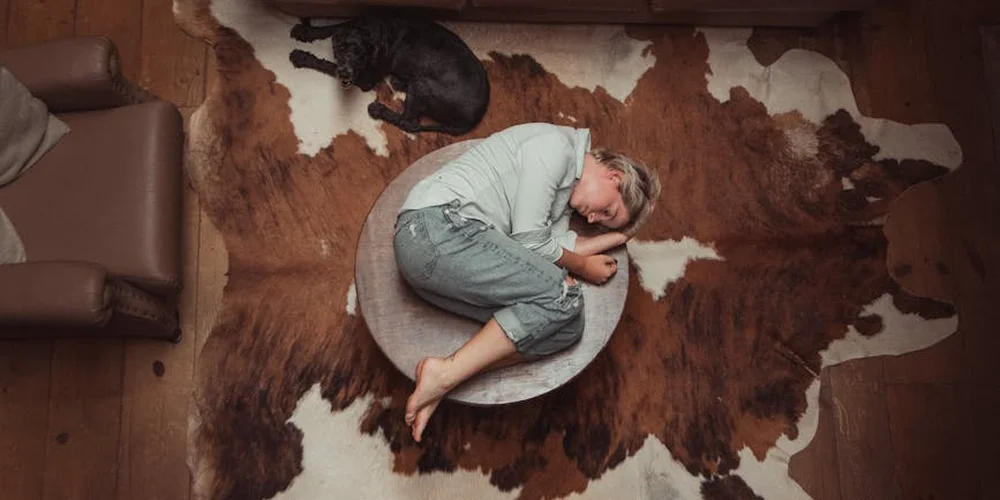
A curling edge is just your rug talking to you. It is telling you it has memory from how it was stored or that it might be thirsty. Do not worry. We can fix this just like smoothing a stubborn crease in a favorite leather jacket.
Start with the simplest method first, using weight. Lay the rug flat on a clean, hard surface with the curl facing up.
- Place a clean, soft cloth over the curled area to protect the grain.
- Stack several heavy books or a flat, weighty object right over the curl.
- Let it sit for at least 24 to 48 hours. Check it. It might need a few more days.
This gentle pressure helps persuade the leather’s fibers to relax into a new, flat position.
If weight alone does not work, the leather might be dry. Think of my old saddle, Mason. When he gets dry, the leather stiffens. A light conditioning can help.
- Test any leather conditioner on a small, hidden corner of the rug’s backside first.
- Use a very small amount of a neutral, pH-balanced leather conditioner.
- Apply it sparingly only to the backside of the curled edge with a soft cloth.
- Let it absorb for an hour, then use the book-weighting method again. The conditioned leather will be more pliable.
Conditioning from the back lets the leather soften where it needs to without over-saturating or darkening the show side you walk on.
Steam is a powerful tool, but you must be cautious. Too much heat or moisture can shrink leather or strip its natural oils. I only use this on a tight curl that will not budge.
- Use a garment steamer or the steam from a kettle, holding it at least 12 inches away from the leather’s backside.
- Pass the steam over the area for just a few seconds to introduce light moisture and warmth.
- Immediately use your hands to flatten the curl against the floor and place weights on it.
- Let it dry completely under the weights for a full day.
Avoid harsh methods. Never use a hot iron directly on the leather. Do not soak the rug or use harsh chemicals. These can burn, shrink, or crack the hide, damaging its beautiful natural grain forever. For more tips on proper care, clean and-care-for-my-sheepskin-rugs-jackets-and-gloves-at-home-without-damaging-the-leather.
Securing Your Rug: Safe and Simple Methods
Using Rug Tape Effectively
Double-sided carpet tape gives a strong, nearly invisible hold on hard floors like wood or tile. The goal is security without a sticky mess later.
Always test the tape on a discreet spot first, just like you would patch-test a new leather cleaner.
- Clean your floor thoroughly where the tape will go. Dust or wax will ruin the hold.
- Cut strips of tape and apply them to the back corners and edges of your cowhide rug.
- Leave the top protective paper on. Position your rug perfectly where you want it.
- When you are happy, lift one section at a time, peel off the top paper, and press the rug down firmly for 30 seconds.
To remove it later without residue, use a hairdryer on a low setting to gently warm the tape through the leather. This softens the adhesive so you can peel the rug away slowly.
Velcro Strips for Flexible Hold
Hook and loop strips are my choice for a flexible setup. They are perfect if you like to clean under the rug often or plan to layer it over another carpet.
You will buy two types of strips, the hook side and the loop side.
- Sew or use the adhesive backing to attach the soft loop strips to the back of your cowhide rug.
- Attach the scratchy hook strips directly to your clean floor.
- Press the rug into place. The connection is strong enough to prevent slipping but easy to pull apart when you need to.
This method gives you control. It is like being able to easily lift and condition the jacket June without a struggle.
Rubber Gripper Pads and Mats
For a non adhesive solution, rubber gripper pads are incredibly dependable. They work wonderfully on both hard floors and carpet, creating friction to stop slips.
Place a few pads under the corners and along the edges on the rug’s backside. For full coverage, you can use a thin, mesh non slip rug pad cut slightly smaller than your cowhide. Even when using a pad, it’s important to clean your cowhide rug properly to maintain its quality.
The grip is secure and reassuring, much like the solid, trustworthy feel of my wallet Scout in my pocket.
This is the safest method for valuable or delicate floors, as nothing ever touches the floor’s surface but soft rubber.
How to Layer Cowhide Rugs for Depth and Style
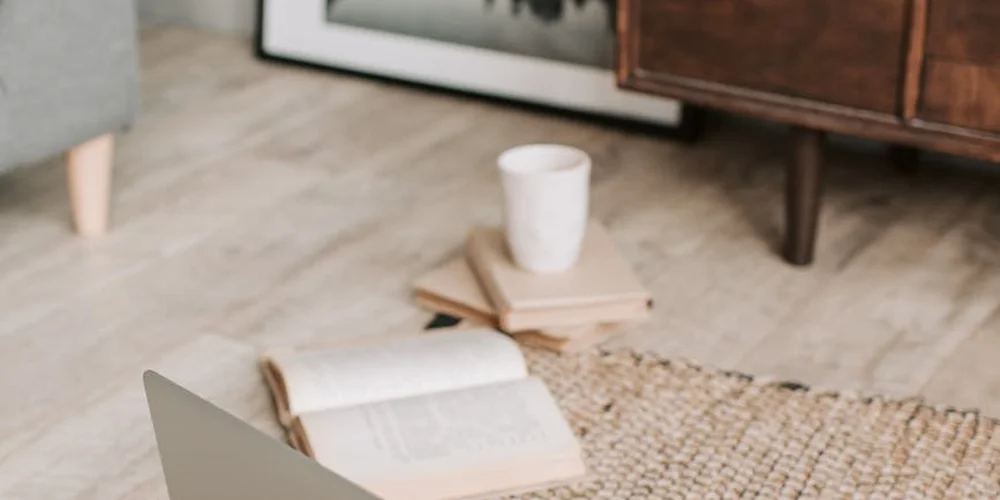
Layering a cowhide rug is the best way to give a room dimension. Think of it like building the patina on a leather jacket. You start with a solid base and add characterful pieces that tell a story.
Always begin with a larger, neutral base rug to ground the space and give your hide a defined area to sit on. A natural fiber like jute, sisal, or a plain low-pile wool rug works perfectly. This creates a clean frame, much like a well-conditioned piece of leather stands out against a simple backdrop.
Playing with Pattern and Texture
This is where your personal style comes in, similar to choosing between a glossy or matte finish for your leather goods.
- For Contrast: Layer a boldly patterned cowhide over a solid, neutral base rug. The natural markings of the hide are the pattern.
- For Harmony: Place a more monochromatic hide over a base rug with a subtle, tonal pattern like a trellis or stripe.
- Texture is Key: Pair the soft, napped suede side of a reversible hide with a rough, woven jute. Or let a smooth, hair-on hide rest on a plush, high-pile wool. The contrast in feel underfoot adds immense interest.
Crafting the Vibe: Modern vs. Cozy
Your layering approach sets the entire mood of the corner.
For a modern look, focus on clean lines and minimal overlap. Center the cowhide neatly on the base rug, letting both shapes be clearly visible. Keep the color palette tight—think a black and white hide on a grey or beige base. It’s precise, like the stitching on my wallet, Scout, just like the dyed leather used in quality cowhide products.
For a cozy, collected feel, embrace a more organic, slightly off-center placement. Allow the hide to drape softly over the edge of the base rug. Let the corners curl naturally. Layer in a sheepskin or a smaller knit rug on top for extra texture. This feels lived-in and welcoming, like the gentle creases in my jacket, June. To keep that softness and prevent matting, give it a gentle brush every so often. Proper brushing and light maintenance help preserve its loft.
Remember, the goal is balanced composition, not clutter. If it feels busy, remove one element. How to decorate with a cowhide rug often starts with this foundational layer.
Styling Your Space: How to Decorate with a Cowhide Rug
A cowhide rug is more than a floor covering. It’s a piece of natural art. Here’s how to let it anchor a room.
The Living Room: Your Focal Point
In the living room, your cowhide rug wants to be the star. Place it centrally under your coffee table, letting the unique shape define the seating area. Drape one end slightly under a sofa leg to anchor it. The rich texture and pattern add a warm, organic touch to neutral furniture, much like a leather saddle brings life to a tack room.
Use the rug’s natural shape to guide your furniture arrangement, creating a conversation zone that feels intentional and inviting. The tactile pleasure of the hide underfoot adds a layer of luxury you can feel.
The Bedroom: A Warm Layer
Here, the cowhide serves as a luxurious bedside mat or a soft layer at the foot of the bed. Stepping onto its plush surface first thing in the morning is a small daily comfort. Choose a hide with softer, blended colors for a calming effect. Position it so the most beautiful part of the hide is visible from the bed.
It introduces a whisper of rustic warmth against cool wood or tile floors, balancing the room’s texture.
Unexpected Places
Do not be afraid to use smaller hides in creative ways.
- Home Office: Place one under your desk chair. It protects your floor and adds sophistication to a functional space. The sound of chair wheels rolling over the leather is a quiet, pleasing contrast to hard flooring.
- Dining Nook: Use a larger hide under a small round table. It makes the area feel dedicated and cozy, perfect for intimate meals.
- Entryway: A durable cowhide makes a stunning first impression. It handles foot traffic well and wipes clean easily, similar to a well-maintained leather bag.
When you learn how to decorate with a cowhide rug, you are really learning to work with a unique, natural material that adds instant soul and sensory appeal to any space. Its variations in color and hair are its personality, telling a story in your home just as the wear on a leather good tells the story of its use.
Exploring Faux Cowhide and Other Alternatives

Sometimes, a real cowhide rug isn’t the right fit. That’s perfectly fine. As someone who works with leather every day, I appreciate materials that suit a person’s lifestyle and values. Knowing your options helps you make a choice you can live with for years.
Understanding Synthetic Faux Hides
A faux hide rug is typically made from synthetic fibers like polyester or acrylic, printed with a hide pattern. Think of its surface like a corrected grain leather-it has a very consistent, almost perfect look because the pattern is applied.
Their main appeal is simple, practical care and a lower initial cost. You can clean most with a mild detergent and a damp cloth. They’re often a good choice for homes with unpredictable spills, high pet traffic, or for anyone with specific ethical considerations about using animal products.
Caring for a Faux Hide Rug
Maintenance is straightforward, but gentle handling prevents damage to the printed surface.
- Vacuum gently on a low-power setting without a beater bar to avoid snagging fibers.
- Spot clean immediately. Use a cloth with cool water and a drop of pH-neutral dish soap. Blot, don’t scrub.
- Air dry completely away from direct heat, which can cause the backing to warp or the colors to fade.
Avoid harsh chemicals, steam cleaners, or soaking. These can break down the adhesive in the backing or make the colors bleed.
Options Made from Recycled Materials
The market now offers rugs made from recycled plastics or other post-consumer materials. These are a thoughtful alternative, turning waste into a durable decorative item.
Choosing recycled materials aligns with a philosophy of responsible sourcing, much like seeking out vegetable-tanned leathers from reputable tanneries. It’s about considering the full life cycle of the products we bring into our homes. Care for these is similar to synthetic faux hides-gentle vacuuming and prompt spot cleaning.
Faux vs. Real: A Practical Comparison
Comparing these options is like comparing my leather jacket, June, to a corrected grain leather bag. Both serve a purpose, but they age and feel completely different.
| Aspect | Real Cowhide Rug | Faux/Alternative Rug |
|---|---|---|
| Look & Feel | Unique, natural markings. Texture varies. Develops a soft patina. | Uniform, printed pattern. Texture is consistent and often plusher or smoother. |
| Maintenance | Requires specific leather cleaning and occasional conditioning. More sensitive to moisture. | Easier surface cleaning. Generally more resistant to water stains. |
| Aging | Ages gracefully with proper care, like a broken-in saddle. Character enhances. | May show wear as fading, pilling, or edge fraying over time. Does not develop a patina. |
| Initial Feel | Cool, firm handfeel that softens. | Often immediately soft or fuzzy to the touch. |
Making an Informed Choice
For many, the choice between real and faux is deeply personal. If you admire the look of hide but have concerns about animal welfare, a high-quality faux or recycled alternative is a completely valid way to achieve your aesthetic without compromise.
Being an informed consumer is the most powerful tool you have, whether you’re selecting a premium full-grain hide or a clever synthetic alternative. It allows you to choose a piece that reflects your style, meets your practical needs, and aligns with your principles. That’s how you find a rug you’ll truly love.
Common Questions
How often should I condition my cowhide rug?
Condition it once a year with a neutral, pH-balanced leather conditioner. Apply a sparing amount only to the backing to maintain suppleness without darkening the show side. Also consider how often leather boots should be conditioned and the best way to apply it. The next step explains frequency and technique.
What’s the best immediate action for a liquid spill?
Blot it immediately with a clean, absorbent cloth-do not rub. For stubborn spills, use a barely damp cloth with a drop of mild, neutral soap, then dry the area thoroughly.
Is it safe to place heavy furniture directly on the hide?
Yes, but use protective coasters under the furniture legs to distribute weight and prevent permanent indentations. This is the best way to help flatten and secure the rug over time.
How do I store a cowhide rug if I need to put it away?
Always roll it with the hair side out to prevent creasing, and store it in a cool, dry place. Never store it in a plastic bag, as trapped moisture can cause mildew.
Can I use a vacuum cleaner on my cowhide rug?
Yes, but only use the soft brush attachment on a low-suction setting. Avoid vacuum beater bars, as they can pull and damage the hair and leather over time.
Final Thoughts on Your Cowhide Rug
Getting your rug to lie flat and stay put is the most important step. A properly anchored hide prevents trips and protects the leather from unnecessary stress and wear.
Taking care of a natural material like this connects you to a tradition of craftsmanship. Learning its needs ensures it lasts for years, which is the most sustainable choice you can make.
Research and Related Sources
- Cowhide Rug Placement Guide – Cowhides Di…
- Cowhide on Hardwood, Tile, or Carpet? How to Choose and Place Your Rug – eCowhides
- How to Place a Cowhide Rug in a Living Room
- Innovative Ways on How to Hang a Cowhide Rug on the Wall
- Tip: Interesting Ways To Layer Cowhide Rugs | Shine Rugs
Harriet is a avid collector of leather goods such as purses, bags, seat covers, etc and has an extensive background in leather care, recovery, stain removal and restoration. She has worked for a number of years perfecting her leather care techniques and knows the ins and outs of restoring all kinds and types of leather products. With her first hand knowledge in leather care, you can not go wrong listening to her advice.
Furniture and Upholstery Care