How Much Does It Cost to Repair or Replace Leather Car Seats?
Published on: August 4, 2026 | Last Updated: August 4, 2026
Written By: Harriet Nicholson
Hello Tannery Talk. That fresh crack or stubborn stain on your car seat can spike your anxiety, and you need straight answers on cost.
We will cover real-world price ranges for repairs versus replacement, the factors that push costs up or down, and how to pick the right path for your seats and wallet.
I have restored countless leather pieces, from daily drivers to heirlooms, giving me a craftsman’s view on what you should expect to pay.
What Decides the Price Tag on Your Leather Seat Job?
When you ask “how much does it cost to fix leather car seats,” the answer is rarely a single number. Think of it like taking my jacket June to a tailor. A small patch is one price; replacing the entire sleeve is another. Four main things shape your final bill.
The Nature of the Damage
A surface scratch is a quick fix. A deep tear that goes through the leather is major surgery. The size, depth, and location of the damage change everything. A small scuff on the seat back is simple. A large rip on the main seating panel where you bend and sit every day needs a much stronger, more flexible repair.
The Quality of Your Leather
Not all car leather is created equal. Fixing a high-quality, full-grain leather seat is often more straightforward and less expensive than dealing with a thin, coated budget leather. My jacket June is made from good calfskin; when she needed a repair, the leather had enough substance to hold new stitching and blend in a dye touch-up. A very thin, painted leather can be fragile, making color matching and patching harder for a technician. That same principle applies to car interiors. Repairing and restoring damaged leather car seats can save time and money.
Labor Costs in Your Area
Expert time is the biggest part of most repair estimates. Rates vary widely between a small-town upholsterer and a specialist shop in a major city. Always get a few local quotes. A good technician’s skill is worth the investment for a lasting repair.
Repair Versus Full Replacement
This is the biggest cost divider. Most small issues can be repaired right on the seat. For massive damage, the entire seat cover panel might need to be replaced, which involves disassembling the seat, sewing a new piece, and reinstalling it. That process multiplies the cost.
One more detail technicians consider is your leather seat coating. If the color is just faded, it can often be reconditioned and recoated. If the coating is peeling or cracking badly, the repair becomes more intensive, as the old finish must be completely removed first.
How Much to Fix Common Leather Seat Damages?
Here is a clearer look at what you might pay a professional to fix specific problems. These are ballpark ranges; your exact cost depends on those factors we just discussed.
| Type of Damage | Typical Repair Process | Estimated Cost Range |
| Light Scratches & Scuffs | Clean, sand, fill, color match, and blend. A common fix. | $50 – $150 |
| Deep Cuts & Tears | Clean, patch from behind, fill, texture, and color match. More skill and time. | $200 – $500+ |
| Color Fading & Wear | Deep clean, lightly prep the surface, and apply fresh dye and coating to the affected panel. | $100 – $300 per panel |
| Complete Re-Dye (Full Seat) | Stripping old color, precise recoloring, and sealing. This answers “how much does it cost to dye leather car seats” for a full refresh. | $300 – $800+ per seat |
What About Color Matching?
Standard black or grey is easiest. A unique color like leather seats com tangerine color requires custom dye mixing. This specialized service adds to the cost and time but is the only way to get a perfect, factory-match finish.
Don’t Forget the Small Parts
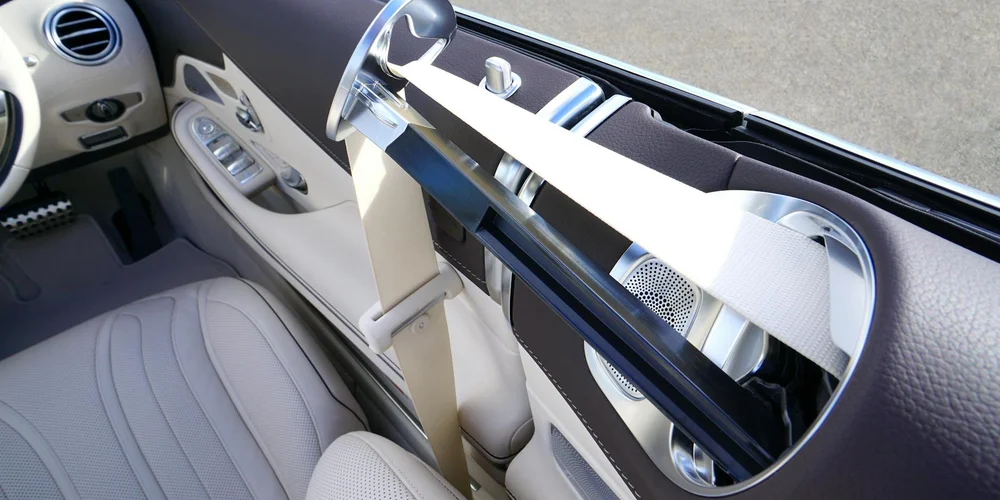
Sometimes, the damage isn’t to the seat itself but to a strap or guide. A leather swatch strap replacement on a seatbelt or a bolster side is a smaller, less expensive job, often in the $75 to $150 range. It’s a great way to fix a nagging issue without a major project.
The Real Cost of Replacing Leather Car Seats

You have a few paths you can take when your seats are beyond repair. The cost changes dramatically depending on which road you choose.
OEM Replacement: The Exact Match
Ordering the exact original seats from your car’s manufacturer is the most straightforward option. You get a perfect color and fit. This is also the most expensive route, often costing several thousand dollars per seat for the parts alone. Labor to install them adds several hundred more. For a common question like ‘leather seats custom Toyota’, a single OEM replacement seat cover can easily surpass $1,500 before installation. For a full set, you could be looking at a bill comparable to a major mechanical repair.
Aftermarket & Custom Installation: The Flexible Alternative
This is where you answer ‘how much do leather seats cost’ for new sets. Aftermarket kits or custom upholstery shops offer more flexibility in material and price. A full set of quality pre-made leather seat covers might range from $800 to $2,500 for the materials. Brands like Katzkin offer premium options, and a pricing guide can help you compare costs. This is where Katzkin leather seats cost details and broader pricing for custom auto upholstery come into play for budgeting. A truly custom job, where new leather is cut and sewn for your specific seats, starts higher.
‘How much does it cost to replace leather car seats’ fully depends on labor, especially when working with delicate automotive leather. A professional install adds $500 to $1,500 or more to the material cost. The total for a custom reupholstery job often lands between $2,000 and $5,000 for the entire vehicle.
Location directly impacts your quote for custom work. A search for ‘leather seats custom Canada’ or ‘Toronto’ will yield different prices than a smaller town. Shop rates and material availability vary by region. Always get multiple quotes from shops ‘near me’ to understand your local market.
Doing It Yourself: What Does DIY Leather Repair Really Cost?
For minor damage, rolling up your sleeves can save significant money. The real cost here is your time and the risk of learning on the job.
The Price of a DIY Toolkit
Compared to professional service fees, DIY is far cheaper upfront. Here is a typical breakdown for fixing, not fully replacing, your seats:
- A basic leather repair kit for fills and tears: $20 – $50
- A high-quality leather cleaner and conditioner set: $25 – $40
- Leather dye and finish for a recolor project: $40 – $80
- Brushes, sponges, and tape: $15 – $20
For a full DIY answer to ‘how much does it cost to redo leather car seats,’ you might invest $100 to $200 in materials, versus thousands for professional replacement. Especially when you just need to fix tears, cuts, and holes in leather car seats.
When DIY Works (And When It Fails)
Follow these steps for a simple scratch or scuff repair:
- Clean the area thoroughly with a neutral leather cleaner.
- Apply a leather conditioner to the spot, letting it soak in. This can often minimize the appearance of shallow scratches.
- For a visible scratch in colored leather, use a fine brush to apply a matching leather dye. Layer it lightly, letting it dry between coats.
- Finish with a leather sealant to protect your work.
This is safe for small, surface-level issues. Call a professional for a large tear, a deep puncture, or damage to the seat’s padding. The repair kits struggle with structural damage.
I learned this limit working on my own gear. My wallet, Scout, had a small seam come loose. My DIY stitch job worked. But when an old bag had a large gash, my filler attempt looked obvious and felt stiff. I ended up taking it to a pro. Knowing the line between a simple fix and a complex repair saves you from wasting money on a kit for a job it can’t handle.
The Hidden Cost of a Full DIY Recolor
Redoing all your seat color is a major project. The product cost is just the start. You must factor in 15-20 hours of meticulous work: removing seats, thorough cleaning, careful dye application, and proper drying time. One missed step, like improper cleaning, causes the new color to peel. The time investment is the real price of a DIY redo.
When to Repair, When to Replace: Making the Smart Choice
Fixing a seat is not always the right move. Replacing it is not always a waste. The choice depends on the damage, the seat’s age, and what you want from it.
Think of your leather seats like I think of Mason, my old English saddle. A few years ago, the stitching on the girth strap tore. The leather beneath was still strong. Re-stitching it cost far less than a new saddle and preserved all the character it had earned. That is the heart of smart repair.
Your Quick Decision Guide
Use this simple guide to point you in the right direction.
| Consider Repair If You See… | Consider Replacement If You See… |
| Small scratches or scuffs (surface-level only). | Large, deep cuts or tears (especially in seating areas). |
| Faded color or minor dye transfer. | Cracks that have split all the way through the leather. |
| Loose or torn stitching on seams. | Worn-out, stiff, or brittle leather across the entire seat. |
| A single worn bolster on an otherwise good seat. | You want a completely new color or a premium leather upgrade. |
A professional can often repair a single worn bolster for a fraction of a full seat replacement cost, which is a smart way to extend your interior’s life.
The Long-Term Value of a Good Fix
Weighing how much it costs to repair leather car seats versus replacing them is about more than today’s price tag. A quality repair on good leather adds years of service. Repeated small repairs on a fundamentally sound seat are almost always cheaper than one total replacement. It is an investment in what you already own.
But there is a limit. If you are constantly fixing new cracks or restitching splits, you are fighting a losing battle. The leather may be fatigued. At that point, investing in new leather becomes the wiser, long-term financial choice.
When Custom Replacement Makes Sense
This is where leather seats custom work enters the picture. Replacement is not just about fixing broken things. It is an opportunity. If your car is a keeper and the factory leather was low-grade, installing higher-quality custom leather can be a fantastic investment. It transforms the cabin, increases comfort, and uses more durable materials that will last longer with proper care. Choosing custom replacement becomes worthwhile when you plan to keep the vehicle for years and want to upgrade from fragile, coated leather to a more resilient full-grain or top-grain hide. It stops the cycle of repairs on a material that can’t handle them.
Keeping Costs Down: How to Care for Your Leather Seats
The single best way to manage your future leather seat repair cost is to never need a major repair at all. Consistent, gentle care prevents most common problems. This is not complicated. It is about building simple habits, like using the best products and techniques for cleaning and maintaining leather seats.
A Simple, Three-Step Care Routine
Follow these steps every 3 to 6 months. You will need a soft microfiber cloth, a soft brush (like a horsehair detailing brush), a pH-balanced leather cleaner, and a quality leather conditioner. When selecting care supplies, consider the best products and methods for cleaning leather. We’ll discuss those options in the next steps.
- Clean Gently. Vacuum the seat to remove grit. Dampen your microfiber cloth with clean water and wring it out. Spray a little leather cleaner onto the cloth, not directly on the seat. Wipe the leather in smooth, overlapping strokes. Use the soft brush for textured areas or seams to lift dirt. Let the seat dry completely.
- Condition Thoroughly. Apply a small amount of conditioner to a fresh cloth. Work it into the leather using small circles, covering the entire surface. Conditioning is what keeps leather supple and prevents the dry, cracked leather that leads to expensive repairs. Pay extra attention to high-wear areas like driver’s seat bolsters.
- Protect Strategically. After conditioning, consider a dedicated leather protectant or UV-blocking spray. This acts as a leather seat coating, creating a barrier against spills and, most importantly, the sun’s fading rays.
Your First Line of Defense: The Sun
Sunlight is leather’s biggest enemy. UV rays dry out the natural oils, causing fading and making leather brittle. Use a windshield sun shade whenever you park. Tinting your windows offers even better, constant protection. This one habit dramatically slows down aging.
Act Fast on Spills and Stains
Do not let spills soak in. Blot liquids immediately with a dry cloth. For sticky messes, use that damp cloth with a touch of cleaner right away. The quicker you act, the less likely a stain will set, preventing a need for a deeper, more costly clean later.
Caring for your seats is not about being afraid to use them. It is the opposite. Regular maintenance lets you enjoy the feel and look of leather every day, secure in the knowledge you are preventing the damage that drives up costs. Just like I care for my jacket June so I can wear it without worry, a little care lets you enjoy your car’s interior for the long road ahead.
Common Questions
What exactly is my leather seat coating, and why does it matter for repairs?
The coating is a protective pigment and topcoat applied to the leather’s surface. When it fails and peels, repairs become more intensive and costly, as the old finish must be completely stripped before any color can be reapplied.
I’m in Toronto and want custom leather seats. What should I ask a shop to ensure quality?
Ask to feel material samples and inquire about the leather’s thickness and finish. A quality shop will discuss grain type and use durable, high-grade thread-these details separate a lasting investment from a disposable cover-up. Understanding the different types, grades, and quality classifications of leather is helpful when evaluating options. A complete guide on leather types and quality classifications can help you compare options beyond looks.
My seats are a unique color, like tangerine. How can I protect that original dye from fading?
Sunlight is your color’s worst enemy. Use a high-quality leather conditioner with UV inhibitors every few months and always use a windshield sun shield to drastically slow fading.
A small leather strap on my seat is broken. Should I replace just that piece?
Absolutely. Replacing a single worn leather swatch strap is a targeted, cost-effective repair. It prevents further strain on the surrounding material and is far cheaper than letting the damage spread.
Making Your Decision on Leather Seat Care
Start by looking closely at your seats. A good cleaning and a professional’s opinion on repairs can save you from a full replacement. The best choice balances what your seats need with what fits your budget for the long term.
Choosing to repair is a responsible practice. Giving a well-made piece more years of use is the most sustainable choice you can make, and the skill you build in maintaining it is deeply satisfying.
Citations and Authoritative Sources
- How much does it cost to replace leather car seats? – Quora
- r/Mustang on Reddit: Cost to replace cloth seats (front+back) with leather?
- How Much Does it Cost to Put Leather Seats in a Car? – Custom Seat Covers. Best Custom-Fit Car/Truck Seat Covers | CalTrend
- r/rav4club on Reddit: Leather seat labor cost
- Is It Cheaper To Buy A New Car With Leather Or Add It Yourself? | VAIS Tech Blog
Harriet is a avid collector of leather goods such as purses, bags, seat covers, etc and has an extensive background in leather care, recovery, stain removal and restoration. She has worked for a number of years perfecting her leather care techniques and knows the ins and outs of restoring all kinds and types of leather products. With her first hand knowledge in leather care, you can not go wrong listening to her advice.
Car Interior and Auto Leather Care