How to Remove Mold from Suede Shoes Without Damaging the Nap
Published on: August 3, 2026 | Last Updated: August 3, 2026
Written By: Harriet Nicholson
Hello Tannery Talk. Seeing that fuzzy white or green patch on your suede shoes is a real worry, but take a breath-I’m here to help you fix it safely.
We will cover spot-testing cleaners, gentle brushing techniques, safe drying methods, and how to carefully lift the nap back up.
I’ve brought suede bags, boots, and even a favorite jacket like June back from moldy encounters using these careful steps.
Spotting the Problem: What Does Mold on Suede Look Like?
Finding a fuzzy patch on your favorite suede shoes can feel like a small heartbreak. Mold on suede doesn’t always look like the dark green spots you see on old bread. Start by looking closely at the nap, that soft, brushed surface. You might see subtle discoloration, like faint white, gray, or greenish specks that seem to sit on top of the fibers.
The true giveaway is often a combination of sight and smell: a slightly raised, fuzzy texture coupled with a distinct, damp, musty odor, like a basement that’s been closed up too long. This is different from common dirt or an oil stain, which typically just darkens the material without that fuzzy, textured growth or the persistent smell.
Always check the places moisture loves to hide. Run your fingers along the seams where the sole meets the upper, and peer inside the shoe, especially along the interior heel and toe box. Mold starts in darkness and dampness, so these are its favorite launching pads.
What You’ll Need: Your Suede Rescue Kit
You don’t need fancy chemicals to rescue suede. In fact, harsh chemicals are what you want to avoid. Gather these simple, gentle tools instead. Think of choosing the right brush for suede like I choose a needle for a delicate stitch on June my jacket; the wrong tool can leave a permanent mark.
- A Suede Brush: This is your most important tool. It has stiff brass or nylon bristles designed to lift the nap without tearing it. A stiff toothbrush is too abrasive and a clothes brush is too soft.
- White Vinegar or Isopropyl Rubbing Alcohol: Both are mild acids that kill mold spores effectively. Vinegar is a great household choice, while rubbing alcohol (70% solution) dries a bit faster. Avoid bleach or ammonia at all costs, as they will strip color and damage the leather’s structure.
- Clean, White Microfiber Cloths: Color-free cloths are essential to prevent dye transfer. Microfiber is excellent because it’s soft and absorbent without being linty.
- A Clean Pencil Eraser or Suede Eraser: This is for gentle, targeted cleaning of stubborn marks after the mold is gone. The gentle abrasion can lift dirt from the fibers.
- A Bowl of Clean Water and a Soft Toothbrush (Optional): For a final, gentle rinse of the area if you use vinegar, to prevent any lingering sour smell.
Using these gentle, controlled tools allows you to attack the mold without declaring war on the delicate suede itself. Household vinegar works because it changes the pH on the surface, making it inhospitable for mold, which is a safer approach for the leather than harsh solvents. This same approach works for suede jackets, shoes, and furniture, removing mold without damaging the material. In short, you can remove mold from suede items—jackets, shoes, and furniture—without harming their texture or finish.
The Safe First Move: Dry Cleaning the Mold Away
Before you touch any liquid, your shoes must be completely dry and at room temperature. Working on damp leather or using heat from a hairdryer or radiator can set stains and damage the fibers. Find a cool, dry spot with good airflow to work. It is also important to protect your leather boots and shoes from scratches, salt stains, and water damage.
The most important rule for suede is to start dry; you can often remove a surprising amount of mold with just a brush and an eraser before you ever need to clean it with a solution. This dry method lifts away the fuzzy surface growth without pushing moisture deeper into the material.
How to Dry Brush Suede Step-by-Step
- Take a dedicated suede brush or a very soft-bristled brush (a clean, dry toothbrush works in a pinch). Hold the shoe firmly.
- Brush over the moldy areas gently, moving the bristles in one direction only-always follow the direction of the nap (the velvety grain). You should see the color of the suede lighten as you lift the spores away.
- For any stubborn, spotty patches, use a suede eraser (sometimes called a “cleaner block”). Rub the eraser lightly back and forth over the spot. Do not scrub hard. Think of it like using a pencil eraser on paper.
- After brushing and erasing, take the shoes outside. Tap the soles together and gently knock the uppers to dislodge any loose debris. This helps prevent spreading mold spores inside your home.
This whole dry process is about physical removal, not chemical cleaning, and it’s the safest way to begin. If the mold was only on the surface, you might be nearly done. If dark spots or a musty smell remain, you need to move on to treatment.
Treating the Mold: Killing Spores Gently
Once the loose mold is gone, you need to address the spores left in the leather. Water alone is a bad idea. It can spread the mold and cause the suede to stiffen or develop water spots as it dries. Instead, you need a mild disinfectant that will evaporate quickly. You can find more detailed steps on how to remove and treat mold from leather items for better care.
Plain white vinegar or rubbing alcohol (isopropyl alcohol) are effective because they kill mold spores and evaporate without leaving a residue that can mat down the delicate nap. I keep both in my workshop. For a pair of suede boots I rescued from a damp basement last year, the vinegar solution was perfect for eliminating the musty odor without discoloration.
Applying Vinegar or Rubbing Alcohol
- Prepare your solution. For white vinegar, mix it with an equal part of clean, cool water. You can use rubbing alcohol straight from the bottle, as it evaporates so quickly.
- Dampen a small corner of a white or light-colored microfiber cloth with your chosen solution. Wring it out thoroughly until it is only slightly damp, not wet.
- First, test this cloth on a hidden part of the shoe, like the inside of the tongue or a spot under the collar. Check for any color transfer or change after it dries.
- If the test spot is okay, gently blot the previously moldy areas. Do not rub. Press the cloth to the suede, lift, and move to a fresh part of the cloth. The goal is to let the solution contact the leather to kill spores, not to soak it.
Blotting, not rubbing, is the key to applying any liquid to suede without flattening or damaging its texture. Let the shoes air dry completely, away from direct heat or sun, for several hours. Once dry, you can give them a final light brush with the nap to restore the raised texture. If a musty smell persists, repeating the blotting process one more time is often enough to solve it.
Drying and Bringing the Nap Back to Life
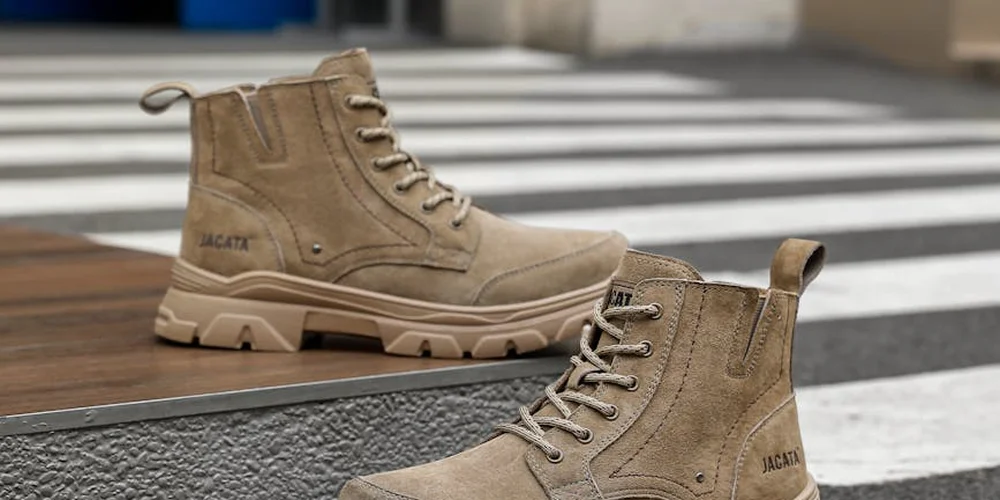
Now, your suede shoes are clean but damp. This next part is all about patience. Do not rush it.
Find a spot in your home with good air circulation, like a room with a gentle breeze from a window. Place the shoes there, away from direct sunlight, radiators, or hair dryers. Heat dries leather too fast. It can make suede brittle and cause the fibers to shrink or crack. Air drying at room temperature lets the moisture leave gently, keeping the leather supple. That same air-drying approach also applies to leather jackets and shoes, helping you dry them without damaging the material.
Let the shoes dry completely on their own; this can take a full day or even longer for thick suede. It’s particularly important to be patient when you dry clean and restore wet or water-damaged suede shoes.
Once the shoes are totally dry to the touch, you might notice the nap looks flat or matted. This is normal. It is time to bring the texture back to life. Take a clean, dry suede brush-one with soft brass or nylon bristles is perfect. Hold the shoe firmly and brush the suede in one direction only, using light, lifting strokes. Imagine you are petting a cat the wrong way to fluff its fur. You are not scrubbing. You are gently coaxing the tiny fibers to stand up again.
I think of my wallet, Scout, after I give it a careful wipe-down. The dark brown veg-tan leather feels a bit stiff at first, but a few passes with a soft cloth brings back its warm, pebbled handfeel. Restoring suede nap is similar. You are reviving the personality of the material.
After brushing, the suede should look fuller and feel soft under your fingers, its velvety texture restored.
Do not be alarmed if the color appears a shade lighter now. Suede often lightens as it dries from a cleaning. This is part of the process. The color usually evens out over the next few hours as the leather settles. If a slight lightening remains, it is a sign of a thorough clean, not damage.
Common Mistakes and Knowing When to Seek Help
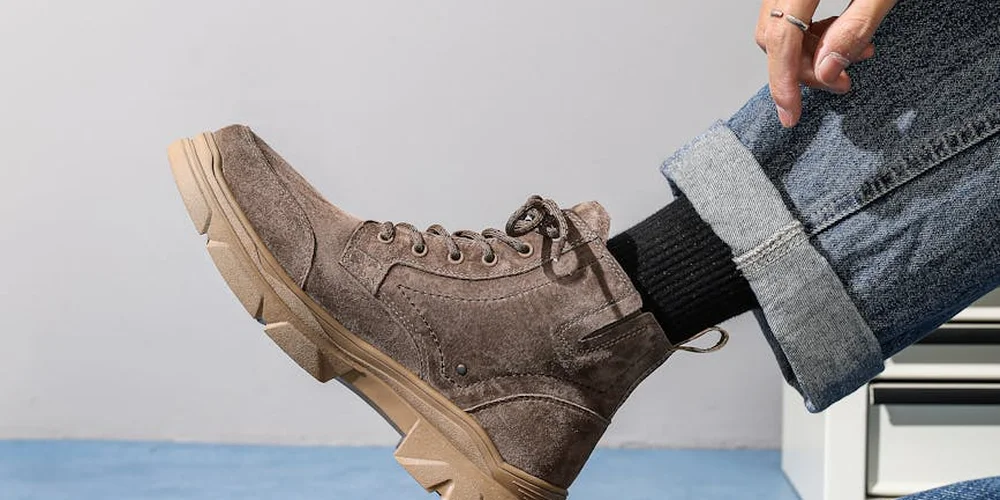
Even with the best intentions, it is easy to slip up. Avoiding these common errors will save your shoes.
- Using heat to dry: Do not place shoes near a heater or use a hair dryer. Heat bakes the leather, robbing it of natural oils and often setting stains or wrinkles permanently.
- Scrubbing aggressively: Pressing too hard with a brush or cloth can tear the delicate nap and grind dirt deeper. Always use a gentle touch.
- Applying soap or oil: Standard leather soap or conditioning oils are for smooth leathers. On suede, they will soak in, create dark spots, and clog the nap, making it greasy and flat.
- Ignoring severe damage: If mold has been sitting for weeks or the shoes were soaked, pushing forward with home care might cause more harm.
Sometimes, the damage goes beyond a simple clean. Look for these signs that mean you should call a professional.
If you see deep, blotchy discoloration that does not fade after drying and brushing, the mold spores may have penetrated too far. If the nap feels slimy or crusty, or if it remains completely matted and will not fluff up no matter how gently you brush, the structure of the suede might be compromised.
For cases like these, consulting a trusted cobbler or leather specialist is the wisest move, much like when my old saddle, Mason, needed expert attention for a deep structural repair.
They have tools and solutions not available at home, and they can assess whether the leather can be saved or needs more intensive treatment. Knowing which methods are most effective for repairing general leather items can guide the decision between at-home care and professional restoration. Do not see this as a failure. It is a responsible choice for preserving something you value.
Remember, most mold on suede is surface-level. With a soft brush, a clean cloth, and a lot of patience, you can handle it at home. Your shoes can come back to life, ready for many more walks, especially if you are careful not to damage the material.
Quick Answers
What’s the very first thing I should do when I spot mold?
Move the shoes to a dry, airy space immediately. Do not attempt to clean them until they are fully dry and at room temperature to prevent setting the stain. Later, you’ll find tips for removing stains from suede across shoes, boots, jackets, and furniture. This can help you keep all your suede items looking their best.
Can I just use soap and water to clean it off?
Absolutely not. Water and traditional soaps will spread spores and flatten the nap permanently. You must use a dry brush first, followed by a controlled, evaporative solution like diluted vinegar.
My shoes are dry and clean, but the nap is flat. Did I ruin them?
Not at all. A flattened nap is normal after treatment. Once completely dry, use a proper suede brush and brush gently with the grain to lift the fibers back up. It may take a few passes.
How can I stop this from happening again?
Storage is key. Keep suede in a cool, dry place with good airflow, never in plastic bags or damp boxes. Use silica gel packs to control moisture where you store them.
When is it time to call a professional?
If the mold has caused deep discoloration, a slimy texture, or a persistent musty smell after treatment, seek a specialist. Severe damage requires tools and expertise beyond home care.
Final Thoughts on Suede Shoe Care
Always begin with a dry brush to gently lift mold away from the nap, never with moisture first. This simple, patient step preserves the texture and prevents the damage that harsh cleaning can cause.
Caring for suede well honors the material and promotes a more sustainable approach to leather goods. Building this skill, much like the regular brushing I give my jacket June, ensures your pieces age with character and last for many seasons.
References & External Links
- The Best Way to Remove Mold from Suede Shoes Without Stains (2025) | MY SHOE SUPPLIES – My Shoe Supplies
- r/AskACobbler on Reddit: Found my favorite suede shoes COVERED IN MOLD. HELP WHAT DO I DO? CAN THESE BE SAVED?
- How to Remove Mould From Suede Shoes: 5 Easy Tips
Harriet is a avid collector of leather goods such as purses, bags, seat covers, etc and has an extensive background in leather care, recovery, stain removal and restoration. She has worked for a number of years perfecting her leather care techniques and knows the ins and outs of restoring all kinds and types of leather products. With her first hand knowledge in leather care, you can not go wrong listening to her advice.
Suede and Nubuck Care