How to Care for Leather in Coastal Climates: Salt Air and Moisture Challenges
Published on: September 25, 2026 | Last Updated: September 25, 2026
Written By: Harriet Nicholson
Hello Tannery Talk. If you love leather but live near the ocean, you might fear that salty breeze and damp air will crack and ruin your favorite bag or boots.
This guide will walk you through practical steps to protect your goods, covering how salt crystals and humidity attack leather, a simple routine for removing salt residue, selecting the best conditioners for moist air, and smart storage habits to avoid mold.
As a leather care specialist who has restored pieces like my salt-exposed jacket June and wallet Scout for years, I can show you how to keep your leather healthy by the coast.
What Salt Air and Humidity Really Do to Your Leather
Think about how your skin feels after a windy day at the beach. It gets tight and dry. Salt air does the same thing to leather. The tiny salt crystals in the air pull moisture right out of the leather’s fibers.
This constant pull dehydrates the leather, making it thirsty and brittle over time. That supple handfeel you love starts to fade.
High humidity brings the opposite problem. Leather is porous. In a constantly damp environment, it absorbs that moisture from the air. A bag or jacket can start to feel cool and slightly damp to the touch, even inside your home. This doesn’t just feel odd.
A damp leather environment is a perfect home for mold spores, which can lead to permanent damage. Proper care and maintenance are essential to prevent such issues.
Does salt air cause leather to crack? Absolutely. Cracking is rarely the first sign of trouble. It’s the final stage. First, the leather loses its natural oils to the dry, salty air. The fibers become stiff and inflexible. Then, when you bend or use the item, those brittle fibers snap apart. My saddle, Mason, developed fine cracks on the flaps from years of salty trail rides before I understood this cycle.
For furniture, humidity is the main concern. A constant 80% humidity can make the leather feel softer than usual, almost spongy. The structure weakens. You might also notice a faint, musty smell in the room. That’s a warning sign. The smell comes from moisture trapped in the leather and the padding underneath.
Can leather mold in high humidity? Yes, it can. Mold doesn’t need a visible spill to grow, just consistent dampness. The first signs are often small, powdery white or green spots. You might see a fuzzy texture on the surface, especially in crevices or on the backside. If your leather piece has a distinct, earthy, and unpleasant odor, check it thoroughly in good light. Catching this early makes all the difference.
How to Clean Leather After a Day by the Sea
Cleaning is not just about dirt. It’s your first defense against salt and sand. Making it a simple habit protects your investment. For my daily carry like Scout the wallet, or after wearing June the jacket near the coast, I do a quick wipe.
Give items a quick, gentle wipe-down with a dry, soft microfiber cloth. Focus on removing surface salt and sand crystals. Do this as soon as you come inside. It takes 30 seconds and prevents abrasive particles from grinding into the grain.
Once a month, or after heavy exposure, do a deeper clean. This routine resets your leather.
- Dampen a clean microfiber cloth with lukewarm water. Wring it out completely. It should only be slightly damp.
- Apply a small amount of a mild, pH-balanced leather cleaner to the cloth, not directly to the leather.
- Wipe the surface using gentle, circular motions. Lift the salt and grime away.
- Use a second cloth, dampened with clean water and well-wrung, to wipe away any soapy residue.
- Let the leather air dry completely before even thinking about conditioner.
How often should you clean leather in a coastal environment? For items used daily or weekly near the sea, a monthly deep clean is wise. For furniture inside a well-sealed home, a thorough clean every three to four months may suffice. Let the leather’s feel guide you. If it feels gritty or has lost its luster, it’s time.
This is the most important rule after cleaning. Never apply conditioner or balm to damp leather. You will seal the moisture inside. Always wait until the piece feels completely dry and cool to the touch. This can take a full 24 hours in a humid climate.
The Right Tools for a Gentle Clean
You don’t need much, but using the right tools prevents damage. Here is what you should have ready:
- Several soft, lint-free microfiber cloths.
- A bowl of lukewarm water.
- A dedicated, pH-balanced leather cleaner. A neutral cleaner is safest for most finishes.
Avoid household soaps, dish detergents, or all-purpose cleaners. They are often too harsh and will strip the leather’s natural oils. Choose dedicated leather cleaners instead. Never soak the leather or run it under a tap. Too much water can swell and distort the fibers, and it takes forever to dry out properly.
Drying Leather the Safe Way
Patience is key here. Rushing with heat causes more harm than the salt did. Always let leather air dry at room temperature, away from direct sunlight, radiators, or hair dryers. Artificial heat can bake the leather, making it stiff and brittle.
Pay extra attention to stitching and seams, as moisture loves to hide there. You can gently blot these areas with the corner of a dry cloth. Leave bags open and stuff them loosely with clean, dry paper to help them hold their shape as they dry. For a jacket, hang it on a wide, padded hanger in a room with good airflow.
Removing Salt Stains Before They Set In

Salt air leaves a gritty film. A splash of seawater leaves a white, crusty ring. I see this all the time on pieces like June, my jacket, after a walk by the shore. The key is speed.
For a fresh, damp stain, your first move is simple. Take a clean, soft cloth, dampen it with plain water, and gently blot the area. Do not rub. You are trying to lift the salt from the surface before it dries and gets pulled into the leather’s fibers. Especially handy if you’re dealing with white salt rings on leather boots after winter. This method helps lift those residues before they set into the leather.
For older, dried salt stains, you need a gentle acid to break the crystals down. A mild vinegar solution works well.
Always perform a patch test on a hidden seam or inside flap first to check for any adverse color change. Wait for it to dry completely before proceeding.
How do I remove salt stains from leather?
Follow these steps in order. You will need white vinegar, distilled water, two soft cloths, and your leather conditioner. Be aware that DIY cleaners—household items like vinegar, alcohol, and soap—can harm leather if not used correctly. The next steps will explain why and guide you toward safer options.
- Mix one part white vinegar with two parts distilled water in a small bowl.
- Dampen a corner of a soft cloth in the solution. Wring it out so it is only slightly damp, not wet.
- Gently dab and wipe the stained area. You will see the white residue start to dissolve.
- Use the dry part of your second cloth to blot away the moisture and dissolved salt.
- Allow the leather to air dry completely, away from direct heat. This might take a few hours.
A common mistake is using too much liquid. You want to dampen the stain, not soak the entire panel. Leather is like skin; a good blot is better than a drenching.
Stain removal strips away salt, but it also takes some of the leather’s natural oils with it. Conditioning immediately after the leather is fully dry is non-negotiable. It replenishes what was lost and protects the now-clean fibers.
Picking the Perfect Conditioner for Humid Days
Humidity changes the game. The air is already full of moisture, so a heavy, wax-based conditioner can sit on top of the leather. It feels greasy and attracts more dust and grit. You need a product that absorbs deeply and bonds with the leather’s fibers.
Think of it like skincare. On a humid day, you choose a light, fast-absorbing lotion, not a thick balm. The same logic applies here.
What are the best leather conditioners for humid climates?
Look for conditioners built with oils that mimic the fats found in healthy leather. Lanolin (from sheep’s wool) and jojoba oil are excellent examples. They hydrate without clogging. Lightweight oil-based conditioners or cream-based products absorb faster than stiff wax-based pastes meant for extreme waterproofing.
My old saddle, Mason, gets a heavier oil in the dry winter. But for my daily carry in a damp climate, like Scout my wallet, a lighter conditioner is perfect.
Applying conditioner in humidity is about thin layers and patience. Use your fingers. The warmth from your hands helps the product penetrate. Put a small amount on your fingertips and massage it into the leather in circular motions. With a small piece like Scout, a dab the size of a pea is enough for the whole exterior.
Let it sit for 15 minutes. Then, take a clean, dry cloth and buff off any excess that hasn’t absorbed. If the leather still feels dry or thirsty to your touch, you can apply a second thin layer. A greasy feel means you used too much or the product is too heavy for the conditions. A well-conditioned piece in humidity should feel supple and rich, not slick.
This method keeps your leather nourished from within, creating a resilient barrier that can handle the moist, salty air without becoming tacky or stifled.
Shielding Leather from Salt and Sun
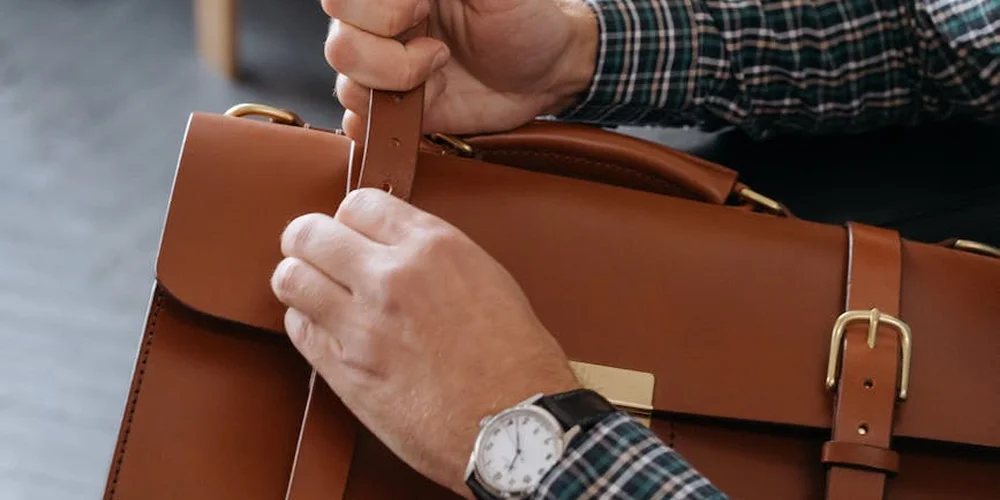
Think of a quality leather protector spray as a lightweight, invisible raincoat for your bag or boots. It won’t make leather waterproof, but it adds a thin barrier that repels moisture and helps stop salt from settling into the pores. This gives you a few extra moments to wipe away a splash before it soaks in. From a science perspective, these treatments form a durable film that repels water and salts. Their longevity depends on the formula and how you maintain the leather, which is why reapplication intervals matter.
Should I use a leather protector spray near the ocean?
It’s a smart extra step, but it’s not a magic shield. The pros are clear: it adds a layer of defense against salty mist and light rain. The potential con is that some sprays can slightly affect the leather’s natural feel or breathability if over-applied. The key is to choose a spray designed for leather and apply it correctly over a clean, conditioned surface. Look for water-based, non-aerosol formulas that are free of harsh silicones.
How to Apply Protector Spray the Right Way
Getting a good result is all about technique. Here’s how I apply it to pieces like Scout my wallet before a trip.
- Work in a well-ventilated space, like a garage with the door open.
- Hold the can 6 to 8 inches from the leather. Spraying too close can cause a sticky buildup.
- Use steady, side-to-side motions for an even, light coat. You want a fine mist, not a soaking.
- Let it dry completely, usually for a few hours or overnight, before using the item. A second light coat can be applied for heavy-use items.
Sun exposure is a separate, relentless challenge. Ultraviolet (UV) light breaks down leather’s fibers and dyes over time, leading to dry, stiff, faded material. Keeping leather out of direct, prolonged UV light is the single best form of prevention. Chemistry also governs leather aging, and humidity can accelerate it. Moisture causes fibers to swell and dyes to migrate, compounding UV damage when both factors are present.
How do I prevent leather fading from sun exposure at the beach?
Planning makes all the difference. If you’re driving, use a window shade or park your car in the shade to protect items on the seat. At home, keep leather furniture and bags away from windows with strong sunlight. For a day out, simply tuck your bag under a chair or in a tote when you’re not using it. Those small acts of shade add up to years of richer color.
Storing Your Leather So It Lasts
When your leather isn’t in use, proper storage is your most powerful tool. Proper storage can prevent your leather goods from getting damaged over time. In a humid climate, the air inside your home holds the real threat.
I focus on climate control first. A small dehumidifier in a closet or storage room works wonders. For smaller spaces like a drawer or a storage box, reusable silica gel packets are fantastic. They silently pull moisture from the air, creating a safer microclimate for your goods.
What is the best way to store leather items in a coastal home?
Find a cool, dark, and dry interior cabinet or closet. An interior hallway closet is often better than one on an exterior wall. The goal is steady, moderate conditions.
Never store leather in plastic bins or airtight containers. Plastic traps any existing humid air inside, creating a perfect environment for mold to grow on your precious leather. Instead, use breathable barriers and follow long-term storage solutions for leather goods.
I store my jacket, June, in a plain, clean cotton pillowcase during the off season. A canvas storage bag or even an old cotton sheet works perfectly. This fabric allows the leather to breathe while protecting it from dust and light.
Before any item goes into storage, it must be properly prepared. I always give June a gentle clean with a damp cloth to remove dust and salt residue, then follow with a light application of conditioner. This ensures the leather fibers go into hibernation well-nourished, not dry and stressed. Taking those twenty minutes now prevents days of repair work later.
Bringing Damaged Leather Back to Life
The first step is always a calm inspection. You can’t fix what you don’t understand. Take your piece to a well-lit, dry area indoors.
Run your hands over it. Does it feel stiff and board-like, like Mason did after a wet winter in the shed? Look for color changes, especially white, chalky patches or a dusty, greenish film. That’s likely salt residue or mold. A musty smell confirms it.
Identifying the main issue guides your entire rescue mission, saving you time and preventing further harm.
Gentle Cleaning for Mold and Salt
If you see or suspect mold, safety first. Take the piece outside or to a very well-ventilated area to avoid breathing in spores. Wear gloves and a mask if you have one.
For light mold or salt crust, you need a gentle, neutral leather cleaner and a soft-bristle brush, like a horsehair shoe brush.
- Brush away any loose, dry particles gently.
- Apply a small amount of cleaner to a soft, white cloth-never directly to the leather.
- Wipe in small, circular motions, working on one section at a time. Rinse your cloth in clean water often.
- Use a second damp cloth to wipe away any cleaner residue.
The next step is non-negotiable: thorough drying away from direct heat and sunlight. Stuff bags or boots with crumpled paper to hold their shape. Let the piece air dry completely for 24-48 hours. Any trapped moisture will cause the problem to return.
The Rehabilitation: Restoring Flexibility
Once bone-dry, the real work begins. Think of stiff, damaged leather as severely dehydrated. You can’t chug a gallon of water in one go. You need small, steady sips.
This is where patience pays. Use a light, pH-balanced leather conditioner or a dedicated leather milk.
- Apply a tiny, thin layer with your fingers or a cloth. Your goal is to barely coat the surface.
- Let it absorb fully for an hour.
- Feel the leather. If it still feels dry and thirsty, apply a second whisper-thin layer.
- Repeat this process over several days, conditioning once per day, until the leather feels supple again. For my saddle Mason, this took four sessions over a week.
Multiple light feeds allow the leather’s fibers to swell and soften gradually without becoming greasy or clogged. You are coaxing it back to health, not forcing it.
Knowing When to Call a Professional
Some damage is too deep for home care. If the leather is cracked all the way through, if the structural stitching is rotten, or if the mold stain persists after cleaning, a professional restorer is your best hope.
Severe red mold, extensive white powdery bloom that won’t wipe off, or a pervasive rotten smell also signal it’s time for expert help. A good restorer can often perform near-miracles, saving a piece you thought was lost for good.
Prevention is the Simplest Cure
Every rescue story reinforces the same lesson. The mild, consistent care we talked about earlier-a quick wipe-down after a seaside walk, a light conditioning every few months-prevents almost all of these severe issues.
Scout, my wallet, lives in my pocket every day and has never needed a rescue. It just gets a simple conditioning every six months. That’s the goal. A tiny bit of regular attention is infinitely easier than a major rehabilitation project later. Your leather just wants to be cared for, not cured.
Common Questions
How can I protect leather from salt air damage?
The best protection is a simple routine. Wipe pieces down with a dry cloth after exposure to remove salt crystals, and keep them conditioned with a lightweight, absorbing product to maintain their natural moisture barrier.
Should I use a leather protector spray near the ocean?
It can be a useful extra layer for frequently used items, but it is not a substitute for proper cleaning and conditioning. Always apply a thin coat to clean, dry leather and allow it to cure fully before use.
What is the best way to store leather items in a coastal home?
Store them in a cool, dark, interior closet-not on an exterior wall. Use a breathable cotton cover, never plastic, and consider a dehumidifier or silica gel packets to control ambient moisture.
Caring for Your Leather by the Coast
The main goal is simple. Wipe salt away before it dries, and keep the leather conditioned so moisture can’t settle in. A quick, consistent routine beats a major restoration every time.
Choosing well-made items from responsible sources gives you a stronger foundation for this long-term care. Sharing these practical habits helps ensure every leather good, from a trusted bag to an heirloom jacket, earns its story beautifully.
Expert Resources and Citations
- Leather & Environment: How Climate Conditions Affect Your Leather – Mission Leather Co
- Leather Care in Humid and Rainy Climates: Expert Tips | Old Town Leather Goods
- Can Real Leather Last in Humid Climates? – Nicoline Asia
- How to Keep Your Leather Looking Luxurious in Humid Climate – Nomadic Camel
- Leather Care in Tropical Climates | Fibrenew International
Harriet is a avid collector of leather goods such as purses, bags, seat covers, etc and has an extensive background in leather care, recovery, stain removal and restoration. She has worked for a number of years perfecting her leather care techniques and knows the ins and outs of restoring all kinds and types of leather products. With her first hand knowledge in leather care, you can not go wrong listening to her advice.
Cleaning Frequency by Climate