How to Keep Your Leather Boots and Jackets Safe in Sub-Zero Cold
Published on: September 1, 2026 | Last Updated: September 1, 2026
Written By: Harriet Nicholson
Hello Tannery Talk. I see that worry in your eyes when your trusted leather gear feels stiff and dry after a bitter cold day.
This guide will walk you through preparing leather for winter, treating salt and moisture damage, and choosing the right conditioners to prevent cracks.
I have conditioned and repaired leather for years, from keeping my saddle Mason supple in frost to ensuring June’s jacket stays soft through every winter.
What Does Extreme Cold Actually Do to Leather?
Think of a supple leather fiber like a tiny, flexible tube. Inside and around it are natural oils and waxes that keep it soft. When temperatures plunge, two things happen at once. The fibers themselves tighten and contract. The oils inside them thicken and stiffen.
Together, this makes the leather brittle, just like a green leaf that freezes solid and shatters when you touch it. It loses the flexibility that makes it durable.
You can feel and hear this change. The leather develops a stiff, almost cardboard-like handfeel. You might hear a faint, dry creaking sound when you bend it. If you look closely in bright light, you might see a web of tiny, light-colored lines starting to form in the grain. These are micro-cracks, the first sign of damage.
A dry, frigid climate pulls moisture from the leather, speeding up this drying and cracking. A damp, salty cold, like near an ocean or on treated roads, is a double threat. The moisture can promote mildew if the leather isn’t dried properly, and road salt is corrosive.
I learned this firsthand with my calfskin jacket, June. After a week of sub-zero commutes, it didn’t drape over my shoulders the same way. It felt resistant, like it needed to warm up before it could move with me again.
How to Prepare Your Leather Before the Cold Hits
Getting your leather ready for winter is not a suggestion. It’s a necessary ritual, similar to winterizing a car or putting storm windows on a house. A little effort now prevents damage you can’t reverse later.
Follow this three-step pre-winter ritual about two weeks before the deep cold sets in. This gives products time to fully absorb and cure.
- Clean Thoroughly: Use a neutral, pH-balanced leather cleaner and a soft brush or cloth. Remove all dirt, salt, and old grime. Dirt particles act like sandpaper on brittle fibers.
- Condition Deeply: This is the most critical step for cold weather. Skip light conditioners. You need a heavier, wax-based balm or conditioner. These products are richer and designed to replenish the stiffened oils and create a more protective barrier. Apply a generous, even coat and let it soak in overnight.
- Apply a Protectant: For items like boots that will face snow, slush, and road salt, finish with a dedicated leather protectant spray or a heavy wax dressing. This adds a water-resistant shield.
For extreme conditions, a wax-based conditioner is your best defense because it replaces the stiffened natural oils with a more flexible, protective layer. Think of it as putting a durable, breathable sweater on the leather’s fibers.
Your preparation will differ by item. Heavy work boots or hiking boots need the full three-step defense, focusing on seams and welts. A dress leather jacket still needs the deep conditioning, but you might use a slightly lighter balm on the body and reserve heavy wax for the shoulders and collar, which face more direct weather.
Always check seams and stitching during your cleaning. Thread can become brittle in the cold, and tension on a weak stitch can cause a tear. If you see loose threads, a simple dab of flexible leather glue can secure them before they become a problem.
Your Daily Care Routine for Boots and Jackets in the Cold
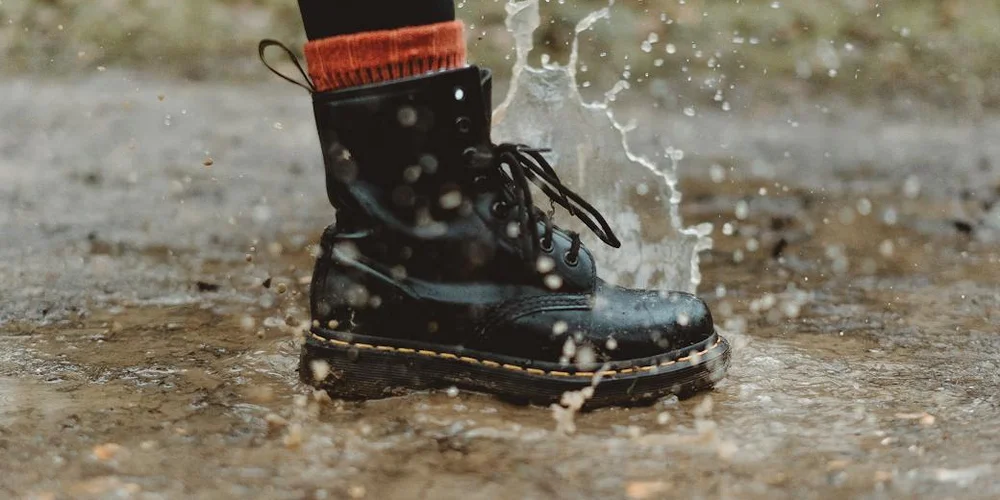
Cold leather is brittle leather. Your main job is to help it transition safely from the freezing outdoors back to your warm home, especially when temperature and humidity can affect leather.
Follow these steps every time you come in from the cold to prevent cracks and salt stains.
- Let it rest. Never place frozen leather near a radiator, fireplace, or heater. Think of it like thawing meat too fast-it ruins the texture. Let your gear sit at room temperature for an hour.
- Wipe it down. Use a cloth dipped in lukewarm water, then wrung out until it’s just damp. Wipe the entire surface to remove road salt, slush, and grime. Salt is leather’s enemy, drawing out moisture and leaving white, crusty marks.
- Dry it properly. Use a second, dry, soft cloth to buff away any remaining moisture. Let the item finish air-drying away from heat sources.
- Spot-treat. Feel the leather. Areas that were soaked or scuffed will feel stiff and dry. Apply a small dab of conditioner just to those spots and rub it in with your fingers. This is daily maintenance, not a full conditioning.
This routine is for your outerwear. My wallet, Scout, lives in my pocket and never sees salt or sleet. Your boots and jacket need this daily defense.
Special Care for Winter Boots
Boots take the hardest beating. They deal with wet snow, sharp ice, and puddles of salty brine.
Focus your effort on the areas that contact the ground and the wet.
Keep a stiff-bristled brush by the door. Before you wipe the uppers, brush all the salt, sand, and snow off the soles and welts. This stops abrasive grit from scratching the leather later. This also helps preserve the leather’s finish over time. The next section will cover the best cleaning methods to keep leather boots and shoes looking their best.
If the boots are very wet, stuff the toes with crumpled newspaper or a boot tree. This absorbs moisture from the inside and helps the boot keep its shape as it dries. Never dry them upside down-water pools in the toe cap.
Special Care for Winter Jackets
Jackets face a different kind of stress. Friction and constant cold air target specific points.
Pay close attention to the collar, cuffs, and anywhere a zipper rubs against the leather.
These are high-wear zones that lose their natural oils fastest. After your damp cloth wipe, feel these spots. They often need that extra dab of conditioner to stay supple.
When you take your jacket off, don’t crumple it into a closet if it’s at all damp. Hang it on a broad, sturdy hanger in a room with good air flow. This lets any lingering moisture evaporate naturally and prevents musty smells from setting in.
What Are the Best Products for Leather in Extreme Cold?
Forget fancy marketing terms. In deep cold, you need products that nourish deeply and create a resilient barrier.
Heavy Oils vs. Rich Creams
The choice depends on the leather’s job.
For rugged work boots or boots meant for deep snow, a heavy oil or grease is best. These products penetrate deeply to waterproof from within and keep the leather fibers flexible when the temperature plummets. They will darken the leather significantly. For many boot types—including work, hiking, and dress boots—mink oil is a popular option to keep leather supple. A simple guide to mink oil application can help you apply it correctly without overdoing it.
For a leather jacket like my calfskin June, a rich, wax-based cream or conditioner is better. It provides a protective layer on the surface to repel snow and salt, while still nourishing the leather without making it overly greasy. It darkens the leather less than a heavy oil.
Choosing a Protectant
A good winter protectant needs two qualities: water resistance and salt repellency.
Look for products based on natural waxes, like beeswax, or lanolin. These ingredients form a gentle, breathable shield on the leather’s surface. They help moisture bead up and roll off, and they make it easier to wipe salt away before it soaks in. Unlike oils, waxes primarily sit on the surface to provide that protective layer.
Avoid silicone-based sprays and conditioners. They can create a non-breathable plastic-like coating. In winter, this can trap moisture against the leather, and that trapped moisture can freeze, making the leather stiff and prone to cracking from the inside. That’s why breathable conditioning helps prevent leather from drying out and cracking. In the next steps, we’ll share practical tips to keep leather supple.
Your Winter Leather Care Kit
Keep it simple. You can assemble this from common products:
- A small tin of wax-based leather conditioner or cream.
- A few soft, clean cloths (old t-shirts work perfectly).
- A stiff brush for boot soles.
- A travel-sized bottle of a gentle, pH-balanced leather cleaner for unexpected heavy grime.
This fits in a small bag. A quick spot-treatment with the cream can save a boot from salt damage until you can give it a full clean at home.
How to Fix Leather Already Damaged by Cold and Dryness
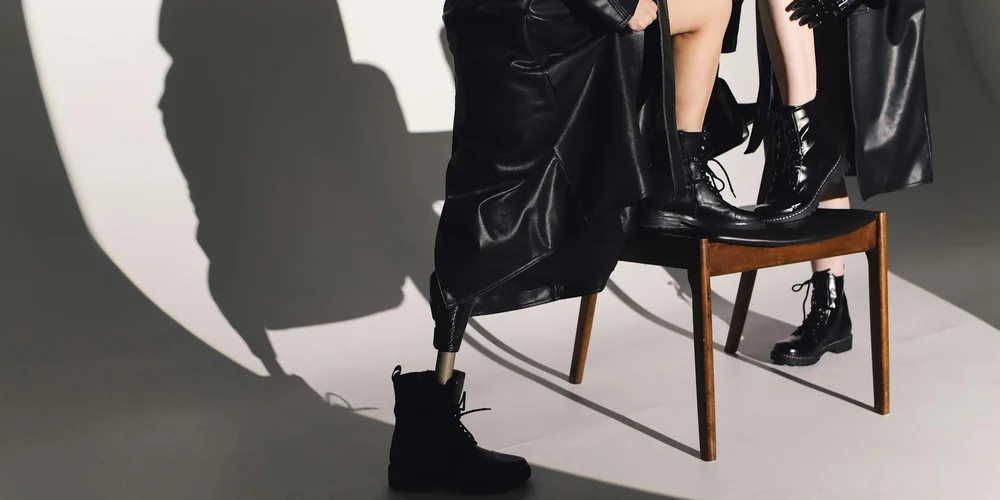
You pull your favorite leather boots from the closet. They feel stiff as a board. The surface looks pale and you see fine lines. Your first thought is, “Is it ruined?” Take a breath. In most cases, it is not. Leather is a resilient material, and winter dryness often causes a temporary drought that you can reverse with careful care.
The Leather Rehab Process: Patience is Your Best Tool
Think of this like nursing a plant back from underwatering. You wouldn’t drown it. You give it small, steady drinks. Your leather needs the same approach. Here is the step by step method I use on pieces like Mason, my old English saddle, every spring.
- Gentle Cleaning: Start with a soft, dry brush to remove salt and grit. Then, use a damp cloth with a drop of pH-neutral leather cleaner. Wipe gently. Do not soak the leather. Let it air dry completely, away from direct heat.
- First Conditioning Session: Apply a light, nourishing leather conditioner or cream. Use your fingers to feel the warmth help it absorb. Apply a very thin layer over the entire piece. Let it soak in for 24 hours.
- Assess and Repeat: After a day, feel the leather. Is it still stiff and thirsty? If so, apply another thin layer. I often need two or three light sessions with Mason after a dry winter before he feels supple again.
- The Final Buff: Once the leather feels replenished, use a soft cloth to buff off any excess conditioner. This brings up a gentle, healthy shine.
This process works because you are slowly reintroducing oils and waxes to the leather’s fibers, allowing them to relax and swell back to health. The fine white lines (crazing) may lessen but not always disappear completely. They become part of the story.
When to Call a Professional
You can handle dryness and stiffness at home. You should seek a professional leather repair specialist if you see deep, open cracks where the surface has split, or if the leather is flaking apart. Major structural damage, like a torn boot seam or a jacket lining that has separated, also needs expert hands.
Storing Your Leather When the Cold Season Ends
Spring arrives. You have nursed your gear back to health. Now, protect that investment for next year. Proper storage is how you prevent the same damage from happening again. It is the final, crucial step in your leather’s winter care cycle.
The Pre-Storage Ritual
Never store leather that is dirty, damp, or hungry. Follow this checklist before it goes into the closet.
- Deep Clean: Give the item one thorough, final cleaning. Remove all traces of salt, dirt, and old conditioner residue.
- Condition Thoroughly: Apply a generous, even layer of your preferred conditioner. This creates a reservoir of protection for the months ahead.
- Ensure Complete Dryness: Let the piece air dry for at least 48 hours in a room-temperature space. Check hidden areas like boot tongues and jacket armpits.
Choosing the Right Storage Space and Method
Where and how you store leather matters just as much as cleaning it.
For my thick winter jacket, June, I use a padded, wide-shoulder hanger in a cool, dark closet. I ensure the sleeves are not cramped. For insulated boots, I stuff the shafts with acid-free tissue paper or a rolled-up towel to help them keep their shape. Never store leather in a hot attic, a damp basement, or in direct sunlight.
The most common mistake is using plastic bags or vinyl garment covers. Plastic traps moisture and causes mildew, which destroys leather. Always use a breathable cotton storage bag or a plain cotton pillowcase if you need a dust cover. This allows the leather to breathe while staying protected. Doing proper cleaning, conditioning, and storage helps maintain its look and durability. These simple care steps tie into keeping your jacket in top condition over time.
When you follow these steps, you are not just putting something away. You are preserving it. Your leather will be ready, supple, and strong when the first frost returns.
Common Questions
How do I get salt stains off my leather boots?
Act fast. Remove any oil stains from the area by wiping it with a cloth dampened with lukewarm water and a drop of pH-neutral leather cleaner, then dry it with a second cloth. Follow up with a dab of conditioner on the spot to replace the stripped oils.
How often should I condition my jacket during winter?
It depends on wear. For a jacket worn daily in harsh conditions, a light spot-conditioning on high-stress areas like the cuffs and collar every few weeks is wise. A full, deep conditioning should only be needed once or twice a season if you prepared it properly.
Should I treat suede or nubuck the same as smooth leather in the cold?
No, you should not. Their rough nap is more vulnerable. Use a specialist spray protector formulated for suede/nubuck before winter hits, and always brush off salt and snow with a dedicated suede brush when dry-never use a wet cloth initially.
My leather got soaked through. Should I condition it right away?
Absolutely not. Let it dry naturally at room temperature first, stuffed with paper if it’s a boot. Conditioning wet leather traps moisture inside, which can lead to mildew or freeze and cause damage from within. For drying a leather jacket or leather shoes without damage, a concise guide follows in the next step.
Keeping Your Leather Safe in the Cold
Always condition your leather boots and jackets before winter sets in. This prepares the fibers to handle sub-zero stress without drying out or cracking.
Responsible leather care honors the animal by extending the life of each piece through mindful maintenance. Building your skills with different leathers, like veg-tan on Scout or calfskin on June, turns routine care into a sustainable craft.
Sources and Additional Information
- Men’s Leather Jackets – Thursday Boot Company
- Are Leather Jackets Warm? Benefits For Cold Weather
- Different Types of Shoes to Pair With Your Leather Jacket
- Overland Sheepskin Co. – Fine Sheepskin & Leather Since 1973 | Overland
- How to Pair a Brown Leather Jacket and Black Boots? | Sherpa Leather
Harriet is a avid collector of leather goods such as purses, bags, seat covers, etc and has an extensive background in leather care, recovery, stain removal and restoration. She has worked for a number of years perfecting her leather care techniques and knows the ins and outs of restoring all kinds and types of leather products. With her first hand knowledge in leather care, you can not go wrong listening to her advice.
Cleaning Frequency by Climate