Can You Use UGG Cleaners and Protectors on Other Leather Boots?
Published on: May 6, 2026 | Last Updated: May 6, 2026
Written By: Harriet Nicholson
Hello Tannery Talk. You’re eyeing that UGG bottle for your non-UGG leather boots, wondering if it’s a safe shortcut or a recipe for regret.
Let’s get straight to it. We will cover what makes UGG products unique, which leather types they can handle, the real risks of using them on the wrong material, and how to choose the right care for your specific boots.
I’ve conditioned, repaired, and lived with leather for years, from oiling Mason’s workhorse saddle to gentle cleaning on Scout’s wallet, so I can give you practical, tested advice.
What UGG Products Are Really Made For
Think of UGG’s signature sheepskin and suede like your favorite, broken-in sweater. It’s fluffy, soft, and feels like a hug for your feet. That unique texture is what their cleaners and protectors are designed to care for.
These products use gentle formulas. Cleaners often have mild surfactants that lift dirt without saturating the delicate fibers. Protectors typically use specific silicones or fluoropolymers made to repel water and stains from a napped surface.
This is very different from a general leather conditioner for something like my old saddle, Mason. Mason needs oils and waxes to soak into the dense hide and keep it supple. Applying a product made for fluffy suede to a thirsty work boot would be like giving a fish a glass of water—it’s the wrong kind of moisture for the job.
UGG care kits are engineered for one specific type of material. They are brilliant specialists, not universal handymen.
The Core Ingredients and Their Job
Let’s break down what these ingredients actually do. Fluoropolymers in protectors sit on top of suede and nubuck fibers, creating an invisible shield against water and oil. Mild cleansers are like a light rain shower, rinsing away surface grime without drowning the material.
Now, contrast that with what a polished calfskin boot or a full-grain leather bag like June needs. These smooth leathers have a tight grain or a topcoat finish. They need nourishment from within using conditioners with lanolin, neatsfoot oil, or beeswax. A suede protector sprayed onto June’s jacket would just sit on the surface, likely creating a sticky, discolored patch that blocks her leather from breathing.
The Risk of Using UGG Care on Other Leathers
Using the wrong product can leave a permanent mark. Imagine a stiff, dark patch on the vamp of a smooth leather Derby shoe. Or a flattened, greasy spot on the suede collar of a different brand’s jacket where the protector gummed up the nap.
If you use a UGG protector on patent leather, it will likely leave a cloudy, residue-filled film that is very difficult to remove. Using it on another brand’s suede is a gamble-it might work, or it might darken the color unevenly or alter the handfeel.
Think of it like using dish soap on a wool coat. It might clean a spill, but it will strip the wool’s natural lanolin, leaving it harsh and brittle. The same principle applies here: a formula for one leather type can strip or coat another in a damaging way.
While a general suede cleaner can usually work on UGGs, the reverse is not true. Their specific protector formula isn’t meant for your smooth leather wallet or your oil-tanned work boots. If you’re exploring the best methods and products for cleaning suede shoes and boots, you’ll want options that preserve the nap and color. In short, opt for purpose-built suede cleaners and protectors rather than multipurpose formulas.
Spot Test or Regret It
This step is non-negotiable. Before any new product touches the main surface, you must test it.
Find a hidden spot. Inside the tongue, behind a strap, or on the very bottom of the sole. Apply a small dab of the product as directed. Let it dry completely, which usually takes a few hours.
Then, investigate. Look for three clear warning signs: a change in color (bleeding or darkening), a stiffened feel to the leather, or an unnatural, glossy shine where there shouldn’t be one. If you see any of these, stop. That product is not for that leather. It’s a simple five-minute step that can save a beloved pair of shoes.
Reading the Label and Knowing the Limits
UGG states their products are designed for their specific sheepskin and leathers. That is the official line. Using them elsewhere is a step into unknown territory.
Where might you get away with it? The safest bet is on similar materials. Other sheepskin boots or unlined nubuck sneakers are the closest matches. The cleaners are often gentle, and the protectors are formulated for a soft nap.
The real danger lies in using these products on leathers they were never meant for.
Do not use UGG protectors or conditioners on oil-tanned leathers, like some rugged work boots. These leathers need specific oils and waxes. A sheepskin conditioner can leave a sticky, gummy residue. Never use them on polished dress shoes or any leather with a shiny finish. The protector can cloud the polish, and the cleaner can strip it right off.
Many people ask, “Can I use the UGG spray on my other suede shoes?” My advice is to test first. The spray might work on a similar nubuck. But suede varies. Always spray a tiny, hidden area and let it dry completely. Check for dark spots or a stiff feel. If the test spot looks good, you might proceed with caution. A dedicated suede protector is always the safer choice. Even then, it’s important to apply and use the protective spray properly.
Better Choices for Your Other Boots and Shoes
Your leather deserves a product made for its personality. The right tool does not just clean, it preserves the soul of the material. Every leather item requires proper care tailored to its unique characteristics.
For robust, full-grain boots like my old saddle, Mason, you need a two-step clean and condition. Use a saddle soap or a pH-balanced leather cleaner with a damp cloth. Follow with a generous application of a dedicated leather conditioner or balm. Rub it in by hand, let it soak, then buff.
For a soft calfskin jacket like June, skip the heavy soap. Use a dedicated leather cleaner for garments. Condition with a light cream conditioner. Work it into the creases gently. This maintains the soft handfeel without over-oiling.
For napped leathers like suede or nubuck, a dedicated kit is non-negotiable. It will have a soft brass-bristle brush, a rubber eraser for scuffs, and a specialized protector spray. This combo lifts dirt, revives the nap, and shields without discoloration.
Matching the product to the leather type makes care simpler and guarantees you won’t alter the item’s fundamental character.
Building Your Care Kit
You do not need a cabinet full of potions. A few versatile products handle most situations safely.
- A neutral, pH-balanced leather cleaner for smooth-finished leathers (boots, bags, jackets).
- A quality leather conditioner or balm, also for smooth finishes.
- A dedicated suede and nubuck care kit with a brush, eraser, and cleaner.
- A suede protector spray, specifically labeled for suede/nubuck.
- Soft, lint-free cloths and a few good brushes (soft horsehair for polishing, stiffer bristles for cleaning soles).
Notice the key point: the suede protector is its own item. Do not use a generic waterproofing spray or a protector meant for finished leather. A true suede protector is designed to repel water without flattening the delicate nap. It is the only safe choice for those materials.
How to Decide What to Use on Your Shoes
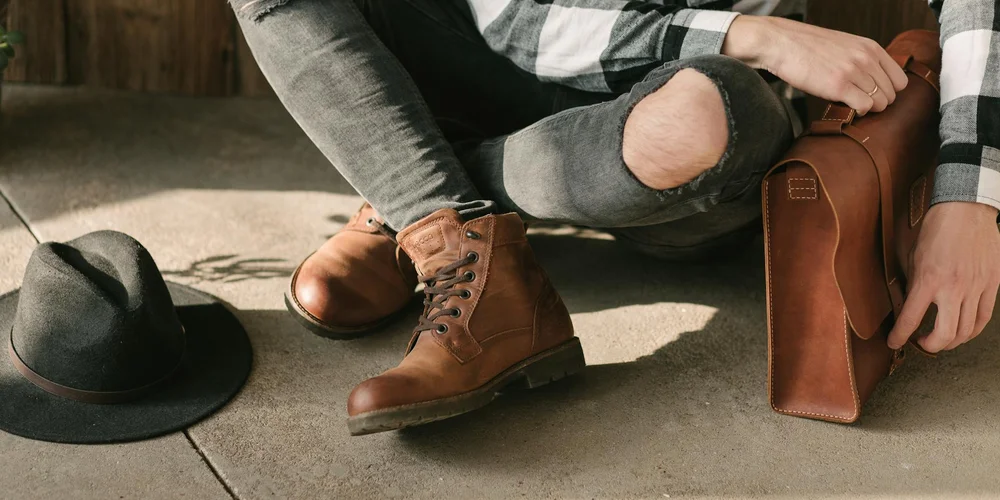
Let’s break this down. You have a pair of boots and a bottle of UGG care product. Your decision starts with two simple questions.
The Simple Two-Step Check
Think of this as a quick chat with your leather. You just need to ask and then listen to the answer.
- What type of leather is it? Look closely. Is it smooth and polished like June, my jacket? Is it nubby and fuzzy? Is it a waxy, pull-up leather that changes color when you bend it? The label inside can sometimes help, but your eyes and fingers are the best tools.
- What is the product meant to do? Read the bottle. Is it labeled specifically for “suede and nubuck”? Is it a “cleaner and conditioner” for sheepskin? A waterproofing spray? Match the product’s stated purpose to your leather’s need.
The safest path is to use a product designed for the specific leather you are holding. A suede cleaner is formulated for suede’s delicate nap. Using it on a glossy, finished leather won’t hurt, but it also won’t clean effectively. The reverse, however, can cause damage. If you’re wondering about the best products and methods for cleaning leather, the next steps will cover them. They will guide you on what works best for different leathers.
A Text-Based Guide to Matching
Here is your actionable guide. Start at the top.
- Step 1: Identify Your Leather.
- Is it fuzzy or velvety? That’s suede or nubuck. Go to Step A.
- Is it smooth and finished? That could be full-grain, top-grain, or corrected grain. Go to Step B.
- Is it oily or waxy and changes shade when flexed? That’s pull-up or waxed leather. Go to Step C.
- Step 2: Match the Product Purpose.
- Step A (Suede/Nubuck): Only use cleaners and protectors made for suede/nubuck. These are usually sprays or gentle foam cleaners. Using a conditioner for smooth leather will mat and ruin the nap.
- Step B (Smooth Finished Leather): Use a neutral, pH-balanced cleaner and a separate conditioner. A product made for sheepskin boots might be too heavy and leave a residue on your sleek dress shoes.
- Step C (Pull-Up/Waxy Leather): These often need less conditioning and more occasional cleaning with a damp cloth. A heavy-duty cleaner can strip their protective waxes. A light application of a dedicated waxed leather conditioner is best.
A common mistake is grabbing a “one-size-fits-all” cleaner in a hurry. I did this once on an old satchel, using a strong saddle soap meant for rugged leather like Mason on a more delicate piece. It dried it out unnecessarily. The simple fix was a generous application of a lighter conditioner to restore the moisture.
When you have any doubt, the golden rule is to use a product made for that specific leather type. It is the most reliable way to care for your investment. Knowing the different types of soft leather and their key characteristics can help tailor care and maintenance. This awareness guides you in choosing the right products for each piece.
This might sound detailed, but proper care is simpler than it seems once you know these basics. It boils down to knowing your leather and reading the label. Your boots will thank you for the attention with years more wear. Conditioning them properly is just one part of that care.
Common Questions
What’s the official word from UGG on using their products elsewhere?
UGG’s labels clearly state their products are formulated for their specific sheepskin and suede materials. Using them on anything else is an off-label experiment they do not recommend or support.
On which types of footwear should I absolutely avoid using a UGG protector?
Never use it on patent leather or any high-gloss finish, as it will create a permanent cloudy film. Also avoid oil-tanned or waxed leathers, like those on many work boots, as the formula can create a gummy, incompatible residue.
What’s a straightforward alternative product strategy for a mixed collection?
Build a simple two-product kit: a neutral leather cleaner and conditioner for all smooth-finished leathers, and a dedicated suede/nubuck kit with a brush and protector spray for any fuzzy materials. This covers 95% of footwear safely, incorporating recommended cleaning methods.
Caring for Your Leather with Confidence
Always test a UGG cleaner or protector on a small, hidden spot before using it on your whole boot. This quick check saves you from surprises and confirms if the product suits your leather’s unique needs.
Responsible care means honoring the leather by supporting ethical sourcing and gentle maintenance. Keep building your skills with each clean and condition-it’s how pieces like my jacket June earn their lasting character.
Research and Related Sources
- Care and Cleaning Kits | Sheepskin & Suede | UGG® Official
- UGG Boot Cleaning | Full immersion cleaning | LeatherCareUSA.com
- UGG® Leather Care Kit | UGG® Official
Harriet is a avid collector of leather goods such as purses, bags, seat covers, etc and has an extensive background in leather care, recovery, stain removal and restoration. She has worked for a number of years perfecting her leather care techniques and knows the ins and outs of restoring all kinds and types of leather products. With her first hand knowledge in leather care, you can not go wrong listening to her advice.
Boot and Shoe Care