Saddle Soap Explained: What’s In It, How to Use It, and Top Leather Care Alternatives
Published on: June 16, 2026 | Last Updated: June 16, 2026
Written By: Harriet Nicholson
Hello Tannery Talk. You might be looking at your leather gear, unsure if saddle soap is the gentle clean it needs or if there’s a better option out there.
This article will clear that up. We cover what saddle soap is made of, how to use it step by step, and the best alternatives for different leather types.
My advice comes from years of hands-on care for pieces like my trusty saddle Mason and soft calfskin jacket June.
What Exactly Is Saddle Soap and What Does It Do?
Think of saddle soap as a two-in-one cleaner and light moisturizer for leather. It is a mild, waxy soap made to tackle the heavy dirt and sweat that builds up on working gear. What saddle soap does is lift away surface grime while putting back a small amount of oils to keep the leather from drying out.
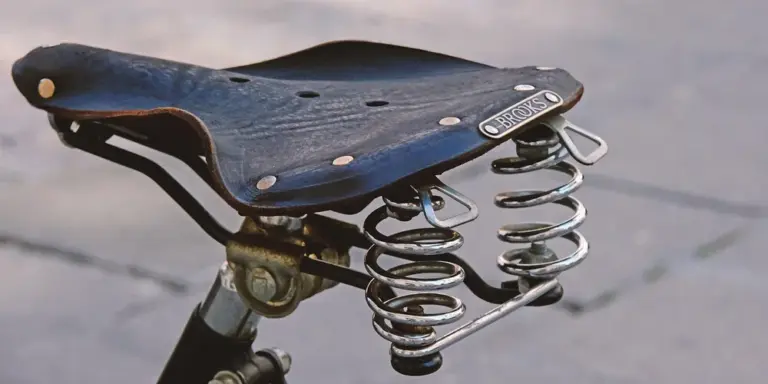
I use it on Mason, my English saddle, before every deep conditioning. It gets rid of the trail dust and horse sweat without stripping the leather’s natural oils. Its job is to prepare the surface, not finish the job.
It is not a deep conditioner, and it is not a waterproof sealant. Using saddle soap alone is like washing your face but skipping the moisturizer. Your leather will be clean, but it will still need a dedicated conditioner to stay supple and protected.
This product comes from caring for horse tack. Saddles and bridles face mud, sweat, and constant flexing. A simple, effective cleaner that also maintained the leather was essential. That practical heritage is why it remains a trusted first step for many leather goods today.
What’s in the Tin? A Look at Saddle Soap Ingredients
When you look at what is in saddle soap, you will usually find three key parts working together: soap, oil, and wax.
- Soap: This is the cleaner. It is a gentle, often glycerin-based soap that breaks down dirt and oils on the surface.
- Oil: This is the conditioner. Lanolin (from sheep’s wool) or neatsfoot oil (from cattle) are common. They moisturize the leather fibers as you clean.
- Wax: This is the light protector. Beeswax or carnauba wax leaves a faint, flexible layer that adds a subtle sheen and a bit of water resistance.
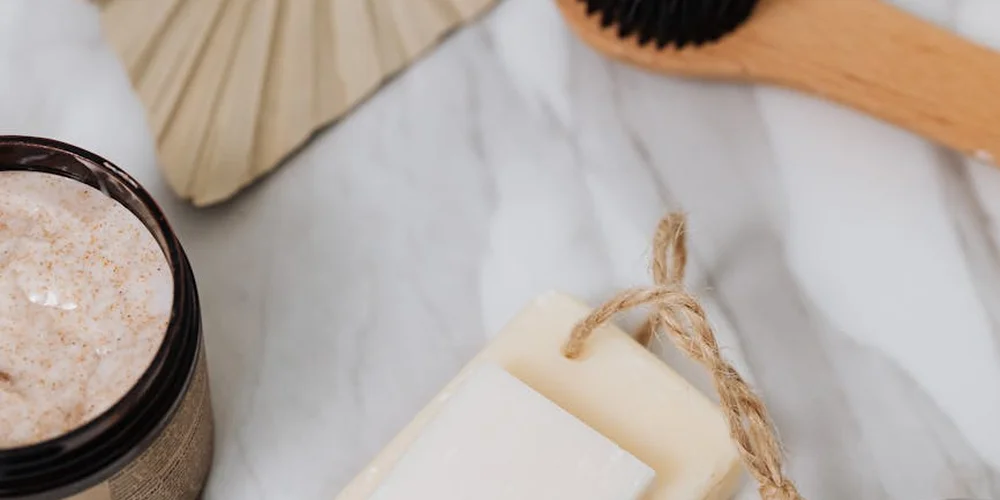
The classic paste form blends these into a firm block. You dampen a cloth, rub it on the block to make a lather, and then work it into the leather. Liquid versions are easier to apply quickly but can be thinner. Bar soaps are less common but work on the same principle.
Different brands tweak this basic recipe. Some might use more lanolin for conditioning. Others might add preservatives or fragrances. The goal is always the same: clean and lightly nourish in one step.
Are Saddle Soap Ingredients Safe or Toxic?
Most people want to know if saddle soap ingredients are safe, both for their skin and for their leather. For the vast majority of users and leather types, a traditional saddle soap is perfectly safe when used as directed. However, it’s essential to confirm whether it’s safe for all types of leather.
The core ingredients-soap, animal-derived oils, and natural waxes-are not inherently toxic. The main safety tip is to work in a ventilated area, as some formulas can have a strong, soapy smell, and to wear gloves if you have sensitive skin.
Concerns about saddle soap ingredients being toxic often focus on specific chemical preservatives or synthetic additives in some mass-market versions. Some formulas may use ingredients best avoided on very dry or antique leather. Always do a spot test on a hidden area first, and follow proper techniques for application.
I look for products that are transparent about their sourcing. Using a saddle soap with responsibly sourced lanolin or plant-based alternatives aligns with caring for the leather and respecting animal welfare. A simple ingredient list is usually a good sign.
How Does Saddle Soap Work? The Simple Science of Cleaning Leather

Think of saddle soap like a gentle hand soap for your leather. It cleans without stripping everything away.
Here is how saddle soap works. When you apply it with a damp cloth, the soap molecules surround and lift dirt, sweat, and grime from the leather’s surface. The water helps rinse that mess away. At the same time, the small amount of oils and waxes in the soap get left behind. They give the leather a slight, temporary moisturizing effect.
This light conditioning prepares the leather for a dedicated conditioner later, but it does not replace one.
Think of it like washing your face. You clean off the day’s dirt, which feels good, but you still need a moisturizer to keep your skin healthy. Saddle soap is the cleanser. It gets the leather clean and ready for the next step.
How to Use Saddle Soap: A Foolproof, Step-by-Step Method
Using saddle soap is straightforward if you follow a careful routine. I recently did this with June, my leather jacket, after a particularly dusty hike. Beyond jackets, saddle soap works well on other leather goods—boots, belts, and even leather furniture. The routine is similar, with small adjustments for each item’s finish.
- Gather your tools. You need saddle soap, two soft cloths (like microfiber or cotton), and lukewarm water. A soft-bristle brush can help for textured leather.
- Do a spot test. Dampen a corner of one cloth, work a tiny bit of soap into a lather, and apply it to a hidden area, like an inside seam. Wait for it to dry completely. This checks for any color change or adverse reaction.
- Clean the surface. Dampen your first cloth (not soaking wet) and rub it over the saddle soap to pick up a creamy layer. Apply the soap to the leather using gentle, circular motions. Work on one small section at a time.
- Mind the details. For stitching and creases, use the corner of your cloth or a soft brush to lift dirt gently. Avoid scrubbing hard.
- Wipe away the residue. Take your second, clean damp cloth and wipe over the area you just cleaned. This removes the dirty soap film. Rinse this cloth often in clean water.
- Let it dry naturally. Move the item to a well-ventilated space away from direct heat or sun. How long does saddle soap take to dry? For a jacket like June, it took about two hours. A thick saddle might need a full day.
What color saddle soap should you use? For most projects, a neutral or clear soap is safest. It works on all leather colors without risk of transfer. Colored soaps are for very specific, matching touch-ups on darker leathers.
The goal is to lift dirt, not drown the leather. A damp cloth, not a wet one, is your best tool.
How Much Saddle Soap to Use and When to Reapply
How much saddle soap should you use? A little truly goes a long way. For a large item like a sofa, a tablespoon of soap worked into a lather might be enough. For a boot, a pea-sized amount will do. You are applying a thin, creamy layer, not a thick paste.
In terms of cost per use, a single tin of saddle soap is very economical, as it lasts for many, many cleanings.
This leads to frequency. Saddle soap is not for your weekly wipe-down. Use it for a periodic deep clean, maybe once or twice a year for a frequently used item like Scout my wallet, or when something gets visibly soiled. For a work saddle like Mason, I might clean it every few months during heavy riding season.
Does saddle soap go bad? A well-made saddle soap can last for years if stored properly. Keep the lid on tight and store it in a cool, dry place. If it develops a strange odor or separates in a way you can’t remix, it’s time for a new tin.
When Saddle Soap Shines and When to Choose Something Else
Think of saddle soap like a strong, dedicated brush. It’s perfect for specific, tough jobs. You would use it on leather built for hard work.
It shines on gear that earns its patina through mud, sweat, and real use.
- Work saddles and tack, like my old friend Mason.
- Durable work boots caked in dirt.
- Heavy-duty gloves, tool belts, and outdoor gear.
- Sturdy, oil-tanned or waxed leathers designed to be resilient.
You should avoid saddle soap on more delicate leathers. Its cleaning power is too much for them.
- Aniline or semi-aniline leathers (like some fine furniture or jackets). Their open pores and delicate dyes can be damaged.
- Suede and nubuck. The soap will mat the nap and leave a residue.
- Very dry, fragile, or antique leather. It needs moisture, not a deep clean.
- Lightly soiled items that just need a refresh.
Using saddle soap too often, even on tough leather, can backfire. It cleans so thoroughly that it strips away the leather’s natural oils along with the dirt. This leaves the material thirsty and prone to cracking. That’s why you must follow it with a good conditioner every single time. For many pieces in your collection, a gentler tool from the start is the smarter choice—especially if you want to prevent and stop your leather items from cracking and drying out.
Finding the Right Alternative: Saddle Soap vs. Other Leather Care Products

Choosing care products isn’t about finding a one-size-fits-all replacement. It’s about picking the right tool from your kit. Saddle soap is your heavy-duty cleaner. The other products have different, specialized jobs.
Here’s a simple way to compare their core functions.
| Product Type | Primary Job | Strength |
| Saddle Soap | Deep cleaning heavy, ground-in soil | Strong |
| Leather Milk / pH Cleaner | Gentle, routine cleaning | Mild |
| Dedicated Conditioner | Replenishing oils & flexibility | Nourishing |
| Specialized Cleaner | Targeting specific stains (ink, oil) | Focused |
For Gentle, Everyday Cleaning: Leather Milk and pH-Balanced Cleaners
This is your go-to for pieces that see daily use but not heavy grime. I use this type of cleaner on my wallet, Scout, every few months. It wipes away skin oils and pocket lint without a harsh scrub.
These mild cleaners lift surface dirt while leaving the leather’s essential nourishing oils right where they belong.
- Shake the bottle well.
- Apply a small amount to a soft, white cloth-never pour directly onto the leather.
- Gently wipe the surface in circular motions.
- Use a second clean, damp cloth to remove any residue.
- Let it air dry completely before using or conditioning.
It’s perfect for your bag, your favorite leather journal, or a jacket like June after a casual wear. The process is quick, safe, and preserves the leather’s handfeel.
For Dry or Aged Leather: Dedicated Leather Conditioners and Creams
If saddle soap is the bath, conditioner is the moisturizer. All leather loses its natural oils over time. Sun, heat, and even air slowly dry it out. Conditioners and creams are made to put that goodness back.
Conditioning is not optional after any cleaning, but for dry leather, it’s the main event.
Look for products rich in natural oils (like neatsfoot or mink) and waxes (like beeswax). A little goes a long way. Apply a thin, even coat with your fingers or a cloth, working it into the grain. Let it soak in for several hours, or overnight for very dry pieces. Buff off any excess with a dry cloth. You’ll see the leather relax, its color deepen evenly, and its flexibility return.
For Stubborn Stains and Grime: Specialized Leather Cleaners
Saddle soap is great for overall dirt, but some messes need a specialist. Think ink, grease, wine, or mold. A specialized cleaner is formulated to tackle that one problem without harming the leather. It’s important to choose the right cleaner, whether it’s saddle soap or a pH-balanced cleaner, depending on your leather’s needs.
- Identify the stain type and choose a cleaner made for it.
- Always, always test the cleaner on a hidden area first, like an inside seam.
- Follow the product’s instructions exactly. Some are applied, left, and blotted. Others need gentle agitation with a brush.
- After the stain is treated, clean the entire area with a mild, pH-balanced cleaner to reset the surface.
- Condition thoroughly once the leather is dry.
This targeted approach solves the issue without subjecting the entire piece to a stronger clean than necessary.
The Simple Alternative: A Damp Cloth and Mild Soap
Never overlook the simplest tool in your kit. For light dust, water spots, or quick spills, this is often all you need.
Use a soft, lint-free cloth dampened with cool water. For a bit more cleaning power, add a single drop of mild, non-detergent soap (like castile soap) to the cloth. Wring it out so it’s barely damp. Wipe the leather gently. Follow immediately with a dry cloth to absorb moisture.
This method is low-risk, immediate, and perfect for maintaining leather between deeper cleaning sessions. It’s the first thing I try on a new scuff or smudge. Often, the simplest care is the most effective.
Your Top Saddle Soap Questions, Answered

Let’s get to the specific questions I hear most often in the workshop. This straightforward guide cuts through the noise.
Can I use saddle soap on my car’s leather seats?
You can, but I don’t recommend it. Car interiors face a unique set of challenges.
Saddle soap is designed for thick, oil-rich leathers that see rain, sweat, and dirt. Your car seats are coated with a protective color layer, often called an aniline or pigment finish. This finish can be sensitive.
Using a heavy, waxy soap on this modern leather is like using dish soap on a delicate painting. You risk leaving a dull, cloudy residue on the surface that’s tough to buff out. The leather may feel sticky afterward.
For car leather, a pH-balanced, neutral leather cleaner made for automotive interiors is a much safer and more effective choice. It lifts grime without disrupting that protective topcoat. Understanding the role of pH in leather care helps explain why neutral cleaners are recommended. Neutral cleaners are formulated to minimize pH shifts, protecting the leather’s finish. Always follow up with a light, non-greasy conditioner designed for auto use.
How often should I clean my leather with saddle soap?
This depends entirely on how the piece lives its life. Think of it like bathing: you don’t wash your boots as often as your hands.
Here’s my rule of thumb based on years of handling pieces like Mason and June:
- Heavy-Use Gear (Boots, Work Saddles): A deep clean with saddle soap every 3 to 6 months is plenty. Mason, my English saddle, gets this treatment twice a year, before and after the peak riding season, unless he gets exceptionally muddy.
- Frequent-Use Goods (Jackets, Everyday Bags): Once or twice a year is sufficient. For June, my leather jacket, a gentle saddle soap clean in the spring removes a winter’s worth of city grime.
- Light-Use or Decorative Items (Wallets, Furniture): Rarely, if ever. My wallet, Scout, has never seen saddle soap. For these, a simple dusting and occasional conditioning is all they need.
Over-cleaning is a common mistake that can strip away natural oils and lead to dry, stiff leather. If the leather isn’t visibly soiled or doesn’t feel gritty, just condition it.
What’s the deal with drying time and safety?
This is where patience pays off. Never rush the drying process.
After you’ve worked the soap into a lather and wiped it away with a damp cloth, the leather will feel cool and damp. This is normal.
- Let the item air dry naturally, away from direct heat or sunlight. Putting it near a heater or in the sun can bake the leather, causing it to crack.
- Drying can take several hours for a jacket or up to a full day for a thick, waterlogged saddle.
- The leather is only ready for the next step when it is completely dry to the touch and back to room temperature.
Leather conditioner cannot penetrate damp leather; it will just sit on the surface and feel greasy. Always wait.
Is saddle soap a cost-effective leather care solution?
Absolutely. A single tin of good saddle soap lasts for years. You only use a small amount at a time.
When you compare it to buying separate, specialized cleaners for different types of leather, one tin that safely handles your boots, belts, and heavy bags is remarkably economical. Its simplicity and versatility make it a cornerstone product for a reason.
Good leather care isn’t about complicated rituals. It’s about regular, mindful attention. Listen to your leather, clean it when it’s truly dirty, and always nourish it afterward. That consistent care is what builds a beautiful, long-lasting patina and keeps your trusted pieces by your side for decades.
Common Questions
What’s the real difference between a brand like Fiebing’s and a grocery store option like Kiwi?
Traditional brands like Fiebing’s often stick to the classic soap-oil-wax formula with simpler ingredients. Many mass-market versions may include more synthetic emulsifiers or preservatives to improve shelf-stability and lower cost.
I’ve heard Kiwi Saddle Soap ingredients aren’t great. Should I avoid it?
It’s not inherently “toxic,” but for valuable or delicate leather, I prefer simpler formulas. For cleaning heavily soiled work boots, it can be adequate, but always condition thoroughly afterward.
Are the oils in saddle soap safe for all leather types?
The lanolin or neatsfoot oil is generally safe, but the cleaning action is not. Avoid using any saddle soap on suede, nubuck, or unfinished aniline leathers, as it will damage their surface.
Can I use saddle soap on leather that’s already dry and cracked?
No. Cleaning dried-out leather first will strip what little oils remain. Always condition dry leather first to replenish moisture, then assess if a deep clean is even necessary.
Is there a simple homemade alternative to saddle soap?
For a light, general-purpose cleaner, a drop of pure castile soap in a cup of water works. It cleans without added wax or oil, but you must follow it with a dedicated conditioner immediately.
Final Thoughts on Saddle Soap and Your Leather
Saddle soap is a powerful cleaner for removing deep grime, but it should not be your only leather care product. For broader care of general leather items, you may wonder about the best methods to clean and disinfect without damaging the material. In the next steps, a linked guide will cover safe methods to clean and disinfect leather. Always follow a thorough cleaning with a dedicated conditioner to restore the leather’s essential oils and prevent it from drying out and cracking.
Taking care of your leather is about respecting the material and the animal it came from. Building a simple, consistent routine of cleaning and conditioning is the most sustainable practice, extending the life of your goods for years of dependable service.
Relevant Resources for Further Exploration
- Saddle Soap | Fiebing’s
- Otter Wax Saddle Soap | All-Natural Leather Cleaner
- How to Use Saddle Soap on Leather? – LeatherCult
Harriet is a avid collector of leather goods such as purses, bags, seat covers, etc and has an extensive background in leather care, recovery, stain removal and restoration. She has worked for a number of years perfecting her leather care techniques and knows the ins and outs of restoring all kinds and types of leather products. With her first hand knowledge in leather care, you can not go wrong listening to her advice.
Using Saddle Soap, Foams, and Liquids