What Is Saddle Soap and How Does It Affect Different Leathers?
Published on: March 20, 2026 | Last Updated: March 20, 2026
Written By: Harriet Nicholson
Hello Tannery Talk. If you’ve eyed that tin of saddle soap with hesitation, worried it might be too harsh for your prized jacket or boots, I understand that concern completely.
We’ll walk through what saddle soap is made of, how it cleans without harsh stripping, and its specific effects on full-grain, suede, and oil-tanned leathers.
My insights come from years at the workbench, caring for pieces like my old saddle Mason and soft jacket June.
What is Saddle Soap? A Workbench View
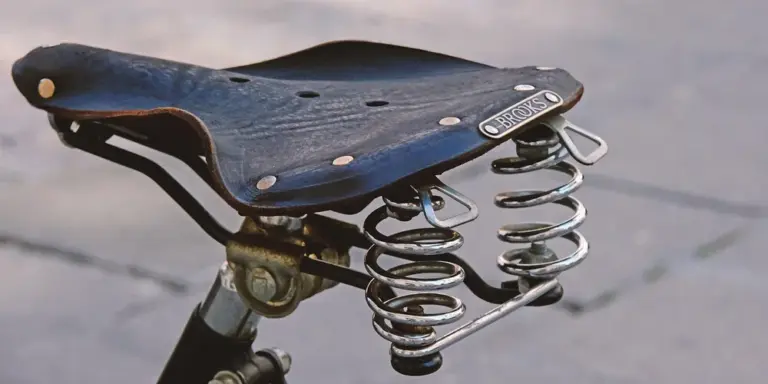
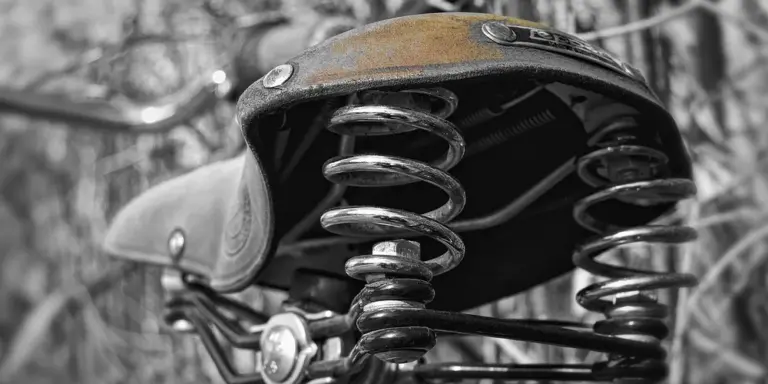
In my shop, saddle soap isn’t just a product. It’s a trusted tool, like a reliable awl or a well-worn hoof pick. I reach for it before any major conditioning, especially on steady companions like my old English saddle, Mason. Saddle soap is made for leather care, and it’s one of the best alternatives for leather care. Used correctly, it cleans, conditions, and protects without over-wetting the leather.
It was developed for tack care—cleaning and maintaining horse saddles and bridles. These items face sweat, dirt, and constant use. The formula had to be gentle enough for daily care without harming the leather. This history gives saddle soap its nourishing, forgiving nature, perfect for routine maintenance on your goods.
Look at the base ingredients. You’ll typically find glycerin, mild oils, and a gentle soap. Think of it as a very mild, moisturizing bar soap made specifically for leather. The glycerin pulls moisture from the air into the hide, while the oils offer a light layer of care.
The Core Properties of Saddle Soap: What Does It Actually Do?
Let’s answer your questions directly. You need to know what this tool does on your leather.
Does Saddle Soap Clean Leather?
Yes, it cleans. But it’s a gentle clean. The soap creates a light lather that emulsifies surface dirt and grime, lifting it away. Imagine it loosening the dirt in the grain of your jacket, like June’s, without scrubbing hard. It cleans without stripping the leather’s essential natural oils, which harsher cleaners can do.
Use a soft, damp cloth or brush. Apply a small amount of lather and work it in circles. Wipe away the dirt with a clean, damp cloth. Let the piece air dry completely before doing anything else.
Does Saddle Soap Condition Leather?
It provides light conditioning. The glycerin and oils in the soap deposit a thin layer of moisture as you clean. Saddle soap is a maintainer, not a deep conditioner. For leather that’s already supple, like my wallet Scout, it’s perfect after exposure to dust. For deeply dry or stiff leather, you’ll need a dedicated conditioner after cleaning.
This light conditioning effect is why it’s a great first step. It preps the leather by cleaning and adding a base layer of moisture, making any follow-up conditioner absorb better.
Does Saddle Soap Protect Leather?
Not directly, like a wax or sealant. Its role is foundational. By gently cleaning and lightly moisturizing, it maintains the leather’s health. Healthy, clean leather is more resilient. Think of it as preventative care that supports your leather’s natural durability against wear.
The pH Factor: Why It Matters for Leather Health
Saddle soap is typically neutral to slightly alkaline in pH. This is key. Leather itself has a slightly acidic pH from the tanning process. A very alkaline cleaner can damage it over time. The balanced pH of saddle soap cleans effectively without disrupting the leather’s chemical balance, keeping it strong for years.
Does Saddle Soap Darken or Lighten Leather?
Here’s a common sight. When you apply saddle soap, the leather will look darker. This is just temporary wet-darkening, like a sponge soaking up water. The water and soap have saturated the fibers. Don’t worry. As the leather dries fully-always let it air dry away from direct heat-it will return very close to its original color.
On darker leathers like Mason’s chestnut hide, the change is minimal. On lighter leathers, the wet look is more pronounced but fades upon drying. It does not permanently lighten or bleach the leather.
A quick fix for over-application? If you use too much and the leather stays damp for too long, simply ensure good airflow and be patient. Rushing the drying with a heater can cause stiffness. The same care applies to drying leather jackets and leather shoes to avoid damage. This approach helps keep them supple as they dry.
Your Leather’s Personality: How Saddle Soap Affects Different Types
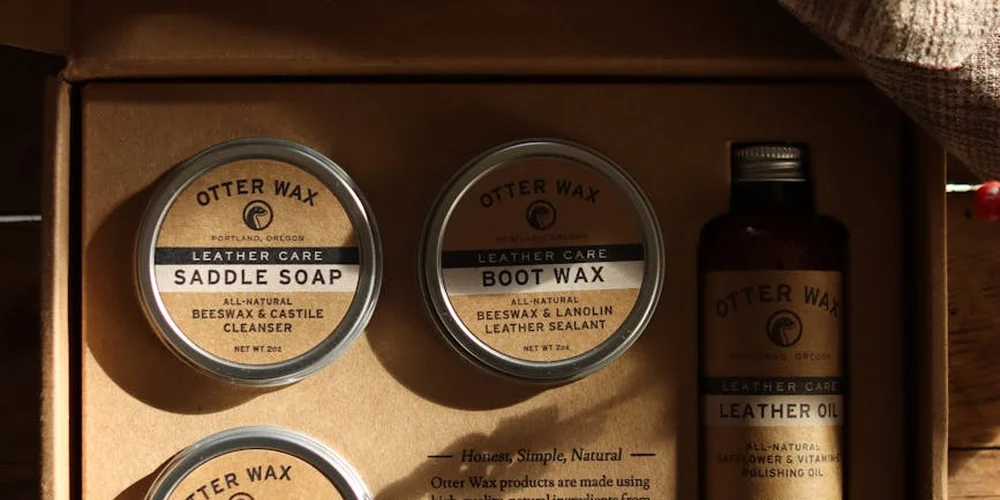
Think of your leather like a friend. You wouldn’t clean a wool sweater the same way you’d clean a raincoat. Leather types have different needs. Here’s a friendly guide, one type at a time.
Full-Grain & Veg-Tan (Like My Wallet, Scout)
This is leather at its most honest. Full-grain means the outer surface is intact. Veg-tan means it was tanned with plant extracts. My wallet, Scout, is made from this. It develops a rich patina, a record of every touch and use.
Saddle soap is a great friend here. It lifts away dirt and grime from the pronounced grain without stripping the natural oils deeply. The gentle soap cleans, and the included fats condition lightly. This process can actually enhance the patina, making those earned dark spots and light areas look more unified and rich.
For pieces like Scout, saddle soap cleans without fear and often makes the story of the leather more visible.
My advice for cleaning:
- Use a barely damp sponge. Wring it out completely.
- Apply a tiny amount of saddle soap, working it into a light lather on the sponge.
- Wipe in gentle, circular motions. Let the soap do the work.
- Wipe off any residue with a clean, damp cloth.
- Let it dry fully, away from direct heat. This can take several hours.
- Always follow with a dedicated leather conditioner. Saddle soap offers some fat, but not enough for long-term health.
A common mistake is using too much water. If the leather feels soggy or darkens significantly, you used too much. Just let it dry slowly; it will likely return to normal.
Top-Grain & Finished Leathers (Like My Jacket, June)
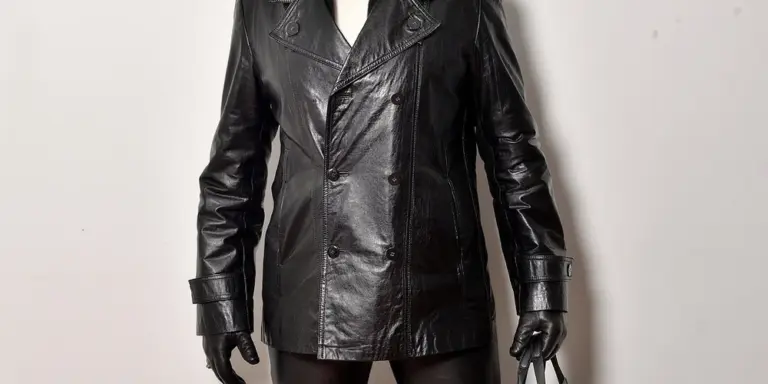
Top-grain leather is sanded to remove imperfections, then a protective finish is applied. My jacket, June, is a soft calfskin with this type of finish. It feels smoother and is more resistant to stains.
The finish is the key. Saddle soap is generally safe for these leathers, but that finish can sometimes be sensitive. Your first and most important step is a spot test in an inconspicuous area, like inside a seam or under a collar. Proper application of saddle soap is crucial to ensure no damage occurs.
Apply a small amount of your lathered soap. Wait for it to dry completely. Check for any color change, stiffness, or clouding in the finish. If all looks good, you can proceed with cleaning the whole piece.
For these, I am even more sparing with moisture. I use a very well-wrung cloth and work on small sections. The goal is surface cleaning, not deep penetration. After drying, a conditioner made for finished leathers will restore suppleness.
Suede & Nubuck
This is where we pause. Suede and nubuck have a raised, fuzzy nap. Think of it like velvet.
I do not recommend using saddle soap on suede or nubuck. The soap and water will likely mat the nap down irreversibly, leaving hard, stained spots. It can also drive dirt deeper into the porous surface.
For these materials, dry methods are best. Use a suede brush or a clean, dry microfiber cloth to lift surface dirt. For tougher spots, a specific suede cleaner or a gentle eraser designed for the task is the safer choice. Always brush the nap gently afterwards to restore its texture.
Patent & Coated Leathers
These leathers have a high-gloss, plastic-like coating. Saddle soap is usually unnecessary and can be risky.
The high-shine surface is non-porous. Dirt sits on top. A simple wipe with a damp, soft cloth is often all that’s needed. Using saddle soap can leave a filmy residue that clouds that brilliant shine, making it look dull. In some cases, the soap’s ingredients might not agree with the coating, causing cloudiness or stickiness.
Stick to a damp cloth for dust and a mild, pH-balanced cleaner only for specific stains, followed by a dry polish with a soft cloth.
Bonded or “Genuine” Leather
This material is made from leather fibers pressed together with a binder and topped with a polyurethane coating. It has a very different structure.
Saddle soap has limited effectiveness here. The cleaning action might work on the surface coating, but it offers little to no benefit to the material underneath. The real risk is moisture. Too much water can seep through seams or cracks and cause the bonded material to separate or bubble.
If you choose to clean it, be extremely cautious. Use a barely damp cloth with a minuscule amount of soap, and avoid saturating any area. Wipe dry immediately. Often, a dry cloth dusting is the safest routine maintenance for bonded leather goods.
The Right Way to Apply Saddle Soap: A Step-by-Step Guide
Do you use water with saddle soap? Absolutely yes. Water activates the soap and creates the gentle lather that lifts dirt. Think of it like using water with hand soap.
Here is the method I use on my own pieces, like Mason the saddle or June the jacket. Follow these steps in order.
- Remove Loose Dirt: Use a soft, dry brush or cloth to wipe away any surface dust or grit. This prevents you from grinding dirt deeper into the grain during cleaning.
- Dampen Your Tool: Wet a clean, soft cloth or natural sponge with lukewarm water. Wring it out so it is damp, not dripping wet.
- Work Up a Lather: Apply a small amount of saddle soap to the damp cloth and rub it gently against itself. Work it into a rich, creamy lather.
- Apply Gently: Using gentle, circular motions, wipe the lathered cloth over a small section of leather. The goal is a thin, even layer of foam that looks like shaving cream, not a thick blanket of bubbles.
- Wipe Off Excess: This step is crucial. Take a second clean cloth, dampen and wring it out well. Wipe the leather to remove all soapy residue. You should not see any white suds left behind.
- Let It Dry: Allow the leather to air-dry naturally, away from direct heat or sunlight. It may feel a bit stiff and have a clean, matte finish when dry. This is normal.
That clean, dry feel tells you the surface dirt and old polish are gone. The leather is now ready to absorb conditioner.
Common Mistakes and How to Avoid Them
The most common issue is using too much soap or not rinsing it off. More soap does not mean cleaner leather.
Over-application leaves a white, waxy film on the surface after drying. This is saddle soap residue. It is a mix of dried soap and the waxes from the soap’s formula sitting on top of the leather, blocking the pores. It can make the leather look chalky and feel stiff.
If you see this residue, fix it by going over the area with a very lightly dampened clean cloth. You are not re-cleaning, just dampening the surface to redissolve and wipe away that waxy film. Let it dry again.
Does saddle soap dry out leather? The soap itself is designed to be mild and conditioning. Using it once for a deep clean will not dry out your leather. But if you use it too frequently, or you clean an already dry piece and do not follow up with a conditioner, you can strip away its natural oils. Think of June, my leather jacket. If I cleaned it with saddle soap every week, it would eventually feel thirsty and need more conditioner.
Does saddle soap remove polish? Yes, it will gently remove wax-based polishes and creams. This is part of its job. You are cleaning off the old, dirty top layers to start fresh. After cleaning and conditioning, you can reapply a polish if you want that specific shine.
When to Follow Up: Conditioning After Saddle Soap
Think of your leather like your skin. After you wash your hands, they can feel dry, right? You reach for lotion. The same is true for leather. Saddle soap is excellent for cleaning, but it also lifts away the natural oils that keep leather soft.
Cleaning with saddle soap prepares the leather to drink in conditioner much more effectively. It opens up the pores of the material, so the moisturizing ingredients can penetrate deeply instead of just sitting on a dirty surface.
Choosing the Right Conditioner
The conditioner you choose should match your leather’s needs, just like the earlier section described the leather types. Here is a simple guide.
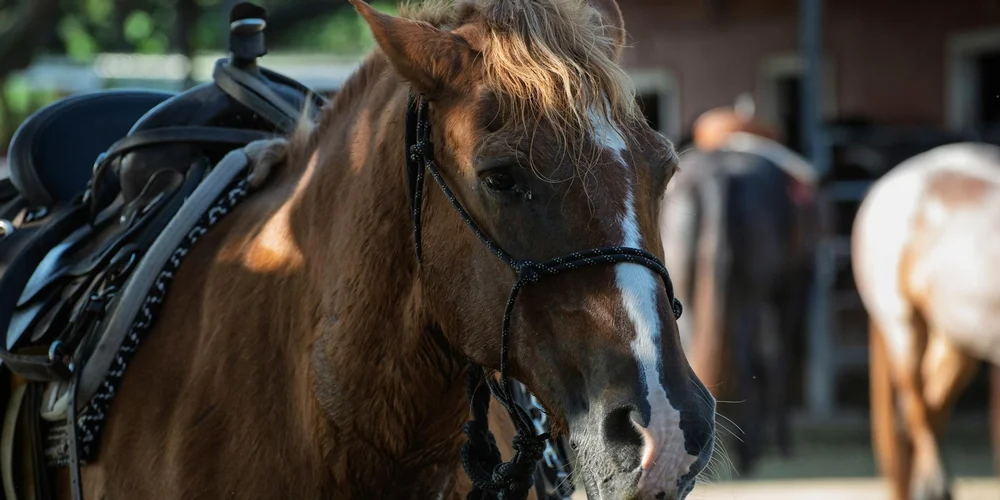
For heavy-duty, full-grain leathers like my English saddle, Mason, a richer product works best. These leathers are tough and can handle a deep feed. A thick leather balm or a conditioner with beeswax will protect it for months.
For softer leathers, like a calfskin jacket, you want a lighter touch. A liquid conditioner or a cream made for garments will nourish it without clogging the pores and stiffening the leather.
For suede or nubuck, you almost never use a traditional conditioner. These materials need specific sprays that protect without changing the delicate nap.
A neutral, pH-balanced leather conditioner is a safe bet for most smooth leather goods, from bags to belts.
How to Condition: A Simple Process
After cleaning with saddle soap and letting the item dry completely, follow these steps.
- Apply a small amount of conditioner to a soft, clean cloth.
- Rub it into the leather using gentle, circular motions. Cover the entire surface evenly.
- Let it sit. The leather will absorb what it needs. This usually takes 30 minutes to an hour.
- Buff off any excess with a fresh, dry cloth. A gentle shine should appear.
With Mason, I do this twice a year. It keeps the leather from drying out and cracking, ensuring it stays supple and strong for every ride. The process doesn’t restore the saddle to a brand-new look, but it maintains the rich, earned patina and the feel of a trusted tool.
A Common Mistake and a Simple Fix
The biggest error is using too much product. Over-conditioning can oversaturate the leather, making it feel sticky or attracting more dirt. Start with a little. You can always add more in a second, light application if the leather still feels dry after buffing. It is better to under-do it and repeat the process in a few weeks than to try and fix a greasy mess.
Saddle Soap Alternatives: What Else is in the Toolbox?
Saddle soap is a fantastic tool, but it’s not the only one in the kit. Think of it like this: you wouldn’t use a hammer to tighten a screw. Having the right potion or brush for the specific job protects your leather and gives you a better result.
Gentle Leather Cleaners for Finished Surfaces
My jacket, June, has a delicate, semi-aniline finish. Saddle soap would strip too much of her character. For leather like this-smooth, colored, and with a factory-applied protective coating-a dedicated, pH-neutral leather cleaner is the right choice.
These cleaners lift dirt without the deep-cleaning surfactants in saddle soap. They are made to protect the existing dyes and topcoat.
For a finished jacket or bag, use a gentle cleaner applied with a soft, white cloth, working in small circles and drying immediately.
- Shake the cleaner bottle well.
- Spray a small amount onto a soft, white cloth (never directly onto the leather).
- Gently wipe the surface in circular motions, focusing on soiled areas.
- Use a second clean, damp cloth to wipe away any residue immediately.
- Let it air dry completely, away from heat, before conditioning.
A common mistake is using too much product and letting it soak in. This can leave a sticky film. Always use less than you think you need.
Specialized Cleaners for Suede and Nubuck
Saddle soap and a damp cloth are wrong for suede. They will mat the nap and leave permanent water spots. These materials need dry care.
Specialized suede cleaners come as foams or dry powders. They work by absorbing and lifting grime from the surface without wetting the leather’s core.
Suede and nubuck require a gentle, dry-cleaning approach to preserve their soft, textured surface.
- First, always use a suede brush or eraser block to lift surface dirt and restore the nap.
- For stains, apply a small amount of dry cleaner or foam as directed.
- Use a clean, dry brush to work the product in gently.
- Let it dry fully, then brush the nap back up.
The simple fix for tired suede is often just a good brushing. It redistributes oils and erases light scuffs.
The Simple Damp Cloth for Routine Care
For daily maintenance, sometimes the best tool is the simplest. My wallet, Scout, gets this treatment weekly. If your leather isn’t truly dirty, just dusty or lightly soiled, a damp cloth is perfect for regular cleaning.
This is about prevention. Regularly wiping down leather stops grime from building up and becoming ingrained.
- Wring out a soft, lint-free cloth in lukewarm water until it is just damp.
- Wipe the entire surface of your leather item smoothly.
- Follow immediately with a dry cloth to absorb all moisture.
- Let it air dry for 10-15 minutes.
A routine wipe with a damp cloth removes surface dust and salts, preventing the need for deeper, more intensive cleaning later.
Choosing Your Tool: When to Use What
So when is saddle soap the hero? It’s for sturdy, porous, dry leathers that need a deep clean and a dose of conditioning-like my saddle, Mason, after a long ride. It’s not for delicate finishes, suede, or items that just need a quick refresh.
Here’s a simple guide to help you match the tool to the task:
| Leather Type / Condition | Ideal Tool | Reason |
| Sturdy, dry, unfinished (work boots, saddles, veg-tan belts) | Saddle Soap | Deep cleans pores and adds light conditioning in one step. |
| Finished, aniline or semi-aniline leather (jackets, handbags, furniture) | pH-Neutral Leather Cleaner | Cleans without stripping protective topcoats or dyes. |
| Suede, Nubuck, Velvet Leather | Specialized Suede Cleaner & Brush | Lifts dirt without water, preserving the dry, textured nap. |
| Light dust or recent spills | Damp Microfiber Cloth | Quick, safe surface cleaning that prevents buildup. |
Quick Answers
How often should I use saddle soap on my leather goods?
For routine maintenance, once or twice a year is sufficient for most items. Reserve it for when leather is genuinely soiled, not for simple dusting.
Can I use saddle soap on exotic leathers like alligator or ostrich?
I do not recommend it. The unique scales and oils of exotic skins require specialized, pH-balanced cleaners. Using saddle soap risks drying them out or damaging the texture.
Is it safe to use a leather waterproofing spray after cleaning with saddle soap?
Yes, but sequence is critical. Always apply the waterproofing spray *after* the saddle-soaped leather has fully dried and you have conditioned it. The conditioner nourishes the hide, and the spray protects that nourished surface.
Your Leather’s Long-Term Care
Saddle soap is a gentle cleaner, not a cure-all. The single best piece of advice I can give is to always match your cleaning method to your leather’s specific type and finish. This simple practice prevents more damage than any fancy product can repair, especially when using saddle soap on delicate leathers.
Using saddle soap thoughtfully is a form of respect for the material and the animal. Building your care skills over time, starting with a simple test in an unseen spot, is the most sustainable practice you can adopt for your leather goods. Consider how saddle soap helps with saddles and tack. You might even explore making your own formula to tailor it to your leather’s needs.
References & External Links
- Busting the Saddle Soap Myth | MannaPro
- How to Use Saddle Soap on Leather? – LeatherCult
- How to Use Saddle Soap on Leather – StudioSuits
- Otter Wax Saddle Soap | All-Natural Leather Cleaner
Harriet is a avid collector of leather goods such as purses, bags, seat covers, etc and has an extensive background in leather care, recovery, stain removal and restoration. She has worked for a number of years perfecting her leather care techniques and knows the ins and outs of restoring all kinds and types of leather products. With her first hand knowledge in leather care, you can not go wrong listening to her advice.
Using Saddle Soap, Foams, and Liquids