Leather Conditioner vs. Oil: How Do You Choose for Restoration?
Published on: November 1, 2026 | Last Updated: November 1, 2026
Written By: Harriet Nicholson
Hello Tannery Talk. That moment of doubt is real when your favorite leather item feels dry and worn, and you’re faced with two bottles on the shelf.
This guide will explain what really separates conditioner from oil, the right restoration steps for each, and how to pick based on your leather’s type and condition.
I base this advice on years of hands-on repair, from nourishing June’s jacket to reviving work boots.
What Is Your Leather Telling You?
Before you reach for a bottle, you need to listen. Your leather will show you exactly what it needs. A quick inspection takes less than a minute.
Start with a touch test. Run your fingers across the surface. Is it stiff and resistant? Does it have fine, white lines, especially in the creases? Stiffness and small cracks mean the leather fibers are dehydrated due to aging and need deep nourishment to become supple again. This is a call for serious restoration.
Now, gently flex a corner or a seam. Does it feel dry but still move without protest? Is the color just a bit faded or dusty looking? A surface that feels dry or looks dull, but isn’t stiff or cracked, is asking for maintenance to prevent future damage. It’s thirsty, not starving.
Let me show you with my own pieces. My old saddle, Mason, sat unused for a season. When I checked him, the leather was board-stiff. Bending it felt wrong, and tiny cracks spiderwebbed across the seat. That was a clear sign for a deep, penetrating treatment. In contrast, my jacket June felt soft but had lost its luster. The calfskin looked tired, like skin after a long flight. It needed hydration, not a full rescue.
What about your light pink purse or beige sofa? The diagnosis steps are the same. Check for stiffness and cracks. The big difference is in the treatment choice, because light leathers show every change. A white, dusty look on a pink bag often just means it needs a gentle clean and a light conditioner. A stiff, pale crack on a cream sofa screams for a specialized, color-safe restorer. Always test any product in a hidden spot first. A pure oil could leave a permanent dark patch on your pink purse, while the right conditioner might revive it perfectly.
Leather Conditioner: The All-Round Nourisher
Think of a quality leather conditioner like a balanced moisturizer for your skin. It’s not a single ingredient, but a careful blend designed to do several jobs well.
Its typical recipe includes nourishing oils (like mink or neatsfoot), protective waxes (like beeswax), and sometimes lanolin for extra softening. This blend works by delivering lighter oils into the leather’s pores to moisturize, while leaving a thin layer of waxes on top to shield against daily wear and moisture. It feeds and protects in one step.
You should reach for a conditioner in these situations:
- For regular maintenance to keep supple leather from getting dry.
- To restore a soft handfeel and subtle sheen to leather that looks dull but isn’t damaged.
- To add a light, flexible protective layer to bags, jackets, and furniture after cleaning.
Applying it is simple. Use a clean, soft cloth. Apply a small, even amount and let it soak in for 15-20 minutes. Then, buff off any residue with a fresh cloth. This prevents a greasy feel. A common mistake is using too much. More is not better. It can clog the leather’s pores and attract dirt.
For light-colored leathers, from sofas to pastel bags, a high-quality neutral conditioner is often the safest first choice. The blended formula is less likely to cause drastic, uneven darkening compared to a straight oil. It gives you more control. For that pink purse, a conditioner can often restore the color’s vitality without turning it a different shade, provided the leather is just dry and not stained or dyed incorrectly.
Leather Oil: The Deep Restorative Treatment
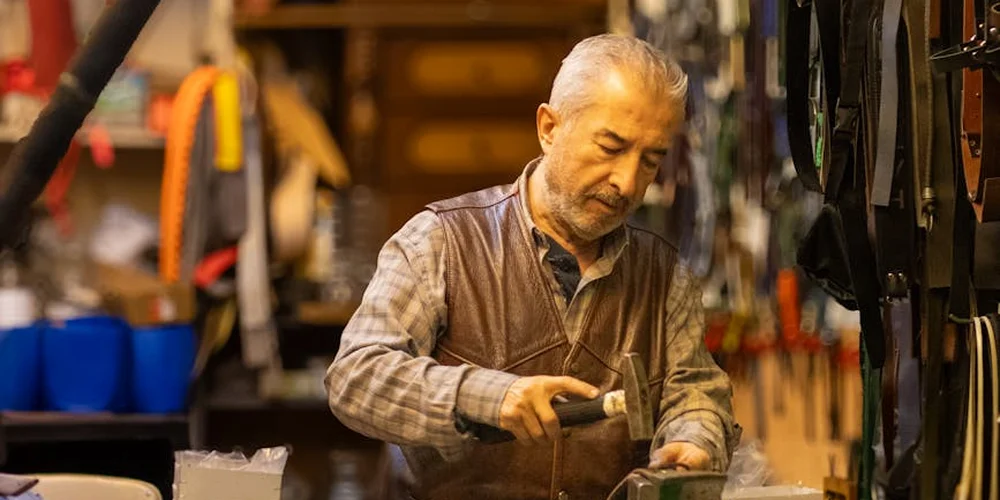
Leather oil is not your everyday product. It is a penetrating treatment, often a single oil like neatsfoot or a simple blend, made for one job: tackling serious dryness. Think of it as the intensive care unit for leather that has lost its natural life.
How does it work? It soaks deep. Unlike surface treatments, oil travels into the core of the leather fibers to replace the natural oils that time and wear have stripped away. This deep penetration is what restores flexibility to leather that has become stiff and board-like. You can often feel it working; a dry piece will slowly drink it in, becoming softer to the touch.
You should use oil when you see leather that is stiff, old, or severely dry. I used it on Mason, my old saddle, when its leather started to feel more like wood than hide. It is perfect for reviving work boots, vintage belts, or any neglected item that has lost all its suppleness. For a wallet like Scout or a jacket like June in daily use, oil is usually too much.
Apply oil with care. First, clean the leather with a mild, pH-neutral soap and let it dry. Use a soft, clean cloth to apply a thin, even coat of oil. Let it soak in for 20 to 30 minutes. If the leather still feels dry, you can apply a second light coat. Finally, wipe off any excess and let it air dry completely, which can take a full day. Do not rush this by using heat. This is especially important when conditioning a leather or faux leather jacket.
A common mistake is using too much, too fast. This can oversaturate the fibers, leaving a permanent greasy feel. Always test oil on a small, hidden area first to see how the color reacts. Which brings me to the key warning: oils often darken leather significantly. This is a permanent change. For pink, white, or other light-colored items, oil is rarely the right choice unless a darker shade is acceptable to you.
The Direct Comparison: Making Your Choice
Seeing them side-by-side makes the choice clear. Conditioner is for maintenance. Oil is for restoration. Here is a simple breakdown.
| Aspect | Leather Conditioner | Leather Oil |
|---|---|---|
| Primary Goal | Maintenance & Protection | Deep Restoration |
| Effect on Color | Minimal change, if any | Often darkens noticeably |
| Best For | Regular upkeep (e.g., June’s jacket, Scout’s wallet) | Stiff, vintage, or severely dry leather (e.g., work boots, old saddles) |
| Penetration | Surface to moderate depth | Deep, into the core fibers |
This table answers “conditioner vs. oil.” For “conditioner vs. cream,” think of cream as a thicker variant of conditioner. Leather cream is ideal when you want a bit more substance to fill minor scuffs or add a soft sheen, perfect for smooth-finish dress shoes or bags. It conditions but with a slightly heavier handfeel than a lotion.
So, what is the rule? Use a quality conditioner for regular upkeep every few months. It keeps the leather fed and protected from the inside out. Reach for oil only for serious rescue missions on durable, thick leathers that have gone stiff and dry. Your daily companions rarely need it, but a forgotten piece in the back of the closet might.
How to Apply Conditioner for Lasting Care
Always start with a hidden test patch. This step protects your leather from unwanted color changes. Light pink or beige leather, like on some of June’s panels, can shift shade easily. Apply a dab of conditioner to an unseen seam or inside flap. Wait for it to dry completely before you proceed.
That test tells you everything about how the leather will react and look.
- Clean the leather with a neutral cleaner and a soft brush. Remove all surface dirt and dust. A clean surface lets the conditioner work properly.
- Put a small amount of pH-balanced conditioner on a soft, lint-free cloth. Use less than you think you need. For a jacket like June, a coin-sized drop is plenty for one section.
- Gently rub the conditioner onto the leather in small, circular motions. Work it into the grain. You should feel the leather warming up slightly as it absorbs the moisture.
- Let the conditioner absorb for about 20 minutes. The leather will look richer and feel softer, not wet. It should drink it in, not swim in it.
- Buff the surface lightly with a clean, dry cloth. This removes any leftover residue and brings up a gentle, natural luster.
If the piece still feels stiff, you can apply a second very thin coat after the first one is fully dry. Overdoing it can leave a greasy film.
How to Apply Oil for Serious Restoration
Oil is for deep, structural dryness. Think of Mason, my saddle, after years of exposure. Oil spreads much farther and darkens leather more dramatically than conditioner. You must use even less product.
With oil, patience is your most important tool. Rushing ruins the restoration.
- Clean the leather thoroughly with saddle soap or a dedicated leather cleaner. This step is critical. Any dirt left behind will get trapped under the oil forever.
- Apply a tiny amount of oil to your cloth first, not directly to the leather. For a large item, start with a drop the size of a pea on your cloth. Rub your cloths together to spread it evenly.
- Massage the oil into the leather using firm, pressing motions. Do not just wipe it on. Press down to help the oil penetrate the deep fibers. You will see the color deepen immediately.
- Let the oil soak in for several hours, or even a full day. For a very dry piece, letting it sit overnight is best. The leather will feel cool and damp while it absorbs.
- Buff the leather completely with a clean, dry cloth until no residue remains. This prevents a tacky feel. It might take some effort to get a smooth, dry finish.
For leather that is extremely dry and stiff, use multiple thin coats. Apply one coat, let it dry for at least 24 hours, then assess if another is needed. Thin coats prevent over-saturation and allow for even restoration.
Caring for Your Leather After Restoration
Restoration is a reset, not a finish line. The work you do now sets the stage for the next decade of wear. My goal is to help you avoid another major treatment for a long, long time.
Think of it like this: a restored leather piece is hydrated and protected. Your job is to maintain that balance with gentle, consistent care. Neglect leads back to dryness and cracks.
Smart Storage is Simple Prevention
Where you keep your leather matters as much as how you clean it. Poor storage undoes good care.
- Cool and Dry: Avoid attics, damp basements, or spots near heaters. Excess heat bakes out natural oils. Dampness encourages mold.
- Out of Direct Sun: Sunlight is a powerful bleach. It will fade color and dry leather faster than anything. Keep pieces away from sunny windows.
- Give It Shape: Never cram a bag or jacket into a tight space. Use tissue paper or an old t-shirt to help bags hold their shape. This prevents deep, permanent creases.
My English saddle, Mason, lives in a temperature-controlled tack room. That stable environment is a big reason its 8-year-old patina looks so rich.
The Gentle Cleaning Habit
Dirt and dust act like sandpaper, grinding away at finishes over time. A simple routine prevents this.
- Once a week, give your piece a gentle brush-down with a soft, dry brush (a horsehair shoe brush is perfect). This lifts dust from the grain.
- For light soil, a barely damp microfiber cloth often does the trick. Wipe gently and let air dry.
- For sticky spots or grime, use a dedicated, neutral leather cleaner. Apply a tiny amount to a cloth, not directly on the leather, and test on a hidden spot first.
Regular dusting removes abrasive particles before they can become embedded and wear down the leather’s surface. My jacket, June, gets a quick brush every few wears. It takes seconds and keeps the calfskin feeling clean.
Your Simple Conditioning Schedule
Forget complicated calendars. Your leather will tell you when it needs attention.
Every two to three months, give your restored piece the “feel test.” Run your hand over it. Does it feel supple? Or does it start to feel stiff, dry, or papery? If it’s stiff, it’s time for a touch of conditioner.
Use a light, pH-balanced leather conditioner. Apply a dime-sized amount to a soft cloth and work it in using small circles. Less is always more. You can always add another light layer later if needed. Let it absorb fully for 24 hours before using the item.
This regular, light conditioning is the cornerstone of long-term leather health. It’s like taking a sip of water throughout the day instead of chugging a gallon once you’re parched.
Why Consistency Beats Crisis
Here is the core truth of leather care. Regular, planned conditioning with the right product is always better than a desperate, heavy oil treatment when disaster strikes. That frame points to the best general methods for caring and treating leather items. In practice, following these general methods keeps leather looking its best.
Conditioners are formulated to nourish and protect without over-saturating. They maintain flexibility. A “desperation oil” treatment, like I might use on a severely dried-out old belt, is a powerful restorative step. It’s not for monthly maintenance. Used too often, oils can over-soften leather, darken it significantly, and attract more dirt.
My wallet, Scout, gets a tiny dab of conditioner every four months. It stays flexible and dark. Mason the saddle gets a thorough conditioning every six months. That steady rhythm keeps them both in top shape without ever needing an emergency rescue.
Stick with light conditioning. Your leather will stay stronger, look better, and truly last a lifetime.
Common Questions
Can I use leather oil on my pink leather purse?
I strongly advise against it. Pure oil will permanently darken delicate pink leather, often unevenly. Use a high-quality, neutral leather conditioner tested in a hidden spot instead.
What should I use on my light-colored leather sofa?
For routine care, a neutral leather conditioner is your safest bet. It will nourish the leather with minimal color change, whereas oil is too aggressive and will likely create dark patches, especially if you’ve ever used olive oil to condition leather before.
What’s the real difference between a leather conditioner and a leather cream?
Conditioner is a balanced blend for nourishment and protection. Cream is a thicker variant that offers the same benefits but with more body, making it ideal for filling minor scuffs on smooth-finish items.
Is online advice, like from Reddit, reliable for choosing a product for light leather?
Use it with caution. Many well-meaning suggestions are based on one specific item, not your piece. Always, without exception, perform a hidden spot test with any product before full application.
My light leather bag is just dusty and dry, not cracked. What’s the first step?
Start with a gentle cleaning using a dry, soft brush or a barely damp cloth. After it dries, apply a thin coat of a dedicated, neutral leather conditioner to restore moisture and luster safely.
Making Your Choice for Leather Care
The best choice always starts with your leather. Think about what your piece needs most right now-cleaning, softening, or sealing-and let that guide you to the right product. For most restorations, a quality conditioner is the reliable first step to revive and protect.
Caring for leather well is a quiet act of respect. By maintaining and repairing what you own, you honor the material and extend its life for years to come. Understanding which methods are most effective for repairing general leather items helps you know what to try next.
Further Reading & Sources
- The Difference Between Leather Conditioner and Mink Oil – Alberta Boot
- r/Civilwarreenacting on Reddit: leather conditioner vs leather oil for leathers
- Leather Maintenance Myths & Tips | Leather Honey Leather Care
Harriet is a avid collector of leather goods such as purses, bags, seat covers, etc and has an extensive background in leather care, recovery, stain removal and restoration. She has worked for a number of years perfecting her leather care techniques and knows the ins and outs of restoring all kinds and types of leather products. With her first hand knowledge in leather care, you can not go wrong listening to her advice.
Applying Oils, Creams, and Waxes