What is the History of Saddle Soap? From Equestrian Care to Modern Leather Maintenance
Published on: October 22, 2026 | Last Updated: October 22, 2026
Written By: Harriet Nicholson
Hello Tannery Talk. You might reach for saddle soap to clean a scuffed boot, but do you know why this humble product has earned its place on your shelf? Its journey from the stable to your home is a lesson in practical care.
We will cover its origins with 19th-century grooms, the evolution from simple tallow soaps to today’s balanced blends, and how this history guides your choice for modern leather goods.
I have relied on saddle soap for decades to clean and condition trusted pieces like my saddle, Mason, and my jacket, June.
What Exactly Is in That Yellow Tin?
Saddle soap is a gentle cleaner with built-in moisturizers. It lifts away dirt and grime without stripping the leather’s essential oils.
The classic formula relies on a few key ingredients that have stood the test of time. Tallow, rendered from animal fat, provides deep conditioning. Lanolin, from sheep’s wool, softens and adds water resistance. Glycerin draws moisture into the leather fibers. These are all held together by a base of mild, neutral soap.
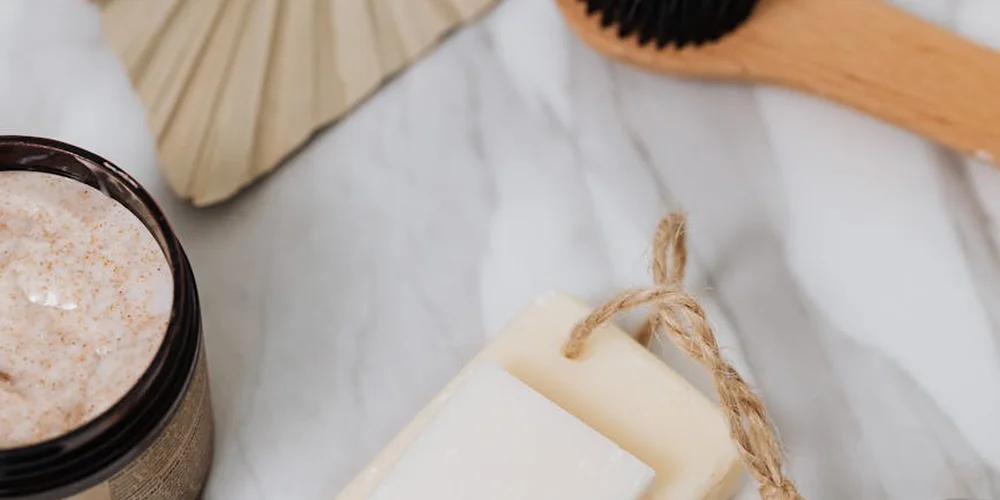
Open a traditional tin and you will find a creamy, waxy paste. It has a distinct, faint barnyard scent, a direct result of those natural tallows and oils. Rubbing it between your fingers, it feels rich and slightly oily, not dry or chemical.
Using saddle soap is like washing your hands with a good moisturizing bar soap instead of a harsh dish detergent. One cleans while protecting your skin’s natural balance. The other cleans aggressively and leaves you feeling dry and tight. Leather reacts the same way. This is where the saddle soap vs pH-balanced cleaners question comes into play—what’s best for your leather? We’ll explore that comparison next.
How Did Saddlers Care for Leather Before Saddle Soap?
For centuries, care was simple and direct. Tanners and saddlers used what they had: animal fats like neat’s-foot oil, beeswax, and tallow. They would rub these substances into the leather to keep it supple and weatherproof.
This worked, but it was more about adding grease than cleaning. As professional saddlery and large-scale cavalry units grew, the need changed. A saddle had to survive constant exposure to horse sweat, mud, and rain. It needed a reliable way to be cleaned without becoming brittle.
You cannot properly condition a layer of dirt. Rubbing more oil over caked-on sweat just traps grime against the leather, which can cause the fibers to break down over time.
The development of a dedicated saddle soap answered a very practical need: a single product that could safely clean and nourish in one step. This was crucial for maintaining expensive, vital equipment that saw daily, rugged use.
The industrial era of the 19th century provided the final push. It allowed for the standardized, large-scale production of a consistent formula. What was once a bespoke workshop mix became a trusted, mass-produced staple found in every stable and tack room.
How Did Saddle Soap Make the Leap From the Stable?
For decades, saddle soap lived in tack rooms and barns. It had one job: keep working leather soft, clean, and protected from sweat and mud. But as leather moved into daily life, the soap followed. In the early 20th century, leather was everywhere—sturdy work boots, durable luggage, and long-lasting furniture. Even in saddles and tack used in equestrian activities.
These items faced different challenges than a saddle, but the core need was identical. They all needed a gentle clean that wouldn’t strip away their natural oils, followed by a protective layer.
Just like my old saddle Mason, your grandfather’s work boots needed the same reliable care to prevent drying and cracking from daily wear. People realized a product that could maintain a saddle through years of hard use could certainly care for a leather trunk or a favorite jacket. This practical history is why saddle soap feels so trustworthy. It isn’t a new, trendy solution. It’s a century-proven formula that works because it respects the material.
Is All Saddle Soap Made the Same Way Today?
Not quite. The classic recipe is simple and effective. It combines tallow (rendered animal fat), a gentle soap, and often a wax like beeswax. Each part has a purpose. The tallow and oils condition and nourish the leather fibers. The soap lifts away dirt and grime. The wax leaves behind a light, protective barrier.
Today, you’ll find modern versions that may use plant-based oils or synthetic conditioners instead of tallow. These can work well, especially for lighter leathers or for personal preference.
Understanding the Label
To know what you’re buying, turn the tin over. Look for these terms:
- Tallow or Lanolin: These are traditional conditioning agents that closely match leather’s natural fats.
- Glycerin: A humectant that helps leather retain moisture.
- Beeswax or Carnauba Wax: These provide the protective, water-resistant finish.
- pH-Neutral or Mild Soap Base: This indicates a cleaner that is less likely to dry out the leather.
Choosing the Right Soap for Your Leather
Your choice depends on the age and type of your item.
For heavy, vintage, or dry leather (like work boots, old saddles, or heritage bags), a traditional tallow-based soap is often the best match. It provides the deep nourishment these older, thirsty pieces often need. Think of it as a hearty meal for well-worn leather.
For more delicate or finished modern pieces (like a soft calfskin jacket, dress shoes, or a colored handbag), a modern, glycerin-rich soap or a very mild synthetic blend can be a safer first step. It will clean without over-oiling or excessively darkening the leather. Always test any soap on a small, hidden area first, like the inside of a seam.
A common mistake is using a wax-heavy soap on a suede or nubuck item, which will flatten the nap. Saddle soap is generally for smooth, finished leathers. For those softer textures, you need a specialized suede cleaner and a gentle brush.
How Do I Use Saddle Soap Correctly on My Gear?
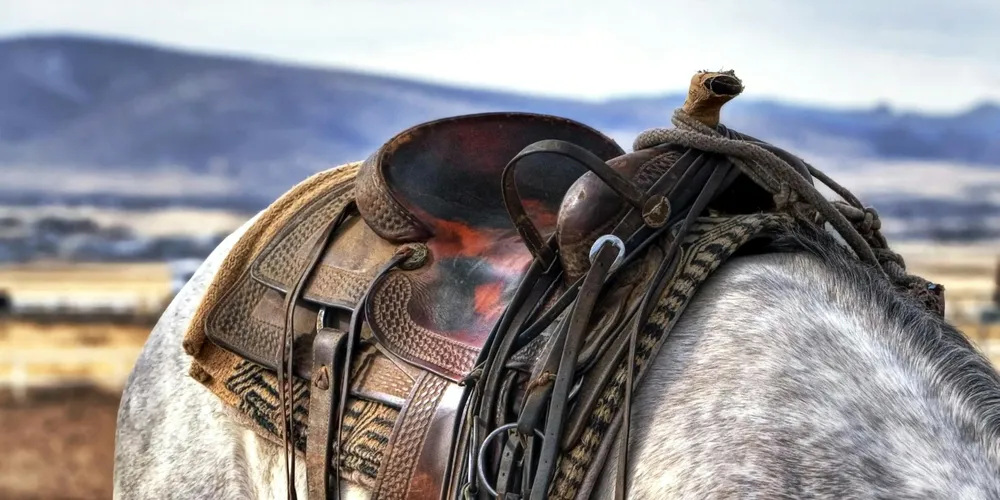
Using saddle soap is straightforward. Think of it as giving your leather a gentle bath. You are lifting away dirt and sweat while putting a little moisture back in. Follow these steps. Saddle soap is a trusted option for cleaning and conditioning leather, and it’s often among the best choices for leather care when used properly. If you’re weighing options, you’ll want to consider how this method stacks up against other care alternatives.
- Get a clean, soft cloth damp with lukewarm water. Wring it out so it’s not dripping.
- Rub the cloth over the bar of soap or scoop out a bit of paste. Work it into a light lather right on the cloth.
- Apply the lathered cloth to the leather using gentle, circular motions. Focus on dirty areas. Avoid harsh scrubbing.
- Take a second clean, damp cloth and wipe away all the soapy residue. You want to remove the dirt, not leave soap behind.
- Let the item air dry naturally, away from direct heat or sun. This can take several hours.
Saddle soap is a cleaner that conditions, not a deep conditioner like an oil or balm. It will add some suppleness, but its main job is to clean the surface and pores of the leather without stripping it raw. Different leathers can respond differently to saddle soap, depending on finish and porosity. This means its effects may vary across leather types.
Can I Use It On My Leather Jacket or Boots?
You absolutely can. My calfskin jacket, June, gets a saddle soap clean once a year. The key is knowing your leather type.
For finished leathers (like most jackets and dress boots with a shiny or matte coating), saddle soap is safe. It cleans the finish without damaging it. For oil-tanned or nubuck leathers (common in work boots), it also works well but will slightly darken the leather as it adds moisture, which is normal.
Always do a patch test on a small, hidden area first, like inside a cuff or under a collar. This checks for any unexpected color change or reaction.
What About My Vintage Bag or Wallet?
Proceed with extra care. Old, dry, or delicate leather can be fragile. Before you start, evaluate it. Press gently on the leather. If it feels brittle, crackly, or the surface is flaking, cleaning might do more harm than good.
For vintage pieces that seem stable, use a more diluted application. Create a very faint lather on your cloth. Test it on an inconspicuous spot and consider using even less soap than you think you need. The goal is a light refresh, not a deep clean.
Watch out for these common mistakes:
- Oversaturating the leather with a sopping wet cloth.
- Using hot water, which can strip natural oils and cause stiffness.
- Not drying the item properly, which can lead to mildew.
Do I Still Need a Separate Leather Conditioner?

Yes, most of the time. Think of saddle soap and conditioner like washing your face and then applying moisturizer. The soap cleans; the conditioner nourishes and protects.
Saddle soap provides light conditioning from its glycerin or oils. A dedicated leather conditioner, whether it’s a balm, cream, or oil, penetrates deeper to replenish fats and oils that prevent drying and cracking. For the best oil conditioning to keep leather soft and prevent cracking, choose proven formulas that restore moisture and flexibility.
Here is a simple way to decide: after your gear is clean and completely dry from saddle soaping, feel the leather. Run your hand over it. Does it feel dry, rough, or stiff? If it does, it’s asking for conditioner. If it still feels supple and soft, you can wait.
For items that see hard use and weather, like my saddle Mason, this two-step process is not optional. The saddle soap removes sweat and grime, and a quality conditioner afterward keeps the leather strong and flexible for years of riding.
How Should I Store Saddle Soap to Make It Last?
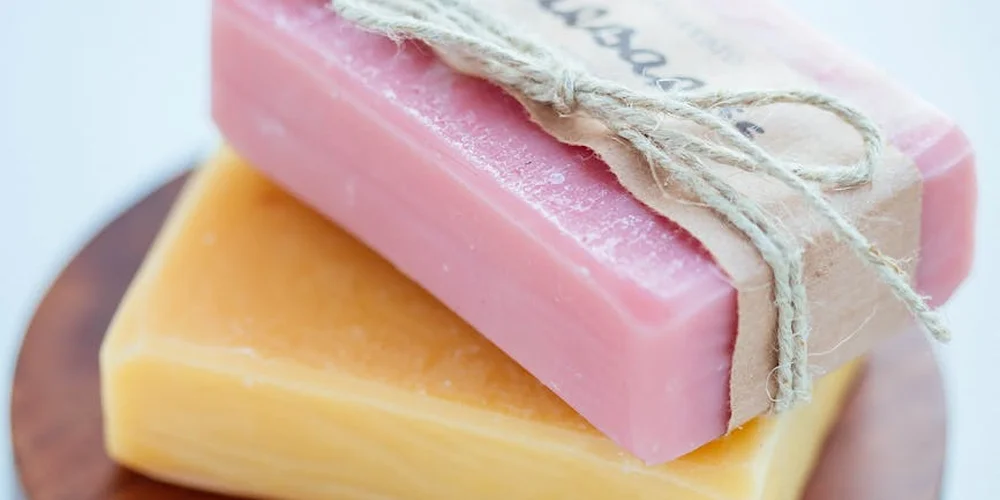
Think of your saddle soap like a bar of your favorite hard soap. You wouldn’t leave it in a puddle of water or on a hot radiator. The same common sense applies here.
The rules are simple because the product is simple. This isn’t a complicated chemical blend. It’s a basic, stable emulsion designed for the rough and ready environment of a barn.
Simple Storage for a Simple Product
Your goal is to keep the soap’s texture consistent. You want it firm enough to control how much you use, but soft enough to lather. Follow these steps after every use.
- Wipe the tin’s rim and lid with a dry cloth to remove any soap residue or moisture.
- Close the lid tightly. A good seal is your best friend.
- Store it in a cool, dry place away from direct sunlight and heat sources.
A kitchen cupboard, a shelf in your closet, or a toolbox is perfect. Your car’s glovebox in summer or a damp basement is not. Consistent, moderate temperatures will keep your saddle soap ready for duty for years.
How Long Does a Tin Actually Last?
This depends completely on what you’re caring for. My tin of saddle soap lasts me a long time because I use it strategically, not for every clean.
For a regular leather jacket like June, a deep clean with saddle soap might happen once or twice a year. A small dab is all you need. At that rate, a standard tin could easily last five years or more.
For heavy-use items like work boots or a saddle like Mason that sees real dirt, you might clean them monthly. Even then, a tin should last well over a year. The beauty of a paste is control; you use a little at a time, so it stretches further than you think.
If your soap dries out and cracks, don’t toss it. A few drops of warm water kneaded into the paste can often revive it. If it gets too soft or oily, leaving the lid off in a cool, dry place for a day can help it firm up.
Built for the Tack Room, Perfect for Your Shelf
Remember the history here. Saddle soap wasn’t designed for a climate-controlled lab. It was made to sit on a shelf in a tack room through dusty summers and cold winters, ready to clean sweaty, dirty leather at a moment’s notice.
Its longevity was a feature, not an afterthought. The waxes and oils are stable. This inherent stability makes it one of the easiest products in your care kit to store. You are using a product perfected over a century for resilience; trust that simple care is all it needs.
I’ve found tins tucked away in old workshops that are still perfectly usable. Give your soap a stable home, and it will be ready whenever your leather needs a refresh.
Common Questions
How often should I really use saddle soap?
For most modern goods like jackets or bags, once or twice a year is sufficient. For gear that sees heavy sweat, dirt, or weather-like riding tack or work boots-a monthly clean may be necessary.
If saddle soap conditions, why do I need a separate conditioner?
Saddle soap provides surface-level nourishment to prevent stripping during cleaning. A dedicated conditioner penetrates deeper to replenish the leather’s fundamental fats and oils, which prevent long-term drying and cracking.
Is it safe for all types of leather?
No. It is excellent for smooth, finished leathers. Avoid using it on suede, nubuck, or aniline-dyed leathers, as it can ruin the nap or finish. Always perform a patch test in an inconspicuous area first.
Can it repair or restore already dry, cracked leather?
No. Saddle soap is for maintenance, not repair. It can clean and provide slight suppleness, but it cannot reverse existing damage. Severely dry or cracked leather needs a professional conservator’s assessment and specialized products, as saddle soap won’t fix severe issues.
My tin is decades old. Is the soap still good?
Likely yes, if it’s been stored properly. The simple, stable ingredients have a long shelf life. If it has dried out, knead in a few drops of water. If it smells rancid, however, it’s time to replace it.
Caring for Leather Today
Saddle soap has endured because it works, cleaning and conditioning leather in one reliable step. Use it as a foundation to keep your goods, from an heirloom saddle like Mason to a daily bag, supple and strong for years. Whether you’re working on boots, tack, or other leather goods, proper application is key for best results.
Treating leather with care is a commitment to respecting the material and the animal it came from. Building your maintenance skills with products like saddle soap ensures each piece, whether old or new, reaches its full potential gracefully.
References & External Links
- Saddle soap – Wikipedia
- ILC – How to Use Saddle Soap to Clean Leather (boots, shoes, etc.)
- How to Use Saddle Soap to Clean Leather (boots, shoes, etc.) – YouTube
- What’s Saddle Soap? How to Not Ruin Your Leather Boots & Shoes | Stridewise
Harriet is a avid collector of leather goods such as purses, bags, seat covers, etc and has an extensive background in leather care, recovery, stain removal and restoration. She has worked for a number of years perfecting her leather care techniques and knows the ins and outs of restoring all kinds and types of leather products. With her first hand knowledge in leather care, you can not go wrong listening to her advice.
Using Saddle Soap, Foams, and Liquids