How Has Suede Shaped Fashion, Military, and Luxury Over Centuries?
Published on: September 19, 2026 | Last Updated: September 19, 2026
Written By: Harriet Nicholson
Hello Tannery Talk. You might look at a suede jacket and a military bag, wondering how the same soft material serves such different lives.
This article traces suede’s path through time, focusing on its transformation in fashion, its durable role in military history, and its cherished place in luxury craftsmanship.
My hands have cleaned and conditioned suede from all these eras, giving me a practical lens on its story.
What is Suede, and How is it Different from Full-Grain Leather?
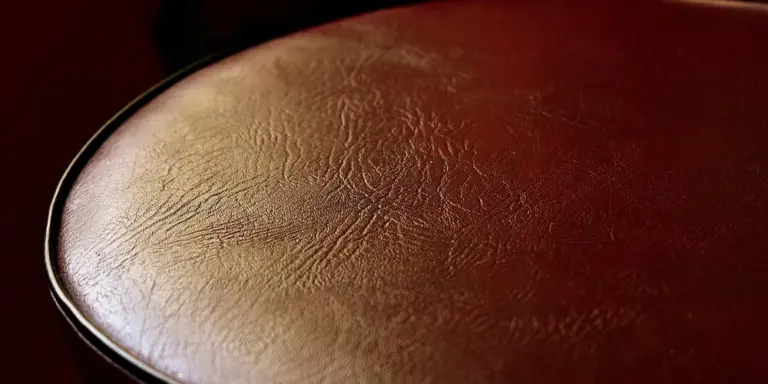
To understand suede, you need to picture a piece of leather. The top, outermost layer is called the grain. This is the tough, weather-resistant surface. Full-grain leather keeps this surface intact, showing all its natural marks and grain pattern, unlike the top-grain leather which is sanded down. My saddle Mason is a perfect example of that robust top layer.
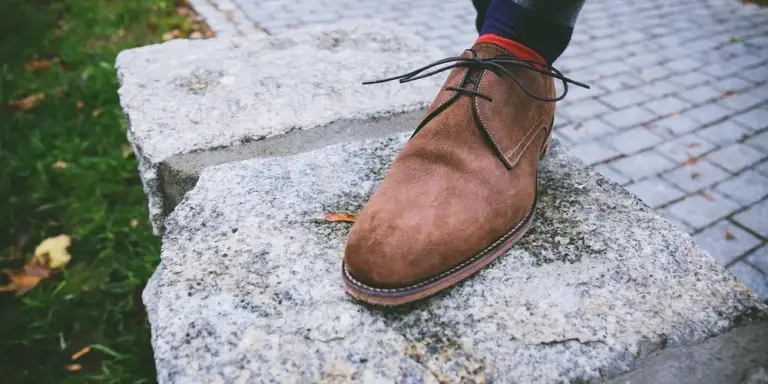
Suede is made by splitting the hide and using the soft underside, called the split or flesh side. This inner layer is then brushed to raise the fibers, creating its signature nap. That nap is the soft, velvety texture you feel when you run your finger across it.
Think of it like comparing the fuzzy skin of a peach to the smooth peel of an apple. Full-grain is the durable apple peel. Suede is the delicate, tactile peach skin.
This fundamental difference in where the material comes from dictates everything about it. Because it lacks that protective top grain, suede is inherently more delicate. It absorbs water and stains more easily and shows wear on its brushed surface faster than full-grain leather. Caring for suede and other delicate leathers is a different practice entirely, focused on gentle cleaning and protecting that vulnerable nap.
From Ancient Tools to Renaissance Opulence: The Early Story of Suede
Long before it was a fashion statement, suede was about pure, quiet utility. Our ancestors valued the soft underside of a hide for its practical warmth and unique grip. Imagine early clothing linings that held heat without chafing, or pouches and wraps that offered a secure, soft hold on stone tools. Its appeal was sensory, rooted in that quiet warmth and tactile security you can still feel today.
The story changed dramatically during the Renaissance in Europe. This was suede’s pivotal turn from workshop to wardrobe. Artisans, particularly in France and England, began crafting it into incredibly fine gloves. These were not for labor. They were symbols of immense wealth and refined taste.
This was the moment suede truly began its journey from a purely functional material to an object of beauty and status. The nap was prized for its luxurious handfeel against the skin, a deliberate sensory pleasure. I think of my jacket June and how her soft calfskin feels, but Renaissance suede was even more associated with delicate opulence. It became the preferred material for aristocratic accessories, setting the stage for its future in high fashion. The care for these items shifted too, from simple durability to preserving a prized, delicate surface.
Why Was Suede a Soldier’s Secret Weapon?
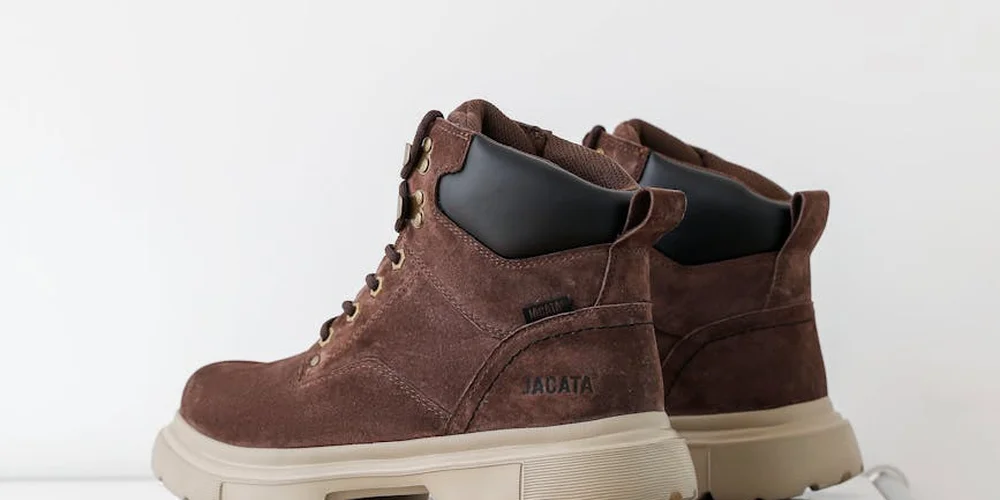
Silence and stealth were a soldier’s best friends. Suede provided both. Its napped, fibrous surface absorbs sound instead of reflecting it. A suede glove won’t scrape or rustle. It also kills light reflections, making a soldier harder to spot. These weren’t fashion choices. They were survival tactics.
Think about the gear. World War II pilots wore shearling-lined suede A-2 flight jackets. The suede was tough, provided a good grip on the control stick, and blocked the biting wind at high altitude. Map cases and gun cleaning kits were made from it because it was durable and quiet when opening. Soldiers’ gloves were often suede for dexterity and a secure hold on equipment.
The design of this gear directly used the material’s traits to solve a problem. A pilot needed a jacket that was warm, quiet in the cockpit, and wouldn’t glare in the sun. Suede checked every box. This hard use created a legacy of incredibly rugged suede. The thick, oily suede used for a bomber jacket is a direct descendant of those military specs.
If you own a heritage-style suede jacket today, it likely shares these rugged roots. This history means it can handle a lot, but it also needs respect. This isn’t a delicate fashion suede. Cleaning it requires a gentle hand — whether you decide to do it yourself or pay for professional cleaning.
- For dust and dry dirt, always use a soft bristle brush first. Brush with the nap.
- For spills, blot immediately with a clean, absorbent cloth. Do not rub.
- To condition this tough suede, use a product made specifically for nubuck or oily suede. Apply sparingly to a cloth and work it in with circular motions. Let it dry completely for 24 hours before wearing.
A common mistake is using a standard leather conditioner, which can clog the nap and create dark, sticky spots. Stick to products designed for the task.
How Did Suede Conquer High Fashion?
After the war, suede shed its purely functional image. In the 1950s, it became a symbol of rebellion. Think of the iconic suede trucker jacket-soft, casual, and cool. It was the opposite of a stiff, formal wool blazer. By the 1970s, suede was everywhere in bohemian fashion: fringed vests, flowing skirts, and tall boots. It whispered luxury and freedom.
High-fashion houses took notice. Designers were drawn to its incredible texture and color. A suede dress by a house like Valentino or Chloé doesn’t just look rich. It feels rich. The nap holds dye in a way that creates a deep, velvety color you can’t get on smooth leather. It conveys a sense of relaxed, tactile luxury.
This shift demanded a new kind of suede. Tanneries developed finer sands from younger calfskins and lambskins. They perfected the tanning process for more vibrant, consistent hues. New treatments made fashion suede more resistant to water and staining, though it remains more delicate than its military cousin.
Caring for a luxury suede bag or jacket is different. The priority is prevention and gentle cleaning.
- Always apply a protective spray designed for suede when the item is new and clean. Reapply every few months.
- Store it in a breathable dust bag, never plastic. Stuff bags with acid-free tissue paper to hold their shape.
- For marks, use a suede eraser first. Gently rub the stain. For persistent spots, a suede-specific cleaning foam applied with a soft brush can work. Always test any cleaner in a hidden area first.
The biggest error here is panic-cleaning. Rushing to use water or household cleaners will often set a stain permanently or damage the delicate nap. Patience and the right tools are everything. My own piece, June, taught me that. A careful, slow approach to a scuff preserved its soft hand for years.
What Does Modern, Responsible Suede Look Like?
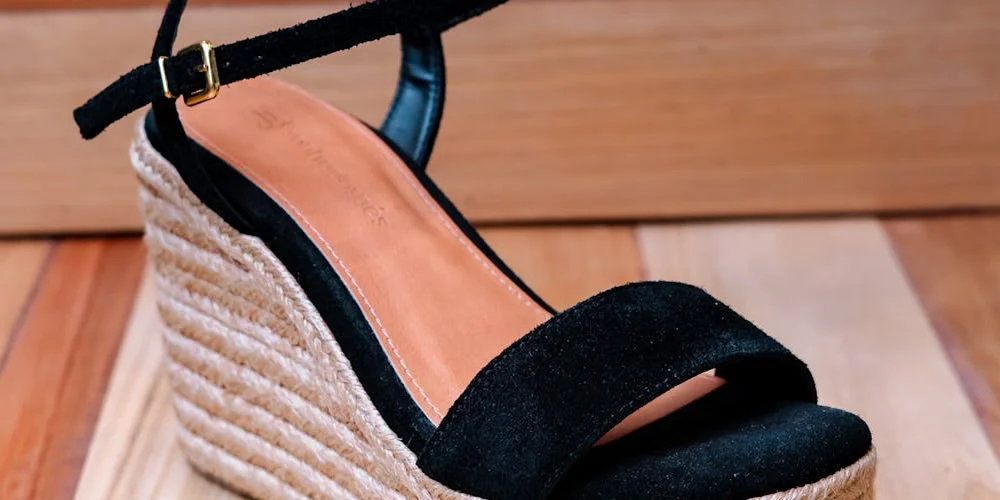
Walk into my workshop today and you’ll see something new. Next to the classic hides, there are materials with a different story. The core values haven’t changed, responsible sourcing and respect for the animal’s life are non-negotiable. Modern responsibility expands that circle of care to include the planet.
Innovation is happening in two key areas. The first is recycled materials. Think of pre-consumer leather scraps or post-consumer plastic bottles processed into a fibrous material that can be brushed into a napped surface. The second is bio-based fabrics, grown from things like mushrooms, pineapple leaves, or cactus. These aim to replicate the look and handfeel of suede without animal skin.
So how do they compare to the suede from my old flight jacket? Let’s be practical.
- Look: The best modern alternatives get very close. From a few feet away, the color and nap can be indistinguishable. Up close, the grain pattern of animal skin is unique and random, which some synthetics can’t perfectly mimic.
- Feel: This is where your hands will notice. Traditional suede has a dense, warm handfeel. Many alternatives feel cooler or slightly more uniform to the touch. The difference is like comparing a hand-knit wool sweater to a finely made machine-knit one.
- Performance: High-quality traditional suede is incredibly durable and develops a patina. Modern alternatives often excel at stain and water resistance right out of the gate. They might not age and soften in the same characterful way as my jacket, June, has over six years.
For you, this means more choice aligned with your values. If your priority is a material that ages with a unique history, responsibly sourced traditional suede is a profound choice. If you seek a lower immediate environmental footprint or a vegan option, the new generation of materials offers a viable and often more carefree alternative. Both paths represent a move toward more conscious consumption.
How Do You Care for Suede Based on Its History?
Caring for suede isn’t just about cleaning, it’s about stewardship. You’re tending to its history. A stiff 1940s A-2 flight jacket and a sleek 2020s designer bag have lived different lives. They need different touches, especially when you clean, protect, and wear them in different seasons.
Cleaning: A Gentle Approach for All Eras
The first rule is always to test any cleaner on a hidden seam. For general, light cleaning, this method works for most items.
- Use a dedicated suede brush (often brass or nylon) to briskly brush the entire item along the nap. This lifts dirt and revives the surface. For my wallet, Scout, this is a weekly ritual.
- For spots, use a white pencil eraser on dry stains like scuffs or pencil marks. Gently rub.
- For overall grime, use a specialized suede cleaner foam. Apply a small amount to a clean, white microfiber cloth and work in small, circular motions. Don’t soak the leather.
- Let the item dry completely, away from direct heat. As it dries, brush the nap again to restore its texture.
Handling Vintage Suede: Patina is the Prize
Old suede, like an antique book, becomes fragile. The goal is preservation, not restoration to “new.”
For Stiffening: This happens as natural oils dry out. Don’t force it. Use a tiny amount of a conditioner made specifically for suede or nubuck, applying it sparingly with your fingertips to the stiffest areas. Let it absorb for 24 hours. The leather may soften slightly, but it will likely never be supple like new. That’s okay. Its stiffness is part of its story. To soften stiff suede items you use at home—shoes, jackets, or boots—gentle conditioning helps. With patience, they can regain comfortable flexibility.
For Color Loss: Sun-faded patches on a vintage bag are medals of honor. I advise against trying to re-dye them. It rarely matches and can look worse. Instead, embrace the character. For overall dullness, a light application of a suede renovator spray can even out the color and add a slight sheen without a drastic change.
The most important technique is accepting its age. Aggressive cleaning or conditioning can strip away the very patina that makes a vintage piece special. Sometimes, the best care is a gentle brush and the decision to let a small stain remain as part of the material’s honest journey.
Common Questions
How did the perception of suede change during the Renaissance period?
It shifted from a practical lining material to a coveted luxury good, most famously in fine gloves for the aristocracy. This new status demanded meticulous care, moving preservation focus from simple durability to protecting a delicate, prized surface.
In which specific military garments or gear was suede historically used?
Beyond flight jackets, it was essential for silent, grippy pilot gloves, map cases, and gun maintenance kits. For maintaining this durable gear, use a brush for dry dirt and only condition with products formulated for oily suedes or nubuck.
Which luxury brands are most famously associated with suede goods and why?
Houses like Valentino and Chloé prize suede for its deep, velvety color absorption and unique tactile luxury. To preserve these fine items, always store them in breathable bags and pre-treat with a suede-protector spray.
How has the production and treatment of suede evolved over time?
Modern tanning introduces advanced dyes and chemical treatments for better color consistency and stain resistance. Moreover, tanning processes influence how resistant leather is to stains and damage. However, the core principle remains: protecting the vulnerable nap dictates its care, regardless of era.
Final Thoughts on Suede’s Legacy
Looking back, suede’s lasting power comes from its unique handfeel and quiet versatility. It works because it bridges utility and style so effectively.
Honor that history by caring for your own pieces with a mindful touch. Learning to maintain suede properly is a direct way to respect its journey and ensure its future.
Sources and Additional Information
- Suede Military Jacket – Free Shipping USA
- CASHMERE SUEDE MILITARY JACKET | TOM FORD Fashion
- F/W 2007 Suede Military Coat | Authentic & Vintage | ReSee
- TOM FORD Suede Military Jacket
- Women’s Maroon Genuine Suede Military Jacket – Double Breasted, Lapel Collar, Asymmetric, Lightweight Spring Leather Coat at Amazon Women’s Coats Shop
Harriet is a avid collector of leather goods such as purses, bags, seat covers, etc and has an extensive background in leather care, recovery, stain removal and restoration. She has worked for a number of years perfecting her leather care techniques and knows the ins and outs of restoring all kinds and types of leather products. With her first hand knowledge in leather care, you can not go wrong listening to her advice.
Suede and Nubuck Care